
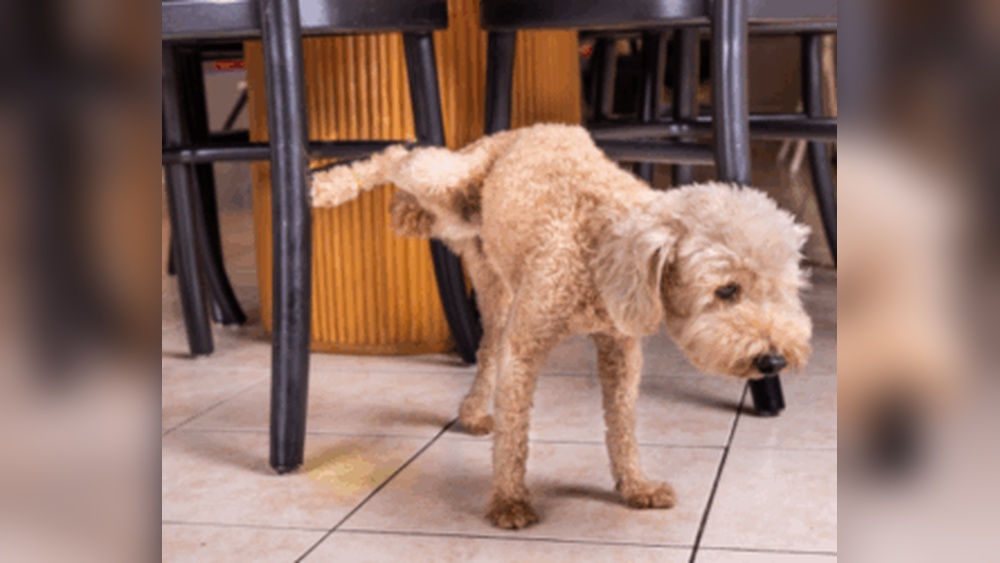
Is your dog peeing in the house, leaving you frustrated and confused? You’re not alone, and it’s a common problem many dog owners face.
Understanding why your furry friend is behaving this way is the first step to finding a solution that works for both of you. You’ll discover the surprising reasons behind this behavior and practical tips to help you stop it for good.
Keep reading to regain control of your home and strengthen the bond with your pet.
Credit: www.hartz.com
Causes Of Indoor Peeing
Indoor peeing is a common problem for many dog owners. Understanding why dogs pee inside helps solve the issue. Dogs do not pee indoors just to be naughty. There are real reasons behind this behavior. Some reasons are health-related, while others involve emotions or training. Knowing these causes can guide you in helping your dog.
Medical Issues
Health problems often cause indoor peeing. Urinary tract infections make dogs pee more often. Kidney disease can also lead to accidents. Dogs with bladder stones may find it hard to hold urine. Some older dogs face incontinence. A visit to the vet can rule out medical causes. Treating illness may stop indoor peeing.
Marking Territory
Dogs use urine to mark their space. This is common in male dogs but can happen in females. New smells or animals nearby trigger marking. Moving to a new home can cause this behavior. Marking is a way dogs feel safe. They show other animals who owns the area. Neutering or spaying can reduce marking.
Anxiety And Stress
Stress affects dogs just like people. Loud noises, new people, or changes upset dogs. Separation anxiety is a common cause of indoor peeing. Dogs may pee to express fear or nervousness. Stress-related peeing often happens when the owner leaves. Creating a calm environment helps reduce stress. Training and comfort can ease anxiety.
Incomplete House Training
Some dogs never fully learn where to pee. Puppies need clear and consistent training. Skipping steps can cause confusion. Incomplete training leads to accidents inside. Older dogs may forget rules if routines change. Patience and repetition improve house training. Rewarding good behavior encourages dogs to pee outside.
Preventing Indoor Accidents
Stopping your dog from peeing inside takes patience and care. It needs clear steps and good habits. Dogs feel secure with a steady routine. Clean spaces help stop repeat accidents. Using crates can guide your dog well. Exercise also plays a big role in behavior.
Establishing A Routine
Set specific times for bathroom breaks. Take your dog out first thing in the morning. After meals and before bedtime are key times. A regular schedule helps your dog learn control. Dogs thrive on consistency and predictability. This reduces stress and indoor accidents.
Proper Cleaning Techniques
Clean accidents quickly and fully. Use enzyme cleaners that remove all smells. Ordinary cleaners may not stop repeat marking. Avoid ammonia-based products as they mimic urine. Thorough cleaning discourages your dog from peeing again. This keeps your home fresh and accident-free.
Using Crate Training
Crates create a safe, small space for your dog. Dogs avoid soiling where they sleep. Use the crate for short periods at first. Increase crate time as your dog learns. Never use the crate as punishment. This method helps control accidents and builds good habits.
Providing Adequate Exercise
Regular walks reduce indoor accidents. Exercise lowers stress and burns energy. A tired dog is less likely to pee inside. Playtime also strengthens your bond. Aim for daily walks and active play sessions. Healthy activity supports better behavior overall.
Training Tips To Stop Peeing
Training your dog to stop peeing in the house takes patience and clear steps. Dogs learn best with calm, steady guidance. This section shares simple tips to help you teach your dog proper bathroom habits.
Positive Reinforcement
Reward your dog for peeing outside. Use treats, praise, or petting right after they go. This shows your dog what behavior you want. Avoid punishment, as it can cause fear and confusion. Positive feedback helps your dog feel safe and eager to learn.
Supervision And Confinement
Watch your dog closely indoors. Keep them in a small space or crate when you cannot watch. This reduces accidents. Dogs naturally avoid soiling their sleeping area. Supervision helps you catch signs before accidents happen.
Recognizing Warning Signs
Learn your dog’s signals before they pee. Sniffing, circling, or restlessness often come first. Take your dog outside immediately if you see these signs. Quick action helps prevent accidents and teaches your dog to ask to go out.
Consistency In Commands
Use the same words for bathroom breaks every time. Say “go potty” or another simple phrase. Consistent commands help your dog understand what you want. Always praise your dog after they respond correctly. This builds clear communication between you and your dog.

Credit: www.youtube.com
When To Consult A Vet
Recognizing when to consult a vet about your dog peeing in the house is important. Some causes need medical care, not just training. Ignoring signs can make problems worse. Early vet visits help your dog feel better faster.
Signs Of Urinary Tract Infection
Dogs with urinary tract infections often pee more often. They may strain or cry while peeing. Blood in the urine is a clear warning. Foul-smelling urine or accidents inside the house can also appear. These signs need prompt vet attention.
Behavioral Consultations
Sometimes, peeing inside is due to stress or anxiety. Changes in the home or routine can trigger this behavior. A vet or animal behaviorist can help find the cause. They suggest ways to reduce stress and improve habits. This support can stop unwanted accidents.
Medication Options
Vets can prescribe medicine for infections or anxiety. Antibiotics treat bacterial infections quickly. For anxiety, vets may recommend calming medications. Medication combined with training gives better results. Always follow the vet’s advice carefully for best care.
Products To Help Control Indoor Peeing
Controlling indoor peeing in dogs can be tough. Using the right products helps keep your home clean and your dog happy. These products support training and reduce accidents inside the house. Here are some useful options.
Enzyme Cleaners
Enzyme cleaners break down urine molecules completely. They remove stains and odors that dogs like to mark again. Regular cleaning with enzyme cleaners stops repeat peeing in the same spot. Use these cleaners on carpets, floors, and furniture for best results.
Pee Pads And Training Aids
Pee pads offer a designated spot for your dog indoors. They absorb urine quickly and protect floors from damage. Training aids include attractant sprays that guide dogs to use pads. These products help teach puppies or older dogs new bathroom habits.
Repellents And Deterrents
Repellents create a smell dogs avoid. Spraying these near problem areas keeps dogs away. Deterrents come in sprays, mats, or devices that discourage peeing indoors. They help break unwanted habits and protect your home from accidents.
Credit: www.diggs.pet
Frequently Asked Questions
Why Is My Dog Peeing Inside The House?
Dogs may pee indoors due to stress, illness, or poor training. It can also signal marking behavior or anxiety. Identifying the cause helps address the issue effectively. Consult a vet if medical problems are suspected.
How Can I Stop My Dog From Peeing Indoors?
Consistent potty training, regular outdoor breaks, and positive reinforcement are key. Clean accidents thoroughly to remove odors. Address any health issues and reduce stressors to prevent indoor urination.
Does Anxiety Cause Dogs To Pee Inside The House?
Yes, anxiety can trigger indoor urination. Dogs may feel stressed from changes, loud noises, or separation. Managing anxiety with calming techniques and safe spaces helps reduce accidents.
Can Medical Issues Cause A Dog To Pee Indoors?
Medical problems like urinary tract infections, bladder stones, or diabetes often cause indoor peeing. A veterinary exam is crucial to diagnose and treat underlying health conditions promptly.
Conclusion
Peeing inside the house is a common dog behavior challenge. Understanding why dogs do this helps solve the problem. Training with patience and consistency works best. Watch your dog’s habits and create a routine. Clean accidents quickly to avoid repeats.
Sometimes health issues cause indoor peeing, so check with a vet. Small changes can make a big difference. Stay calm and positive during the process. Your dog will learn good habits over time. Keep trying, and your home will stay clean and happy.


