Training an emotional support dog can change your life in ways you never imagined. If you have one or are thinking about getting one, you want your dog to be calm, reliable, and responsive when you need them most.
But how do you start? How do you make sure your furry friend truly supports your emotional well-being every day? You’ll discover simple, effective steps to train your emotional support dog. By the end, you’ll feel confident that your dog is not just a pet, but a true companion who helps you face life’s challenges.
Keep reading to unlock the secrets to building that powerful bond.
Choosing The Right Dog
Choosing the right dog is the first step in training a successful emotional support dog. The right dog can provide comfort and companionship during tough times. Picking a dog that fits your lifestyle and emotional needs makes training easier and more effective.
Traits Of Ideal Support Dogs
Support dogs should be calm and gentle. They need to stay relaxed in busy places. Friendly behavior helps them connect with people. They must not be easily scared or aggressive. These traits help dogs provide steady emotional support.
Assessing Temperament
Temperament shows how a dog reacts to different situations. A good support dog stays calm under stress. Watch how the dog behaves around strangers and noise. Choose a dog that is patient and trusting. This makes training smoother and more reliable.
Age And Breed Considerations
Young dogs learn new skills faster than older dogs. Puppies need more time and patience. Adult dogs with good temperaments are often ready to train. Some breeds are naturally calm and easy to train. Choose a breed that fits your activity level and home environment.
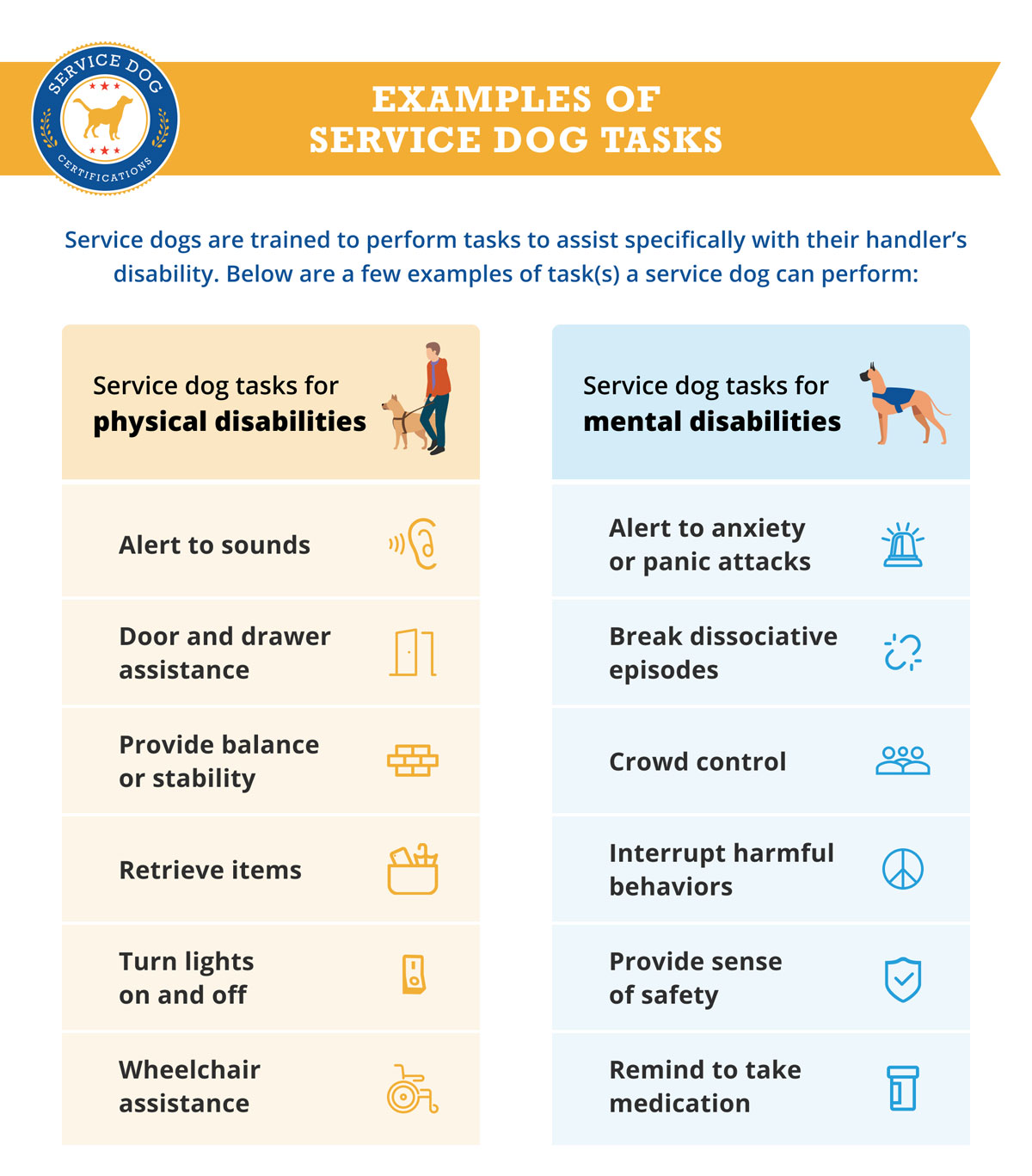
Credit: www.servicedogcertifications.org
Basic Obedience Training
Basic obedience training is the foundation of a well-behaved emotional support dog. It helps your dog understand what you expect. Training builds trust and strengthens your bond. A calm and obedient dog can better support your emotional needs. Start with simple commands and clear rules. Keep training sessions short and focused to hold your dog’s attention.
Essential Commands To Teach
Teaching basic commands is crucial. Start with “sit,” “stay,” and “come.” These commands keep your dog safe and controlled. “Sit” helps calm your dog in stressful situations. “Stay” teaches patience and self-control. “Come” ensures your dog returns to you quickly. Add “leave it” to prevent unwanted distractions or dangers. These commands create a strong base for more advanced skills.
Consistency And Patience
Consistency is key in training your emotional support dog. Use the same words and gestures every time. Train at the same time and place when possible. Dogs learn better with routine. Patience is essential. Some dogs take longer to learn commands. Avoid frustration or punishment. Stay calm and encourage your dog. Repeat commands gently until your dog understands.
Positive Reinforcement Techniques
Positive reinforcement works best for emotional support dogs. Reward good behavior immediately with treats or praise. Rewards motivate your dog to repeat actions. Use small, tasty treats that your dog loves. Praise with a happy voice and gentle petting. Avoid harsh corrections or scolding. Positive training creates a safe and happy learning environment. This approach builds confidence in your dog.
Socialization Skills
Socialization skills are key for an emotional support dog. These skills help your dog feel safe and calm around new people and places. A well-socialized dog can better support your emotional needs in daily life. Start socializing early to build confidence and reduce fear.
Introducing To Different Environments
Expose your dog to many places like parks, stores, and busy streets. Keep visits short at first to avoid stress. Use gentle praise and treats to make new places feel safe. Let your dog explore at their own pace. This builds comfort in varied settings.
Encouraging Calm Behavior Around People
Teach your dog to stay calm near strangers. Practice sitting or lying down when people approach. Reward quiet and relaxed actions with treats or petting. Avoid exciting or loud behavior. Calm dogs help you stay peaceful in social situations.
Managing Anxiety In New Situations
Watch for signs of fear like shaking or hiding. Use a calm voice and soft touch to reassure your dog. Give breaks if they seem overwhelmed. Practice deep breathing yourself to stay relaxed. A calm handler helps the dog feel safe.

Credit: www.amazon.com
Specialized Emotional Support Training
Training an emotional support dog requires focused and gentle methods. Specialized emotional support training helps dogs understand and respond to their owner’s feelings. This training builds a strong bond and ensures the dog can offer comfort in tough moments.
Recognizing Emotional Cues
Dogs must learn to notice signs of stress or sadness. These signs include changes in voice, body language, or breathing. Training helps dogs read these cues quickly. This skill allows the dog to act before the owner feels overwhelmed.
Providing Comfort On Demand
Comfort is the main role of an emotional support dog. Training teaches dogs to offer cuddles, nudge, or stay close when asked. They learn to calm their owner with gentle actions. This support helps reduce anxiety and bring peace.
Building Trust And Bond
Trust forms the foundation of the dog-owner relationship. Spend time together in calm and happy moments. Use positive words and rewards during training sessions. A strong bond makes the dog more attentive and caring.
Maintaining Training Progress
Maintaining training progress is key to having a well-behaved emotional support dog. Training is not a one-time event. It needs ongoing work to keep your dog’s skills sharp. Consistency helps your dog feel secure and understand what is expected. Staying patient and positive makes training a smoother journey for both of you.
Regular Practice Routines
Create a daily schedule to practice commands and behaviors. Short, frequent sessions work best for dogs. Keep training fun and rewarding to keep your dog engaged. Mix old lessons with new ones to reinforce learning. Stick to the routine to build strong habits over time.
Tracking Behavioral Improvements
Note your dog’s progress after each training session. Use a journal or app to record successes and challenges. Look for patterns in your dog’s behavior to adjust training. Celebrate small wins to stay motivated. Tracking helps you see what works and what needs change.
Addressing Setbacks Effectively
Setbacks are normal in dog training. Stay calm and avoid punishment. Identify the cause of the setback quickly. Return to easier tasks to rebuild confidence. Repeat training steps patiently until your dog improves. Persistence and kindness lead to lasting progress.

Credit: www.pawbypawdogtraining.com
Legal And Certification Insights
Training an emotional support dog involves more than teaching commands. Knowing the legal rules and certification needs is key. This section explains what to know about laws, papers, and your duties as an owner.
Understanding Esa Laws
Emotional support animals (ESA) have legal protections under certain laws. The Fair Housing Act allows ESAs in housing without extra fees. Airlines also had rules for ESAs, but recent changes limit their access. Knowing these laws helps avoid problems when bringing your dog to public places or homes.
ESAs do not have the same access rights as service dogs. They are not allowed in all public spaces. Always check local rules before visiting places with your ESA.
Documentation And Registration
To qualify as an ESA, a dog needs a letter from a licensed mental health professional. This letter states the dog helps with a mental or emotional condition. Registration websites exist, but they do not replace the official letter.
Keep the letter updated and carry it when needed. Some housing providers ask for this proof. Without proper documents, your dog may not be recognized as an ESA.
Rights And Responsibilities
Owning an ESA means following the law and respecting others. You have the right to live with your dog in most housing. You must keep your dog well-behaved and clean.
Respect public rules about animals. Your dog should not disturb others or cause damage. Training your ESA well shows respect and helps maintain its legal status.
Care And Wellbeing Tips
Caring for an emotional support dog is key to its happiness and your bond. Proper care keeps your dog healthy and ready to support you. Focus on nutrition, exercise, mental activities, and regular health checks. These steps build trust and well-being.
Nutrition And Exercise
Feed your dog high-quality food suited to its age and size. Measure meals to avoid overfeeding. Fresh water must always be available. Daily walks help your dog stay fit and calm. Play outside to release energy and reduce stress.
Mental Stimulation Activities
Keep your dog’s mind active with simple games. Hide treats for your dog to find. Teach new commands in short, fun sessions. Puzzle toys challenge your dog and prevent boredom. Mental exercise improves focus and behavior.
Health Checkups And Grooming
Schedule regular vet visits to catch problems early. Vaccinations and flea control protect your dog’s health. Brush your dog’s coat to remove dirt and tangles. Clean ears and trim nails to avoid discomfort. Grooming strengthens your connection and comfort.
Frequently Asked Questions
What Are The First Steps To Train An Emotional Support Dog?
Start with basic obedience commands like sit, stay, and come. Establish a consistent routine and use positive reinforcement techniques. Early socialization and patience are key to building trust and effective communication with your emotional support dog.
How Long Does It Take To Train An Emotional Support Dog?
Training duration varies but usually takes a few weeks to months. Consistency, daily practice, and the dog’s temperament influence the timeline. Regular short sessions improve learning and strengthen your bond.
Can Any Dog Become An Emotional Support Dog?
Most dogs can become emotional support animals if they have a calm, friendly temperament. Proper training and socialization are essential. Consult a professional to assess if your dog fits the role well.
What Training Methods Work Best For Emotional Support Dogs?
Positive reinforcement, including treats and praise, works best. Avoid harsh punishment as it can harm trust. Focus on calm behavior and socialization to help your dog support emotional needs effectively.
Conclusion
Training an emotional support dog takes time and patience. Start with basic commands and gentle guidance. Consistency helps your dog learn better and faster. Focus on building trust and a strong bond. Reward good behavior to encourage positive habits. Remember, every dog learns at its own pace.
Keep sessions short and fun to maintain interest. This training helps your dog support your emotional needs. With care and practice, your dog becomes a loyal companion. Stay calm and enjoy the journey together.