
Training a dog that isn’t motivated by food can feel like a tough challenge. You might find yourself wondering how to keep your dog focused and eager to learn without the usual treats.
But don’t worry—there are effective ways to connect with your dog and encourage good behavior, even if food isn’t their thing. If you’ve been struggling to get your pup’s attention or reward them in a meaningful way, this guide will help you discover new strategies that work.
By the end, you’ll have practical tools to make training enjoyable and successful for both you and your dog. Keep reading to unlock the secrets of training a non-food motivated dog!
Recognizing Non Food Motivation
Training a dog without food motivation requires a different approach. Not all dogs respond well to treats. Some dogs show little interest in food during training sessions. Recognizing this early helps adjust your methods. Knowing your dog’s true motivators leads to better results.
Signs Your Dog Isn’t Food Motivated
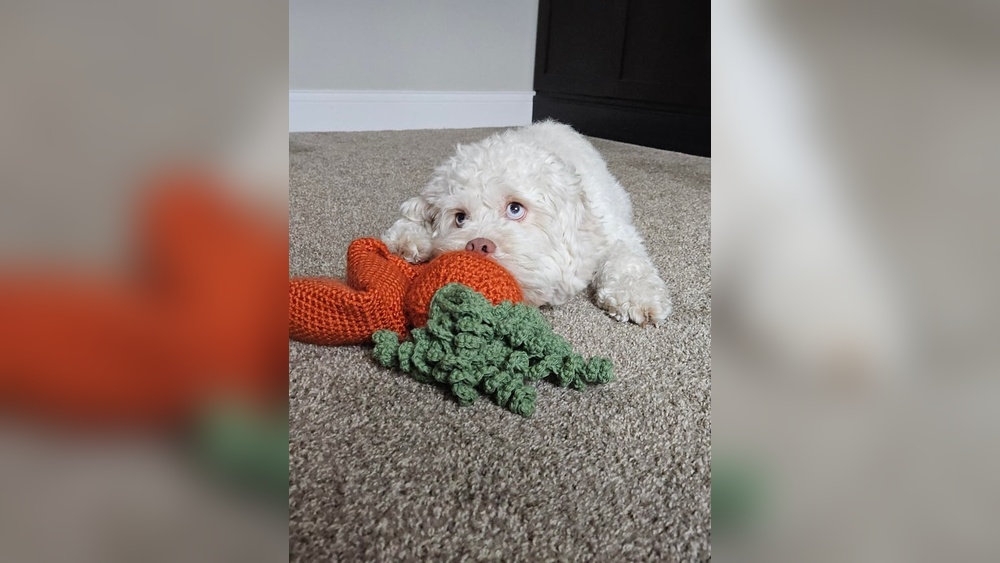
Your dog ignores treats during training. They don’t work hard for snacks. Sometimes, they sniff and walk away. They seem more interested in toys or attention. Watch for lack of excitement around food rewards. Notice if they lose focus quickly despite treats. These signs show low food motivation.
Alternative Motivators To Consider
Try using toys your dog loves. Playtime can be a strong reward. Some dogs prefer praise and petting. Use a favorite game as motivation. Explore different rewards like walks or freedom to explore. Find what excites your dog most. Tailor training to their unique interests for success.

Credit: www.reddit.com
Choosing The Right Rewards
Choosing the right rewards is key to training a non food motivated dog. Not all dogs respond well to treats. Some prefer other forms of motivation. Finding what excites your dog helps keep training fun and effective.
Different dogs like different things. Some enjoy toys, others love praise or affection. Recognizing your dog’s favorite reward type makes training easier. It also builds a stronger bond between you and your pet.
Using Toys And Play As Incentives
Toys can be a great reward for dogs uninterested in food. Many dogs love to chase balls, tug ropes, or catch frisbees. Use a favorite toy as a prize after a good behavior. This keeps the dog eager to learn and listen.
Short play sessions make training exciting. Play can replace treats and still motivate your dog. Choose toys your dog enjoys. This makes the reward meaningful and fun.
Incorporating Praise And Affection
Words and touch work well for some dogs. Praise your dog with a happy voice. Use phrases like “good dog” or “well done.” Dogs feel happy and loved with kind words.
Petting and gentle pats are powerful rewards. Many dogs respond to affection more than treats. Use a calm and friendly tone. This helps your dog feel safe and motivated.
Training Techniques For Engagement
Training a dog that does not respond to food rewards can be challenging. Finding ways to keep your dog interested and motivated is key. Using engaging training techniques helps build a strong bond. These methods focus on interaction and mental stimulation instead of treats.
Clicker Training Without Food
Clicker training uses a small device that makes a clicking sound. This sound marks the exact moment your dog does something right. Without food, use praise, petting, or toys as rewards. The click tells your dog they did well. This method helps your dog understand what you want clearly.
Start by clicking and giving your dog a favorite toy or affection. Repeat this to create a positive connection with the click. Gradually, your dog will work to hear the click and earn rewards. Clicker training builds focus and makes learning fun.
Target Training And Interactive Games
Target training teaches your dog to touch an object with their nose or paw. Use a stick or your hand as the target. Reward your dog with play or praise for touching the target. This technique builds attention and control without food treats.
Interactive games keep your dog’s mind active. Hide toys or use puzzle games to challenge your dog. These games encourage problem-solving and reduce boredom. Play sessions become training opportunities that your dog enjoys.
Combining target training and games improves your dog’s engagement. This approach creates a happy and motivated learner. Your dog stays interested and eager to work with you.

Credit: www.reddit.com
Building Focus And Attention
Training a non food motivated dog needs patience and smart strategies. Building focus and attention is key. Dogs without food motivation need other ways to stay interested in training. You can help your dog learn to pay attention using short training times and fun activities.
Focus means your dog listens and looks at you. Attention means your dog waits for your next move. Both skills make training easier and more fun for your dog.
Short Training Sessions
Keep training sessions short. Five to ten minutes works best. Long sessions make your dog bored or tired. Short sessions keep your dog alert and ready to learn. Stop before your dog loses interest. You can do many short sessions a day. This helps your dog stay focused without pressure.
Using Environmental Enrichment
Use toys and puzzles to make training fun. Environmental enrichment means adding interesting things around your dog. This keeps your dog curious and active. Give your dog new toys or safe objects to explore. Change toys often to keep things fresh. Use scent games or hide-and-seek to boost your dog’s attention. These activities help your dog think and focus on you.
Dealing With Distractions
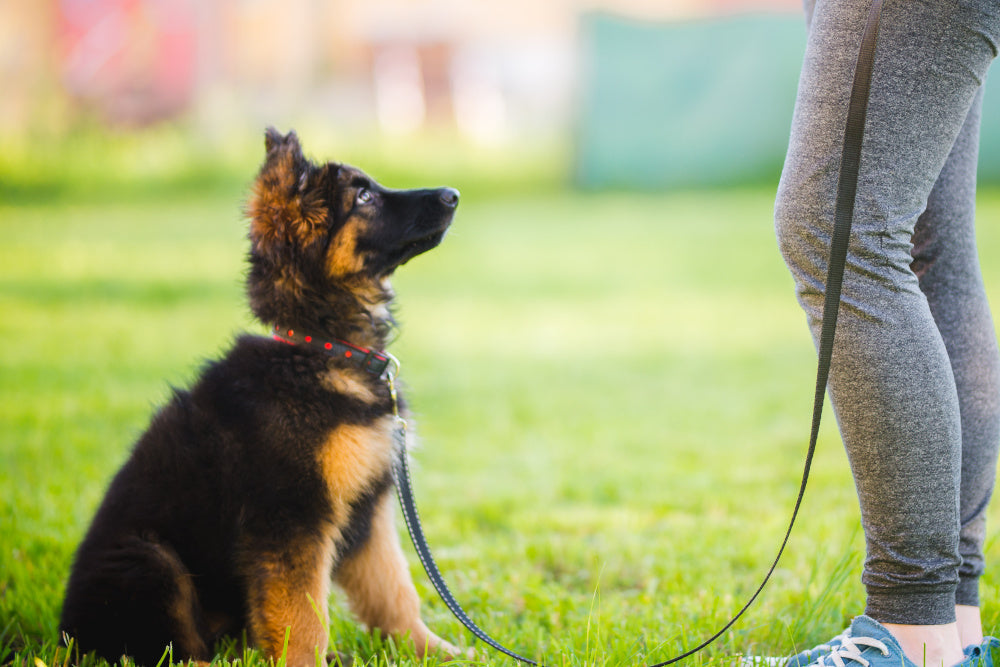
Training a dog that is not motivated by food can be a challenge. Distractions make this even harder. Dogs easily lose focus when new sights and sounds appear. Managing these distractions helps your dog learn better. You need to create the right environment and introduce distractions slowly. This builds your dog’s attention and obedience over time.
Creating A Controlled Training Space
Start training in a quiet, small area. A space with few distractions helps your dog focus. Use a room or fenced yard with little noise and movement. Keep toys and other items away at first. This controlled space helps your dog understand training is important. Gradually, you can add small distractions as your dog improves.
Gradual Exposure To Stimuli
Introduce distractions slowly and carefully. Begin with soft sounds or objects at a distance. Praise your dog for staying calm and focused. Increase distraction level step by step. For example, add other people or dogs far away. Let your dog get used to new things at its own pace. This slow exposure helps your dog stay attentive during training.
Credit: www.nextritionpet.com
Consistency And Patience
Training a dog that is not food motivated takes more time and steady effort. Consistency and patience are the keys to success. Dogs need clear signals and repeated practice to learn new behaviors well. Without these, they may get confused or lose interest.
Working with a non food motivated dog means you must stay calm and keep trying. Some dogs respond better to praise, toys, or play instead of treats. Find what your dog likes and use it often. Be patient with slow progress. Small steps add up to big changes.
Setting Realistic Expectations
Expect gradual improvement, not quick results. Your dog may take longer to follow commands or focus. Training sessions should be short and fun to keep your dog engaged. Avoid expecting perfect behavior right away. Celebrate small wins to stay motivated.
Tracking Progress Over Time
Write down your dog’s progress each day. Note what works and what does not. Track changes in behavior and attention span. This helps you adjust your training methods. Seeing progress, even slow, keeps you encouraged and your dog learning.
When To Seek Professional Help
Training a non-food motivated dog can be tough. Sometimes, you may reach a point where progress stops. That is the right time to consider professional help. Experts have the skills to handle unique challenges. They offer fresh techniques tailored to your dog’s needs. Seeking help early can save time and avoid frustration.
Signs Training Needs Expert Intervention
Your dog does not respond to any rewards. Training sessions cause stress or fear. Aggression or anxiety worsens during training. You feel stuck without clear progress. Your dog ignores commands in all situations. These signs show that expert help is necessary. A professional can identify hidden issues. They can adjust methods to fit your dog’s personality.
Finding The Right Trainer
Choose trainers with experience in non-food motivated dogs. Look for positive reinforcement methods that suit your dog. Check reviews and ask for recommendations. A good trainer observes your dog’s behavior carefully. They create clear, simple training plans. Communication with the trainer should be easy and open. The right expert will guide you step-by-step. This makes training less stressful and more effective.
Frequently Asked Questions
How To Motivate A Non Food Motivated Dog During Training?
Use toys, praise, and play as rewards. Find what excites your dog most. Consistent positive reinforcement builds motivation without food.
What Are The Best Rewards For Non Food Motivated Dogs?
Use favorite toys, affection, or games as rewards. Some dogs prefer playtime or verbal praise over treats. Tailor rewards to your dog’s interests.
Can Training Succeed Without Treats For Non Food Motivated Dogs?
Yes, training works with patience and alternative rewards. Focus on play, praise, and interaction. Consistency and timing are key to success.
How To Maintain Focus In A Non Food Motivated Dog?
Keep training sessions short and fun. Use engaging toys and enthusiastic praise. Avoid distractions and reward immediately to hold attention.
Conclusion
Training a dog without food motivation takes patience and creativity. Try toys, praise, or play as rewards instead. Keep sessions short and fun to hold your dog’s interest. Watch your dog’s reactions to find what works best. Small steps lead to big progress over time.
Stay calm and consistent every day. Your effort builds trust and good habits. Training is a journey, not a race. Enjoy each moment with your dog. Success comes from love and understanding.


