

Training a dog that is both blind and deaf may seem overwhelming, but you have the power to create a deep, trusting bond with your furry friend. Imagine the joy of seeing your dog respond happily to your guidance, even without sight or sound.
This isn’t just possible—it’s something you can achieve step by step. You will discover simple, effective ways to communicate and train your special dog, making every moment together safer and more joyful. Keep reading, and you’ll learn how to unlock your dog’s potential and bring out their best.

Credit: www.youtube.com
Preparing For Training
Training a blind and deaf dog requires special care and preparation. This stage sets the foundation for successful learning. You must understand your dog’s unique needs and prepare a safe space. Gathering the right tools will also help the process go smoothly. These steps make training easier for both you and your dog.
Assessing Your Dog’s Needs
Start by observing how your dog reacts to touch and smell. Each dog has different levels of blindness and deafness. Notice their comfort with physical contact. Learn their favorite scents and how they explore the world. Understanding these details helps tailor the training plan. It also builds trust between you and your dog.
Creating A Safe Environment
Remove sharp objects and obstacles from the training area. Choose a quiet, enclosed space to avoid distractions. Use mats or soft flooring to protect your dog from falls. Keep the area consistent to help your dog feel secure. Safety allows your dog to focus on learning without fear.
Gathering Necessary Tools
Prepare tactile markers like different textured mats or rugs. Use scent markers such as essential oils or food scents. Have a leash and harness for gentle guidance. Soft treats and toys will motivate your dog during training. These tools support clear communication and positive reinforcement.
Credit: www.monasdanishbakery.com
Communication Techniques
Training a blind and deaf dog requires unique communication methods. These dogs rely on senses other than sight and hearing. Using the right techniques helps build trust and understanding. Clear communication makes training easier and more effective.
Using Touch Signals
Touch is the primary way to communicate with blind and deaf dogs. Use gentle taps or strokes to get their attention. Different touches can mean different commands. For example, a tap on the shoulder can signal “look here.” Always use the same touch for the same command. This consistency helps your dog learn quickly.
Employing Vibrations
Vibrations can alert your dog without loud noises or lights. You can use a vibrating collar designed for deaf dogs. These collars create a gentle buzz to signal commands or warnings. Vibrations should be brief and clear. Avoid using strong or long vibrations, as they can cause stress. Pair vibrations with touch for better understanding.
Establishing Consistent Cues
Consistency is key in training a blind and deaf dog. Use the same signals every time you want a specific response. This helps your dog recognize what you want. Choose simple and easy-to-repeat cues. Practice them regularly in a calm environment. Consistent cues reduce confusion and build confidence.
Basic Commands
Training a blind and deaf dog starts with basic commands. These commands build trust and create a clear way to communicate. Simple actions help your dog understand what you want. Patience and consistency are key. Use touch and gentle pressure to guide your dog.
Teaching Sit And Stay
Place your hand on your dog’s back gently. Press down slightly to guide them into a sitting position. Use a special touch signal each time you want them to sit. Hold their body steady with your hands. When they stay still, give a calm touch as a reward. Repeat this often to help them learn.
Introducing Come And Heel
Start with short distances. Use a leash to keep control. Tap your dog’s side to get their attention. Guide them with light pressure on the leash. Use a unique touch signal for “come.” When your dog moves toward you, give a soft, happy touch. Heel means walking close to you. Keep your dog near your left side. Use a steady hand on their shoulder to guide them.
Reinforcing Positive Behavior
Touch is your best tool for praise. Use gentle pats or strokes to show approval. Avoid harsh touches or loud noises. Repeat good behavior with the same touch signals. Consistency helps your dog feel safe and understand. Celebrate small wins with calm, loving touch.
Building Trust And Bond
Building trust and bond with a blind and deaf dog takes time and care. This connection helps your dog feel safe and loved. It makes training easier and more effective. The dog learns to understand your actions and signals. A strong bond also reduces anxiety and fear in your pet.
Every step in training should focus on kindness and patience. Your dog needs to know you are a friend. Trust grows slowly but surely through daily routines and gentle touch.
Patience And Consistency
Patience is key when working with a blind and deaf dog. They need more time to learn and adapt. Repeat commands and routines with calmness. Avoid rushing or showing frustration. Consistent actions help your dog predict what will happen next. This predictability creates comfort and trust.
Positive Reinforcement Strategies
Use gentle touches and rewards to encourage good behavior. Soft petting or favorite treats work well. Praise your dog with a calm voice or gentle pats. Positive reinforcement helps your dog link actions with rewards. It makes learning pleasant and encourages effort.
Recognizing Stress Signs
Watch closely for signs of stress in your dog. Signs include pacing, panting, or trembling. Your dog may hide or refuse to move. Recognizing these signs early helps prevent fear or anxiety. Pause training and give your dog space to relax. Respect their limits to build trust.
Safety And Mobility
Training a blind and deaf dog requires special care for safety and mobility. These dogs rely on touch and smell more than sight or sound. Creating a safe space helps them move confidently. It also reduces their stress and fear. Simple tools and routines make life easier for both you and your dog.
Using Harnesses And Leashes
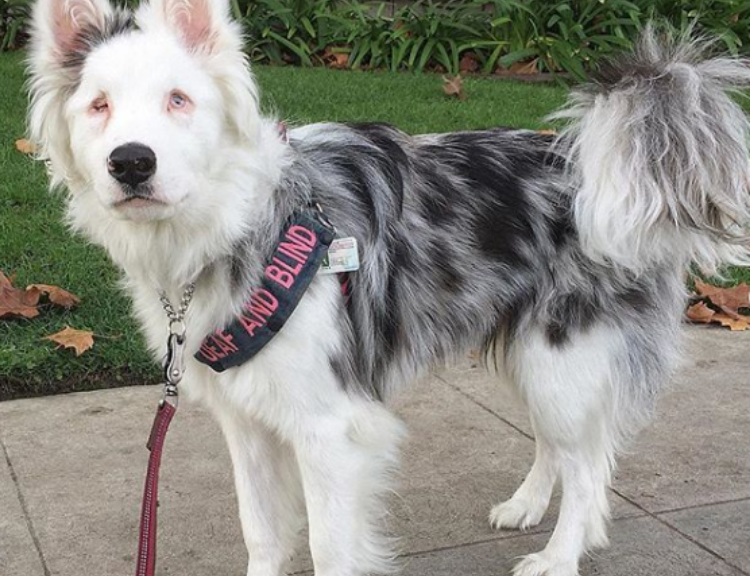
Choose a harness that fits snugly and comfortably. It gives you better control without hurting your dog. Use a leash with a soft handle for gentle guidance. Avoid retractable leashes; they can cause sudden pulls. Attach a tag with your contact info on the harness. This helps if your dog ever gets lost.
Navigating Indoor And Outdoor Spaces
Keep indoor areas clear of obstacles and sharp corners. Use rugs or mats to mark important spots like food and water bowls. Outdoors, walk your dog on a short leash near you. Stay on quiet paths to avoid loud noises or busy traffic. Introduce new places slowly and watch your dog’s body language.
Preventing Injuries
Check your home for hazards like loose wires or sharp objects. Block off stairs or use baby gates to prevent falls. Keep toxic plants and chemicals out of reach. Regularly trim your dog’s nails to avoid scratches. Always supervise your dog during playtime to stop rough behavior quickly.
Advanced Training Tips
Training a blind and deaf dog requires special care and patience. Advanced training helps deepen your dog’s understanding. These tips guide you through the next steps in training. They focus on clear communication and consistency. Your dog will learn new tasks with confidence. Keeping a routine builds comfort and trust. Professional help can offer new methods and support. These ideas improve your dog’s skills and happiness.
Introducing New Tasks Gradually
Start with simple tasks before moving to harder ones. Break tasks into small steps. Teach one step at a time. Use consistent hand signals or touch cues. Give your dog time to learn each step. Repeat the task many times each day. Watch your dog’s response closely. Stop if your dog seems confused or tired. Gradual learning prevents stress and builds success.
Maintaining Routine And Structure
Set a daily schedule for training and play. Use the same signals and touch cues every time. Keep training sessions short but frequent. A steady routine helps your dog feel safe. Dogs learn better when they expect what comes next. Avoid sudden changes in routine. Consistency helps your dog remember commands. Structure also reduces anxiety in blind and deaf dogs.
Seeking Professional Support
Find trainers who have experience with blind and deaf dogs. Professionals can show you new techniques. They can help solve training challenges. Some trainers use special tools and methods. A professional can watch your dog’s behavior closely. They offer advice that fits your dog’s needs. Don’t hesitate to ask for help. Support speeds up training and improves results.

Credit: www.youtube.com
Frequently Asked Questions
How Do You Communicate With A Blind And Deaf Dog?
Use touch signals like gentle taps and vibrations. Establish consistent routines to build trust. Use scent markers to help your dog navigate safely.
What Training Methods Work Best For Blind And Deaf Dogs?
Positive reinforcement with treats and touch works best. Use scent and tactile cues instead of verbal commands. Patience and consistency are crucial in training sessions.
How Can I Ensure Safety For A Blind And Deaf Dog?
Create a secure, obstacle-free environment. Use baby gates and scent markers to define safe areas. Supervise your dog closely during outdoor activities.
Can Blind And Deaf Dogs Learn New Tricks?
Yes, with patience and adapted methods, they can. Use touch and scent cues for teaching. Keep training sessions short and consistent for best results.
Conclusion
Training a blind and deaf dog takes patience and love. Use clear touch signals and consistent routines. Celebrate small wins to build trust and confidence. Stay calm and gentle during every training session. Your bond will grow stronger each day.
This journey teaches both you and your dog a lot. Remember, every dog learns at its own pace. Keep going, and enjoy the special connection you create together.


