

Training a security dog can feel like a big challenge, but it’s easier than you might think. Imagine having a loyal partner by your side, ready to protect your home or business at a moment’s notice.
You want your dog to be confident, alert, and well-behaved. This guide will show you simple, step-by-step methods to train your dog effectively. Keep reading, and you’ll discover how to turn your dog into a trusted protector who listens to you and keeps your property safe.
Choosing The Right Breed
Choosing the right breed is key to training a good security dog. The breed affects how the dog learns and works. Different breeds have different strengths and traits. Picking a breed that fits your needs saves time and effort. It makes training smoother and more effective.
Top Breeds For Security Work
German Shepherds are strong and smart. They learn commands fast and are brave. Belgian Malinois are quick and alert. They have great stamina for long work hours. Rottweilers are powerful and loyal. They protect their family with courage. Doberman Pinschers are fast and obedient. They watch and guard well. These breeds suit security tasks well.
Temperament And Trainability
A security dog must stay calm under pressure. It should not get scared or nervous. The dog must listen and follow orders. Some breeds are easier to train than others. Look for dogs that respond well to commands. A good security dog is confident but not aggressive without reason.
Health Considerations
Healthy dogs work better and last longer. Some breeds have common health problems. German Shepherds may have hip issues. Rottweilers can face joint problems. Check the dog’s health history before choosing. Regular vet visits keep the dog strong. A healthy dog learns and protects better.
Credit: worldanimalfoundation.org
Basic Obedience Training
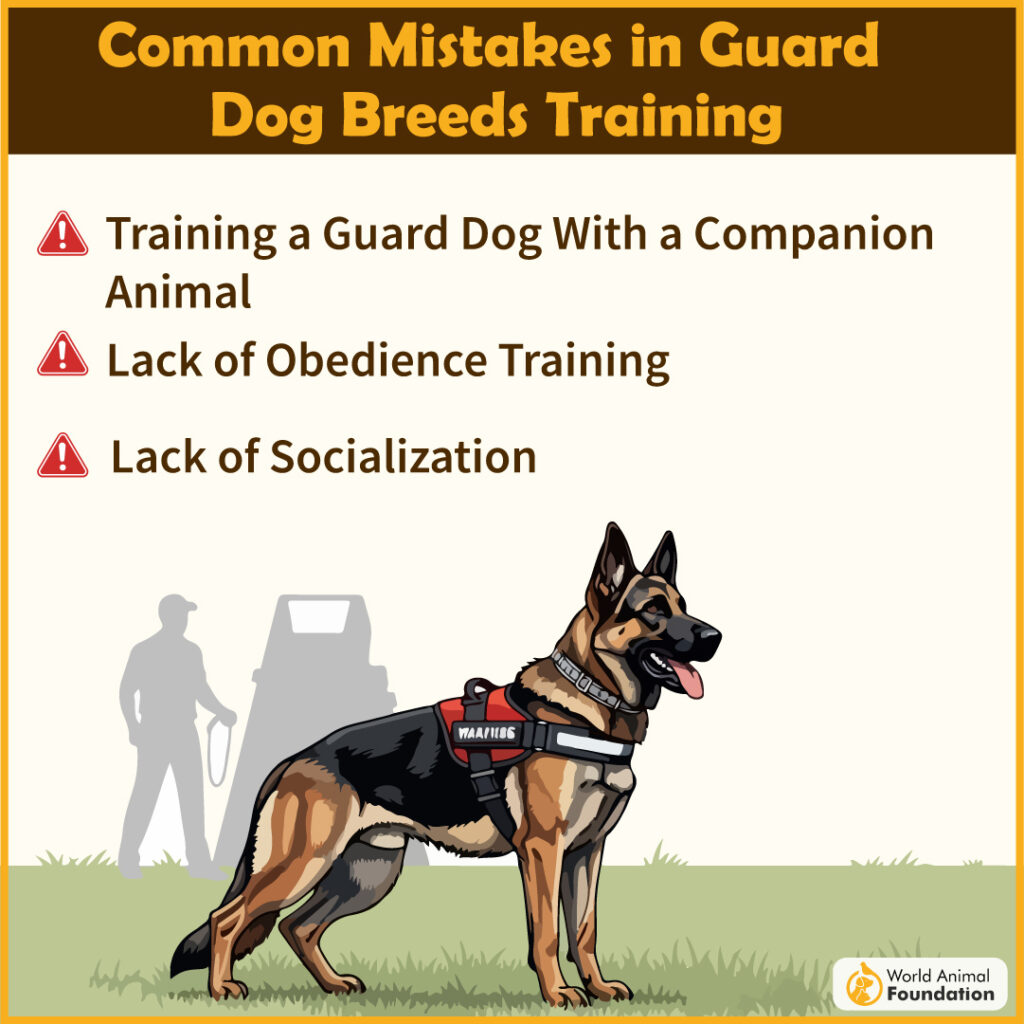
Basic obedience training forms the foundation for a well-behaved security dog. It teaches your dog how to listen and respond to commands. This training builds trust and control. Without it, advanced security skills become hard to teach. Focus on clear instructions and positive reinforcement. Training sessions should be short and frequent. This keeps your dog alert and eager to learn.
Essential Commands To Teach
Start with simple commands like “sit,” “stay,” and “come.” These commands help control your dog in different situations. Teach “heel” to keep your dog walking close. “Down” helps the dog stay calm and still. Use treats and praise for good behavior. Repeat commands often to make them stick. These basics prepare your dog for tougher tasks.
Building A Strong Bond
A strong bond makes training easier and more effective. Spend time playing and petting your dog. Show kindness and patience in every interaction. Your dog will trust you more and want to please you. Use your voice and body language to communicate clearly. A happy dog learns faster and works better as a security partner.
Consistency And Patience
Train regularly to keep commands fresh in your dog’s mind. Use the same words and gestures every time. This avoids confusion and builds understanding. Be patient with mistakes and repeat lessons calmly. Training takes time and effort from both sides. Consistent practice leads to steady progress and a reliable security dog.
Advanced Protection Skills
Advanced protection skills take security dog training to the next level. These skills help dogs react quickly and safely in real threats. Training focuses on control, precision, and clear communication between handler and dog.
Bite And Release Techniques
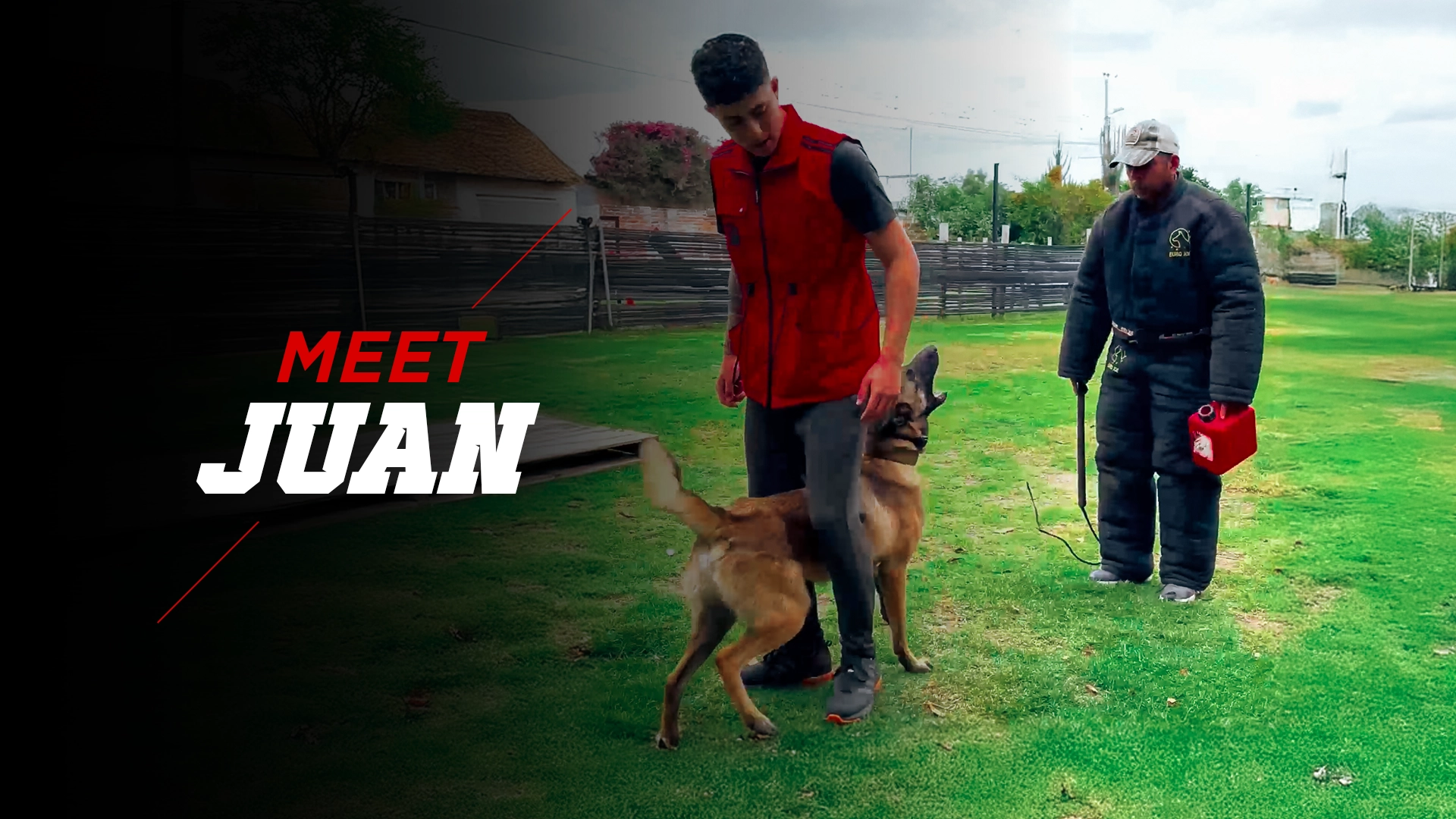
Teaching a dog when to bite and when to let go is crucial. Trainers use commands that tell the dog to attack only on order. The dog must release immediately when asked. This prevents unnecessary harm and keeps control in the handler’s hands. Practicing bite and release helps build trust and discipline.
Controlled Aggression Training
Dogs learn to show aggression only on command. This training stops the dog from being aggressive without reason. The dog practices staying calm but ready to act. Trainers use rewards to encourage control. Controlled aggression makes the dog a reliable protector, not a threat to others.
Search And Alert Commands
Security dogs need to find hidden people or objects. They learn special commands to search areas carefully. When the dog finds something, it alerts the handler with specific signals. These commands improve the dog’s ability to detect danger early. Search and alert skills make security teams stronger.
Credit: onlineuniversity.stsk9.com
Socialization And Environment Exposure
Socialization and environment exposure are key for training a security dog. These steps help the dog stay calm and focused in many situations. A well-socialized dog can tell the difference between normal and suspicious behavior. It learns to react properly without fear or aggression. Exposing your dog to various people, animals, and places builds confidence. This makes the dog ready for real security work.
Introducing New People And Animals
Introduce your dog to different people calmly and safely. Let the dog meet strangers, friends, and family often. Watch the dog’s reaction closely. Praise calm and friendly behavior. Also, expose your dog to other animals. Use controlled meetings with other dogs or pets. This reduces fear and aggression toward new animals. Regular social meetings help your dog stay balanced.
Handling Different Environments
Train your dog in many places. Try parks, busy streets, and quiet homes. Different sounds, smells, and sights prepare your dog for any situation. Move slowly to avoid stress. Let the dog explore new places with you. This builds trust and confidence. A dog comfortable in many environments works better as a security dog.
Reducing Unnecessary Aggression
Not all situations need a strong reaction. Teach your dog to stay calm around strangers and animals. Use positive training methods to reward calmness. Avoid harsh punishments that cause fear. A security dog should protect, not attack without cause. Clear commands and steady training reduce unwanted aggression. This keeps your dog safe and effective.
Safety And Legal Considerations
Training a security dog requires careful attention to safety and legal rules. These rules protect both the dog and people around it. Knowing and following these guidelines helps avoid problems and keeps training effective.
Local Laws And Regulations
Every area has its own laws about security dogs. Some places require special permits to own or train them. Check local rules before starting training. Some breeds might have restrictions or bans. Understand the legal limits to avoid fines or legal trouble.
Using Muzzles And Leashes
Muzzles and leashes control the dog during training. They keep others safe and prevent accidents. Use muzzles when the dog might bite or get aggressive. Always hold the leash firmly during training sessions. This helps maintain control and builds discipline in the dog.
Responsible Ownership
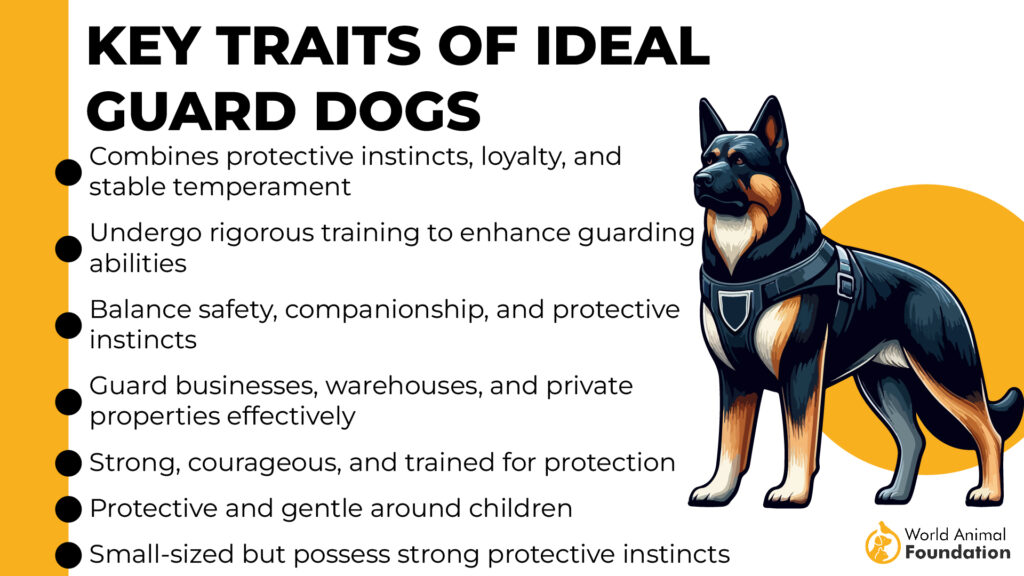
Owning a security dog means being responsible at all times. Provide regular exercise and proper care. Train the dog with patience and kindness. Never allow the dog to roam freely without supervision. Responsible owners ensure safety for the dog and the community.
Credit: worldanimalfoundation.org
Maintaining Training Over Time
Training a security dog is not a one-time task. It requires ongoing attention and care. Maintaining training over time keeps your dog sharp and reliable. Consistent effort builds trust and strong skills. This section covers key methods to keep training effective and your dog happy.
Regular Practice Sessions
Practice must happen often. Short, frequent sessions work best. They help your dog remember commands and skills. Training should fit into daily routines. This keeps learning natural and stress-free. Use the same commands every time. Reward good behavior quickly. It helps your dog understand what you want.
Adapting To Changing Needs
Security needs can change over time. Your dog’s training should change too. Update skills based on new challenges. Include different environments and distractions. This prepares your dog for real situations. Adjust training to your dog’s age and health. Older dogs need gentler, slower sessions. Keep training interesting to avoid boredom.
Recognizing Signs Of Stress
Watch your dog closely during training. Signs of stress include panting, yawning, or avoidance. These mean your dog feels overwhelmed. Stop and give your dog a break. Use calm, gentle tones to soothe. Never force your dog to continue. A relaxed dog learns better and faster.
Frequently Asked Questions
What Are The Best Breeds For Training Security Dogs?
Popular security dog breeds include German Shepherds, Belgian Malinois, and Rottweilers. These breeds are intelligent, loyal, and highly trainable, making them ideal for protection work.
How Long Does It Take To Train A Security Dog?
Training a security dog typically takes 6 to 12 months. It depends on the dog’s age, breed, and training consistency.
What Basic Commands Should A Security Dog Learn First?
Security dogs must learn commands like sit, stay, come, heel, and bark on command. These basics ensure control and safety.
Can I Train A Security Dog At Home?
Yes, basic obedience can start at home. However, professional training is recommended for advanced protection skills and socialization.
Conclusion
Training a security dog takes time, patience, and clear steps. Start with basic commands and build trust daily. Consistency helps your dog learn faster and stay focused. Reward good behavior to encourage obedience and confidence. Remember, safety depends on how well you train.
Keep sessions short and fun to avoid stress. A well-trained security dog protects and supports your home. Practice often and stay calm during training. You create a strong bond that helps your dog succeed. Training a security dog is a rewarding journey for both of you.


