

Have you ever watched your dog twitch, growl, or even seem to be chasing something while asleep? These strange behaviors during sleep could be signs of REM Sleep Behavior Disorder in dogs.
If you’ve noticed your furry friend acting out their dreams, it’s important to understand what’s happening and how it might affect their health and safety. You’ll discover the key signs, causes, and what you can do to help your dog rest peacefully again.
Keep reading to learn how to protect your beloved pet from this surprising sleep disorder.

Credit: www.sciencedirect.com
What Is Rem Sleep Behavior Disorder
REM Sleep Behavior Disorder (RBD) affects dogs during their sleep. It causes unusual movements and sounds while they dream. This disorder happens in the REM phase of sleep, when dreaming is most active.
Normally, muscles stay relaxed during REM sleep. This prevents dogs from acting out their dreams. In dogs with RBD, this muscle paralysis does not occur. They move, bark, growl, or even try to run while asleep.
What Happens During Rem Sleep Behavior Disorder?
During RBD, dogs lose muscle control. They may twitch, kick, or paddle their legs. Some dogs may bark or growl softly. Others might snap their jaws or bite the air. These actions match what they dream about.
How Does Rem Sleep Behavior Disorder Affect Dogs?
Dogs with RBD can hurt themselves or their owners. Sudden movements may cause falls or bumps. Sleep quality can suffer, leading to tiredness. The disorder may also indicate other health problems.
Signs To Watch For In Your Dog
Look for unusual movements during sleep. Vocal sounds like growling or barking might occur. Sudden jerks or limb movements are common. Notice if your dog appears restless or wakes suddenly.
Common Causes In Dogs
REM Sleep Behavior Disorder in dogs can have several causes. Understanding these helps in managing the condition better. Causes often relate to brain function, medications, or other health problems. Identifying the root cause is key to finding the right treatment.
Neurological Factors
Brain diseases can trigger REM Sleep Behavior Disorder in dogs. Conditions like epilepsy or brain tumors affect nerve signals. These changes disrupt normal sleep patterns. Aging also affects brain function and can lead to this disorder. Some dogs have inherited neurological issues causing sleep problems.
Medications And Toxins
Certain drugs may cause unusual sleep behavior in dogs. Medications for pain or seizures can have side effects. Exposure to toxins like pesticides might also affect the brain. These substances interfere with normal sleep cycles. Always check with a vet about medicines your dog takes.
Underlying Health Issues
Other illnesses can contribute to this sleep disorder. Problems like kidney disease or liver failure impact brain function. Hormonal imbalances may also play a role. Infections affecting the nervous system can cause sleep disturbances. Treating these health issues often improves sleep behavior.
Recognizing Symptoms
Recognizing symptoms of REM Sleep Behavior Disorder in dogs helps owners act fast. This disorder causes dogs to move and act out their dreams. Knowing the signs can protect your dog from injury and discomfort.
Physical Movements During Sleep
Dogs with this disorder often show unusual movements while sleeping. Their legs may twitch, kick, or paddle. Sometimes, they may even try to run or jump. These actions look like the dog is awake but cannot control their body.
Vocalizations And Sounds
Many dogs make noises during these episodes. Growling, barking, or whining may happen suddenly. These sounds can startle owners but come from the dream state. Listening closely helps notice if these sounds happen often during sleep.
Behavioral Changes
Dogs with REM Sleep Behavior Disorder may act differently during the day. They might seem tired or restless. Some dogs appear anxious or stressed without clear reasons. Watching for these changes helps understand their sleep problems better.
Credit: www.frontiersin.org
Diagnosing The Disorder
Diagnosing REM Sleep Behavior Disorder in dogs requires careful observation and medical tests. This disorder causes dogs to act out their dreams during the REM sleep phase. Identifying it early helps manage symptoms and improve your dog’s quality of life.
Veterinary Examination
The first step involves a detailed veterinary checkup. The vet will ask about your dog’s sleep habits and any unusual movements. A physical exam checks for other health issues that may cause similar behavior. Accurate history from the owner plays a key role in diagnosis.
Sleep Studies
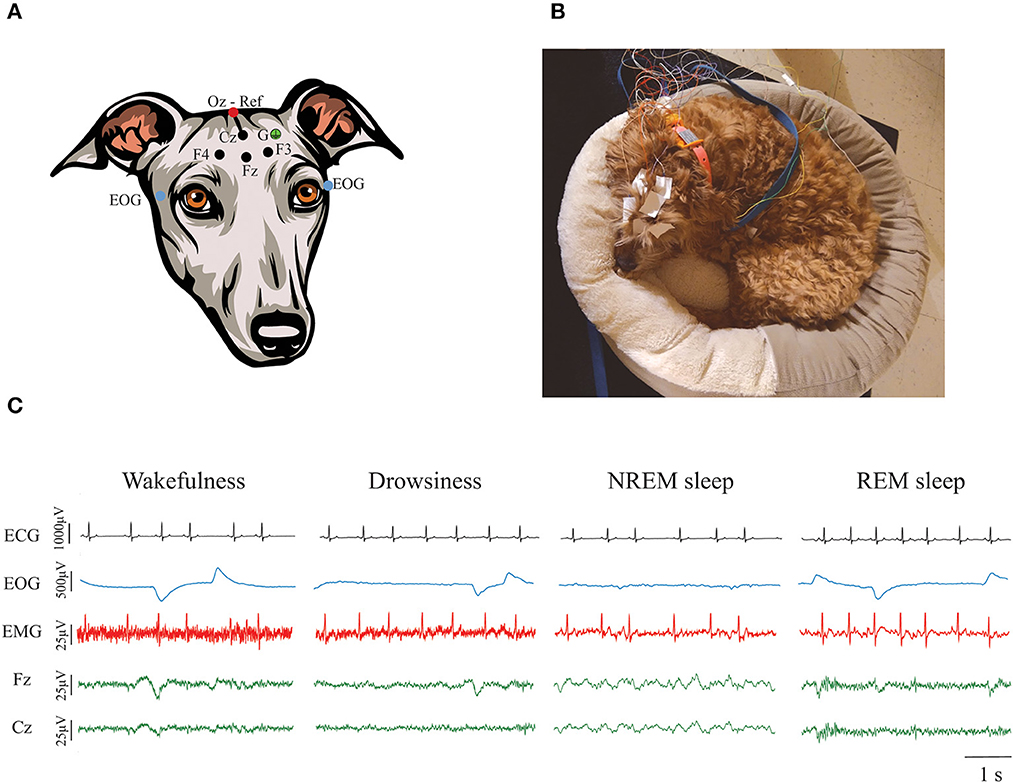
Sleep studies record your dog’s brain activity during sleep. This test shows if the dog moves during the REM phase. Polysomnography is the standard sleep study used. It measures brain waves, eye movement, and muscle activity. This helps confirm REM Sleep Behavior Disorder.
Differential Diagnosis
Other disorders can mimic REM Sleep Behavior Disorder. Seizures, pain, or anxiety can cause restless sleep. The vet rules out these conditions through tests and observations. Clear diagnosis ensures the right treatment plan for your dog.
Treatment Options
Treating REM Sleep Behavior Disorder (RBD) in dogs requires a careful plan. Different methods help manage symptoms and keep your dog safe during sleep. Treatment depends on the severity and your dog’s specific needs.
Medication Approaches
Veterinarians often use medicine to reduce RBD symptoms. Drugs like melatonin or clonazepam may calm the dog’s brain during sleep. These medications help limit sudden movements and vocal sounds. Your vet will decide the right dose and type based on your dog’s health.
Environmental Adjustments
Changing your dog’s sleeping area can prevent injuries. Soft bedding and a quiet, dark room help your dog relax. Remove sharp or hard objects near the bed. Safe space reduces risks from sudden movements during sleep. Consistent sleep routines also improve rest quality.
Behavioral Therapies
Training and calming exercises can support treatment. Gentle massage or soothing sounds may ease anxiety before sleep. Teaching your dog to settle down helps create a peaceful environment. These therapies work best combined with medicine and environment changes.

Credit: www.sciencedirect.com
Preventing Sleep Injuries
Preventing sleep injuries in dogs with REM Sleep Behavior Disorder is very important. Dogs may act out their dreams and move suddenly. This can cause them to fall or hit objects. Taking steps to keep your dog safe during sleep helps avoid harm. Creating a safe space and watching sleep habits are key parts of prevention.
Safe Sleeping Environment
Choose a quiet, calm place for your dog to sleep. Remove sharp or hard objects near their bed. Use soft bedding to cushion any sudden movements. Keep the sleeping area low to the ground to prevent falls. Barriers or pet gates can stop your dog from wandering into unsafe spots. A clear, cozy space reduces risks of injury during sleep.
Monitoring Sleep Patterns
Observe your dog’s sleep to notice unusual movements or sounds. Note the time and frequency of these behaviors. Keep a sleep diary to track any changes over days or weeks. Share this information with your vet for better care. Early detection helps manage the disorder and reduce injury risks. Regular checks help you act quickly if problems grow worse.
When To Seek Veterinary Help
Knowing when to seek veterinary help for your dog’s REM Sleep Behavior Disorder is very important. Early care can protect your dog from harm. It also helps find the right treatment fast.
Some signs show it’s time to visit the vet. Watch your dog’s sleep closely. Notice any sudden changes or unusual actions.
Signs Of Injury Or Harm
Injuries during sleep are a clear warning. Biting, scratching, or hitting objects can hurt your dog. Check for cuts, bruises, or limping after sleep. These need immediate veterinary attention.
Severe Or Frequent Episodes
Frequent or intense sleep movements can be a problem. If your dog thrashes every night or wakes up often, consult a vet. It may point to a serious sleep disorder or other health issues.
Changes In Behavior Or Alertness
Watch for changes during the day. Confusion, tiredness, or odd behavior can link to REM Sleep Behavior Disorder. A vet can check your dog’s brain and nervous system for problems.
Difficulty Breathing Or Other Health Issues
Breathing problems or signs of distress during sleep need urgent care. Snoring, gasping, or choking sounds are concerning. These symptoms can signal serious conditions that require treatment.
Impact On Quality Of Life
If sleep problems affect your dog’s daily life, seek help. Lack of rest can cause mood and energy issues. A vet can suggest ways to improve sleep and overall well-being.
Frequently Asked Questions
What Is Rem Sleep Behavior Disorder In Dogs?
REM Sleep Behavior Disorder causes dogs to act out dreams during REM sleep. It involves movements like twitching, barking, or running. This disrupts normal sleep and may indicate neurological issues or aging effects in dogs.
What Are Common Symptoms Of Rem Sleep Behavior Disorder?
Symptoms include vocalizations, sudden limb movements, and aggressive behaviors during sleep. Dogs may also appear confused or disoriented upon waking. These signs often occur during deep REM sleep phases.
How Is Rem Sleep Behavior Disorder Diagnosed In Dogs?
Veterinarians diagnose it through sleep observation and neurological exams. They may use video monitoring or EEG tests to detect abnormal sleep behaviors. Diagnosis helps rule out other conditions causing sleep disturbances.
Can Rem Sleep Behavior Disorder Be Treated In Dogs?
Treatment often includes medication to calm the nervous system and improve sleep quality. Managing stress and creating a safe sleep environment also helps. Early veterinary care improves outcomes and reduces risks of injury during episodes.
Conclusion
REM sleep behavior disorder in dogs needs your attention and care. Watching your dog’s sleep can reveal unusual movements or sounds. These signs may show discomfort or health issues. Early help from a vet can improve your dog’s quality of life.
Safe sleeping spaces keep your dog calm and protected. Understanding this disorder helps you support your pet better. Keep observing, caring, and acting when needed. Your dog depends on you for comfort and health. Small steps make a big difference in their well-being.


