

Are you wondering when it’s the right time to switch your furry friend from puppy food to adult dog food? Knowing the exact age to make this change can impact your dog’s health, energy, and happiness.
Feeding your dog the right food at the right time helps them grow strong and stay active. You’ll discover the key signs and age markers to guide you through this important transition. Keep reading to ensure you’re giving your dog the best nutrition at every stage of life.
Puppy Growth Stages
Puppy growth happens in clear stages. Each stage needs different care and food. Knowing these stages helps decide the right time for adult dog food.
Growth is fast and changes happen quickly. Puppies need food that supports their development. Their diet must match their age and size.
From Newborn To Weaning
Newborn puppies rely on their mother’s milk. It gives all the nutrition they need. During this time, puppies sleep and grow. They cannot eat solid food yet. Weaning starts around 3 to 4 weeks old. This stage helps puppies get ready for solid food.
Transition To Solid Food
At about 4 weeks, puppies begin trying soft food. This food is easy to chew and digest. Mixing wet food with water helps the process. Puppies eat small amounts many times a day. This stage lasts until 8 weeks old. It builds strong teeth and digestion.
Rapid Growth Phase
Between 8 and 16 weeks, puppies grow very fast. Their bones and muscles develop quickly. They need high-quality puppy food with more nutrients. Feeding adult food too soon can harm growth. Puppy food supports energy and healthy weight. After this phase, puppies prepare for adult food.
Credit: wellbeloved.com
When To Switch To Adult Food
Knowing the right time to switch your dog to adult food is important for their health. Puppies need special nutrients for growth. Adult dogs need a different balance of nutrients to stay healthy. Switching at the right time helps your dog stay active and strong. Watch your dog’s size and behavior to decide the best moment to change their diet.
Age Guidelines By Breed Size
Small breeds grow faster and mature earlier than large breeds. Most small dogs can switch to adult food at about 9 to 12 months. Medium breeds usually switch around 12 months. Large and giant breeds need more time. They often switch between 12 and 24 months. Size matters because larger dogs grow for longer. Follow these age guidelines to avoid nutritional problems.
Signs Your Dog Is Ready
Your puppy may show signs when ready for adult food. Their growth rate will slow down. They might be less active than before. Teeth will be fully grown and stronger. Your vet can check if your dog is ready. Weight gain will slow or stop. Your dog’s behavior and energy levels give good clues.
Risks Of Early Or Late Switching
Switching too early can cause nutrient shortages. Puppies need more protein and calories to grow. Adult food may not support this growth well. Switching too late can lead to obesity. Adult dogs eating puppy food get too many calories. This can cause joint and heart problems. Timely switching keeps your dog healthy and fit.
Choosing The Right Adult Food
Choosing the right adult food for your dog is important for their health. Adult dogs have different needs than puppies. The right food helps keep them active and strong. It supports their energy, digestion, and overall well-being. Understand what to look for in adult dog food to make the best choice.
Nutritional Needs Of Adult Dogs
Adult dogs need balanced nutrition. Protein helps build and repair muscles. Fat provides energy for daily activities. Carbohydrates support digestion and energy. Vitamins and minerals keep organs healthy. Avoid too many calories to prevent weight gain. Different breeds and sizes may need different amounts of nutrients.
Types Of Adult Dog Food
Dry kibble is common and easy to store. Wet food has more moisture, good for hydration. Semi-moist food offers convenience but may have more sugar. Raw or homemade diets can be an option with care. Choose the type that suits your dog’s health and taste.
Reading Food Labels
Check the first ingredients for quality sources like meat. Avoid foods with too many fillers like corn or wheat. Look for guaranteed analysis showing protein, fat, and fiber levels. Check for added vitamins and minerals. Avoid artificial colors, flavors, and preservatives. Always choose food approved by pet health experts.

Credit: www.reddit.com
Transitioning Your Dog’s Diet
Changing your dog’s diet from puppy food to adult food needs care and attention. This switch supports their growth and health as they age. A smooth transition helps avoid stomach problems and keeps your dog happy.
Gradual Food Changes
Start by mixing a small amount of adult food with puppy food. Over 7 to 10 days, increase the adult food portion. This slow change helps your dog’s stomach adjust without upset. Sudden changes can cause vomiting or diarrhea.
Monitoring For Digestive Issues
Watch your dog closely during the transition. Check for signs like loose stools, vomiting, or loss of appetite. If any problems appear, slow down the change or consult a vet. Healthy digestion is key to a successful diet switch.
Adjusting Portions And Feeding Frequency
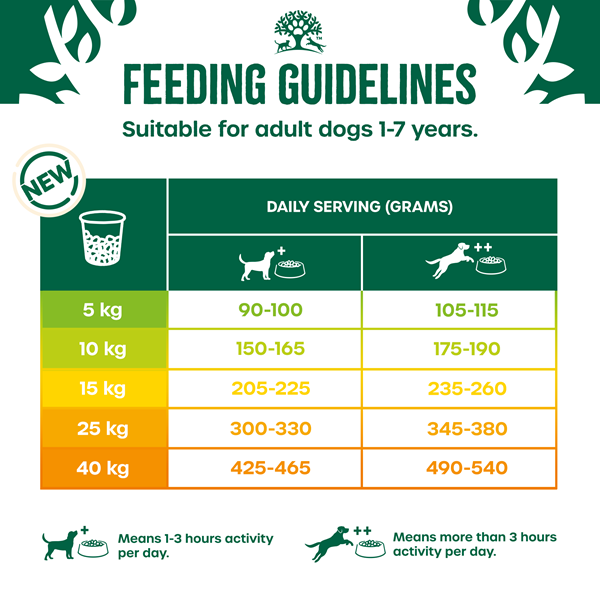
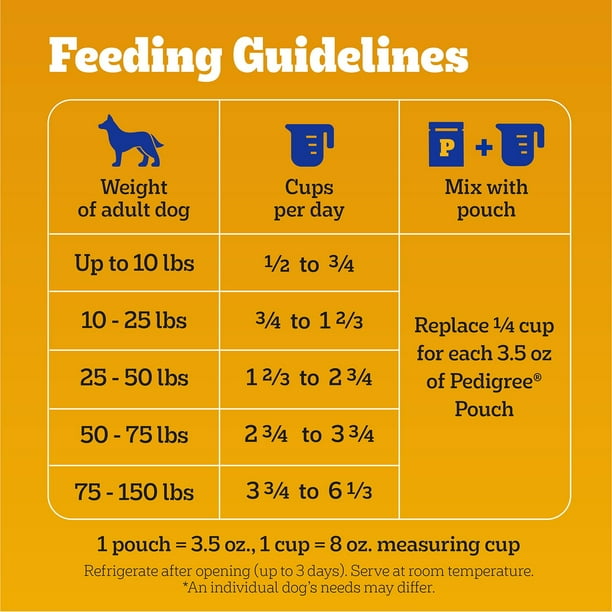
Adult dogs need different food amounts than puppies. Adjust the portions based on your dog’s weight and activity level. Feeding 2 times a day works well for most adult dogs. Keep the feeding schedule consistent to support digestion and routine.
Special Considerations
Feeding your dog adult food is not just about age. Several special factors can affect the right time and type of food. Understanding these helps keep your dog healthy and happy. Each dog is unique, and their diet should match their needs.
Small Vs. Large Breeds
Small and large dog breeds grow at different rates. Small breeds mature faster and may start adult food earlier, around 9 to 12 months. Large breeds take longer to grow and often need puppy food until 12 to 18 months. Adult food for large breeds usually has nutrients that support joint health and slow growth.
Health Conditions Affecting Diet
Some dogs have health problems that change their food needs. Dogs with allergies might need special hypoallergenic food. Dogs with kidney or liver issues require diets lower in certain nutrients. Always check with your vet before switching to adult food if your dog has health concerns.
Senior Dog Nutrition
Older dogs need different nutrition than adults. Senior dog food has fewer calories and more fiber. It helps maintain weight and supports digestion. Nutrients like glucosamine and omega-3 fatty acids help joint health. Feeding senior dogs the right food can improve their quality of life.
Consulting Your Veterinarian
Consulting your veterinarian is key when deciding the right age to feed your dog adult food. Each dog grows differently and has unique needs. Your vet can guide you based on your dog’s breed, size, and health. This advice helps ensure your dog stays healthy and happy as they grow.
Personalized Feeding Advice
Your vet knows your dog’s health history and growth pattern. They can suggest the best time to switch to adult food. This advice is tailored to your dog’s specific needs. It helps avoid feeding too early or too late, both of which can affect health.
Regular Health Check-ups
Regular visits to the vet help track your dog’s development. These check-ups show how your dog’s weight and energy levels change. The vet can adjust feeding plans based on these findings. This ensures your dog gets the right nutrients at every stage.
When To Seek Professional Help
Watch for signs like weight loss, poor coat, or low energy. These may mean your dog needs a feeding plan review. Contact your vet if your dog shows these signs. Early help can prevent health problems and keep your dog strong.
Credit: www.samsclub.com
Frequently Asked Questions
When Should I Switch My Puppy To Adult Dog Food?
Puppies typically switch to adult food between 12 to 18 months. Large breeds may need adult food later. Consult your vet for the best timing based on your dog’s breed and growth.
What Signs Indicate My Dog Needs Adult Food?
When your dog reaches full growth and has less energy, it’s time. Weight stabilization and slower growth indicate readiness for adult food. Always observe your dog’s behavior and health for cues.
Can Feeding Adult Food Too Early Harm My Puppy?
Yes, feeding adult food too early can cause nutrient imbalance. Puppies need more protein and calories for growth. Early switch may stunt growth or cause health issues.
How To Transition My Dog To Adult Food Smoothly?
Gradually mix adult food with puppy food over 7-10 days. Increase adult food amount daily while decreasing puppy food. This helps prevent digestive upset and ensures a smooth switch.
Conclusion
Feeding your dog adult food usually starts around one year old. This helps meet their changing nutritional needs. Watch your dog’s size and energy to decide the best time. Changing food slowly avoids stomach upset. Always choose quality dog food for healthy growth.
Consult your vet if unsure about the switch. Your dog will thank you with good health and happiness. Simple steps make feeding easy and safe. Keep your dog strong and active every day.


