

Are you wondering if it’s okay to feed your puppy adult dog food? You want the best for your furry friend, and choosing the right food is a big part of that.
But switching meals too soon or picking the wrong type can affect your puppy’s growth and health. You’ll discover what happens when puppies eat adult dog food and why the right nutrition matters so much. Keep reading to make sure your puppy gets the fuel they need to grow strong and happy.
Puppy Vs Adult Dog Food
Puppies and adult dogs have different needs when it comes to food. Their bodies grow and change at different rates. This means their diets must be suited to support their unique stages of life. Feeding a puppy adult dog food can cause problems. It may not give the right nutrients for healthy growth. Understanding the differences helps you make better food choices for your dog’s health.
Nutritional Needs Of Puppies
Puppies need extra nutrients to grow strong bones and muscles. They require more protein and fat than adult dogs. These nutrients help build tissues and support energy levels. Puppies also need certain vitamins and minerals in higher amounts. These support brain development and a strong immune system. Adult dog food often lacks these extra nutrients. This can slow a puppy’s growth and weaken their health.
Differences In Ingredients
Puppy food contains more high-quality proteins. It includes ingredients that promote healthy skin and coat. The fats in puppy food are designed to support brain growth. Adult dog food uses fewer fats and proteins. It focuses on maintaining weight and overall health. Ingredients in puppy food are softer and easier to chew. This helps puppies with their developing teeth and jaws. Adult dog food may be too hard and less digestible for puppies.
Caloric Requirements
Puppies burn more calories than adult dogs each day. Their energy needs are higher to support growth and play. Puppy food provides more calories in smaller portions. This meets their high energy demands without overfeeding. Adult dog food has fewer calories to prevent weight gain. Feeding adult food to puppies may leave them hungry or undernourished. Proper calories help puppies stay active and grow properly.

Credit: royalpetqa.com
Risks Of Feeding Adult Food To Puppies
Feeding adult dog food to puppies can cause serious health problems. Puppies have special needs that adult food does not meet. This section explains the risks of giving adult food to young dogs.
Potential Nutrient Deficiencies
Adult dog food lacks important nutrients for puppies. Puppies need more protein, fat, and certain vitamins. Missing these can slow their growth and harm their health. Adult food does not support a puppy’s strong immune system.
Impact On Growth And Development
Puppies grow fast and need extra nutrition. Adult food cannot keep up with their energy needs. Poor nutrition can lead to weak bones and muscles. It may cause long-term problems in their development.
Digestive Issues
Puppies have sensitive stomachs that need gentle food. Adult dog food can be hard to digest. This can cause upset stomach, diarrhea, or vomiting. Digestive problems make puppies feel uncomfortable and weak.
When Adult Dog Food Might Be Okay
Adult dog food is not usually the best choice for puppies. Puppies need extra nutrients for growth and energy. Yet, there are times when adult dog food can be okay for a young dog. Understanding these moments helps keep your puppy healthy and happy.
Short-term Feeding Situations
Sometimes, adult dog food can feed a puppy for a short time. For example, if puppy food is not available right away. Or during travel or emergencies. Short-term feeding with adult food is usually safe for a few days. Watch the puppy for any signs of stomach upset.
Consulting A Veterinarian
A vet can tell if adult dog food suits your puppy. Some puppies may have special health needs. Vets may recommend adult food with added supplements. Always ask a vet before making changes to your puppy’s diet. Their advice helps avoid nutrition problems.
Transitioning Between Foods
Switching from puppy food to adult food needs care. Gradual mixing helps the puppy’s stomach adjust. Start by adding a small amount of adult food. Increase the adult food over several days. This method reduces digestive issues and keeps the puppy comfortable.
Credit: www.acanapetfoods.co.uk
Choosing The Right Food For Your Puppy
Choosing the right food for your puppy is very important. Puppies need special nutrients to grow strong and healthy. Giving adult dog food might not meet those needs. Understanding what to look for in puppy food helps you make the best choice.
Reading Labels And Ingredients
Check the food label carefully. Look for “complete and balanced” for puppies. Ingredients like real meat, rice, and vegetables are good. Avoid foods with too many fillers or artificial additives. Protein should be one of the top ingredients.
Considering Breed And Size
Different breeds have different needs. Small breeds need smaller kibble and more calories. Large breeds need food that supports strong bones and joints. Choose food designed for your puppy’s breed size for best results.
Special Dietary Needs
Some puppies have allergies or health issues. They may need grain-free or hypoallergenic food. Talk to your vet if your puppy has special needs. Tailor the diet to keep your puppy happy and healthy.
Tips For Switching Puppy Food
Switching your puppy from puppy food to adult dog food needs care. A sudden change may upset their stomach. Follow simple tips to make the change smooth. This helps your puppy stay healthy and happy.
Gradual Transition Process
Start mixing a small amount of adult food with puppy food. Slowly increase the adult food over 7 to 10 days. This helps your puppy’s digestive system adjust. Avoid switching all at once to prevent diarrhea or vomiting.
Monitoring Puppy’s Health
Watch for any signs of discomfort or allergic reactions. Check for vomiting, diarrhea, or loss of appetite. Notice changes in energy and behavior. Contact your vet if you see any problems. Early action can keep your puppy safe.
Adjusting Portion Sizes
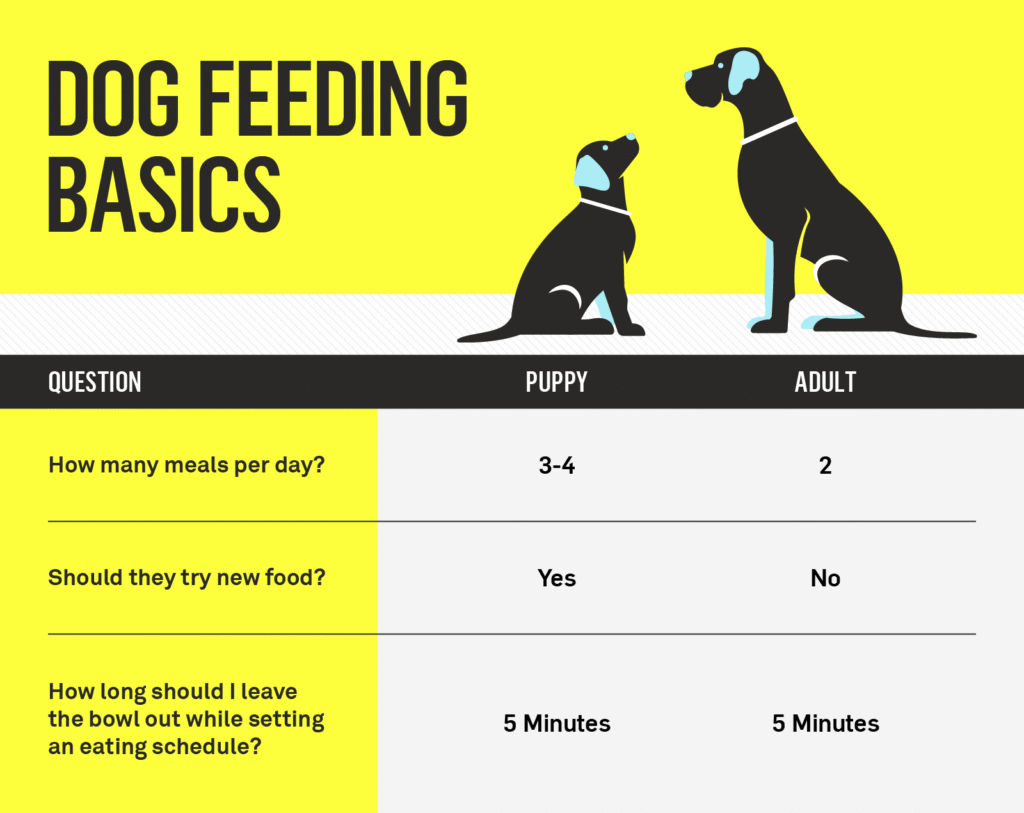
Puppies and adult dogs need different food amounts. Follow feeding guidelines on the adult food package. Adjust portions based on your puppy’s weight and activity. Avoid overfeeding to prevent obesity. Keep your puppy’s growth steady and healthy.
Credit: www.gallant.com
Frequently Asked Questions
Can Puppies Eat Adult Dog Food Safely?
Puppies should not eat adult dog food regularly. Adult food lacks essential nutrients puppies need for growth and development.
What Happens If A Puppy Eats Adult Dog Food?
Feeding puppies adult dog food may cause nutrient deficiencies. It can lead to poor growth and weakened immunity.
When Can Puppies Switch To Adult Dog Food?
Puppies can switch to adult food around 12 months. Consult your vet for the best time to transition.
Is Adult Dog Food Suitable For Large Breed Puppies?
Large breed puppies need special nutrition. Adult dog food lacks balanced calcium and phosphorus for their bone development.
Conclusion
Puppies need special food for their growth and health. Adult dog food lacks some nutrients puppies require. Feeding adult food too early can cause problems. Stick to puppy food until they grow older. Always check with your vet about diet changes.
Healthy food helps your puppy grow strong and happy. Careful feeding today means a better life tomorrow. Keep your puppy’s diet balanced and suitable for their age.


