

If your dog has just finished heartworm treatment, you’re probably wondering what’s next. How will your furry friend act?
What changes should you expect in their behavior? Understanding these signs can help you care for your dog better and ease any worries you have. You’ll discover what behaviors are normal, what might need extra attention, and how to support your dog through recovery.
Keep reading to learn how to help your pet feel their best after heartworm treatment.
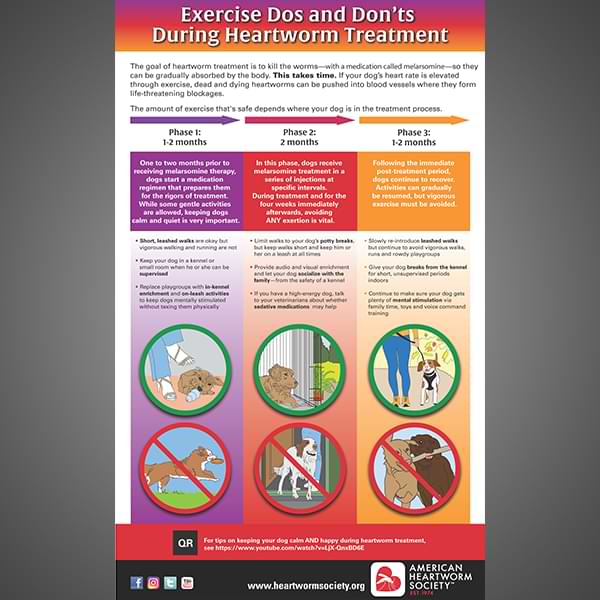
Credit: www.heartwormsociety.org
Symptoms After Treatment
After heartworm treatment, dogs may show different symptoms. These symptoms occur because the body reacts to the dying heartworms. Knowing these signs helps owners care for their pets better. Some symptoms are physical, while others affect behavior. Understanding how long these effects last is important for proper recovery.
Common Physical Signs
Dogs often have mild fever after treatment. Coughing is common due to lung irritation. Some dogs may have less energy and seem tired. Loss of appetite might occur for a few days. Swelling in legs or belly can show in some cases. Watch for any unusual bleeding or difficulty breathing.
Behavioral Changes
Changes in behavior often appear after treatment. Dogs may be quieter than usual. They might avoid playing or walking. Some dogs seem restless or anxious. They may seek more attention or hide. These changes usually reflect discomfort or pain. Patience and gentle care help dogs feel safe.
Duration Of Side Effects
Side effects usually last a few days to weeks. Most dogs improve within one to two weeks. Severe symptoms need quick vet attention. Follow all veterinary instructions to reduce risks. Rest and limited activity support healing. Regular check-ups track recovery progress well.

Credit: todaysveterinarypractice.com
Recovery Process
The recovery process after heartworm treatment is important for your dog’s health. It helps your dog heal and get stronger. Careful attention during this time can prevent problems and support full recovery. Understanding the stages of healing, activity limits, and how to watch your dog’s progress is key.
Stages Of Healing
Healing starts slowly after treatment ends. Your dog’s body fights the dead heartworms and repairs damage. At first, your dog may seem tired or weak. This is normal. Over days and weeks, energy will return. The lungs and heart begin to improve. Regular vet visits help track healing stages. Each dog heals at a different pace.
Activity Restrictions
Keeping your dog calm is very important. Exercise can cause serious problems. Avoid running, jumping, or playing hard. Short, slow leash walks are best. These walks help prevent blood clots and lung damage. Follow your vet’s advice on how much activity is safe. Gradually increase activity only when the vet agrees. Rest supports healing and reduces risks.
Monitoring Progress
Watch your dog every day for signs of trouble. Coughing, difficulty breathing, or weakness needs quick vet attention. Keep a daily log of symptoms and behavior changes. Regular checkups let your vet assess recovery and adjust care. Blood tests and X-rays may be needed. Early detection of problems leads to better outcomes. Your close observation helps your dog heal well.
Managing Discomfort
After heartworm treatment, dogs often feel uncomfortable. Managing this discomfort is key to a smooth recovery. Owners should watch their pets closely and help ease any pain or stress. Small steps make a big difference in comfort and healing.
Pain Relief Options
Dogs may experience soreness or swelling after treatment. Vets often suggest pain medication to help. Never give human medicine without vet advice. Follow the vet’s instructions carefully for dosage and timing. Some natural remedies might help, but only with vet approval. Pain relief improves your dog’s mood and activity level.
Calming Techniques
Stress can worsen discomfort in dogs. Create a quiet, safe space for your pet to rest. Gentle petting and soft voices soothe anxious dogs. Use calming aids like pheromone sprays or diffusers. Avoid loud noises and busy areas at home. Calm dogs recover faster and feel better.
Diet And Hydration
Good nutrition supports healing after heartworm treatment. Offer small, frequent meals of easy-to-digest food. Keep fresh water available at all times. Proper hydration helps flush toxins and reduces fatigue. Avoid treats or table scraps that upset the stomach. Healthy diet and water keep your dog strong and comfortable.
Preventing Complications
Preventing complications after heartworm treatment is key for your dog’s health. Careful monitoring helps catch problems early. This section guides you through simple steps to keep your dog safe during recovery.
Recognizing Warning Signs
Watch your dog closely for changes in behavior. Signs like coughing, difficulty breathing, or weakness need attention. Sudden loss of appetite or swelling in the belly can signal trouble. Keep a daily log of any unusual symptoms.
When To Contact A Vet
Call your vet if your dog shows severe coughing or labored breathing. Limping or sudden pain also requires immediate help. If your dog becomes very tired or stops eating, do not wait. Early vet visits can prevent serious issues.
Follow-up Care
Follow all vet instructions carefully after treatment. Give medications exactly as prescribed. Schedule follow-up visits to check your dog’s progress. Avoid vigorous exercise until the vet says it is safe. Rest helps your dog heal faster and stay strong.
Supporting Emotional Well-being
Supporting a dog’s emotional well-being after heartworm treatment is very important. The treatment can be tough and cause discomfort. Dogs may feel stressed or scared during recovery. Helping them feel safe and calm speeds healing. It also keeps their spirits high and promotes good behavior.
Reducing Stress
Stress can slow a dog’s recovery. Create a quiet, peaceful space for rest. Avoid loud noises and busy areas. Use soft bedding to make them comfortable. Speak gently and move slowly around your dog. Keep a regular routine to help them feel secure.
Providing Comfort
Comfort helps dogs heal faster. Offer warm blankets and cozy spots for naps. Massage gently to ease muscle tension. Give extra attention and calm petting. Monitor their pain and report any problems to the vet. Small comforts make a big difference.
Encouraging Positive Interaction
Positive interaction boosts a dog’s mood. Spend short, gentle playtimes to lift spirits. Use soft toys or treats for rewards. Avoid rough play that tires or stresses them. Talk kindly and show patience during recovery. These moments build trust and happiness.
Long-term Outlook
Heartworm treatment can be a tough journey for dogs and their owners. The long-term outlook depends on how well the dog recovers and the care provided after treatment. Understanding what to expect helps you support your dog’s health and happiness in the months and years ahead.
Expected Behavior Improvements
After treatment, many dogs show clear behavior changes. Energy levels often rise as heartworm symptoms fade. Dogs become more playful and alert. Breathing usually improves, allowing more comfortable activity. Some dogs may take weeks to fully bounce back. Patience is key during this recovery phase.
Ongoing Care Tips
Keep your dog calm and limit exercise for weeks after treatment. Follow your vet’s advice on medications and check-ups. Watch for signs of coughing or weakness. Balanced nutrition supports healing and overall health. Regular vet visits help catch any issues early. A stress-free environment aids recovery too.
Preventing Future Infections
Heartworm prevention is crucial after treatment. Use monthly preventatives recommended by your vet. Avoid mosquito-prone areas, especially at dawn and dusk. Regular testing ensures early detection if heartworms return. Staying consistent with prevention protects your dog for life. Prevention is easier than treatment.
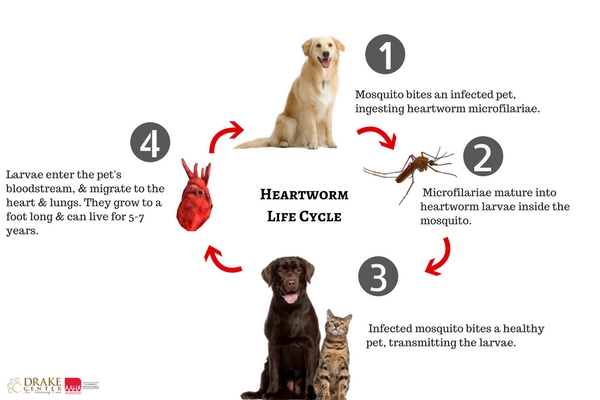
Credit: www.thedrakecenter.com
Frequently Asked Questions
How Does Heartworm Treatment Affect My Dog’s Behavior?
Heartworm treatment can cause temporary fatigue, lethargy, and reduced activity. Dogs may also experience mild discomfort or coughing. These effects are usually short-term and improve as treatment progresses. Monitoring your dog closely during treatment helps ensure a smooth recovery.
What Signs Indicate Complications After Heartworm Treatment?
Watch for persistent coughing, difficulty breathing, swelling, or unusual lethargy. These signs may indicate complications like inflammation or blocked arteries. Contact your vet immediately if these symptoms appear to prevent serious health issues and ensure your dog’s safety.
How Long Does Behavior Change Last Post-treatment?
Behavior changes typically last 1 to 3 weeks after treatment. Energy levels gradually return to normal as the heartworms die off. Consistent rest and follow-up care speed recovery and help restore your dog’s usual behavior.
Can Heartworm Treatment Cause Aggression Or Anxiety?
Heartworm treatment rarely causes aggression or anxiety directly. However, discomfort or stress during treatment may lead to temporary behavioral changes. Providing a calm environment and gentle care helps minimize stress and supports your dog’s emotional well-being.
Conclusion
Heartworm treatment can change your dog’s behavior for a while. You may see your dog feeling tired or less active. These changes are normal and part of healing. Keep your dog calm and follow the vet’s advice carefully. Watch for any unusual signs and contact your vet if needed.
Patience helps your dog get stronger every day. Soon, your dog will return to normal play and joy. Caring for your dog during this time makes all the difference.


