

Have you ever wondered why your dog acts a certain way? Understanding behavior in dogs is the key to building a stronger bond with your furry friend.
When you know what your dog’s actions mean, you can respond in ways that make both of you happier. You’ll discover simple insights into your dog’s behavior that can transform your daily life together. Keep reading to unlock the secrets behind your dog’s moods, reactions, and habits—so you can enjoy a deeper, more joyful connection.
Common Dog Behaviors
Dogs show many behaviors that tell us how they feel and what they want. Understanding common dog behaviors helps us care for them better. These behaviors include how dogs interact, communicate, and act on their instincts.
Social Interactions
Dogs enjoy being with others, both dogs and people. They play, sniff, and sometimes wrestle to build bonds. Socializing helps dogs feel safe and happy. They often follow leaders in their group. Friendly greetings include wagging tails and gentle body language.
Communication Methods
Dogs use sounds, body movements, and facial expressions to talk. Barking can mean warning, excitement, or attention seeking. Tail wagging shows mood but varies by speed and position. Ears and eyes also tell feelings. Growling warns of discomfort or fear. Learning these signs helps us understand dogs better.
Instinctual Actions
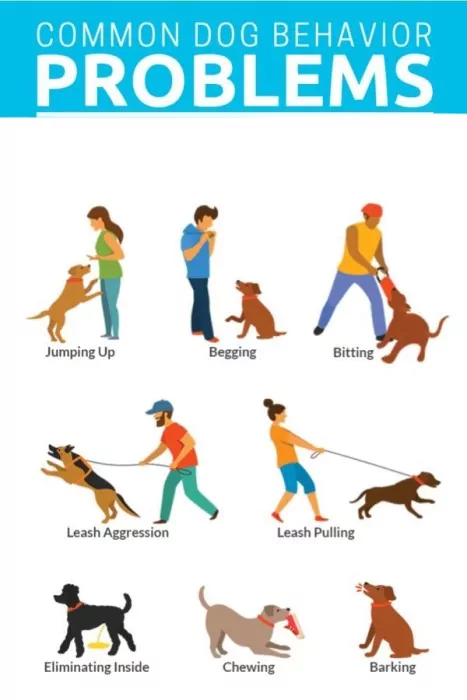
Many dog behaviors come from their wild ancestors. Digging, chewing, and chasing are natural instincts. Dogs mark territory by urinating. Hunting and retrieving come from their past roles. These actions are normal and need outlets. Providing toys and exercise reduces unwanted behavior.
Credit: suburban-k9.com
Factors Influencing Behavior
Dog behavior depends on many factors. Understanding these helps in caring and training dogs better. Each dog is unique, shaped by breed, surroundings, and health. These influences work together to form how a dog acts.
Breed Characteristics
Different dog breeds have distinct traits. Some breeds are more active and playful. Others may be calm and reserved. These traits come from their history and purpose. Knowing breed traits helps predict behavior patterns.
Working breeds often show high energy and alertness. Companion breeds tend to be gentle and social. Breed traits guide owners on proper care and training methods.
Environment Effects
Dogs adapt to their environment quickly. A busy city differs from a quiet home. Noise, space, and people affect dog behavior. Dogs in calm settings show less stress and anxiety.
Social interaction is crucial for healthy behavior. Isolation can lead to fear and aggression. Positive surroundings encourage trust and good manners.
Health And Age
Health issues change how dogs act. Pain or illness can cause irritability or withdrawal. Regular vet visits keep dogs healthy and happy.
Age also influences behavior. Puppies are curious and energetic. Older dogs may slow down and need more rest. Understanding health and age helps in better dog care.
Reading Canine Body Language
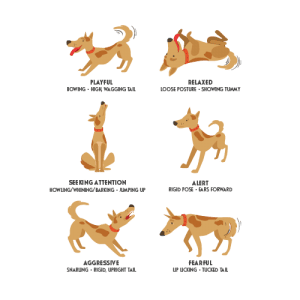
Understanding a dog’s body language helps you know what they feel. Dogs use their bodies to send clear messages. Observing these signs keeps you safe and builds trust.
Each movement or position shows a different mood. Paying attention to small changes shows their true feelings. Learn to read these signs for better communication.
Tail Movements
A wagging tail usually means a happy dog. Fast, wide wags show excitement or friendliness. Slow wagging can signal caution or uncertainty.
A stiff, raised tail may mean alertness or aggression. A low or tucked tail shows fear or submission. Notice the tail’s height and speed for clues.
Ear Positions
Forward ears indicate interest or curiosity. Ears pinned back often show fear or submission. Relaxed ears mean a calm and content dog.
Watch for quick ear movements. They show that the dog is paying close attention. Each ear position helps reveal what the dog feels.
Posture And Facial Expressions
A relaxed body and soft eyes mean the dog feels safe. A stiff posture and hard stare warn of possible aggression. Cowering or lowering the body shows fear or stress.
Raised lips or showing teeth are clear signs of warning. A yawning dog may feel tired or stressed. Notice how the dog’s whole body works together.

Credit: www.newsweek.com
Behavioral Challenges
Dogs sometimes show behaviors that can be hard to manage. These behaviors often cause stress for both the dog and the owner. Understanding common challenges can help solve problems early. It also helps keep your dog happy and safe.
Aggression Signs
Aggression in dogs can look like growling, snapping, or biting. Some dogs show stiff body posture or raised fur. Watch for direct staring or lunging at people or other animals. These signs mean your dog feels threatened or scared. Early attention helps prevent serious incidents.
Anxiety Symptoms
Anxiety shows in many ways. Dogs may bark or whine a lot. Pacing, trembling, or hiding are common signs too. Some dogs refuse to eat or seem restless. Separation anxiety is common and causes destruction or howling. Recognizing these symptoms helps you provide comfort and care.
Destructive Habits
Chewing furniture or digging holes are signs of boredom or stress. Dogs might chew shoes, pillows, or wires. This behavior can hurt your dog or damage your home. Destruction often starts when dogs feel lonely or under-exercised. Training and exercise reduce these habits effectively.
Training Techniques Based On Behavior
Training dogs based on their behavior helps build trust and understanding. Each dog reacts differently to situations. Trainers use specific methods that fit the dog’s natural responses. This approach makes learning easier and more effective for dogs. It also creates a stronger bond between the dog and owner.
Positive Reinforcement
Positive reinforcement rewards good behavior with treats or praise. Dogs learn faster when they get rewards. This method encourages dogs to repeat the right actions. It avoids fear and stress during training. Simple rewards help dogs feel happy and motivated.
Consistency And Routine
Dogs thrive with clear rules and routines. Consistent commands and schedules make training easier. Repeating the same cues helps dogs understand what is expected. A steady routine reduces confusion and stress. It helps dogs develop good habits over time.
Addressing Unwanted Behaviors
Unwanted behaviors need gentle correction. Ignoring bad habits can make them worse. Trainers use calm and firm responses to stop bad actions. Redirecting the dog’s attention helps change its focus. Clear limits teach dogs which behaviors are not allowed.
Building A Strong Bond
Building a strong bond with your dog creates a happy and healthy relationship. Dogs are social animals. They need connection and care from their owners. A close bond helps your dog feel safe and loved. It also makes training easier and life more enjoyable for both of you.
Trust Development
Trust forms the base of any good relationship with dogs. Be consistent in your actions and commands. Keep promises like feeding and walks on time. Avoid harsh punishments that confuse or scare your dog. Gentle handling and patience help dogs trust you deeply. Trust grows with time and positive experiences.
Effective Communication
Clear communication improves understanding between you and your dog. Use simple words and short commands. Speak in a calm and friendly tone. Dogs read body language better than words. Use gestures like pointing or hand signals. Watch your dog’s responses to learn their feelings. This two-way communication builds respect and harmony.
Regular Socialization
Socialization helps dogs feel comfortable around people and other animals. Introduce your dog to new places and faces often. Choose calm and safe environments for introductions. Positive social experiences reduce fear and aggression. Playdates with other dogs improve social skills. Regular socialization keeps your dog happy and well-adjusted.
Credit: petdesk.com
Frequently Asked Questions
What Causes Common Behavioral Problems In Dogs?
Behavioral problems in dogs often stem from fear, anxiety, poor socialization, or lack of training. Understanding triggers helps address issues effectively.
How Can I Improve My Dog’s Obedience And Behavior?
Consistent training, positive reinforcement, and regular exercise improve obedience. Early socialization also fosters good behavior and confidence in dogs.
Why Do Dogs Exhibit Aggressive Behavior?
Aggression can result from fear, territorial instincts, pain, or lack of socialization. Identifying the cause is crucial for proper management.
How Does Dog Behavior Change With Age?
Puppies are more playful and curious, while older dogs may become calmer or develop anxiety. Behavior evolves with maturity and health.
Conclusion
Dogs show many behaviors that tell us how they feel and think. Watching these signs helps build a strong bond with them. Training and patience guide dogs to behave well and stay happy. Understanding your dog’s actions makes life easier for both of you.
Enjoy the journey of learning together every day. Caring for a dog means knowing its habits and needs clearly. This knowledge creates trust and love that lasts forever.


