

If you have a loved one with autism, you know how important it is to create a safe and supportive environment. A service dog can be a life-changing companion, offering comfort, safety, and independence.
But how do you train a service dog to meet the unique needs of autism? You’ll discover simple, effective steps to guide your dog’s training. Whether you’re just starting or looking to improve your dog’s skills, this guide will help you build a strong bond and make a real difference in your daily life.
Keep reading to unlock the secrets of training a service dog that truly understands and supports your needs.
Credit: undivided.io
Choosing The Right Dog
Choosing the right dog is the first step in training a service dog for autism. The dog must fit the specific needs of the person it will assist. Picking a suitable dog improves training success and daily support.
Many factors affect this choice. Breed, temperament, age, and health all play key roles. Understanding these factors helps find the best companion for autism service work.
Best Breeds For Autism Service Dogs
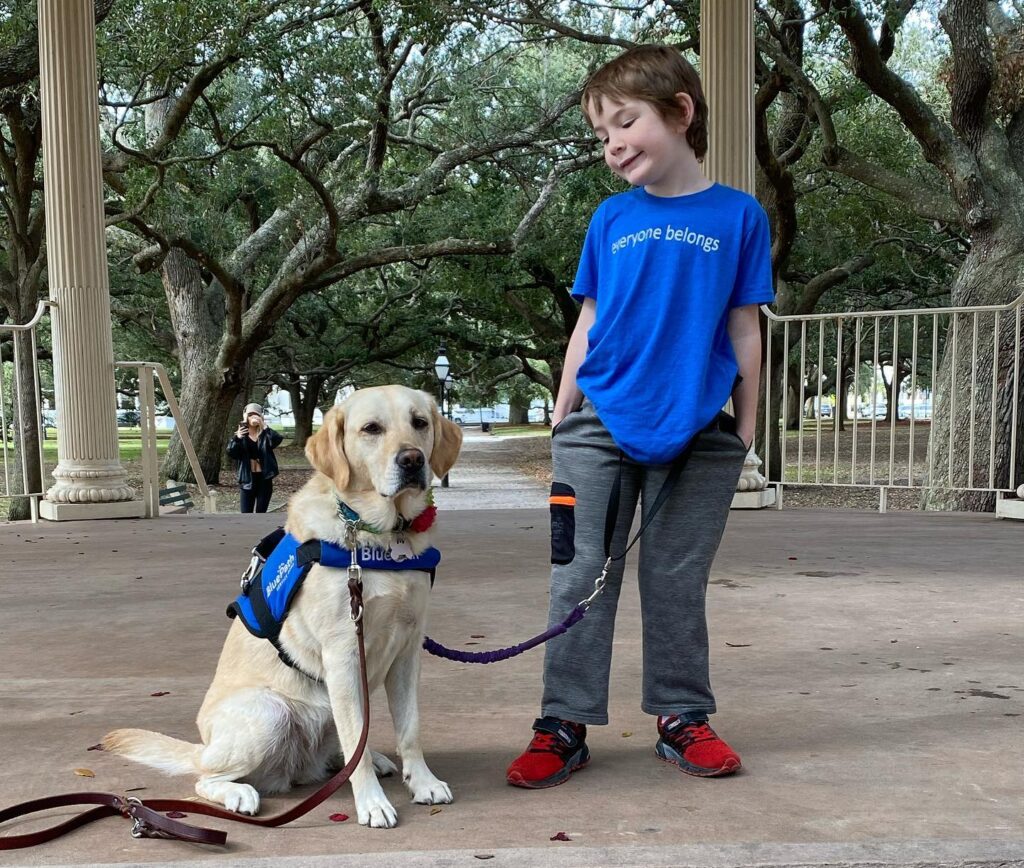
Some dog breeds are better suited for autism service work. Labrador Retrievers and Golden Retrievers are popular. They are gentle, smart, and easy to train.
Poodles also work well. They have a calm nature and do not shed much. This helps families with allergies.
Other good breeds include Border Collies and German Shepherds. They are alert and quick learners. These breeds respond well to commands and routines.
Assessing Temperament And Behavior
The dog’s temperament is very important. A calm and patient dog is best. It should stay focused and not get easily scared.
Look for a dog that enjoys being around people. It should not show signs of aggression or fear. The dog must be able to stay calm in busy places.
Testing the dog’s behavior in different situations helps. This shows if the dog can handle stress and distractions.
Age And Health Considerations
Young adult dogs work best for service training. They have energy but are mature enough to learn tasks. Puppies need more time and patience.
Check the dog’s health carefully. It must be free of diseases and genetic problems. A healthy dog can work longer and feel better.
Regular vet visits keep the dog in good shape. Good health supports the dog’s ability to assist daily.
Credit: bluepathservicedogs.org
Basic Obedience Training
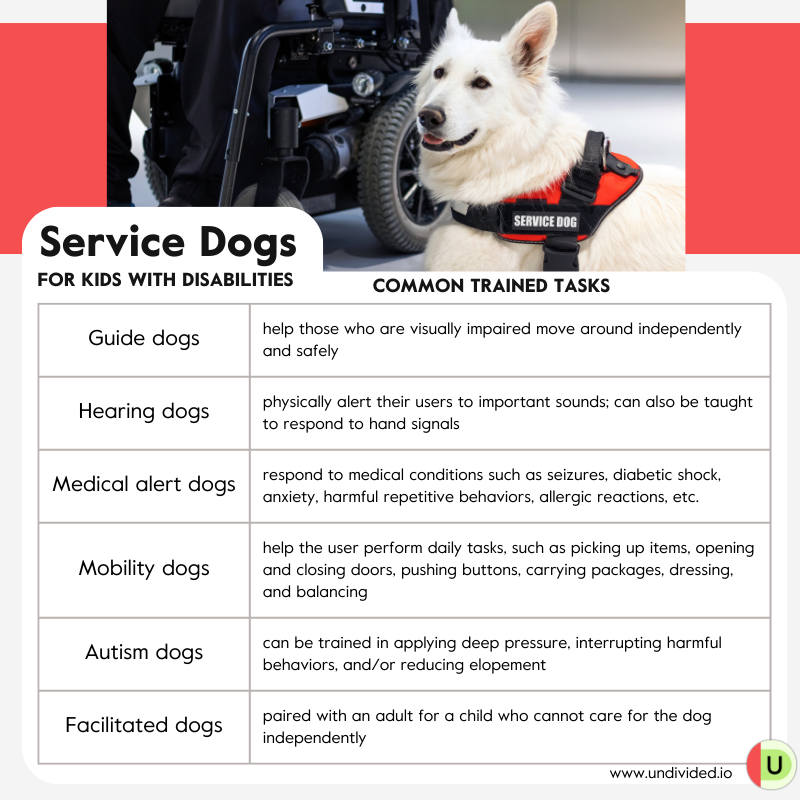
Basic obedience training forms the foundation for every service dog helping individuals with autism. This training teaches dogs to follow commands and behave calmly. It prepares them to assist safely and confidently in various situations.
Service dogs need clear guidance to understand their roles. Basic obedience ensures they respond well to their handler’s needs. It also builds trust and respect between the dog and the person.
Essential Commands To Teach
Start with simple commands like “sit,” “stay,” “come,” and “heel.” These commands help control the dog in public places. Teach “leave it” to prevent the dog from picking up unsafe objects. “Down” helps the dog stay calm and relaxed. These commands create a strong base for more advanced training later.
Building A Strong Bond
A strong bond makes training easier and more effective. Spend time playing and cuddling with the dog daily. Use positive reinforcement like treats and praise to encourage good behavior. The dog will feel safe and motivated to obey commands. Trust between the handler and dog improves their teamwork.
Consistency And Patience
Training takes time and regular practice. Use the same words and gestures for each command. Practice commands in different places and situations. Stay patient if the dog does not learn quickly. Keep training sessions short but frequent. Consistency helps the dog understand and remember commands better.
Specialized Autism Service Skills
Training a service dog for autism involves teaching special skills. These skills help the dog support a person with autism in daily life. The dog learns to respond to unique needs and challenges. This section explains important autism service skills.
Sensory Overload Assistance
Autistic people often face sensory overload from loud sounds or bright lights. A service dog can help calm them during these moments. The dog learns to notice signs of stress. It may nudge, lean, or apply gentle pressure to soothe the person. This helps reduce anxiety and creates a safe feeling.
Interrupting Meltdowns
Meltdowns can be intense and hard to control. Service dogs are trained to interrupt these episodes gently. They use actions like pawing or nudging to divert attention. This breaks the cycle of distress and helps the person regain control. The dog’s presence offers comfort and stability.
Providing Safety And Navigation
Safety is a top concern for many autistic individuals. Service dogs guide their handlers through busy or unfamiliar places. They help avoid dangers like traffic or obstacles. The dog also stays alert to sudden changes in behavior. This support increases independence and confidence.
Socialization And Public Access
Training a service dog for autism requires strong socialization skills and public access training. These skills help the dog stay calm and focused in busy places. Socialization teaches the dog to be comfortable around people, sounds, and different environments.
Public access training prepares the dog to behave well in public spaces. This ensures safety and support for the person with autism. The dog learns to respond calmly to distractions and follow commands in various settings.
Introducing To Various Environments
Start by taking the dog to quiet places. Gradually visit busier locations like parks or stores. Let the dog explore new sights, sounds, and smells. Keep the experiences positive and short at first. This builds the dog’s confidence and comfort outside the home.
Repeat visits help the dog adjust to different settings. Introduce the dog to crowds, traffic, and noise slowly. Allow the dog to observe and learn without pressure.
Handling Distractions
Train the dog to focus despite distractions. Use treats and praise to reward attention. Practice with noises like traffic, talking, or other dogs. Teach commands such as “look,” “stay,” and “heel.”
Work in different places to make the dog reliable everywhere. Controlled exposure helps the dog ignore distractions and follow orders. This skill keeps the dog and handler safe in public.
Encouraging Calm Behavior
Help the dog learn to stay calm in busy spots. Use gentle touch and soothing words to relax the dog. Teach the dog to sit or lie down quietly on cue.
Practice calm behavior during walks and errands. Reward the dog for staying composed and focused. Calm dogs provide better support and reduce stress for people with autism.
Maintaining Training Progress
Maintaining training progress is vital in helping a service dog support a person with autism. Consistent effort keeps the dog’s skills sharp and reliable. It also helps the dog stay confident in its tasks. Training is not a one-time event but a continuous process.
Regular Practice Sessions
Practice sessions should happen daily or several times a week. Short sessions work best to keep the dog focused. Use familiar commands and repeat important tasks. This repetition helps the dog remember and respond quickly. Practice in different places to build strong habits.
Monitoring Behavioral Changes
Watch for any changes in the dog’s behavior. Signs of stress or confusion may mean the dog needs a break. Look for improvements or setbacks in task performance. Keep notes to track progress over time. Early detection of problems helps fix them fast.
Adjusting Training As Needed
Training methods should change based on the dog’s progress. Add new tasks as the dog masters old ones. Simplify tasks if the dog struggles too much. Use positive reinforcement to encourage good behavior. Flexibility in training ensures the dog stays motivated and effective.
Credit: dogtrainingelite.com
Working With Professionals
Training a service dog for autism is a careful process. It requires skill, patience, and knowledge. Working with professionals helps ensure the dog learns the right tasks. Experts guide you through challenges and offer support. Their experience makes training smoother and more effective.
Consulting Trainers And Therapists
Professional trainers teach dogs specific skills for autism support. They know how to handle different dog behaviors. Therapists understand the unique needs of autistic individuals. Together, they create a training plan that fits your situation. Regular meetings with them keep progress on track.
Attending Training Classes
Training classes provide hands-on learning for both dog and handler. Classes focus on obedience, social skills, and special tasks. Trainers give feedback to improve techniques. Classes also allow practice in real-life environments. This helps the dog stay calm and focused.
Utilizing Support Groups
Support groups connect you with others training service dogs. Members share tips and personal experiences. They offer emotional support and practical advice. Groups can introduce you to local resources and trainers. Joining a group reduces feelings of isolation during training.
Legal Rights And Documentation
Training a service dog for autism involves more than teaching skills. Legal rights and proper documents protect both the handler and the dog. Understanding these rights helps avoid confusion in public places. Having the right paperwork makes access easier and smoother. Advocating for these rights ensures respect and support in the community.
Understanding Service Dog Laws
Service dog laws protect people with disabilities. The Americans with Disabilities Act (ADA) is the main law in the U.S. It allows service dogs to accompany their handlers everywhere. This includes stores, restaurants, and public transport. The law requires that the dog is trained to help with a disability. Handlers do not have to show proof of the disability. Businesses can only ask if the dog is a service animal and what tasks it performs.
Preparing Identification And Paperwork
Service dogs do not need official ID or certification by law. Still, some handlers choose to have identification for ease. A simple vest or harness can show the dog’s role. Medical documentation or a letter from a doctor can help. This paperwork supports the handler’s need for a service dog. Carry any documents safely to avoid losing them. Remember, fake papers can cause legal problems. Always use honest and accurate documents.
Advocating For Access Rights
Access rights can sometimes be challenged or misunderstood. Knowing your rights helps in these moments. Stay calm and explain the dog’s role clearly. Use documents if asked politely. If denied access, ask for a manager or higher authority. You can report discrimination to local disability offices. Joining support groups can provide advice and strength. Teaching others about service dogs also improves acceptance.
Frequently Asked Questions
What Skills Should A Service Dog For Autism Learn?
A service dog for autism should learn safety skills, sensory support, and calming behaviors. They help with social cues and prevent wandering. Training focuses on task-specific actions tailored to the individual’s needs, improving independence and safety.
How Long Does It Take To Train An Autism Service Dog?
Training an autism service dog typically takes 12 to 18 months. This period includes basic obedience, specialized tasks, and socialization. Consistent, positive reinforcement methods are used to ensure reliable and effective support for the handler.
Can Anyone Train Their Own Autism Service Dog?
While anyone can train a service dog, professional guidance is recommended. Training requires expertise to teach specific tasks and ensure public access compliance. Professional trainers help create well-behaved, reliable service dogs that meet legal standards.
What Tasks Can Autism Service Dogs Perform Daily?
Autism service dogs perform tasks like interrupting repetitive behaviors, providing deep pressure therapy, and alerting caregivers during meltdowns. They help with sensory overload and provide emotional support. These tasks enhance safety, comfort, and communication for the handler.
Conclusion
Training a service dog for autism takes time and patience. Consistent practice builds strong skills and trust. Each dog learns at its own pace. Focus on clear commands and positive rewards. This helps the dog understand its tasks well. A well-trained service dog can improve daily life.
It offers comfort and safety to those in need. Remember, the bond between handler and dog matters most. Keep training simple, kind, and steady. The effort you put in brings great rewards.


