

Have you ever wondered if your cat could behave more like a dog? Imagine your furry friend coming when you call, playing fetch, or even learning simple tricks.
It sounds surprising, right? But what if you could train your cat to be more interactive and responsive, just like a loyal dog? If you’ve been dreaming of a pet that combines the independence of a cat with the companionship of a dog, this article is for you.
Keep reading, and you’ll discover how far cat training can really go—and what it takes to get there.

Credit: www.pumpkin.care
Cat Vs Dog Behavior
Cats and dogs behave very differently. Their habits and ways of thinking shape how they act around people. Understanding these differences helps us see if cats can act like dogs.
Each animal has unique traits. These traits come from their history and nature. Knowing these helps explain why training a cat like a dog is a big challenge.
Natural Instincts
Dogs are pack animals. They follow a leader and work with others. Their instincts make them loyal and protective. Cats are hunters and mostly alone. They rely on stealth and quick moves. Their instincts focus on independence, not teamwork.
Social Tendencies
Dogs seek company and enjoy playing with people. They show feelings clearly, like happiness or fear. Cats prefer alone time and are more shy. They show love in smaller, subtle ways. This makes cats seem less social than dogs.
Trainability Differences
Dogs learn commands fast and obey rules well. They like to please their owners. Cats learn too but only if it suits them. Training cats needs patience and rewards. They do not follow orders like dogs do.
Basics Of Cat Training
Training a cat takes a different approach than training a dog. Cats think and behave differently. Understanding the basics helps build a good training routine. Patience and the right methods bring the best results.
Start with small steps. Cats learn best with clear signals and rewards. The goal is to make learning fun and stress-free.
Positive Reinforcement
Reward good behavior with treats or praise. This encourages cats to repeat the actions. Avoid punishment, as it causes fear and confusion. Use small, tasty treats for quick rewards. Positive reinforcement builds trust and eagerness to learn.
Consistency And Patience
Train cats at the same time every day. Short sessions work better than long ones. Repeat commands and rewards regularly. Patience is key; cats may take time to understand. Stay calm and gentle during training sessions.
Common Commands
Teach simple commands like “sit,” “come,” or “stay.” Use a clear, calm voice for each command. Pair words with hand signals to help cats understand. Reward immediately when the cat responds correctly. Keep commands short and easy to remember.
Mimicking Dog Traits
Cats and dogs are very different animals. Cats have their own ways of doing things. Still, some cat owners want their pets to act like dogs. Mimicking dog traits in cats can be fun and rewarding. It takes patience and the right approach. Some behaviors, like playing fetch or walking on a leash, can be taught. These actions help build a strong bond.
Training cats like dogs also helps them become more social. It can improve their confidence around people and other pets. The following sections explain how to teach cats some dog-like behaviors.
Teaching Fetch And Recall
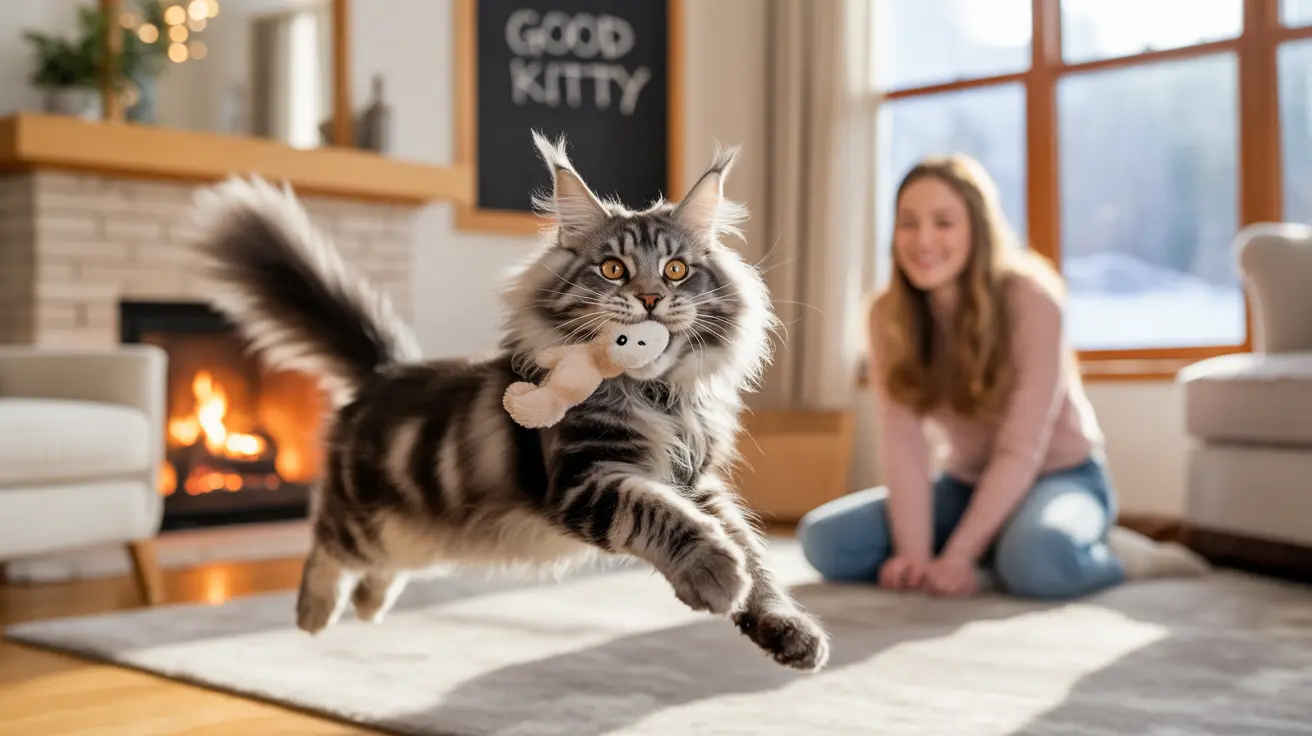
Fetch is a popular dog game. Some cats can learn to play fetch too. Start with small, lightweight toys that your cat likes. Throw the toy a short distance. Encourage your cat to bring it back by calling its name. Reward with treats or praise when your cat returns the toy. Repeat often to build the habit. Keep training sessions short and fun.
Recall means calling your cat to come to you. Use a special word or sound. Say the word clearly and calmly. When your cat comes, give a treat. Practice in quiet places first. Slowly add distractions as your cat improves. This skill helps keep your cat safe.
Leash Training Tips
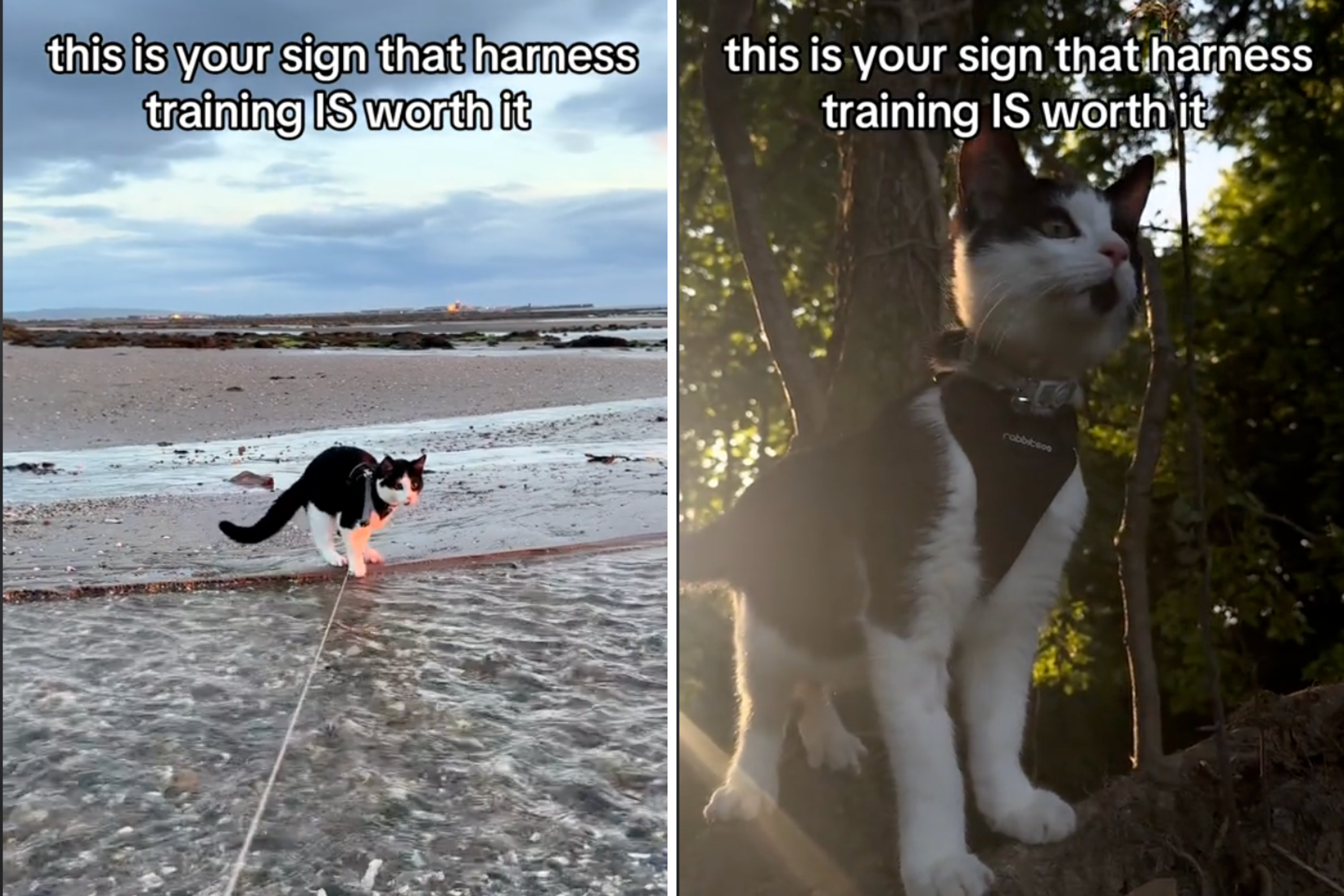
Leash training lets cats explore outside safely. Start by choosing a comfortable harness, not just a collar. Let your cat wear the harness indoors for short times. Give treats to create positive feelings. Attach the leash and let your cat drag it around. Next, gently hold the leash and follow your cat’s lead. Use treats to encourage walking beside you. Be patient; cats learn at their own pace. Stop if your cat seems stressed.
Encouraging Social Interaction
Dogs often enjoy social time with others. Some cats can learn to enjoy it too. Introduce new people slowly and calmly. Let your cat approach at its own speed. Use treats to reward friendly behavior. Play with toys to create positive experiences. Invite calm dogs over for careful meetings. Watch body language closely to avoid stress. Regular, gentle social exposure helps your cat feel more comfortable. Over time, your cat may become more outgoing and playful.
Credit: www.newsweek.com
Tools And Techniques
Training a cat to behave more like a dog requires the right tools and techniques. These help communicate clearly with your cat. Patience and consistency are key to success. Small rewards and positive signals make learning easier for cats. The right tools can turn training into a fun experience for both you and your pet.
Clicker Training
Clicker training uses a small device that makes a clicking sound. The sound marks the exact moment your cat does something right. This helps the cat understand what behavior you want. Over time, your cat connects the click with a reward. Clicker training is simple and effective for teaching tricks and commands.
Using Treats Effectively
Treats motivate cats to learn new behaviors. Use small, tasty treats that your cat loves. Give treats right after the desired action. This helps your cat connect the treat to the behavior. Avoid giving too many treats to keep your cat healthy. Treats should be part of a balanced training plan.
Interactive Toys
Interactive toys keep cats engaged and active during training. Toys that move or make noise attract your cat’s attention. These toys encourage play and exercise, which can improve learning. Use toys to reward good behavior or guide your cat. Interactive toys make training fun and help build trust.
Challenges To Expect
Training a cat to behave like a dog is a tough task. Cats and dogs have very different natures. Expect some challenges along the way. Knowing these challenges helps you prepare better. Patience and understanding are key to success.
Overcoming Independence
Cats are naturally independent animals. They like to make their own choices. Unlike dogs, cats do not respond quickly to commands. Training a cat requires more time and gentle effort. You must respect their need for freedom. Forcing a cat can cause resistance and fear.
Avoiding Stress
Cats get stressed easily during training. Loud noises and sudden movements scare them. Stress can make cats hide or act out. A calm and quiet environment works best. Use soft voices and gentle touches. Keep training sessions short and positive to reduce stress.
Adjusting Expectations
Cats will never act exactly like dogs. They have different instincts and behaviors. Expect small wins rather than big changes. Celebrate each new trick or habit learned. Training a cat is about bonding, not control. Patience and love go a long way.
Success Stories
Success stories show that cats can learn behaviors often seen in dogs. These stories inspire many cat owners to try training their pets. Cats can fetch, sit, and even walk on a leash. Such examples prove that cats can adapt and learn new skills.
Cats Trained Like Dogs
Some cats respond well to commands like “sit” and “stay.” Owners teach cats to come when called, similar to dogs. Training sessions use treats and patience. Cats enjoy the attention and rewards. This training builds trust between cats and humans.
Lessons From Experts
Animal trainers say consistency is key for success. Short, frequent sessions work best for cats. Using gentle encouragement helps cats stay interested. Experts recommend positive reinforcement only. Harsh methods scare cats and slow progress.
Inspiring Examples
One cat learned to walk on a leash daily. Another cat plays fetch like a dog in the park. Some cats even perform tricks for small audiences. These cats show patience and love make training possible. Each success story motivates other cat owners to try.
Credit: www.petscare.com
Frequently Asked Questions
Can Cats Learn Dog-like Behaviors?
Yes, cats can learn some dog-like behaviors through consistent training. They can respond to commands, walk on a leash, and play fetch. However, their natural instincts differ, so training requires patience and realistic expectations.
How Long Does It Take To Train A Cat?
Training a cat varies but usually takes weeks to months. Consistency, positive reinforcement, and short sessions help cats learn effectively. Patience is key, as cats have different learning speeds compared to dogs.
Can Cats Be Trained To Walk On A Leash?
Yes, many cats can be trained to walk on a leash. Start indoors using a harness, then gradually introduce outdoor walks. This training requires patience and positive rewards to build trust and comfort.
Are Cats As Loyal As Dogs?
Cats show loyalty differently than dogs. They may bond deeply but are more independent. Training can enhance their responsiveness, but their loyalty is often subtler and less overt than dogs.
Conclusion
Cats and dogs are different by nature. Training a cat like a dog takes patience and time. Cats may learn some dog-like behaviors but stay unique. Enjoy your cat’s special ways and personality. Training helps build trust and fun moments.
Remember, love and care matter most in any pet. Each pet brings joy in its own style. Keep realistic goals and celebrate small wins. Your cat can surprise you with new tricks. Stay patient, kind, and enjoy the journey together.

