

Have you ever wished your dog could perform a trick that’s both impressive and fun? Teaching your dog to play dead is a classic move that never fails to wow friends and family.
But more than just a neat party trick, it’s a great way to strengthen your bond and keep your dog mentally sharp. In this guide, you’ll discover simple, step-by-step methods to train your dog to play dead – even if you’ve never taught a trick before.
Ready to see your furry friend become the star of the show? Let’s get started!
Choosing The Right Environment
Choosing the right environment is key for teaching your dog to play dead. A good setting helps your dog focus and learn faster. It reduces stress and distractions. This makes training sessions more effective and enjoyable for both you and your pet.
Quiet And Comfortable Space
Select a quiet room with soft lighting. Avoid noisy places like busy streets or crowded parks. Your dog needs calm surroundings to concentrate on your commands. Use a comfortable mat or carpet for your dog to lie on. This helps your dog relax and stay still during training.
Minimizing Distractions
Remove toys, other pets, and loud noises from the area. Turn off the TV and close windows to block outside sounds. Keep the training space free from food or smells that may distract your dog. A focused dog learns the “play dead” trick more quickly and clearly.
Credit: www.centreofexcellence.com
Gathering Training Supplies
Before teaching your dog to play dead, gather the right supplies. These tools make training easier and more fun. Preparing ahead helps your dog learn faster. Focus on simple items that keep your dog’s attention and reward good behavior.
Treats And Rewards
Choose small, soft treats your dog loves. These treats should be easy to chew and swallow quickly. Use treats only during training sessions to keep them special. Rewards motivate your dog to follow commands and stay focused.
Besides treats, use praise and petting as rewards. Positive reinforcement builds trust and encourages your dog. Always reward immediately after the correct action. This helps your dog connect the behavior with the reward.
Clicker Or Marker
A clicker or marker word helps mark the exact moment your dog does the right thing. This tool makes communication clear and simple. Clickers produce a consistent sound that dogs learn to recognize quickly.
If you don’t have a clicker, use a word like “yes” or “good” as a marker. Say it in a happy tone to keep your dog excited. The marker tells your dog when to expect a treat, speeding up learning.
Teaching The Basic Commands
Teaching your dog the basic commands builds a strong foundation for tricks. These commands help your dog understand what you want. They make training easier and more fun. Start simple and be patient. Your dog learns best with clear and short instructions.
Sit And Stay
First, teach your dog to sit. Hold a treat close to its nose. Move the treat up slowly. Your dog will sit naturally. Say “sit” clearly as it does this. Give the treat and praise right away. Practice this several times a day.
Next, introduce the “stay” command. Ask your dog to sit first. Show your open hand and say “stay.” Step back slowly. If your dog stays, give a treat and praise. Increase the time and distance gradually. Stop if your dog moves.
Lying Down
After sit and stay, teach your dog to lie down. Start with your dog sitting. Hold a treat near its nose. Move the treat straight down to the floor. Your dog will follow and lie down. Say “down” as it lies. Reward with a treat and praise.
Practice the down command many times. Use short sessions to keep your dog interested. Reward calm and slow movements. This command prepares your dog for the “play dead” trick.
Introducing The Play Dead Command
Teaching your dog to play dead is a fun trick that builds trust and attention. First, introduce the play dead command clearly. Dogs respond well to clear instructions and consistent signals. Start by showing your dog what you want with simple gestures and words. This helps your dog understand the behavior you expect.
Using Hand Signals
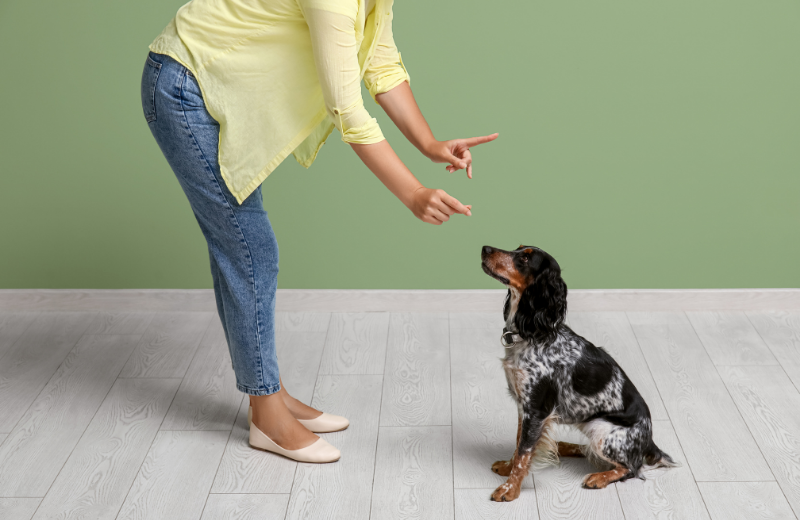
Hand signals give your dog visual clues. Most dogs learn faster by watching your movements. Start with a clear, simple gesture. For example, point your finger like a pretend gun. Move your hand slowly toward the ground. Repeat this gesture every time you say the command. Be consistent with the same hand signal each time. Your dog will soon link the gesture to playing dead.
Verbal Cues
Choose a short phrase for the play dead command. Use words like “Bang,” “Play Dead,” or “Sleep.” Speak in a calm, steady voice. Say the phrase just before or with your hand signal. Keep your tone friendly and encouraging. Repeat the verbal cue consistently. Your dog will learn to respond to your voice alone.
Step-by-step Training Process
Training a dog to play dead is a fun trick that many owners enjoy teaching. It takes patience and clear steps to help your dog understand what you want. Breaking the process into small parts makes learning easier for your dog. Follow these simple steps to guide your dog through this trick.
Luring Your Dog To Lie Down
Start by asking your dog to lie down. Use a treat to guide your dog’s head down to the floor. Hold the treat close to the ground so your dog follows it naturally. Praise your dog once it lies down. Repeat this step until your dog lies down on command without hesitation.
Guiding Into The Play Dead Position
With your dog lying down, hold the treat near its nose. Slowly move the treat to the side, encouraging your dog to roll onto its side. Move the treat in a smooth motion to help your dog follow. Once your dog rolls and lies still on its side, say “play dead” or your chosen command. Reward your dog immediately with the treat and praise.
Reinforcing The Behavior
Practice the trick regularly to reinforce the behavior. Use the command and hand signal every time before your dog plays dead. Give treats and praise to strengthen the connection. Keep training sessions short and positive. Gradually reduce treats as your dog learns to respond reliably. Consistency helps your dog remember and perform the trick well.

Credit: www.youtube.com
Common Challenges And Fixes
Training a dog to play dead can be fun but challenging. Some common problems might slow down your progress. Understanding these issues helps you fix them quickly. This section covers two frequent challenges and how to solve them effectively.
Lack Of Interest
Your dog may not care about the trick. Dogs need motivation to learn new actions. Try using tasty treats or favorite toys as rewards. Keep training sessions short and fun to hold attention. Change the environment to reduce distractions. Praise your dog with a happy voice and gentle petting. Patience is key. Some dogs take more time to get interested.
Inconsistent Responses
Sometimes your dog might not respond the same way every time. This confuses both you and your pet. Make sure you use the same command and hand signal each time. Practice in the same place before moving to new locations. Reward your dog only when they do the trick correctly. Avoid repeating the command too many times in a row. Consistency helps dogs learn faster and remember better.
Tips For Faster Learning
Training a dog to play dead can be fun and rewarding. Faster learning helps keep your dog interested. Use clear, simple methods to teach this trick. Consistency and patience make a big difference.
Short Training Sessions
Keep training sessions brief, about 5 to 10 minutes. Short sessions prevent your dog from getting tired. Frequent, short practices help your dog remember better. End each session on a positive note. This keeps your dog eager for the next time.
Positive Reinforcement
Use treats and praise to reward your dog. Rewards encourage your dog to repeat the behavior. Always reward immediately after your dog plays dead. This helps your dog connect the action with the reward. Positive feelings speed up learning and build trust.
:strip_icc()/dogs-and-fear-of-riding-in-cars-1117884-hero-fc760d89953a43ee8659fb5c9461b07d.JPG)
Credit: www.thesprucepets.com
Practicing The Trick In Different Settings
Practicing the trick in different settings helps your dog learn better. Dogs behave differently at home and outside. Training in many places builds your dog’s confidence. It also helps your dog obey no matter where you are. Start small, then try new places step by step.
At Home
Begin training in a quiet room with few distractions. Use treats and praise to guide your dog. Practice the “play dead” command several times each day. Keep sessions short and fun to hold your dog’s attention. Repeat the trick until your dog does it smoothly. Home is the best place to start learning.
Outdoors And Public Places
Try the trick in your backyard or park next. Outdoor spaces have many distractions. Sounds, smells, and people can make training hard. Stay calm and patient to keep your dog focused. Use a leash if needed to keep control. Reward your dog for trying, even if not perfect. Training outside prepares your dog for real-life situations.
Adding Variations To The Trick
Adding variations to the “play dead” trick keeps training fun for your dog. It also makes the trick more impressive to others. Changing the trick slightly helps your dog stay focused and eager to learn more. Variations let you build on the basic skill and make your dog’s performance unique.
Rolling Over After Playing Dead
Teach your dog to roll over after playing dead. Start by giving the “play dead” command. Once your dog lies still, use a treat to guide them into a roll. Move the treat from their side toward their back. Practice this step slowly until your dog understands.
Rolling over adds flair to the trick. It also builds your dog’s confidence in new commands. Use a clear signal to link playing dead with rolling over. Praise your dog each time they complete the sequence.
Playing Dead On Command
Train your dog to play dead with a clear command word. Choose a simple word like “bang” or “dead.” Say the command right before your dog lies down. Use a hand signal to help your dog connect the word to the action.
Be consistent with the command and signal. Practice often in short sessions to keep your dog interested. Reward your dog immediately after they play dead. This helps your dog learn the command faster and more reliably.
Frequently Asked Questions
How Long Does It Take To Train A Dog To Play Dead?
Training time varies but usually takes 1 to 2 weeks. Consistent daily practice and positive reinforcement speed up learning. Patience is key to successful training.
What Commands Help Teach A Dog To Play Dead?
Common commands include “play dead,” “bang,” or “drop. ” Use a clear, consistent verbal cue paired with a hand signal for best results.
Which Dog Breeds Learn To Play Dead Fastest?
Intelligent and eager-to-please breeds like Border Collies, Poodles, and Retrievers learn quickly. However, any breed can learn with patience and practice.
How Do I Reward My Dog During Play Dead Training?
Use small treats, praise, or petting as rewards. Immediate positive reinforcement helps your dog associate the trick with good outcomes.
Conclusion
Training your dog to play dead takes patience and practice. Keep sessions short and fun to hold your dog’s interest. Use clear commands and rewards to encourage good behavior. Celebrate small successes and stay consistent every day. This trick can build trust and deepen your bond.
Enjoy the process and watch your dog learn new skills. Practice often, and your dog will perform this trick confidently. Simple steps lead to great results with your furry friend.


