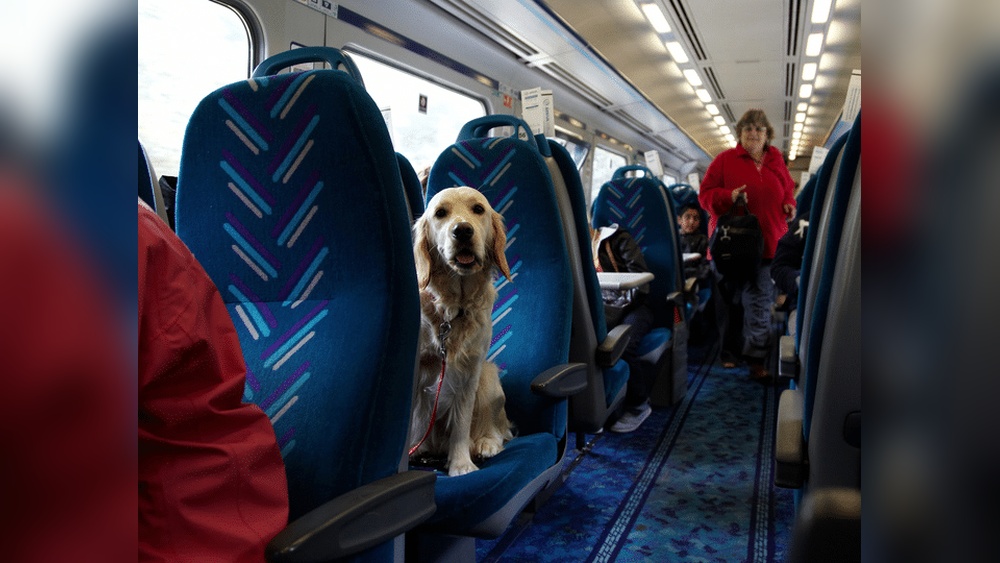
Have you ever noticed your dog lowering its head, avoiding eye contact, or licking its lips when you’re around? These subtle actions are more than just cute habits—they are signs of appeasement behavior.
Understanding why your dog acts this way can change how you communicate and build trust with your furry friend. You’ll discover what appeasement behavior means, why your dog uses it, and how recognizing these signals can improve your relationship. Keep reading, and you’ll unlock the secret language your dog is already speaking.
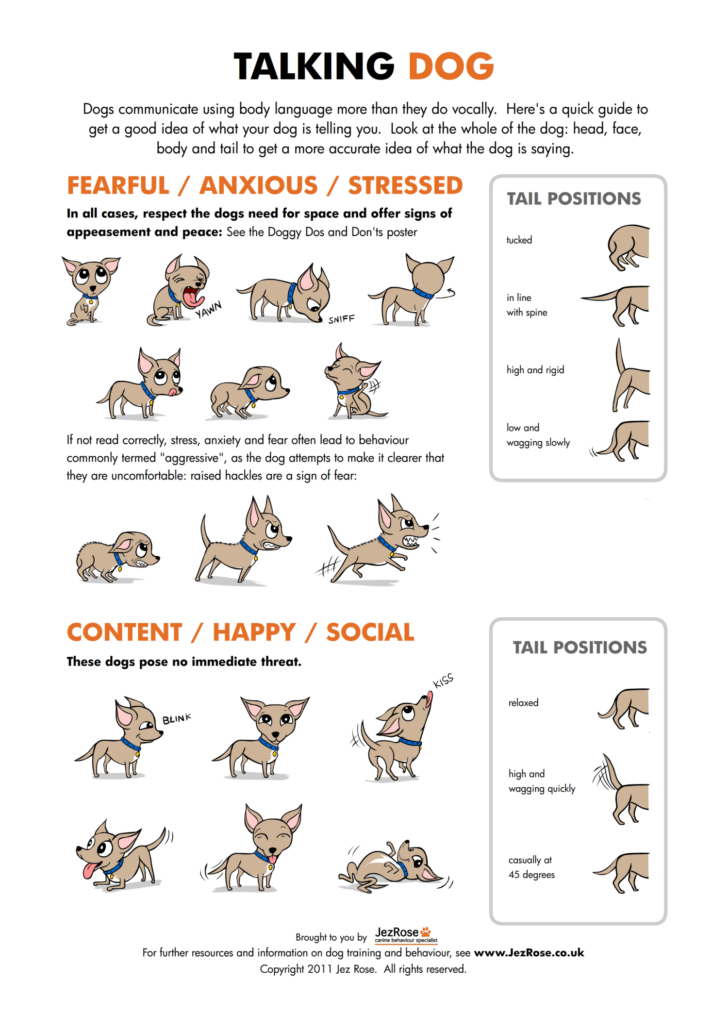
Credit: www.blueridgehumane.org
Appeasement Signals In Dogs
Dogs use appeasement signals to show they mean no harm. These signals help avoid fights and keep peace. Understanding these signals can improve your bond with your dog. It also helps you read their feelings better.
Common Signs To Watch
Dogs show appeasement in many ways. They might lower their head or turn away. Licking lips or yawning often means they feel uneasy. A soft, slow tail wag is another sign. Avoiding direct eye contact helps calm tense situations. These signs are subtle but important to notice.
Why Dogs Use Appeasement
Dogs want to keep good relationships with others. Appeasement signals stop conflicts before they start. It shows respect to more dominant dogs or people. These signals help dogs feel safe in groups. They also prevent fights and stress. Dogs learn these behaviors from early life.
Differences Between Fear And Submission
Fear and submission may look similar but are not the same. Fear shows when a dog feels scared or threatened. Submission is about showing respect and peace. A fearful dog might tremble or hide. A submissive dog stays calm and avoids conflict. Knowing this helps you respond correctly to your dog’s needs.
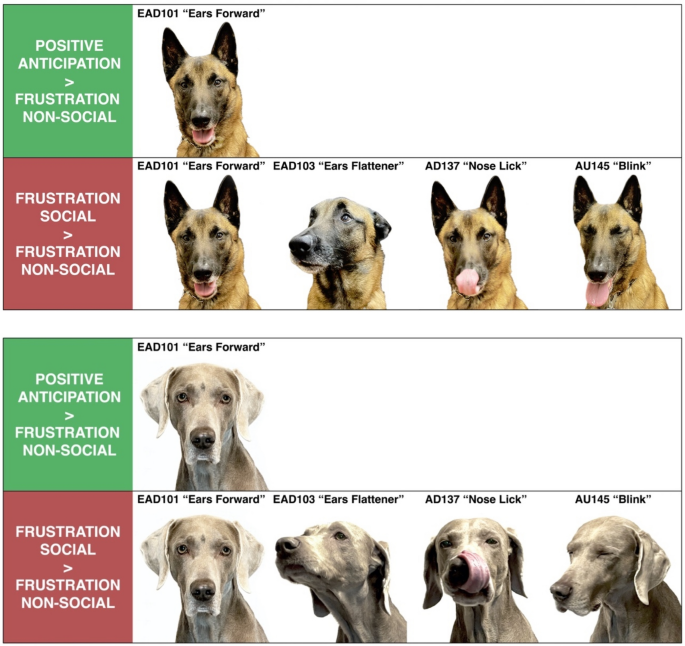
Credit: www.nature.com
Reading Your Dog’s Body Language
Reading your dog’s body language helps you understand their feelings. Dogs use many signals to show if they feel safe, scared, or calm. Watching these signs can improve your bond and help avoid stress. Focus on tail movements, facial expressions, and posture to know what your dog wants to say.
Tail Movements And Positions
A dog’s tail shows many emotions. A low or tucked tail often means fear or submission. A slow wag can be a sign of uncertainty or appeasement. A high, stiff tail may indicate alertness or confidence. Watch how your dog moves their tail to guess their mood.
Facial Expressions And Eye Contact
Dogs use their faces to communicate clearly. Soft eyes and relaxed ears mean comfort. Avoiding direct eye contact can show respect or fear. A dog that licks their lips or yawns might be feeling nervous. Notice these small signs to understand your dog better.
Posture And Movement
Body posture gives clues about your dog’s state. A crouched body or lowered head suggests submission. Moving slowly or turning away can signal appeasement. Playful dogs often bounce with loose, relaxed movements. Pay attention to how your dog stands and moves around you.
Causes Of Appeasement Behavior
Appeasement behavior in dogs is a way they try to stay safe and peaceful. This behavior shows respect or submission to avoid conflicts. Understanding what causes this behavior helps owners respond kindly and wisely. Several factors make dogs act this way.
These causes come from their nature, feelings, and past events. Each dog may show appeasement for different reasons. Knowing these reasons helps us care for dogs better and build trust with them.
Social Hierarchy And Pack Instincts
Dogs live by rules inside their group or family. They learn who is the leader and who follows. Appeasement helps lower-ranking dogs keep peace with stronger dogs. It stops fights and keeps the group calm. This instinct is part of their wild roots.
Stress And Anxiety Triggers
Stress makes dogs feel unsafe or scared. Loud noises, strange places, or new people can cause stress. Dogs use appeasement to show they mean no harm. It helps calm themselves and others around. This behavior lowers tension and stops trouble.
Past Experiences And Training
Dogs learn from what happens to them. Bad experiences or harsh training can make dogs more likely to show appeasement. They try to avoid punishment or anger. Gentle training and good care help dogs feel safe. This reduces their need to act submissive.

Credit: www.sciencedirect.com
Impact Of Appeasement On Training
Understanding how appeasement behavior affects dog training is key for success. Dogs use these signals to show they want to avoid conflict. Trainers need to recognize these signs to guide training sessions better.
Appeasement can change how a dog responds to commands. It may slow learning if the dog feels stressed. Trainers must notice when a dog uses these behaviors and adjust their approach.
Challenges In Communication
Appeasement behaviors can make communication tricky. Dogs may avoid eye contact or look away. This can seem like ignoring commands. Trainers might think the dog is disobedient but it is actually showing submission.
Clear communication is harder when a dog uses appeasement signals. Trainers must learn to read subtle body language. This helps avoid confusion during training.
Misinterpretation Of Signals
Appeasement behaviors can be misunderstood easily. A dog lowering its head might seem scared or shy. Trainers might mistake this as lack of confidence. This can lead to wrong training methods.
Recognizing these signs correctly helps trainers avoid negative feedback. Positive training builds better results and keeps dogs calm.
Building Trust With Your Dog
Trust is the foundation of effective dog training. When dogs show appeasement, they seek safety and peace. Responding gently helps build that trust.
Using calm voices and soft touch reassures dogs. This reduces their need to show appeasement. Trust creates a stronger bond and improves training outcomes.
Effective Training Techniques
Training a dog that shows appeasement behavior needs patience and care. Using the right techniques helps your dog feel safe and build trust. Training should focus on kindness, clear signals, and positive steps. Avoid harsh methods. These can make fear or stress worse. Effective training helps your dog grow confident and calm.
Positive Reinforcement Strategies
Reward good behavior with treats, praise, or play. This teaches your dog what you want. Use small rewards often. Timing is key. Give rewards immediately after good actions. This helps dogs understand what they did right. Avoid punishment. It can increase fear and confusion. Positive reinforcement builds a strong bond between you and your dog.
Encouraging Confident Behavior
Create safe chances for your dog to explore. Let your dog meet new people and animals slowly. Praise your dog for brave steps, even small ones. Use calm voices and gentle touch. Confidence grows with repeated positive experiences. Keep training sessions short and fun. This stops your dog from feeling overwhelmed. A confident dog is less likely to show appeasement signals.
Handling Fear-based Responses
Recognize signs of fear like cowering or avoiding eye contact. Stay calm and avoid forcing your dog into scary situations. Use a quiet voice and soothing words. Offer treats to help your dog relax. Give your dog space if needed. Slowly introduce new things at a pace your dog can handle. Patience helps reduce fear and builds trust.
Creating A Supportive Environment
Creating a supportive environment helps dogs feel safe and calm. This is important for dogs showing appeasement behavior. They often try to avoid conflict and seek peace. A good environment lowers their stress and builds trust.
Small changes in daily life can make a big difference. Clear rules and gentle care help dogs relax. Let’s explore how to set up this kind of space.
Consistent Routine And Boundaries
Dogs thrive on routine. Feeding, walking, and playtime at the same time help them feel secure. Predictable schedules reduce anxiety and confusion.
Clear boundaries teach dogs what is okay and what is not. Use simple commands and stay calm. Consistency helps dogs understand and follow rules easily.
Safe Spaces And Comfort Zones
Create quiet spots for your dog to rest. Use a crate or a soft bed in a low-traffic area. These safe spaces give dogs a place to escape stress.
Comfort zones help dogs calm down when they feel overwhelmed. Add familiar blankets or toys to make it cozy. Respect their need for time alone.
Socialization Tips
Introduce new people and dogs slowly. Watch your dog’s body language to avoid stress. Short, positive meetings build confidence.
Encourage gentle play and praise calm behavior. Avoid forcing interactions. Socialization helps reduce fear and supports healthy relationships.
When To Seek Professional Help
Recognizing when to get professional help for your dog’s appeasement behavior is important. Sometimes, this behavior shows deeper issues that need expert care. Early support can improve your dog’s well-being and your relationship.
Identifying Problematic Behavior
Not all appeasement actions are harmful. Yet, signs like constant cowering, trembling, or avoiding all contact may signal trouble. If your dog seems fearful all the time, or shows stress in many situations, it may need help. Sudden changes in behavior or aggression alongside appeasement also suggest a problem.
Choosing The Right Trainer Or Behaviorist
Select a professional with experience in dog behavior and fear-based issues. Look for certified trainers or certified animal behaviorists. They use positive methods and understand how to reduce stress in dogs. Avoid trainers who rely on punishment or harsh corrections. A good expert will explain the process and involve you in the training.
Therapies And Interventions
Behavior therapy often includes desensitization and counter-conditioning. These methods help your dog feel safe and build confidence. Sometimes, calming aids like pressure wraps or pheromone diffusers support therapy. In severe cases, a vet may recommend medication to reduce anxiety. Consistent work and patience are key for success.
Frequently Asked Questions
What Is Appeasement Behavior In Dogs?
Appeasement behavior in dogs is a set of calming signals used to avoid conflict. Dogs display this to show submission or reduce tension. Common signs include yawning, lip licking, and turning away. It helps maintain peace in social interactions with humans and other dogs.
Why Do Dogs Show Appeasement Behavior?
Dogs show appeasement behavior to communicate friendliness and avoid aggression. It signals they mean no harm and want to de-escalate potential threats. This behavior is instinctive and helps maintain social harmony within dog groups and with humans.
How Can I Recognize Appeasement Signals In My Dog?
Look for signs like avoiding eye contact, yawning, licking lips, and crouching. These subtle signals indicate your dog is trying to calm a situation. Recognizing them helps you respond appropriately and strengthens your bond with your dog.
Does Appeasement Behavior Mean A Dog Is Scared?
Not always. While appeasement can indicate fear, it often shows respect or submission. It’s a peaceful gesture to prevent conflict. Understanding context and body language helps distinguish between fear and calm communication.
Conclusion
Dogs show appeasement behavior to keep peace and avoid conflict. These signs help them feel safe around people and other dogs. Understanding your dog’s body language can build trust and a stronger bond. Watch for calming signals like licking lips or turning away.
Respond gently and calmly to make your dog comfortable. This helps prevent stress and promotes happy interactions. Paying attention to these cues makes life better for both you and your pet. Small actions can create a calm, loving environment for your dog every day.