

Are you expecting a baby and wondering how your dog will react? Pregnancy brings big changes to your home, and your furry friend will notice them too.
Understanding your dog’s behavior during this special time can help you create a calm and safe environment for everyone. You’ll discover what changes to expect in your dog’s behavior and simple steps you can take to keep your pet happy and comfortable as your family grows.
Keep reading to learn how to strengthen the bond with your dog and prepare both of you for the exciting arrival ahead.
Pregnancy Effects On Dogs
Pregnancy can change a dog’s behavior in many ways. Dogs are sensitive to changes in their environment and family. The arrival of a new baby brings new sounds, smells, and routines. These changes can affect a dog’s mood and actions. Understanding these effects helps keep both the dog and family safe and happy.
Hormonal Changes Impact
Dogs do not experience pregnancy like humans. However, they can sense hormonal changes in their owners. These hormones may make dogs more protective or anxious. Some dogs become more affectionate, wanting to stay close. Others might act restless or confused by the changes. Hormonal shifts in the household can affect a dog’s calmness and focus.
Behavioral Shifts To Expect
Pregnancy can cause clear changes in a dog’s behavior. Some dogs become clingy and seek more attention. Others may grow distant or avoid certain areas. Dogs might bark more or become more alert. Some show signs of jealousy or guarding behavior. These shifts are normal but need gentle management. Early training and patience help dogs adapt well.
Signs Of Stress In Dogs
Stress in dogs shows in various ways. Look for pacing, whining, or hiding more than usual. Changes in eating habits or bathroom routines can signal stress. Some dogs may scratch or lick themselves excessively. Aggression or sudden fear toward family members can appear. Recognizing stress signs early allows for quick help and comfort.
Preparing Dogs For Newborns
Preparing dogs for a newborn is important for a smooth transition. Dogs notice many changes when a baby arrives. New sounds, smells, and routines can confuse them. Helping dogs adjust early makes them feel safe and calm. This protects both the dog and the baby.
Introducing Baby Scents
Start by bringing baby scents into the home. Use a blanket or clothing that smells like the baby. Let your dog sniff these items often. This helps the dog get used to new smells. Dogs learn to recognize the baby’s scent before meeting them.
Adjusting Routine Gradually
Change your dog’s routine little by little. Babies need lots of attention, so dogs may feel left out. Slowly reduce your dog’s playtime or walk length. This prepares dogs for less time with you. Keeping a steady routine also lowers stress for dogs.
Safe Spaces For Dogs
Create a calm and quiet area just for your dog. This safe space gives them a break from baby noise. Use a favorite bed or crate in a peaceful room. Teach your dog to relax there when the house is busy. A safe spot helps dogs feel secure and less anxious.
Managing Dog Behavior During Pregnancy
Managing dog behavior during pregnancy is important for a safe and calm home. Pregnancy changes the family dynamic. Dogs may feel confused or anxious about these changes. Careful handling helps keep dogs relaxed and well-behaved. Understanding their feelings makes the transition smoother for everyone.
Handling Protective Instincts
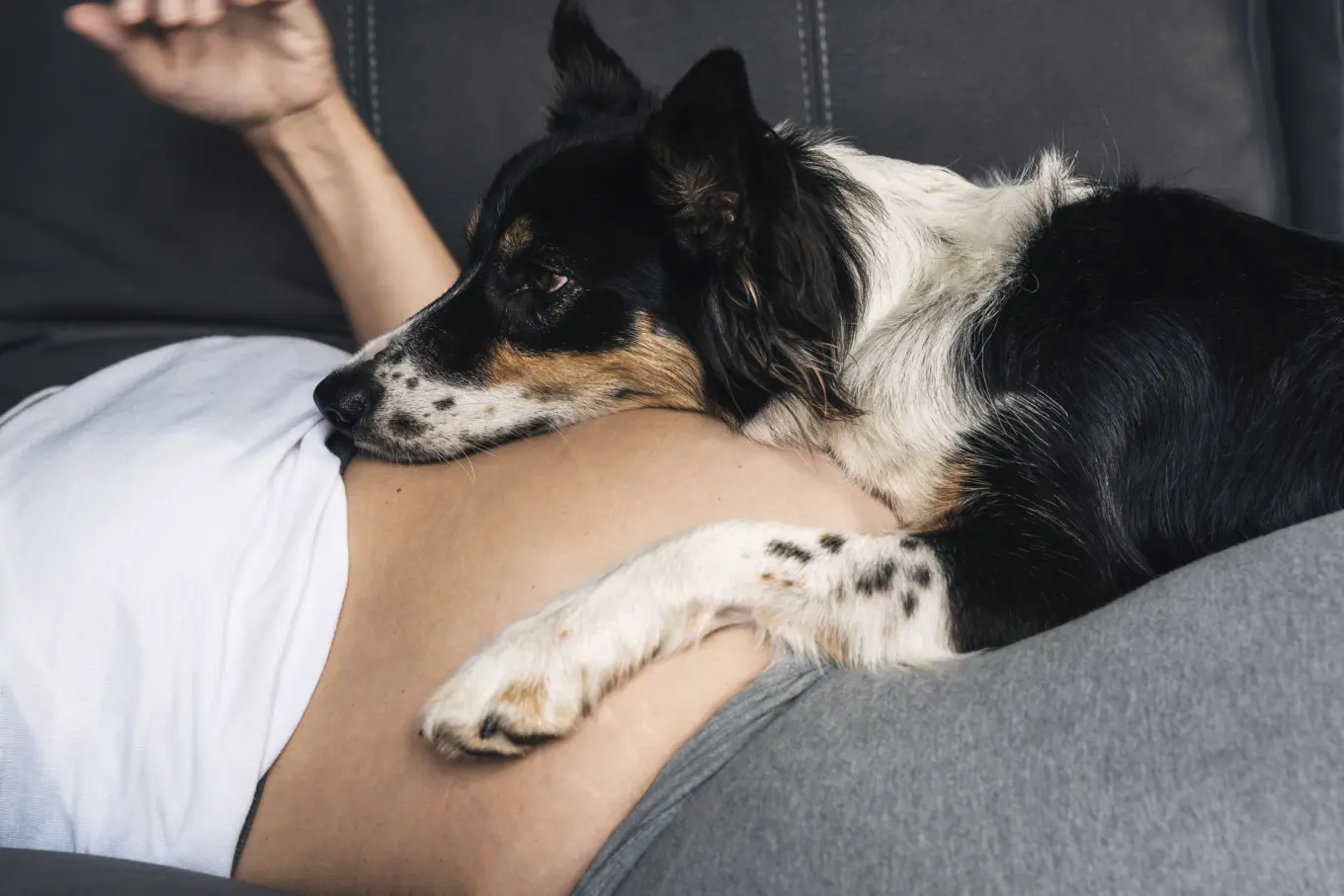
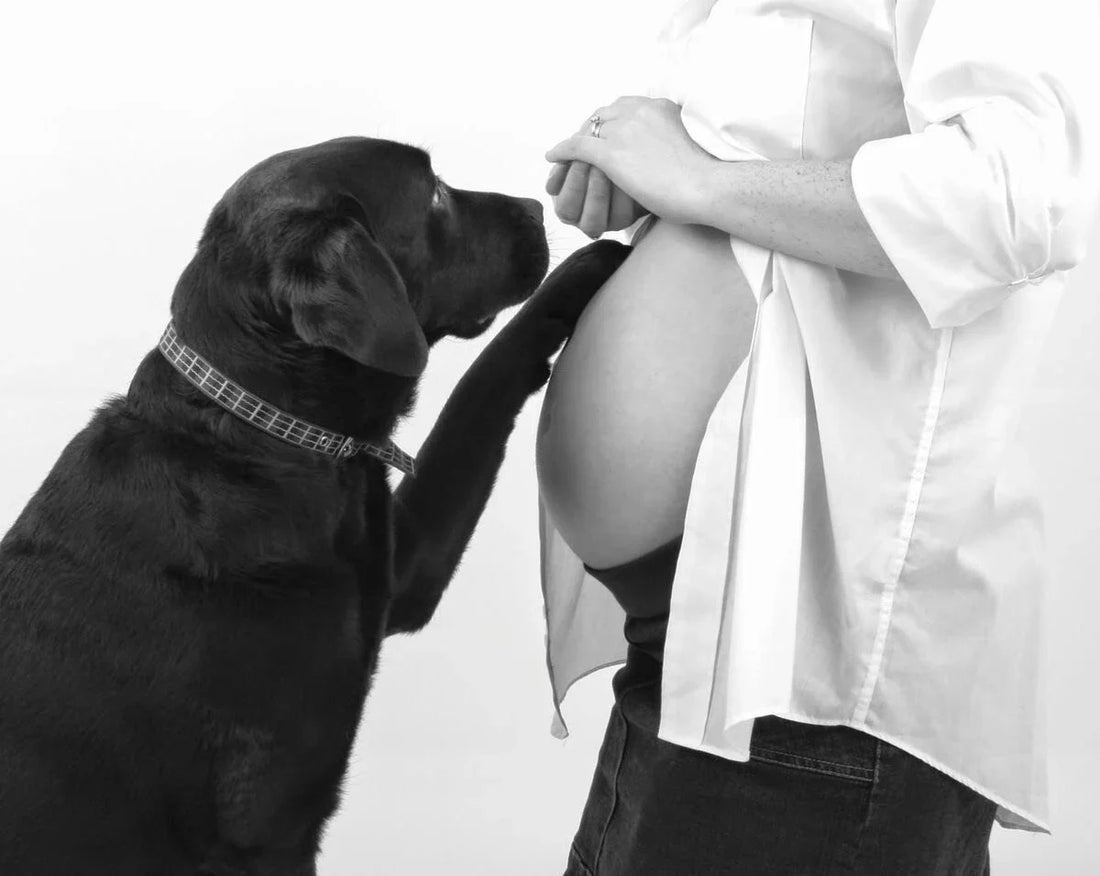
Dogs often show more protective behavior during pregnancy. They sense the new life and want to guard it. Allow your dog to stay near you but set clear boundaries. Teach gentle commands to control overprotective actions. Reward calm behavior to encourage positive responses. Avoid sudden movements that may trigger guarding instincts.
Dealing With Anxiety
Pregnancy can make dogs nervous or restless. Keep daily routines steady to reduce their stress. Spend quiet time with your dog to reassure them. Use toys and games to keep their mind busy. If anxiety grows, try calming tools like gentle music or a cozy bed. Consult a vet for advice if anxiety worsens.
Preventing Aggressive Reactions
Some dogs may react aggressively to new smells or sounds. Watch for signs like growling or stiff body posture. Avoid forcing your dog into uncomfortable situations. Socialize your dog slowly with visitors and changes at home. Teach commands like “leave it” and “stay” for control. Praise good behavior to build trust and calmness.
Credit: www.newsweek.com
Training Tips For Expecting Families
Preparing your dog for a new baby is important. Training helps your dog adjust to changes. It creates a safe and calm home. Start training early to avoid stress later.
Focus on clear communication and patience. These tips guide you through simple steps. They build trust and good behavior in your dog.
Basic Commands Reinforcement
Teach your dog basic commands like sit, stay, and come. These commands keep your dog controlled and safe. Practice these commands daily. Use a calm voice and repeat often. Consistency helps your dog learn faster.
Reward-based Techniques
Use treats and praise to encourage good behavior. Reward your dog immediately after they follow commands. Avoid punishment to keep training positive. Positive rewards make your dog happy and eager to learn. Small treats work best for quick training.
Socialization With Children
Help your dog get used to children’s sounds and movements. Let your dog meet children in a calm setting. Supervise all interactions to keep both safe. Teach your dog to be gentle and patient. This reduces fear and excitement when the baby arrives.
Postpartum Dog Care
After your baby arrives, your dog needs special care. This time can be confusing for your dog. Changes in the home and new smells can affect their behavior. Paying attention to your dog’s needs helps keep peace and comfort for everyone.
Adjusting To New Baby Presence
Your dog may feel unsure about the new baby. Let your dog see and smell the baby gently. Keep your dog calm and close by. Praise your dog for calm behavior around the baby. This helps your dog accept the new family member.
Monitoring Dog’s Health
Watch your dog for signs of stress or sickness. Changes in eating, sleeping, or bathroom habits matter. Check for unusual behavior like hiding or growling. Take your dog to the vet if you notice problems. Healthy dogs are happier and safer around babies.
Maintaining Consistent Attention
Your dog still needs your love and time. Keep feeding, walking, and playing routines steady. Spend quiet time with your dog every day. This helps your dog feel safe and less jealous. Balance attention between baby and dog to keep calm.
Credit: theputchi.com
Credit: www.newsweek.com
Frequently Asked Questions
How Does Pregnancy Affect Dog Behavior?
Pregnancy can make dogs more protective and sensitive. Hormonal changes in the owner may stress dogs. They might seek extra attention or act more cautious around the pregnant person.
Can Dogs Sense Pregnancy In Humans?
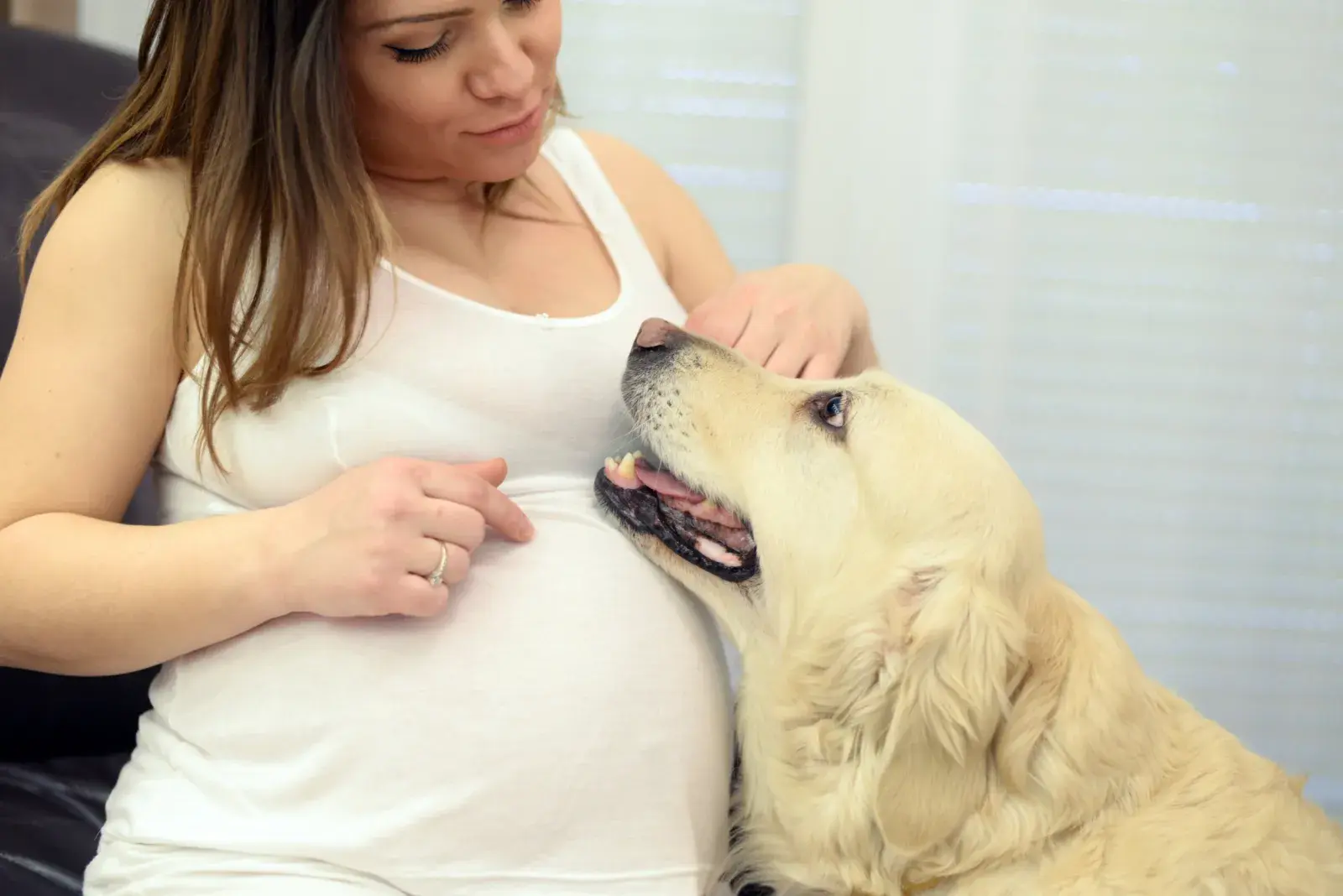
Yes, dogs can sense pregnancy through smell and behavior changes. They detect hormonal shifts and may respond with curiosity or protectiveness toward the pregnant owner.
How To Prepare Dogs For A New Baby?
Introduce baby sounds and smells early. Maintain regular routines to reduce stress. Gradually teach dogs gentle behavior around infants for a smooth transition.
Are Dogs More Aggressive During Pregnancy?
Some dogs may show increased protectiveness, not true aggression. Changes in household dynamics can confuse dogs. Proper training and attention help manage any behavioral shifts.
Conclusion
Pregnancy brings many changes for both you and your dog. Dogs can sense shifts in mood and routine. They may act more protective or sometimes confused. Patience and clear communication help your dog adjust. Keep routines steady and offer gentle attention.
This support builds trust and calmness in your pet. Preparing your dog early eases the transition for everyone. A happy dog helps create a peaceful home. Caring for your dog during pregnancy strengthens your bond. Small steps lead to big comfort for both of you.

