Training your dog to pee on a pad can make life so much easier for both of you. Imagine never having to worry about accidents on the floor or rushing outside during bad weather.
If you want a clean home and a happy pet, this guide is for you. You’ll learn simple, step-by-step techniques that really work. By the end, you’ll feel confident and proud of your dog’s progress. Keep reading to discover how to make potty training stress-free and effective!

Credit: www.holistapet.com
Choose The Right Pad
Choosing the right pee pad is important for training your dog effectively. The right pad makes the process cleaner and easier. It helps your dog understand where to go. Picking a poor pad can cause accidents and frustration. Focus on quality and fit for your dog’s needs.
Types Of Pee Pads
Pee pads come in many varieties. Some have a plastic backing to stop leaks. Others have a soft top layer to keep paws dry. There are scented pads that attract dogs to pee there. You can find eco-friendly pads made from biodegradable materials. Choose a type that suits your dog’s habits and your home.
Size And Absorbency
Size matters for comfort and coverage. Small pads suit puppies or tiny breeds. Larger pads work well for bigger dogs. Absorbency prevents wet floors and bad smells. High absorbency pads hold more liquid without leaking. Check the pad’s thickness and material for best results. A good size and absorbency help your dog stay clean and dry.
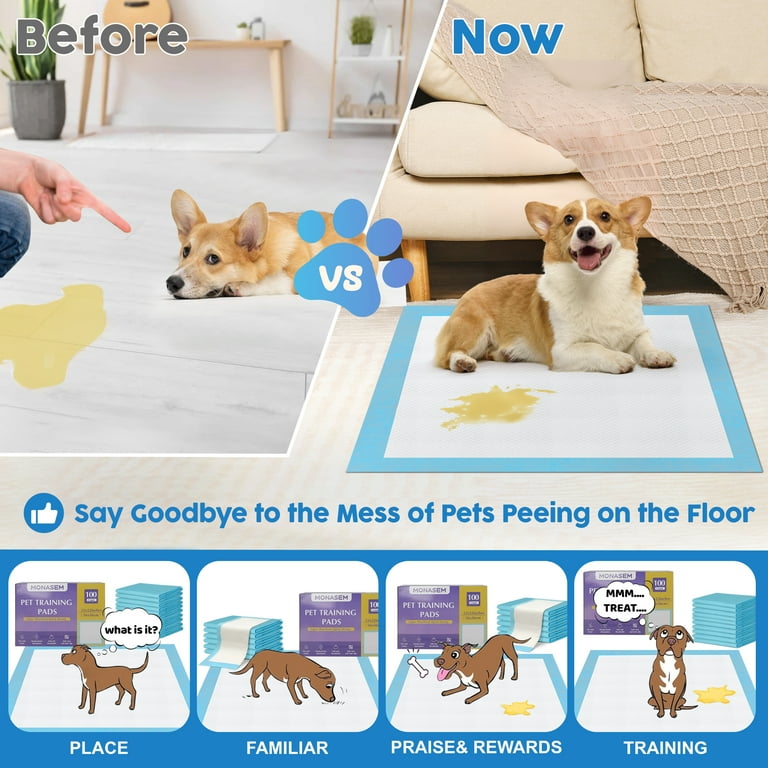
Credit: www.walmart.com
Pick A Training Spot
Choosing the right spot for your dog’s pee pad is key. This place sets the stage for training success. A good spot helps your dog learn fast and feel safe. It also keeps your home clean and organized. Spend time to pick a spot that fits your dog’s needs and your home layout.
Consistent Location
Pick one spot and use it every time. Dogs learn through routine and repetition. Changing the spot confuses them. Keep the pee pad in the same place. This helps your dog understand where to go. Consistency speeds up the training process. It makes the habit stronger and clearer for your dog.
Quiet And Accessible Area
Choose a calm spot free from loud noises. Dogs feel stressed in noisy or busy places. A quiet area makes them comfortable to pee. Also, pick a place easy for your dog to reach. Avoid spots with obstacles or tight spaces. Your dog should get to the pad without trouble. This reduces accidents and encourages good habits.
Introduce The Pad To Your Dog
Introducing the pee pad to your dog is the first step in training. It helps your dog know where to go when they need to pee. This introduction should be calm and positive. The goal is to make the pad a familiar and safe spot for your dog.
Familiarizing Your Dog
Place the pee pad in a quiet, accessible area. Let your dog see and sniff the pad. Do not force them onto it. Allow your dog to get used to the pad’s smell and texture. Praise your dog gently when they show interest. This builds a positive connection with the pad.
Encouraging Exploration
Encourage your dog to explore the pad by using treats. Drop a few small treats near and on the pad. This invites your dog to step on it. Play nearby to make the area friendly and fun. Use a soft voice to guide your dog toward the pad. Repeat this daily to build comfort and trust.

Credit: coziwow.com
Establish A Routine
Establishing a routine is key to training your dog to pee on the pad. Dogs thrive on consistency. A steady schedule helps them learn faster. It reduces accidents and builds good habits. Start by setting fixed times for potty breaks. Keep the routine simple and clear. Your dog will soon understand when and where to go.
Regular Potty Breaks
Take your dog to the pee pad often. Small puppies need breaks every 1 to 2 hours. Older dogs can wait longer but still need regular trips. Frequent breaks prevent accidents and teach control. Make sure your dog visits the pad at set times daily. This helps build a strong habit over time.
Timing After Meals And Sleep
Watch your dog after eating or waking up. These times often trigger the need to pee. Take your dog to the pad right after meals. Also, bring them to the pad as soon as they wake. This timing helps your dog associate the pad with peeing. It speeds up the training process and reduces messes.
Use Commands And Signals
Teaching your dog to pee on a pad needs clear commands and signals. Dogs learn best when you use consistent words and gestures. These cues help your dog understand what you want. Patience and repetition make training easier. The dog will connect the command with the action over time.
Simple Verbal Cues
Choose easy words like “potty” or “pee.” Use the same word every time you take your dog to the pad. Speak in a calm, clear voice. Keep the command short. Say it just before your dog uses the pad. This helps your dog link the word with the action. Avoid changing the command to prevent confusion.
Positive Reinforcement
Praise your dog right after they pee on the pad. Use happy tones and gentle petting. Give treats as a reward for success. This makes your dog want to repeat the behavior. Avoid punishment if your dog makes mistakes. Positive feedback encourages learning and builds trust. Celebrate every small success to keep your dog motivated.
Monitor And Reward Success
Monitoring your dog’s progress is key to successful pad training. Watch closely for signs your dog uses the pad. Rewarding good behavior helps your dog learn faster. Praise and treats make your dog want to repeat the action. Consistency in monitoring and rewarding creates clear habits for your dog.
Immediate Praise
Praise your dog right after they pee on the pad. Use a happy voice and simple words like “Good job!” Quick praise connects the action with the reward. Dogs understand better when the reward is immediate. This builds their confidence and encourages them to use the pad again.
Treats And Affection
Give your dog a small treat after they use the pad. Choose tasty, healthy treats your dog loves. Along with treats, pet your dog gently. Affection shows your dog they did the right thing. This combination of treats and love motivates your dog to keep using the pad.
Handle Accidents Calmly
Handling accidents calmly is key to training your dog to pee on the pad. Dogs do not understand punishment. They learn better with patience and kindness. Staying calm helps your dog feel safe and more willing to learn. Reacting angrily can scare your dog and slow down training. Focus on teaching, not blaming. Your calm reaction will make the process smoother for both of you.
Cleaning Tips
Clean accidents quickly to remove all smells. Use an enzyme cleaner made for pet stains. Avoid ammonia-based cleaners. They smell like urine and can confuse your dog. Wash the area well and let it dry completely. A clean spot helps your dog learn the right place to pee. Regular cleaning keeps your home fresh and your dog focused on the pad.
Avoiding Negative Reactions
Never yell or hit your dog after an accident. Negative reactions create fear and stress. Your dog might hide accidents or stop trusting you. Use a gentle voice and calm body language instead. Praise your dog when it uses the pad correctly. Positive feelings make training easier and faster. Remember, patience and kindness lead to better results.
Gradually Reduce Pad Use
Reducing your dog’s pad use slowly helps make the potty training smooth. It stops confusion and builds good habits. Take small steps to change where your dog goes. This helps your dog learn to go outside later on. Be patient and consistent during this stage.
Moving Pad Closer To Door
Start by moving the pee pad closer to the door. Do this over a few days or a week. Move the pad a few inches each day. This helps your dog get used to going near the exit. Watch your dog’s behavior and keep the pad clean. Praise your dog when they use the pad in the new spot.
Transition To Outdoor Training
Once the pad is near the door, start encouraging outdoor potty breaks. Take your dog outside right after they use the pad. Use a leash and go to a quiet spot. Wait patiently for your dog to pee outside. Praise and reward your dog for going outdoors. Slowly remove the pad inside after successful outdoor trips.
Common Challenges
Training a dog to pee on a pad can be tricky. Many pet owners face common problems during this process. Understanding these challenges helps you stay patient and consistent. It also helps you find the right solutions faster.
Ignoring The Pad
Some dogs simply ignore the pee pad. They may not understand its purpose. Others might prefer other spots in the house. This behavior can slow down training. Try placing the pad in a quiet, easy-to-find area. Use treats and praise when your dog uses the pad correctly. Patience is key.
Marking Behavior
Marking is a natural habit for many dogs. It means they pee on different places to mark territory. This can confuse the training process. Males often mark more than females. Neutering can reduce marking. Watch your dog closely and clean marked spots well. Offer extra guidance to encourage pad use only.
Anxiety And Distractions
Dogs feel anxious or distracted easily. Loud noises, visitors, or new environments affect their focus. Anxiety can stop them from using the pad. Create a calm and quiet place for training. Remove toys or other distractions nearby. Keep training sessions short and positive. This helps your dog feel safe and learn faster.
Frequently Asked Questions
How Long Does It Take To Train A Dog To Pee On A Pad?
Training duration varies by dog, typically taking 1 to 3 weeks. Consistency and positive reinforcement speed up learning. Patience and regular pad placement help your dog understand the routine quickly and effectively.
What Supplies Do I Need For Pee Pad Training?
You need pee pads, a designated training area, treats, and cleaning supplies. Using attractant pads helps guide your dog. Keep extra pads handy to replace soiled ones promptly for hygiene and consistency.
How Often Should I Take My Dog To The Pee Pad?
Take your dog to the pee pad every 1-2 hours initially. Frequent trips reinforce the habit. Gradually extend the intervals as your dog learns to hold it longer and understand the pad’s purpose.
Can All Dog Breeds Learn To Use A Pee Pad?
Yes, all breeds can learn pee pad training with patience. Small breeds adapt faster, but larger dogs can learn too. Consistent training methods and rewards work well across all dog sizes and ages.
Conclusion
Training a dog to pee on the pad takes time and patience. Stay calm and consistent with your approach. Praise your dog when they use the pad correctly. Keep the training area clean and comfortable. Avoid punishment to help your dog learn faster.
Small steps lead to great progress. Soon, your dog will understand where to go. Enjoy the process and celebrate each success. This method makes house training easier for both of you. Keep practicing, and your dog will get it right.