

Potty training your dog can feel like a tough challenge. But what if you could teach your dog where to go in just 3 days?
Yes, it’s possible! With the right steps and a bit of patience, you’ll see quick results that make life easier for both you and your furry friend. Keep reading, and you’ll discover simple, proven tips to get your dog potty trained fast—saving you time, stress, and frustration.
Ready to make accidents a thing of the past? Let’s dive in!
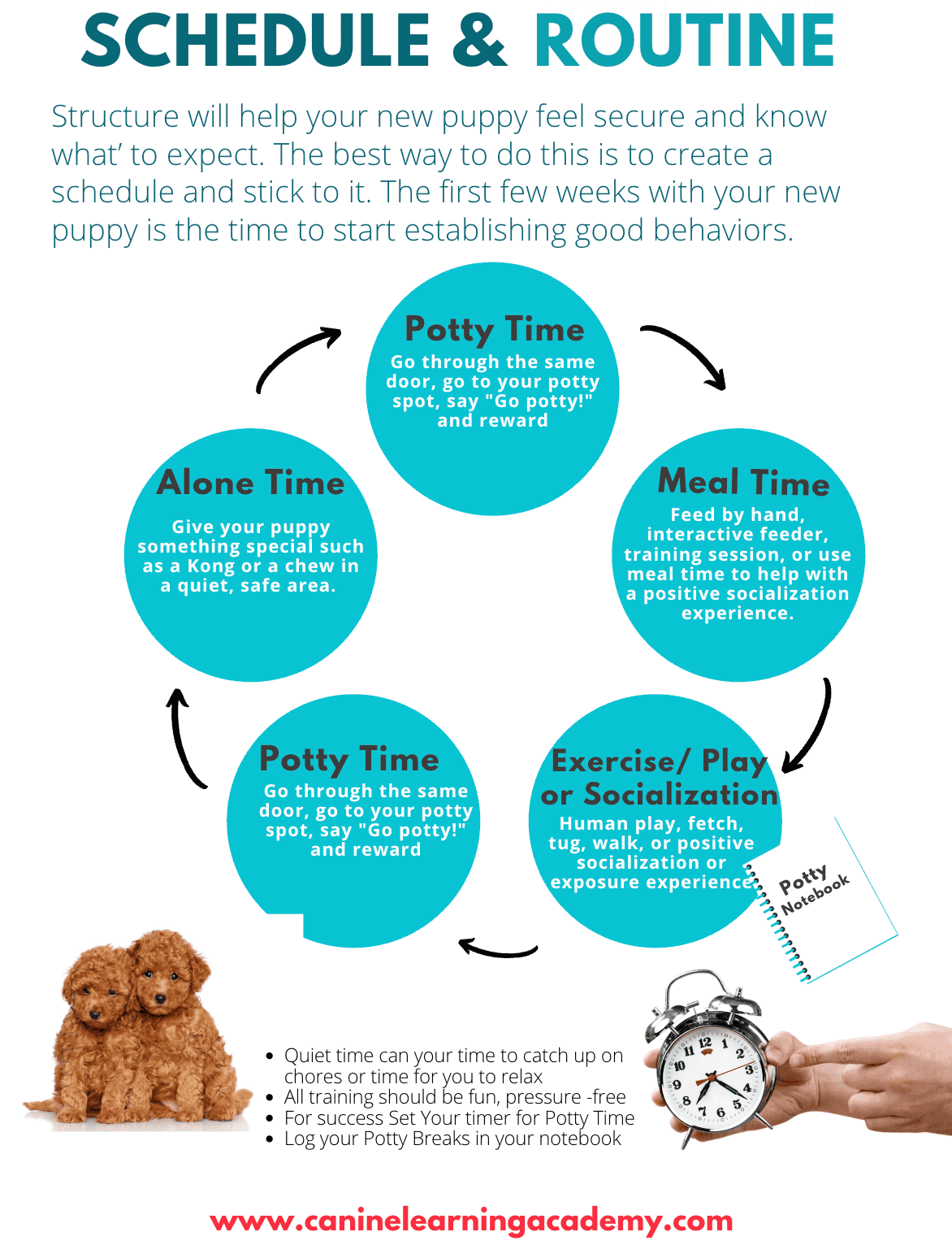
Credit: caninelearningacademy.com
Prepare For Training
Preparing for potty training sets the foundation for success. It helps your dog understand what is expected. This phase reduces accidents and builds good habits quickly. Careful preparation makes the three-day plan easier and less stressful.
Gather Essential Supplies
Get all the supplies before you start training. Use puppy pads or newspapers for indoor training. Have cleaning products ready to remove accidents completely. Use treats as rewards to encourage good behavior. A leash helps guide your dog to the potty spot.
Choose A Designated Potty Area
Pick one place outside where your dog will go potty. This helps your dog learn faster by associating the spot with bathroom time. Make the area easy to reach and safe. Avoid busy or noisy places that may distract your dog.
Set A Consistent Schedule
Feed your dog at the same times every day. Take your dog to the potty area regularly, especially after meals and naps. Consistency helps your dog learn the routine quickly. Keep the schedule strict during the three days of training.
Start The Training Process
Starting the potty training process is the first step toward success. Clear routines help your dog learn faster. Consistency and patience are key during these first days.
Watch your dog closely and act quickly when signs appear. Reward good behavior right away to build positive habits. Set a schedule for bathroom breaks to prevent accidents.
Use Positive Reinforcement
Reward your dog with treats and praise after pottying outside. Positive reinforcement encourages your dog to repeat good behavior. Avoid punishment, as it can confuse your dog.
Watch For Potty Signals
Look for sniffing, circling, or restlessness. These signs show your dog needs to go. Respond quickly by taking your dog outside immediately.
Take Frequent Bathroom Breaks
Take your dog outside every one to two hours. Puppies need more breaks than adult dogs. Regular trips reduce accidents and help build a routine.
Handle Accidents Calmly
Accidents happen during potty training. Stay calm to help your dog learn faster. Reacting with anger can confuse or scare your pet. Patience helps build trust and good habits.
Clean Up Thoroughly
Clean the accident spot well. Use an enzyme cleaner to remove all smells. This stops your dog from returning to the same spot. Avoid cleaners with ammonia. They smell like urine and attract dogs.
Avoid Punishment
Never yell or hit your dog. Punishment can cause fear and anxiety. Dogs don’t connect punishment with accidents. They may hide or avoid you instead of learning. Use calm words to guide your dog.
Redirect To Correct Spot
Take your dog to the potty area right after an accident. Praise them when they go in the right place. Repeat this often to build good habits. Consistency teaches your dog where to go.

Credit: www.amazon.com
Maintain Progress After Training
Keeping your dog’s potty training progress is key after those first three days. The training is just the start. Your dog needs clear signals and steady habits to avoid accidents. Staying consistent helps your dog feel secure and understand what you expect. Small steps now can save lots of trouble later.
Keep Routine Consistent
Stick to a regular schedule for feeding and bathroom breaks. Dogs learn best with a steady routine. Take your dog outside at the same times each day. This builds strong habits and reduces accidents inside. Consistency helps your dog know when and where to go.
Gradually Increase Freedom
Let your dog explore more space little by little. Start with small areas and watch closely. If your dog stays accident-free, give more freedom slowly. Too much freedom too soon can cause mistakes. Step-by-step trust builds good behavior and confidence.
Monitor For Setbacks
Watch for signs your dog may have forgotten training. Accidents can happen with stress or illness. Catch problems early and return to basics if needed. Be patient and calm during setbacks. Quick action keeps progress steady and your dog happy.

Credit: www.navigatecontent.com
Frequently Asked Questions
How Long Does It Take To Potty Train A Dog?
Potty training a dog can take as little as three days with consistent effort. The key is routine, patience, and positive reinforcement to encourage proper habits quickly.
What Are The Best Methods For Quick Dog Potty Training?
Effective methods include crate training, regular bathroom breaks, and rewarding good behavior. Consistency and close supervision help speed up the training process significantly.
How Often Should I Take My Dog Outside To Potty?
Take your dog outside every 1 to 2 hours during training. Frequent trips prevent accidents and help your dog associate outdoors with bathroom time.
Can All Dog Breeds Be Potty Trained In Three Days?
Most dog breeds can be trained quickly with the right approach. Individual temperament and age may affect training speed but three days is achievable for many dogs.
Conclusion
Potty training a dog in three days takes patience and consistency. Stick to a clear schedule and watch your dog closely. Praise good behavior to encourage quick learning. Expect some accidents but stay calm and firm. Your dog will understand the rules faster than you think.
Keep up the routine even after day three. Soon, your home will stay clean and your dog happy. Training is a team effort between you and your pet. Success feels great, and so does a well-trained dog.


