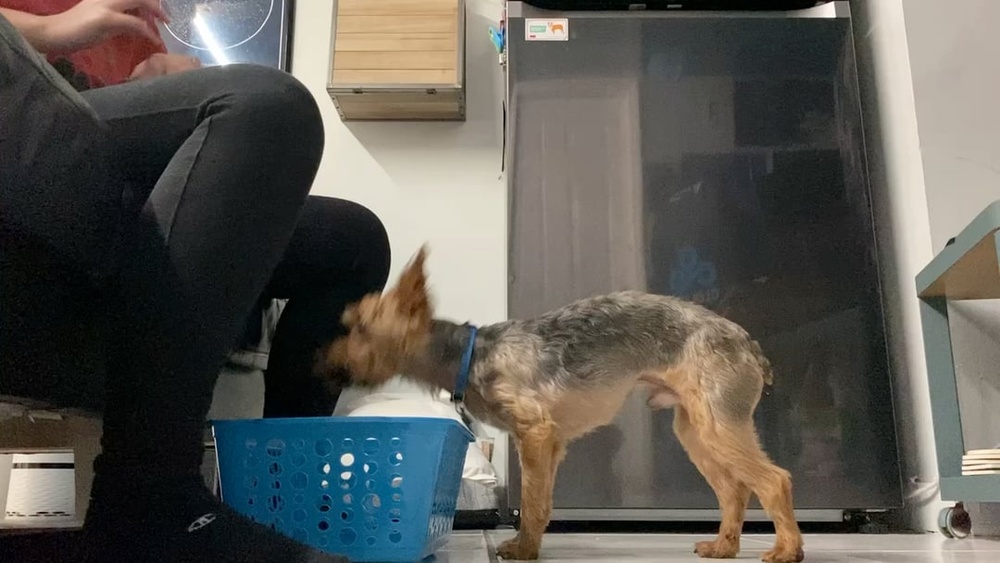
Have you ever watched your dog grab a toy and start shaking it with so much energy? It’s a curious behavior that can leave you wondering, “Why do dogs shake their toys like that?” If you’ve noticed this quirky habit and want to understand what’s really going on in your furry friend’s mind, you’re in the right place.
Discovering the reasons behind this action will not only help you connect more deeply with your dog but also improve the way you play together. Keep reading to uncover the surprising truths about why your dog loves to shake their toys!

Credit: www.reddit.com
Instinctive Behavior
Dogs shaking their toys is more than just play. This action comes from deep inside their nature. It is an instinctive behavior that connects dogs to their past. Understanding this helps us see why dogs love to shake their toys with such energy and focus.
Connection To Hunting
Shaking toys mimics how dogs handled prey. In the wild, dogs grabbed and shook animals to kill or calm them. This helped stop the prey from escaping. The toy becomes a stand-in for the animal they once hunted. Through shaking, dogs use natural hunting skills. This behavior keeps their instincts sharp and mind active.
Wild Ancestors’ Influence
Dogs inherited many traits from wild ancestors like wolves. These ancestors needed strong jaws and quick movements. Shaking helped them survive by securing food. Today’s dogs do the same with toys. It reminds them of their roots and natural behaviors. This connection to the past is strong and clear in their actions.
Play And Exercise
Dogs shake their toys as part of their play and exercise routine. This behavior helps them stay active and happy. Playtime is important for dogs to use their energy and keep their bodies strong. Toys that shake or move can keep dogs interested and excited. Shaking toys mimics natural hunting instincts, making play feel real and fun. This natural action helps dogs stay healthy in both body and mind.
Physical Activity Benefits
Shaking toys helps dogs get physical exercise. This movement works their muscles and keeps them fit. Active play helps maintain a healthy weight. It also improves their coordination and strength. Regular exercise reduces the risk of health problems. Dogs that play often tend to have more energy. Play with toys keeps dogs moving and helps them burn calories. It also helps release pent-up energy, leading to better behavior.
Mental Stimulation
Shaking toys also provides mental exercise. It keeps dogs focused and engaged. This play challenges their minds and prevents boredom. Mental stimulation helps dogs learn and solve problems. Toys that move or make noise attract dogs’ attention. Shaking a toy can satisfy a dog’s natural hunting instincts. This kind of play reduces stress and anxiety. Active minds make dogs feel happier and more relaxed.
Communication Signals
Dogs use body language to talk to us and other animals. Shaking their toys is one way they send messages. This action often means more than just play. It shows how they feel and what they want to say.
Expressing Excitement
When dogs shake their toys, they show joy and energy. It means they are happy and having fun. This shaking is like a little celebration. Dogs use this signal to invite others to join their playtime. It helps share their excitement clearly.
Marking Ownership
Shaking toys can also mean claiming them. Dogs want others to know this toy belongs to them. This action tells other dogs to keep away. It is a way to protect their favorite things. This behavior comes from their natural instincts.

Credit: www.reddit.com
Stress Relief
Dogs often shake their toys to feel better. This behavior helps them handle stress. Shaking toys can calm their minds and bodies. It acts as a natural stress relief tool for dogs.
Calming Effect
Shaking toys helps dogs relax. The movement releases built-up energy. It lowers anxiety and nervousness. This simple action can soothe a worried dog. It works like a calming ritual.
Coping Mechanism
Dogs use toy shaking to manage stress. It distracts them from scary or confusing situations. This habit gives dogs a way to cope. It helps them stay calm during tough moments. Shaking toys is a safe and healthy outlet.
Training And Reinforcement
Training and reinforcement play a big role in why dogs shake their toys. Dogs learn behaviors through rewards and practice. Shaking a toy can be a habit built from positive experiences. Owners can guide this behavior to encourage fun and safe play.
Encouraging Good Behavior
Reward dogs when they shake toys gently. Use treats or praise to show approval. This helps dogs know which actions are good. It also reduces rough shaking that can break toys. Consistent rewards build a habit of careful play. Training makes toy shaking a positive activity.
Bonding With Owners
Shaking toys during play strengthens the bond between dogs and owners. It creates shared moments full of fun and trust. Dogs feel happy and secure when owners join playtime. This connection encourages dogs to repeat the behavior. Training turns simple toy shaking into a way to connect.
Credit: www.revprofs.com
Toy Preferences
Dogs show clear preferences for certain toys. These choices affect how and why they shake their toys. Understanding these preferences helps explain their shaking behavior. Toys differ in texture and shape, which plays a big role. Some dogs prefer soft toys, while others like hard ones. The type of toy often triggers shaking as a natural response.
Texture And Shape Impact
Texture matters a lot to dogs. Soft, plush toys invite gentle shaking. Hard or rubbery toys encourage more vigorous shaking. Rough textures may feel satisfying for dogs to grip and shake. Smooth toys might not hold their interest as long. Shape also influences shaking habits. Long toys, like ropes, are easier to hold and shake. Round toys can be harder to grip, so dogs may shake them less. Toys that fit well in a dog’s mouth invite more shaking.
Favorite Types Of Toys
Many dogs love plush toys with squeakers inside. The sound makes shaking more fun. Rubber chew toys are popular too. Dogs enjoy the resistance when they bite and shake them. Rope toys are favorites for tugging and shaking together. Some dogs prefer balls for chasing but shake them less. The favorite toy type can depend on the dog’s breed and personality. Dogs with strong jaws may prefer tougher toys to shake hard.
When To Be Concerned
Dogs shaking their toys is usually normal and playful behavior. It helps them release energy and enjoy their playtime. Sometimes, though, the shaking can become a sign of a problem. You should watch your dog closely to know when the shaking is too much or linked to other issues. Understanding the signs can protect your pet’s health and happiness.
Excessive Shaking Signs
Excessive shaking means your dog shakes toys much more than usual. This might last for long periods or happen very often. Watch for shaking that seems restless or aggressive. Notice if your dog looks stressed or tired after shaking toys. These signs can mean your dog is anxious or not feeling well.
Health Issues To Watch For
Shaking toys can hide health problems. Teeth pain or mouth injury can cause your dog to shake toys hard. Muscle pain or joint problems might also make shaking look strange. Watch for drooling, limping, or trouble chewing. These signs need a vet visit to keep your dog safe and healthy.
Frequently Asked Questions
Why Do Dogs Shake Their Toys Vigorously?
Dogs shake toys to mimic hunting instincts. This behavior helps them release energy and stay mentally stimulated. It also provides comfort and satisfies their natural prey drive.
Is Toy Shaking A Sign Of Play Or Aggression?
Toy shaking is usually playful, not aggressive. It reflects excitement and fun. However, context and body language help determine the dog’s mood.
How Does Shaking Toys Benefit A Dog’s Health?
Shaking toys improves a dog’s physical coordination and mental focus. It also reduces stress and prevents boredom, promoting overall wellbeing.
Can Shaking Toys Prevent Destructive Behavior?
Yes, shaking toys offers a positive outlet for energy. It keeps dogs engaged and less likely to damage household items out of boredom.
Conclusion
Dogs shake their toys to have fun and use their natural instincts. This behavior helps them feel happy and active. Shaking also keeps their teeth and jaws strong. Watching your dog enjoy their toy is a special moment. Understanding why dogs do this can improve your bond.
Let your dog shake and play safely every day. It’s a simple way to keep them healthy and joyful. Toys and shaking—part of what makes dogs unique and fun.