

Does your dog get restless or even sick during car rides? You’re not alone.
Many pet owners struggle with this common problem, and it can turn a simple trip into a stressful experience for both you and your furry friend. But what if you could make every car ride calm and comfortable for your dog?
You’ll discover easy and effective ways to prevent dog car sickness. Keep reading, and you’ll learn how to make travel fun and worry-free for your loyal companion.

Credit: www.amazon.com
Causes Of Dog Car Sickness
Dog car sickness happens when dogs feel uncomfortable or sick during travel. Many dogs show signs like drooling, whining, or vomiting. Understanding why this happens helps prevent it effectively. Causes vary from motion sensitivity to anxiety and health problems.
Motion Sensitivity In Dogs
Some dogs are sensitive to movement. Their inner ear senses motion, but the brain gets mixed signals. This confusion causes nausea and dizziness. Puppies and young dogs often suffer more. Smooth, slow rides can help reduce this problem.
Anxiety And Stress Factors
Travel can make dogs nervous. Strange places and noises add to their stress. Fear of car rides triggers anxiety symptoms. Panting, trembling, or barking are common signs. Calm training and familiar items can ease their mind.
Health Issues Affecting Travel
Certain health problems worsen car sickness. Ear infections affect balance and cause discomfort. Digestive issues make nausea worse during rides. Older dogs may have trouble adjusting to motion. A vet checkup can rule out these problems.

Credit: www.amazon.com
Preparing Your Dog For Car Rides
Preparing your dog for car rides helps reduce car sickness. It makes trips calm and safe. Start early to build positive experiences. Small steps create comfort and trust. A happy dog enjoys travel more.
Gradual Exposure To Car
Begin by letting your dog explore the parked car. Open doors and let your dog sniff inside. Short sessions help your dog get used to the car. Then, turn on the engine for a few minutes. Next, take short drives around the block. Increase the trip length slowly over days. This process helps your dog adjust without stress.
Comfortable Travel Environment
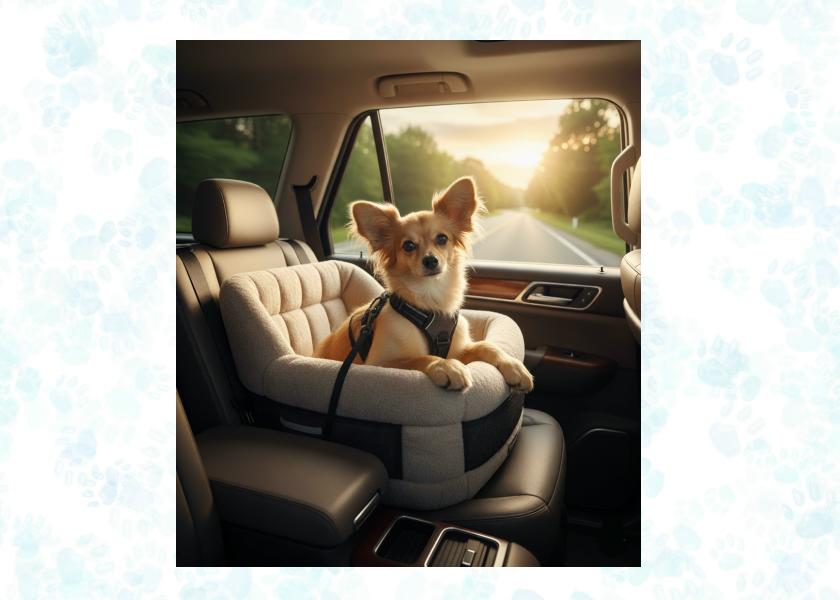
Choose a quiet spot for your dog in the car. Use a crate or seatbelt harness for safety. Add a soft blanket or favorite toy for comfort. Keep the car cool and well-ventilated. Avoid loud music or sudden noises. A calm space reduces anxiety and nausea.
Feeding And Hydration Tips
Feed your dog a small meal 3 to 4 hours before travel. Avoid feeding right before the trip. Offer water in small amounts during breaks. Do not overhydrate to prevent stomach upset. A light stomach lowers the chance of car sickness. Always have fresh water available after the ride.
Behavioral Techniques To Reduce Sickness
Behavioral techniques help reduce car sickness in dogs by changing how they feel during trips. These methods focus on making the car ride less stressful. They also teach dogs to enjoy the journey more. Small steps can lead to big improvements in your dog’s comfort.
Positive Reinforcement
Use treats and praise to reward calm behavior in the car. Give your dog a treat before and during the ride. Praise your dog when they sit quietly. This helps your dog connect car rides with good things. Over time, your dog will feel happier and less sick.
Distraction Methods
Keep your dog’s mind busy with toys or chew treats. Bring a favorite toy to play with during the trip. Chewing helps reduce stress and nausea. Soft music or a calm voice can also distract your dog. These distractions help take their focus away from feeling sick.
Calming Exercises
Practice simple calming exercises before and during car rides. Teach your dog to lie down and relax on command. Use slow, deep petting to soothe your dog’s nerves. Try short trips first to build comfort gradually. Calm dogs are less likely to feel motion sickness.
Using Natural Remedies And Products
Natural remedies and products offer gentle ways to ease dog car sickness. These options avoid harsh chemicals and focus on comfort. They support calmness and reduce nausea during travel.
Using natural solutions can make trips more pleasant for your dog. They often work well alongside other methods like training and feeding schedules.
Herbal Supplements
Herbal supplements can calm your dog’s stomach and mind. Ginger is a popular choice that helps reduce nausea. Chamomile and valerian root promote relaxation and ease anxiety. Always follow dosage instructions from a vet. These supplements are safe and gentle when used properly.
Aromatherapy Options
Essential oils can soothe your dog’s nerves during car rides. Lavender and peppermint oils work well for calming and reducing nausea. Use a diffuser or apply diluted oil on a bandana. Never apply oils directly to your dog’s skin. Keep scents mild and observe your dog’s reaction carefully.
Specialized Travel Gear
Travel gear designed for dogs can support natural remedies. Seat covers with calming scents or pressure vests help reduce anxiety. Car harnesses keep your dog secure and comfortable. These products create a safe space that limits motion sickness triggers. Choose gear that fits your dog well and feels cozy.
When To Consult A Veterinarian
Knowing when to see a vet for your dog’s car sickness is very important. Some signs need expert care fast. Vets can help keep your dog safe and calm during trips.
Identifying Serious Symptoms
Watch for strong vomiting that lasts long. If your dog seems very weak or confused, get help. Blood in vomit or stool is a red flag. Breathing trouble or extreme drooling needs quick vet attention. These signs may mean more than just car sickness.
Medication Options
Vets may suggest medicine to stop nausea. Some pills or patches help dogs feel better. Always follow the vet’s advice on doses. Never give human medicine to your dog. Medicine can make travel easier and less stressful.
Long-term Management
Some dogs need ongoing care for car sickness. Vets can guide diet changes or special training. They may suggest travel routines to reduce stress. Regular check-ups help keep your dog healthy on trips. Long-term plans make car rides safer and happier.
Credit: petsmartify.com
Frequently Asked Questions
What Causes Car Sickness In Dogs?
Car sickness in dogs is caused by motion, anxiety, and inner ear imbalance. These factors disrupt their equilibrium and cause nausea.
How Can I Prepare My Dog For Car Rides?
Gradually acclimate your dog to car rides with short trips. Use calming treats, and ensure proper ventilation and comfort during travel.
Are There Natural Remedies For Dog Car Sickness?
Yes, ginger, peppermint oil, and chamomile can help. Consult your vet before using any natural remedies for safety.
Should I Feed My Dog Before Traveling?
Avoid feeding your dog 2-3 hours before travel. An empty stomach helps reduce nausea and vomiting during car rides.
Conclusion
Preventing car sickness in dogs takes patience and care. Start with short trips to help your dog adjust. Keep the car cool and well-ventilated during travel. Avoid feeding your dog right before the ride to reduce nausea. Use calming techniques like gentle petting or favorite toys.
Always watch for signs of discomfort and stop if needed. With time and practice, your dog can enjoy car rides more. Safe and happy travels make trips better for both you and your pet.


