If you love taking your dog on car rides, keeping them safe and comfortable is a must. Installing a dog car seat is one of the best ways to protect your furry friend during every trip.
But how do you do it right? You might feel unsure about which seat to choose or how to set it up properly. Don’t worry—this guide will walk you through simple steps to install a dog car seat quickly and securely.
By the end, you’ll have the confidence to make every ride safer and more enjoyable for both you and your dog. Keep reading to discover how easy it can be!
Choosing The Right Dog Car Seat
Choosing the right dog car seat is important for your pet’s safety and comfort. A good seat keeps your dog secure during drives. It also helps reduce distractions while driving. Picking the right one depends on your dog’s size, weight, and habits. Consider the materials and comfort features for a pleasant ride. This guide explains the main points to help you choose well.
Types Of Dog Car Seats
There are several types of dog car seats. Booster seats lift small dogs to see out the window. They often have built-in harness attachments. Bucket-style seats provide a cozy space with soft padding. Hammock-style seats cover the back seat and protect the car. Some seats attach to the seatbelt, while others use straps. Choose a type that fits your dog’s needs and car size.
Size And Weight Considerations
Measure your dog before buying a car seat. The seat should hold your dog comfortably without tight spaces. Check the weight limit on the product label. A seat too small can be unsafe and uncomfortable. A large dog needs a sturdy seat with strong support. Make sure the seat fits well in your car’s back seat or cargo area.
Material And Comfort Features
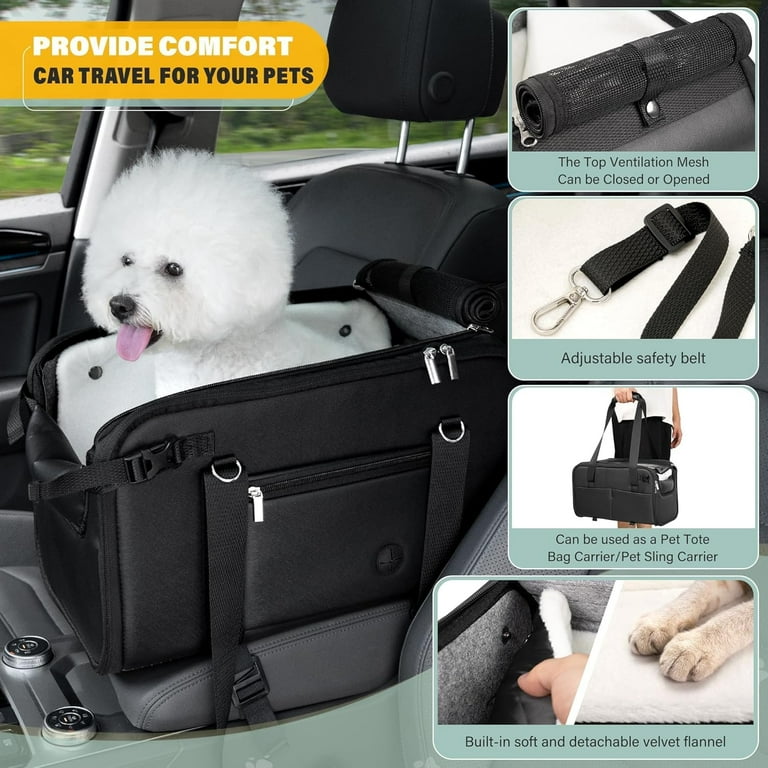
Look for soft, durable materials that are easy to clean. Many seats use waterproof fabrics or removable covers. Padding matters for long trips to keep your dog cozy. Some seats have mesh panels for airflow. Secure straps and buckles add safety and stability. Choose features that make the ride smooth for your pet.
Credit: www.overstock.com
Preparing Your Car For Installation
Preparing your car before installing a dog car seat is very important. It helps keep your pet safe and makes the installation easy. A clean and organized space makes sure the seat fits well. Also, checking your car’s seat belt system ensures the seat stays secure. Gathering all needed tools saves time and avoids hassle during the process.
Cleaning The Seat Area
Start by removing any items from the seat. Vacuum the area to clear dirt and crumbs. Wipe the seat with a damp cloth to remove dust. A clean surface helps the car seat stay in place. It also prevents damage to your car’s upholstery.
Checking Seat Belt Compatibility
Look at your car’s seat belt type. Most dog car seats work with standard three-point seat belts. Check if the seat belt locks tightly. Loose belts can make the car seat unsafe. Read the dog car seat manual for specific belt requirements.
Gathering Necessary Tools
Find the tools needed for installation before you start. Common tools include screwdrivers, wrenches, or clips. Keep these tools within reach to avoid stopping midway. Having the right tools helps finish the job faster and easier.
Step-by-step Installation Guide
Installing a dog car seat is important for your pet’s safety and comfort. This step-by-step guide helps you set up the seat correctly. Follow each step carefully to ensure a secure fit. A properly installed car seat keeps your dog safe during every trip.
Positioning The Car Seat
Place the dog car seat on the back seat of your car. The middle or side seat works well. Make sure the seat faces forward. Avoid placing it in the front seat for safety reasons. Position it where your dog can sit comfortably and see outside.
Securing With Seat Belts Or Anchors
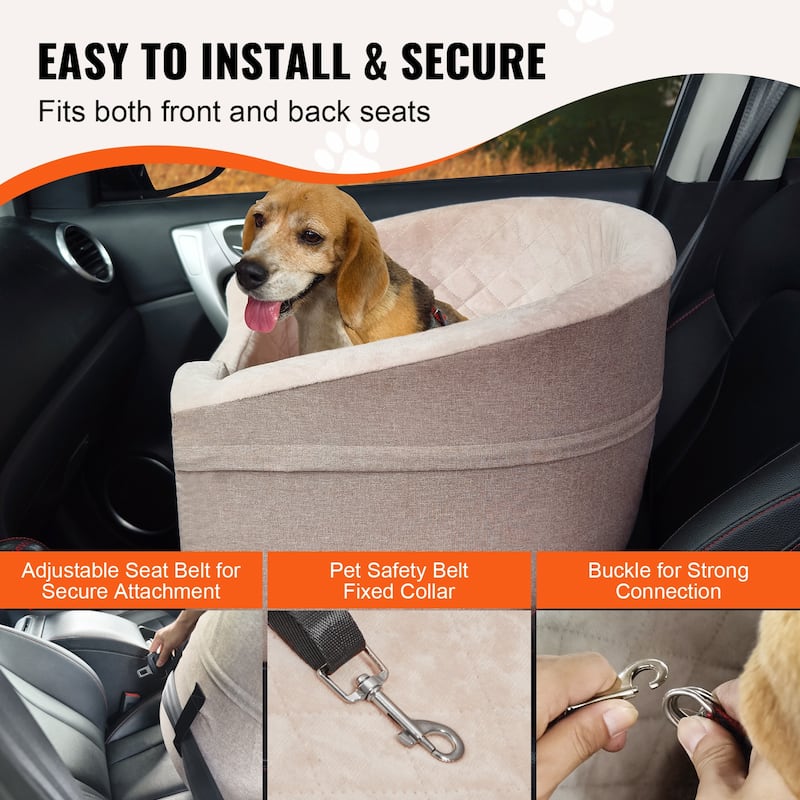
Use the car’s seat belt or anchor points to secure the dog car seat. Thread the seat belt through the car seat’s straps or loops. Pull the belt tight to keep the seat stable. For seats with anchors, connect them to your car’s anchor points. Check that the seat does not move or wobble.
Adjusting Harness Straps
Attach your dog’s harness to the car seat’s straps. Do not use a collar, as it can hurt your dog in a crash. Adjust the straps so they fit snugly but comfortably. Your dog should sit or lie down without feeling trapped. Tighten the straps enough to prevent your dog from jumping out.

Credit: www.amazon.com
Ensuring Your Dog’s Safety
Keeping your dog safe during car rides is very important. A dog car seat helps protect your pet in case of sudden stops or accidents. Proper installation and safety checks make every trip safer and more comfortable.
Focus on three main points: fitting the harness correctly, testing the seat’s stability, and calming your dog for a smooth ride.
Proper Harness Fit
Choose a harness that fits snugly but is not too tight. It should hold your dog securely without causing discomfort. Adjust the straps so the harness does not slip or pinch. A well-fitted harness keeps your dog safe during sudden moves.
Testing Stability
Install the car seat firmly in your vehicle. Check all buckles and straps for tightness. Give the seat a gentle shake to see if it moves. A stable seat prevents your dog from sliding or tipping over while driving.
Tips For Calming Your Dog
Help your dog relax before and during the trip. Use a favorite toy or blanket in the car seat. Speak softly and offer treats to create a positive experience. Calm dogs are less likely to panic or distract the driver.
Maintaining And Cleaning The Car Seat
Maintaining and cleaning your dog car seat keeps it safe and fresh. A clean seat helps your pet stay comfortable during trips. Regular care also extends the seat’s life and performance.
Regular Inspection
Check the car seat often for tears or loose straps. Look for dirt and pet hair buildup. Make sure the seat is firmly attached to the car. Inspect buckles and fasteners for damage. Fix small issues before they become big problems.
Cleaning Instructions
Remove the car seat cover if possible. Wash it with mild detergent and cold water. Avoid harsh chemicals that can irritate your dog’s skin. Let the cover air dry to keep its shape. Wipe plastic or metal parts with a damp cloth. Clean pet hair with a vacuum or lint roller.
When To Replace The Car Seat
Replace the car seat if it shows heavy wear or damage. Broken straps or torn fabric reduce safety. If the seat no longer fits your dog well, get a new one. A damaged seat can fail during sudden stops. Prioritize your dog’s safety over cost.
Credit: www.walmart.com
Frequently Asked Questions
What Tools Are Needed To Install A Dog Car Seat?
You will need a screwdriver, wrench, and possibly a measuring tape. These tools help secure the seat firmly. Always check the manufacturer’s instructions for specific tool requirements before installation.
How Do I Secure A Dog Car Seat Safely?
Attach the seat using seat belts or anchors provided. Ensure straps are tight and the seat doesn’t move. Proper securing prevents injury during sudden stops or accidents.
Can Any Dog Car Seat Fit All Vehicles?
No, dog car seats vary by size and vehicle compatibility. Measure your car’s seat and check product dimensions. Choose a seat designed for your car model for the best fit.
How To Introduce My Dog To A Car Seat?
Start by placing treats and toys in the seat. Let your dog explore it calmly before driving. Gradual introduction helps reduce anxiety and promotes comfort during trips.
Conclusion
Installing a dog car seat keeps your pet safe and comfortable. Follow the steps carefully to secure the seat properly. Check the straps and buckles before every trip. A well-installed seat helps reduce distractions while driving. Your dog will enjoy the ride more with added safety.
Regularly clean the car seat to maintain hygiene. Keep your furry friend protected on every journey. Safe travels start with the right preparation and care.