

Have you ever noticed your dog proudly bringing you a toy and showing it off? It might seem simple, but there’s a lot more behind this behavior than you think.
When your furry friend shares their toys with you, they’re trying to tell you something important. Understanding why your dog does this can deepen the bond between you and make your time together even more special. Keep reading to discover the surprising reasons your dog shows you their toys—and how you can respond to make them happier.

Credit: www.ellevetsciences.com
Dogs And Toy Behavior
Dogs use toys for many reasons. Toys help them feel happy and safe. They also show their feelings by how they play with toys. Watching a dog with a toy can tell you a lot about their mood.
Some dogs carry toys to share or ask for attention. Others chew or toss toys to relieve stress or boredom. Toys become part of their world and daily routine.
Common Toy Interactions
Many dogs love to fetch and return toys to their owners. This action shows trust and a wish to play together. Some dogs simply carry toys around the house. It can mean they want to show pride or seek comfort.
Chewing is another usual toy behavior. It helps keep their teeth clean and minds busy. Dogs may also hide toys. This is a way to save something special for later.
Breed Differences In Toy Use
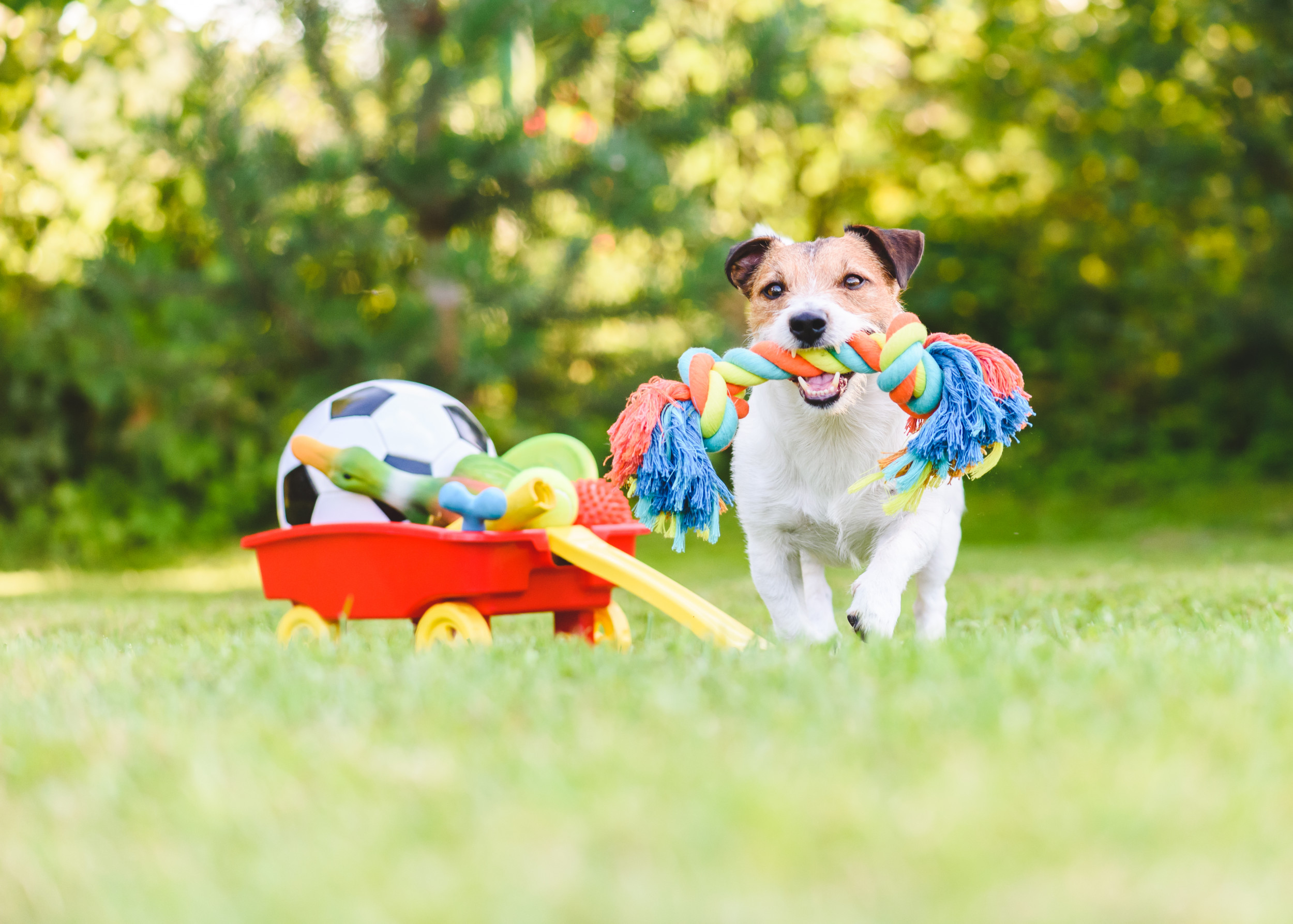
Different breeds use toys in unique ways. Retrievers often bring toys back quickly. They enjoy the chase and return part of play. Herding dogs may herd toys, moving them with their nose or paws.
Terriers love to dig and toss toys around. They show strong hunting instincts this way. Smaller breeds might carry toys gently in their mouths. Each breed’s behavior matches its natural traits.
Credit: www.newsweek.com
Communication Through Toys
Dogs use toys to communicate with their humans. This simple act shows feelings and needs clearly. Toys become tools for dogs to express themselves. They tell stories without words. Understanding this helps build a stronger bond with your dog.
Signaling Playtime
When dogs bring toys, they invite you to play. It is their way of saying, “Let’s have fun!” This signals they are ready and excited. Playtime is important for dogs’ happiness and health. They want to share joy with you.
Seeking Attention
Dogs show toys to get your focus. They might feel lonely or bored. Offering a toy says, “Notice me, please.” This helps them connect and feel cared for. Your attention means a lot to your dog.
Expressing Affection
Sometimes, dogs give toys as gifts. This is a sign of love and trust. Sharing their favorite toy shows they feel close to you. It is their way to say, “I like you.” This simple act deepens your friendship.
Instinctual Drives
Dogs showing you their toys is more than just play. It is a deep behavior rooted in their instincts. These instincts guide many actions dogs take daily, including how they interact with their toys. Understanding these drives helps explain why your dog brings toys to you. It also shows how their natural behaviors blend with their bond to humans.
Hunting And Fetching Instincts
Dogs have strong hunting instincts from their wild ancestors. Carrying toys in their mouth mimics catching prey. Bringing toys to you is like showing off their catch. Fetching games tap into these hunting drives. Your dog chases, grabs, and returns the toy. This repeats their natural cycle of hunt and retrieve. It feels rewarding and fun for them. Their instinct pushes them to keep playing and bringing toys back.
Possession And Sharing
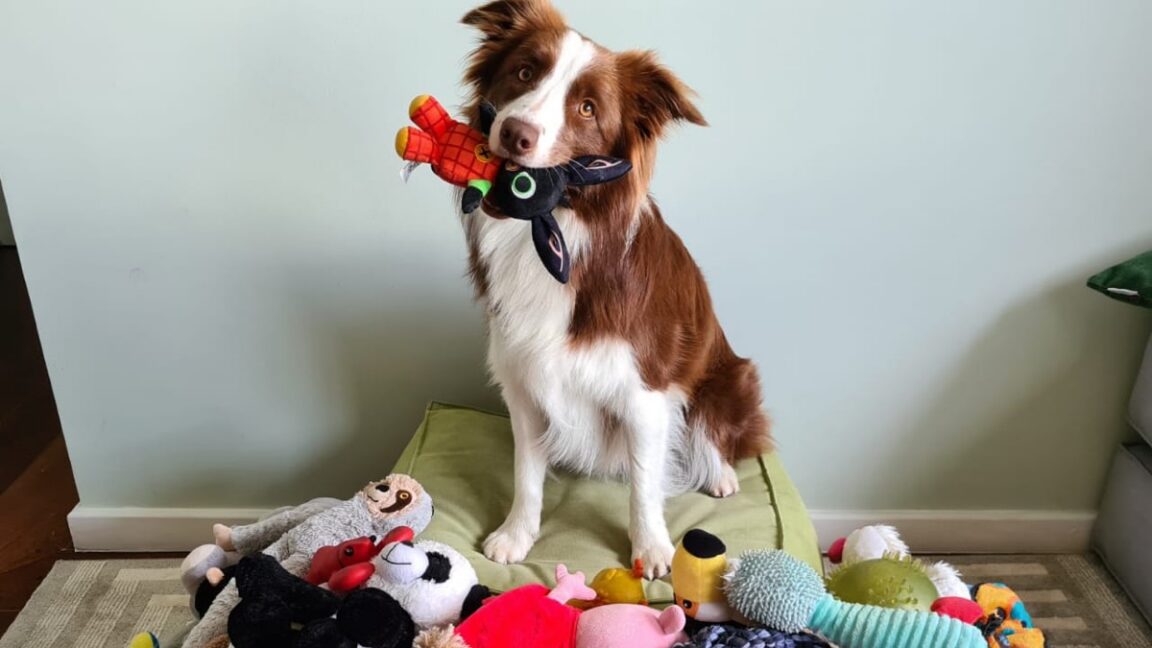
Dogs also have a sense of possession about their toys. Showing you a toy can mean they want to share it. It is a way to connect and invite interaction. Sharing toys builds trust between you and your dog. They feel safe and happy including you in their play. Sometimes, showing a toy is a gentle way to ask for attention. This behavior comes from their social instincts and desire to bond.
Credit: arstechnica.com
Emotional Connections
Dogs often show their toys to their owners. This behavior is a sign of emotional connection. It reveals how dogs feel safe and loved around their humans. Toys are more than playthings; they are bridges to trust and comfort.
Building Trust With Owners
When a dog brings a toy, it shows trust. The dog shares something valuable and personal. This act tells the owner, “I trust you.” It helps create a strong bond. Trust grows as dogs feel secure with their owners.
Comfort And Security
Toys give dogs a sense of comfort. Holding or carrying a toy helps calm their nerves. It reminds them of happy moments and safety. Showing toys to owners means dogs want to share that comfort. It makes them feel secure in their home and with people they love.
Training And Socialization Impact
Training and socialization shape how dogs interact with their toys and owners. Dogs learn behaviors through experience and feedback. Social settings teach dogs how to communicate and share. Understanding these impacts explains why dogs show their toys to people.
Learned Behaviors
Dogs often bring toys to show approval or seek attention. During training, owners reward this action with praise or playtime. This positive response encourages dogs to repeat the behavior. Over time, dogs learn that showing toys builds a bond with their humans.
Some dogs use toys to invite interaction. They understand that offering a toy signals a desire to play. Training reinforces this connection by rewarding sharing. The behavior becomes a way to connect and engage with owners.
Social Cues In Groups
Dogs are social animals and read cues from others. In groups, sharing toys can show friendliness or submission. Puppies learn these social rules from littermates and other dogs. Showing toys helps dogs communicate without aggression.
In human families, dogs adapt these social cues. They use toys to get attention or show trust. This behavior reflects their understanding of group dynamics. Dogs show toys as a way to belong and be part of the pack.
Interpreting Toy Displays
Dogs show their toys for many reasons. They want to share their feelings with you. Understanding these toy displays helps you connect better. Your dog’s actions often speak louder than words.
Watching how your dog presents a toy can reveal their mood. It might be a sign of play, affection, or a request for attention. Reading these signals helps you respond in a way your dog understands.
Reading Your Dog’s Signals
Notice how your dog holds the toy. A wagging tail means excitement. A soft, gentle drop shows trust and kindness. If they bring the toy and look at you, they want to play. Sometimes, dogs drop toys near your feet to invite you. Pay attention to their eyes and body posture too. These clues tell you what your dog feels.
Responding To Toy Offers
When your dog offers a toy, accept it warmly. Smile and use a happy voice to encourage them. Join the play or gently take the toy for a short moment. This shows you care and enjoy spending time together. If you do not want to play, gently put the toy away without scolding. Your dog learns how you feel and adjusts their behavior. Rewarding their play invites more fun and bonding.
Frequently Asked Questions
Why Do Dogs Bring Toys To Their Owners?
Dogs bring toys to show affection and seek interaction. It’s a way to engage you in play and bond together. This behavior also signals trust and the desire to share something valuable.
What Does It Mean When Dogs Show Their Toys?
When dogs show their toys, they express pride and happiness. It indicates they want to share joy or get your attention. This action often invites playtime or rewards, strengthening your relationship.
Are Dogs Showing Toys A Sign Of Trust?
Yes, showing toys is a clear sign of trust. Dogs share prized possessions only with those they feel safe around. This gesture highlights emotional connection and comfort with their owner.
How Can I Respond When My Dog Shows Toys?
Respond by engaging in play or praising your dog. This encourages positive behavior and deepens your bond. Offering attention or treats can also reinforce their sharing instincts.
Conclusion
Dogs show their toys to share fun and get your attention. They want to play and feel close to you. This behavior helps build trust and friendship between you two. Watching your dog’s actions can teach you more about their feelings.
Enjoy these moments—they make your bond stronger every day. Keep giving your dog love and care, and they will keep sharing their toys with joy. Simple actions speak volumes in a dog’s world.


