

Have you ever wondered if your dog can get real nutrition from foods other than meat? You want to give your furry friend the best, but it’s confusing to know if non-meat options truly help keep them healthy.
Understanding what your dog actually benefits from can change the way you feed them—and improve their energy, coat, and overall happiness. Keep reading to discover the surprising truth about non-meat nutrition for dogs and how it might just make a difference in your pet’s diet.
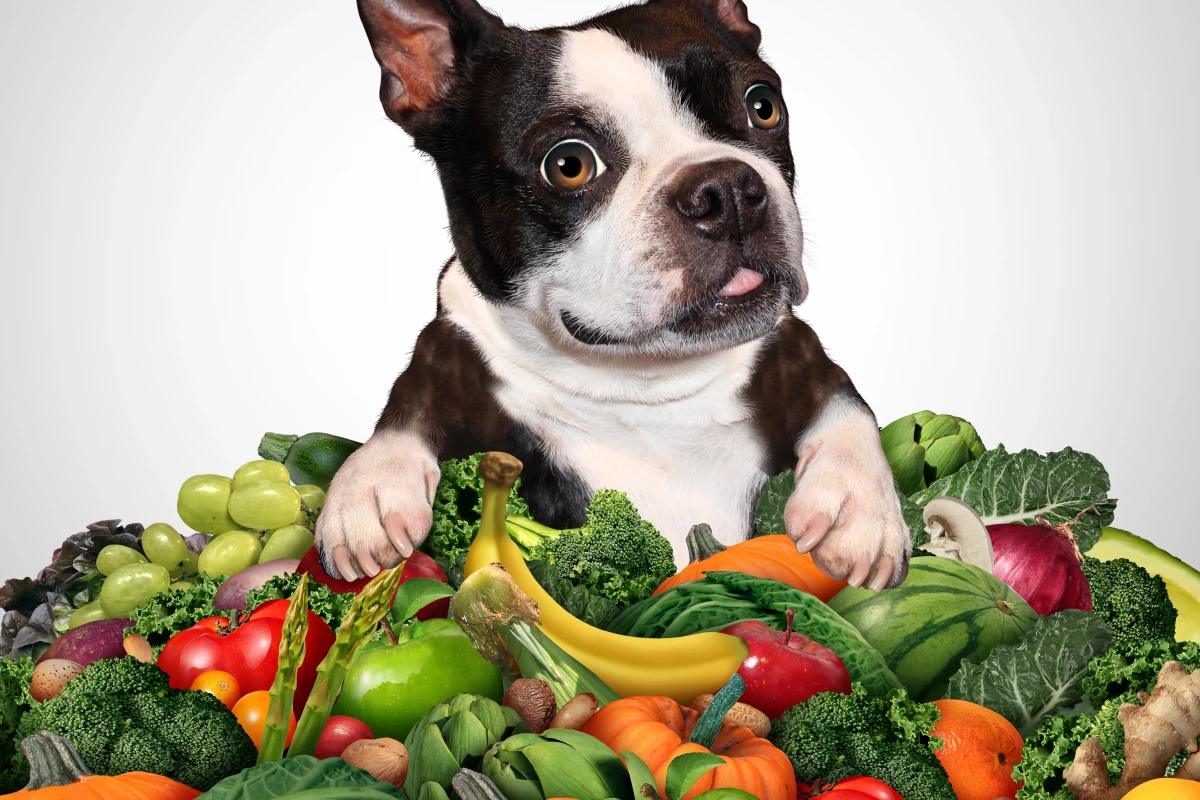
Credit: newatlas.com
Dogs And Diet Diversity
Dogs benefit from a varied diet that includes more than just meat. Their bodies can digest and use nutrients from different food sources. Including non-meat foods can improve their health and energy.
Diet diversity helps meet dogs’ nutritional needs. It supports their immune system and promotes better digestion. A mix of foods offers vitamins and minerals that meat alone may lack.
Natural Eating Habits
Wild dogs and their ancestors ate a range of foods. They consumed meat, plants, fruits, and even insects. This variety gave them balanced nutrition and helped them survive.
Domestic dogs still share these natural eating habits. They can digest some plant materials and absorb nutrients from them. Their digestive systems are flexible and adapt well to different foods.
Role Of Non-meat Foods
Non-meat foods supply fiber, vitamins, and minerals. Vegetables like carrots and peas provide antioxidants and support digestion. Fruits offer natural sugars and essential nutrients.
Grains and legumes add energy through carbohydrates. They contain important nutrients like B vitamins and iron. Including these foods can reduce the risk of nutrient gaps in a dog’s diet.
Non-meat foods also help maintain healthy skin and coat. They support overall wellness and keep dogs active. A varied diet with non-meat options is good for long-term health.
Nutrients In Plant-based Ingredients
Plant-based ingredients offer many nutrients that dogs can use for good health. These nutrients help support their body functions and keep them active. Dogs can absorb vitamins, minerals, fiber, and antioxidants from plants. Each type of nutrient plays a special role in their diet.
Understanding these nutrients helps pet owners provide balanced meals. Non-meat ingredients can be part of a healthy diet for dogs. Let’s explore the key nutrients found in plant-based foods.
Vitamins And Minerals
Plants provide essential vitamins like A, C, and K. These vitamins support vision, skin, and blood health. Minerals such as potassium, magnesium, and iron come from plant sources. These minerals help with muscle function and oxygen transport. Dogs absorb these nutrients to maintain strong bones and a healthy immune system.
Fiber Benefits For Dogs
Fiber is a type of carbohydrate found in plants. It helps dogs digest food smoothly and keeps their bowel movements regular. Fiber also supports good bacteria in the gut. This balance improves nutrient absorption and reduces stomach problems. A diet with fiber helps dogs feel full and maintain a healthy weight.
Antioxidants And Phytochemicals
Antioxidants protect cells from damage caused by harmful molecules. Plants are rich in antioxidants like flavonoids and carotenoids. Phytochemicals are natural plant compounds that boost immune health. These nutrients reduce inflammation and slow aging effects. Including plant ingredients helps dogs stay healthier longer.
Protein Sources Beyond Meat
Dogs need protein for strong muscles and good health. Meat is a common protein source. Still, many non-meat foods also provide important protein. These options can support a balanced diet for dogs.
Non-meat protein sources come from plants. They offer nutrients that help dogs stay active and healthy. Understanding these sources helps pet owners make better food choices.
Legumes And Pulses
Legumes include beans, lentils, and peas. They have a good amount of protein and fiber. These foods also contain vitamins and minerals. Lentils and peas are easier to digest for dogs. They provide energy without extra fat.
Grains And Seeds
Grains like rice, barley, and oats contain protein. Seeds such as chia and flax also add protein and healthy fats. These foods support digestion and skin health. They give dogs energy and help keep their coat shiny.
Plant-based Protein Quality
Plant proteins may lack some amino acids dogs need. Combining different plants can create a complete protein. Mixing legumes with grains improves protein quality. This balance helps dogs get all essential nutrients.
Credit: smet.edu.sg
Potential Risks Of Non-meat Foods
Non-meat foods can offer some nutrients for dogs, but they also carry risks. Dogs digest meat easily, but plants and other non-meat items may cause problems. Owners should know these dangers to keep pets safe and healthy.
Toxic Plants And Foods
Many common plants and foods are harmful to dogs. Grapes, onions, garlic, and chocolate can cause illness or death. Some houseplants like lilies and azaleas are toxic too. Even small amounts can be dangerous. Always check before feeding any new food or plant.
Digestive Challenges
Dogs have short digestive tracts made for meat. Non-meat foods often contain fiber and compounds hard to digest. This can cause stomach upset, gas, or diarrhea. Sudden changes in diet can worsen these issues. Slow introduction of new foods helps prevent stomach troubles.
Allergies And Sensitivities
Some dogs have allergies to certain non-meat foods. Ingredients like soy, corn, or wheat can trigger itching, redness, or ear infections. Food sensitivities may cause vomiting or diarrhea. Watch your dog closely after trying new foods. Talk to a vet if signs appear.
Balancing Meat And Non-meat Components
Balancing meat and non-meat components in a dog’s diet is key to good health. Dogs need nutrients from both sources for energy and growth. Meat provides protein and essential amino acids. Non-meat ingredients offer vitamins, fiber, and minerals. A well-rounded diet supports digestion, immune function, and overall wellness.
Choosing the right mix depends on the dog’s age, size, and health needs. Too much meat or too many non-meat items can cause imbalances. Careful planning ensures dogs get what they need without excess or deficiency.
Optimal Diet Composition
Dogs thrive on diets rich in animal protein but also need plant-based nutrients. A good diet includes 40-60% meat and 20-30% vegetables or grains. Protein supports muscle and organ health. Fiber from plants helps digestion and keeps bowels regular. Healthy fats from meat and plants supply energy and aid nutrient absorption.
Homemade Vs Commercial Diets
Homemade diets allow control over ingredients and quality. Owners can balance meat and non-meat parts carefully. Commercial diets are convenient and often formulated by experts. Many brands mix meat with vegetables and grains for balanced nutrition. Both types need careful selection to meet a dog’s nutritional needs fully.
Consulting With Veterinarians
Veterinarians guide diet choices to ensure balance and health. They can suggest tests to check nutrient levels. Vets help adjust diets for allergies, sensitivities, or health issues. Regular check-ups keep dogs on the right path with their food. Always seek professional advice before changing your dog’s diet.

Credit: www.benevo.com
Trends In Canine Nutrition
Canine nutrition has changed a lot in recent years. More pet owners explore different diets for their dogs. These trends focus on health, ethics, and the environment. Understanding these trends helps to choose the best food for dogs.
Vegetarian And Vegan Dog Diets
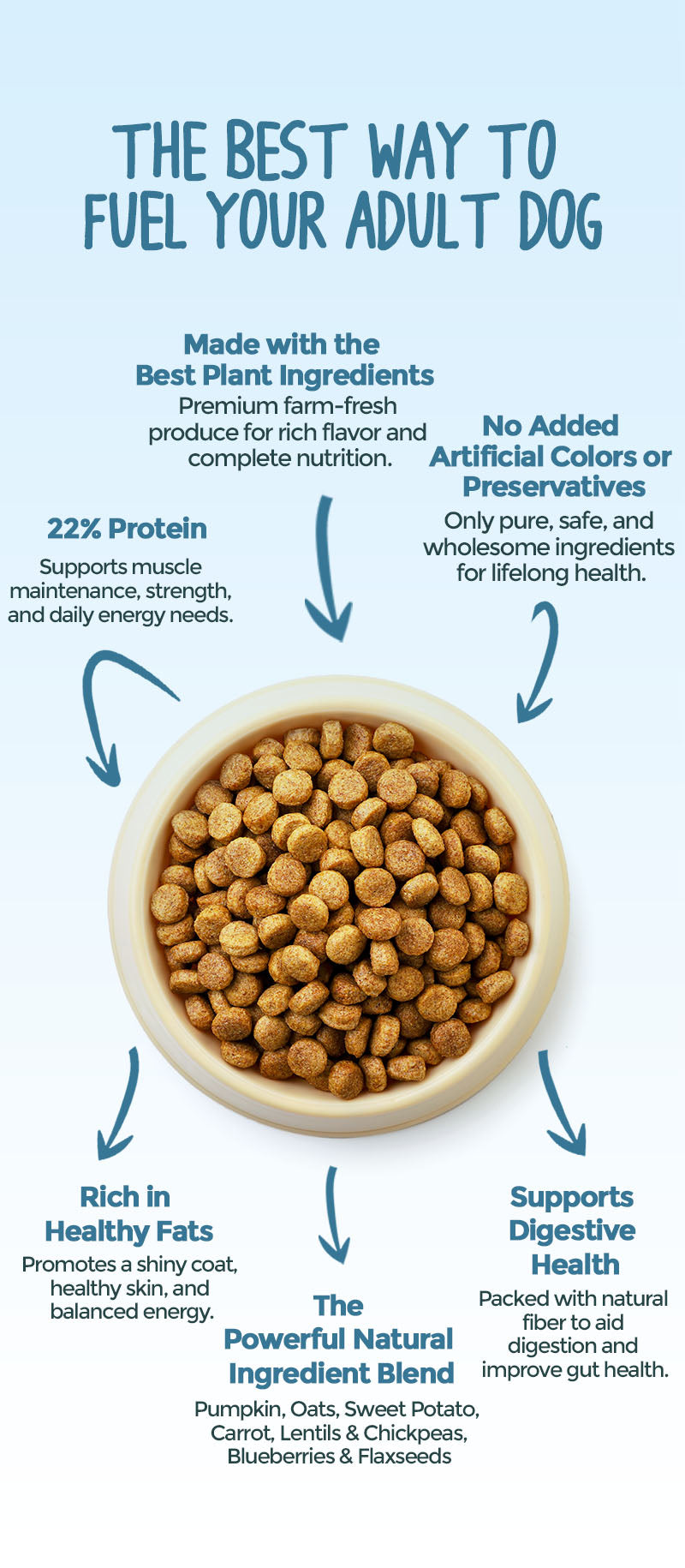
Some dog owners choose vegetarian or vegan diets for their pets. Dogs can get nutrients from plant-based foods. Protein comes from beans, lentils, and peas. Vitamins and minerals are added to balance these diets. Careful planning is needed to avoid missing essential nutrients.
Sustainability Considerations
Many people want dog food that is good for the planet. Meat production uses a lot of water and energy. Plant-based ingredients need less natural resources. Choosing sustainable dog food helps reduce environmental impact. This trend pushes brands to create greener products.
Future Of Dog Food Ingredients
New ingredients are appearing in dog food. Insects and algae offer high protein with low environmental cost. Lab-grown meat could become common soon. These options aim to provide good nutrition and protect nature. The future of dog food looks diverse and eco-friendly.
Frequently Asked Questions
Do Dogs Benefit Nutritionally From Non-meat Foods?
Yes, dogs gain essential nutrients like fiber, vitamins, and antioxidants from non-meat foods. These support digestion and immunity.
Can Dogs Digest Plant-based Ingredients Effectively?
Dogs can digest some plant-based ingredients well, like vegetables and grains, which provide important nutrients and fiber.
Are Non-meat Foods Necessary In A Dog’s Diet?
Non-meat foods aren’t always necessary but can balance nutrients and enhance overall health when included properly.
What Vitamins Do Dogs Get From Non-meat Sources?
Dogs obtain vitamins A, C, and some B-complex vitamins from fruits and vegetables, supporting vision and metabolism.
Conclusion
Dogs can gain nutrients from some non-meat foods. Vegetables and fruits provide vitamins and fiber. Grains offer energy and support digestion. But meat remains their main source of protein. Balance is key for a healthy diet. Avoid harmful foods like onions or chocolate.
Always watch how your dog reacts to new foods. Good nutrition helps dogs stay active and happy. Simple, varied meals work best for dogs’ health. Keep learning about what your dog needs daily.


