

Are you ready to discover the secrets of grooming your dog like a pro? Knowing how to groom dogs not only keeps your furry friend looking great but also boosts their health and happiness.
Imagine saving money on grooming appointments and building a stronger bond with your pet at the same time. In this guide, you’ll learn simple, step-by-step tips that anyone can follow—no experience needed. Keep reading, and soon you’ll feel confident and excited to make grooming a fun and easy part of your routine.
Getting Started With Dog Grooming
Starting to groom your dog is an exciting step. It helps keep your dog clean and healthy. Grooming also builds a stronger bond between you and your pet. This guide will help you begin with the right tools, space, and safety tips.
Essential Tools You Need
Gather the basic tools before you start. A good brush suits your dog’s fur type. Clippers and scissors help trim hair safely. Nail clippers keep your dog’s paws neat. Shampoo made for dogs keeps their skin healthy. Towels and a blow dryer speed up drying.
Choosing The Right Space
Pick a quiet, well-lit area for grooming. A bathroom or laundry room works well. Use a non-slip mat to keep your dog steady. Make sure the space is easy to clean. Keep all tools within reach to avoid interruptions.
Basic Grooming Safety Tips
Always handle your dog gently and calmly. Check tools for sharp edges before use. Avoid pulling on tangles; use a detangler spray. Keep nails trimmed to prevent scratches. Stop if your dog shows signs of stress. Reward your dog with treats for good behavior.
Understanding Dog Coat Types
Understanding dog coat types is key to proper grooming. Each coat type needs different care and tools. Knowing the coat helps keep your dog healthy and comfortable. It also makes grooming easier and faster.
Dogs have many coat types. Some have short hair, others long hair. Some coats are curly or have two layers. Each type needs special attention during grooming.
Short Hair Breeds
Short hair breeds have smooth, close-to-skin fur. They shed less than long-haired dogs. Brushing once a week removes loose hair and dirt. Use a soft-bristle brush or rubber mitt. These tools help keep the coat shiny and clean.
Long Hair Breeds
Long hair breeds have thick, flowing coats. They need daily brushing to avoid tangles and mats. Use a slicker brush or comb for best results. Regular trims help keep hair neat and healthy. Bathing often keeps the coat soft and fresh.
Curly And Double Coats
Curly coats are dense and need special care. Use a wide-tooth comb to detangle curls. Double coats have a soft undercoat and a rough topcoat. They shed heavily twice a year. Brush both layers to remove dead hair. Tools like undercoat rakes work well here.
Bathing Your Dog
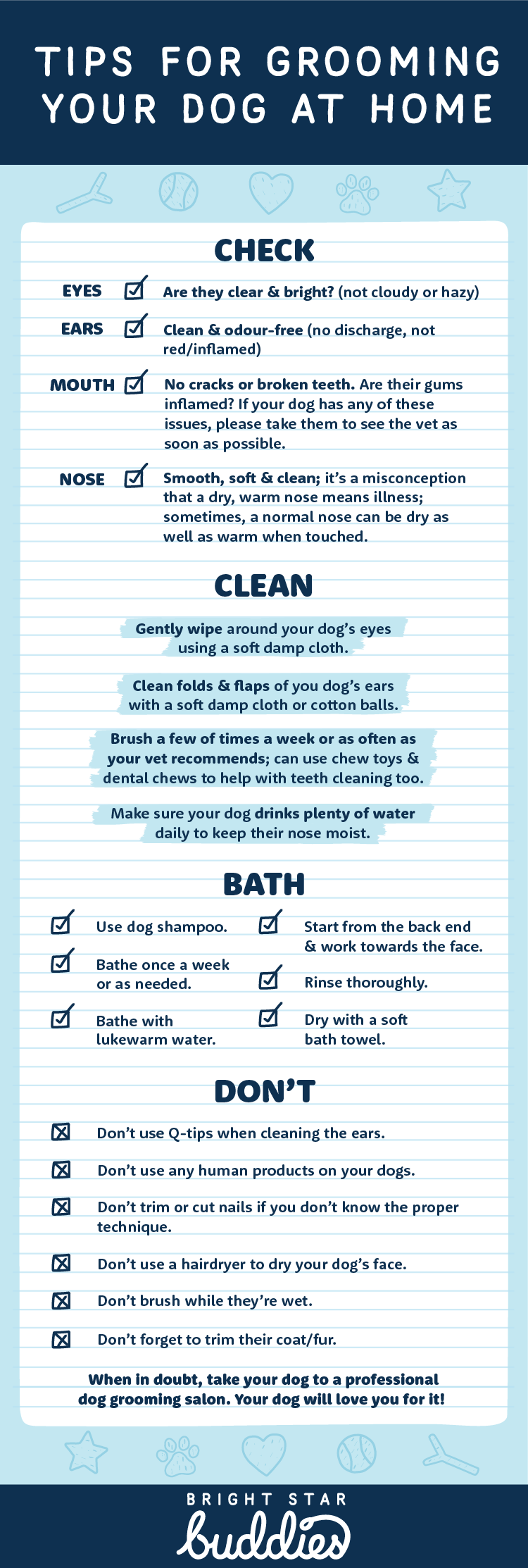
Bathing your dog is an essential part of grooming. It keeps their coat clean and skin healthy. Bath time can be fun for both you and your dog. It also helps reduce odors and removes dirt and loose fur. Learning the right way to bathe your dog makes the process easier and safer.
Selecting Dog-friendly Shampoo
Choose a shampoo made especially for dogs. Human shampoos can irritate their skin. Look for gentle formulas that suit your dog’s coat type. Avoid shampoos with strong fragrances or harsh chemicals. Natural and hypoallergenic options work well for sensitive skin. Always read labels to ensure safety for your pet.
Proper Bathing Techniques
Use lukewarm water to wet your dog’s coat. Wet the fur thoroughly but avoid the eyes and ears. Apply a small amount of shampoo and lather gently. Massage the shampoo into the fur and skin. Rinse well to remove all soap residue. Leftover shampoo can cause itching or dryness.
Drying And Brushing After Bath
Use a towel to pat your dog dry carefully. Avoid rubbing too hard to prevent tangles or irritation. For long-haired dogs, a blow dryer on low heat can help. Brush your dog’s coat while drying to remove knots. Brushing also spreads natural oils and keeps the fur smooth.
Credit: www.brightstarbuddies.com.au
Brushing And Detangling
Brushing and detangling are key parts of dog grooming. Regular brushing keeps your dog’s coat clean and healthy. It removes dirt, loose hair, and prevents painful mats. Detangling helps keep the fur soft and smooth. Learning the right brushing techniques makes grooming easier for both you and your dog.
Tools For Different Coats
Different dog coats need different brushes. Use a slicker brush for long hair. It removes tangles and loose fur gently. For short hair, a bristle brush works well. It cleans and shines the coat. A comb with wide and narrow teeth helps with fine tangles. Choose tools based on your dog’s coat type. This ensures effective and comfortable grooming.
Preventing Mats And Tangles
Mats form when fur twists and knots. These can hurt your dog if left alone. Start brushing from the skin outward. Be gentle near sensitive areas like ears and legs. Use detangling spray to ease knots. Check your dog’s coat daily, especially after walks. Early attention stops mats from growing larger.
Brushing Frequency Tips
Brush your dog often to keep the coat healthy. Long-haired dogs need daily brushing. Short-haired dogs can be brushed once or twice a week. Puppies benefit from gentle brushing to get used to it. Adjust frequency based on your dog’s activity and coat type. Consistent brushing makes grooming a positive habit.
Clipping And Trimming
Clipping and trimming are key steps in dog grooming. These actions keep your dog’s coat healthy and neat. Proper clipping removes excess hair, while trimming shapes the fur for a clean look. Both require the right tools and basic skills. Taking time to learn these techniques helps your dog feel comfortable and look great.
Choosing Clippers And Blades
Select clippers designed for pets. They are quieter and safer for dogs. Clippers come with different blade sizes. Smaller blades cut closer to the skin. Larger blades leave more hair. Match blade size to your dog’s coat type. Thicker coats need stronger clippers. Thin coats need gentle blades. Always check the clipper’s sharpness before use. Dull blades can pull hair and hurt your dog.
Trimming Techniques For Beginners
Start trimming with small, gentle strokes. Hold the clipper flat against the coat. Move in the direction of hair growth. Avoid pressing too hard on the skin. Trim slowly around sensitive areas like paws and ears. Use scissors for detailed areas and tough spots. Keep your dog calm by speaking softly. Take breaks if your dog seems nervous. Practice regularly to improve your skill.
Common Grooming Styles
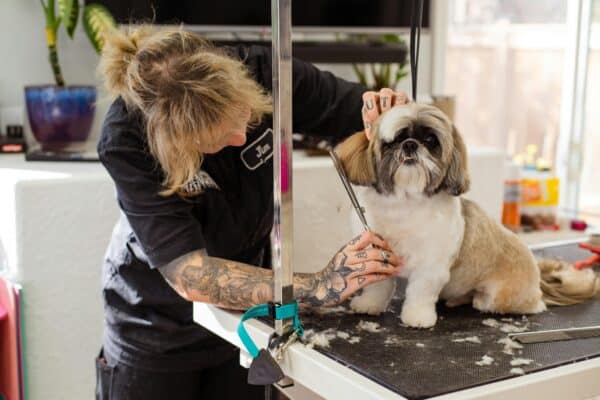
Different dog breeds have popular grooming styles. The “puppy cut” is simple and suits many breeds. It keeps the hair short and even. The “teddy bear cut” leaves a rounded, fluffy look. The “lion cut” trims the body short but leaves a mane. Choose a style based on your dog’s breed and coat. Consult grooming guides or professionals for best results.
Credit: www.theacademyofpetcareers.com
Nail Care And Paw Maintenance
Taking care of your dog’s nails and paws is important for their health and comfort. Regular nail trimming stops pain and injury. Clean, healthy paws help your dog walk and play without trouble. This section covers easy steps for nail care and paw maintenance.
Safe Nail Trimming Methods
Use sharp dog nail clippers made for pets. Hold your dog’s paw gently but firmly. Trim small amounts at a time to avoid cutting the quick. The quick is the pink part inside the nail. It has blood vessels and nerves. Stop if you see a small black dot inside the nail. That means you are near the quick. Praise your dog after each trim to make it positive.
Checking For Paw Problems
Look between your dog’s toes for cuts or swelling. Check for redness, bumps, or foreign objects like small stones. Paw pads should be smooth, not cracked or dry. Watch your dog’s walking. Limping may mean paw pain. Clean paws after walks to remove dirt and germs. Early checks prevent infections and keep paws healthy.
Using Paw Balms And Protectants
Apply paw balm to dry or cracked pads. Choose balms made for dogs only. They protect paws from cold, heat, and rough surfaces. Use protectants before walks on hot pavement or snow. Regular use keeps paws soft and strong. Always clean paws before applying any product.
Ear Cleaning And Dental Care
Ear cleaning and dental care are key parts of grooming your dog. These tasks keep your pet healthy and comfortable. Clean ears prevent infections. Good dental care stops bad breath and tooth problems. Both routines help your dog feel better every day.
Cleaning Ears Safely
Use a gentle ear cleaner made for dogs. Avoid cotton swabs inside the ear canal. They can hurt your dog. Instead, apply the cleaner to a soft cloth or cotton ball. Wipe only the visible parts of the ear. Keep your dog calm during the process.
Identifying Ear Infections
Watch for signs like redness, swelling, or bad smell. Your dog may scratch or shake its head often. Discharge or pain also shows infection. Check ears regularly to catch problems early. See a vet if you notice these signs.
Basic Dog Dental Hygiene
Brush your dog’s teeth using a pet-safe toothbrush and toothpaste. Do this gently and regularly. Dental chews can help reduce plaque build-up. Check teeth and gums for redness or swelling. Healthy teeth improve your dog’s overall health.
Handling Nervous Or Resistant Dogs
Handling nervous or resistant dogs during grooming takes patience and care. Dogs may feel scared or unsure about new experiences. Their reactions can be quick and strong. Understanding their feelings helps make grooming easier. A calm approach builds safety and trust. Step by step, the dog learns to relax.
Building Trust And Comfort
Start grooming in a quiet, calm space. Let the dog explore tools and smells first. Speak softly and move slowly to avoid startling. Use gentle touch on easy areas like paws or ears. Watch the dog’s body language closely. Stop if they show signs of stress. Repeat these small steps over days to build comfort. Trust grows with kindness and patience.
Using Positive Reinforcement
Give treats and praise for good behavior during grooming. Reward calmness and cooperation immediately. Use favorite snacks or toys to encourage staying still. Positive rewards help the dog link grooming with fun. Avoid punishment or harsh words. These can increase fear and resistance. Keep sessions short and end on a happy note.
When To Seek Professional Help
Some dogs react strongly despite your efforts. Aggression or extreme fear can be unsafe for both of you. Professional groomers have experience with nervous dogs. They use special techniques and tools to reduce stress. Trainers or vets can also offer advice. Seek help early to prevent bad grooming experiences. Safety is the top priority for every dog.
Maintaining A Grooming Schedule
Maintaining a grooming schedule helps keep your dog healthy and happy. Regular grooming prevents mats, reduces shedding, and detects skin issues early. Setting a routine also makes grooming easier for both you and your dog. Consistency builds trust and comfort during grooming sessions.
Frequency For Different Breeds
Each dog breed needs a different grooming schedule. Long-haired dogs like Shih Tzus need grooming every 4 to 6 weeks. Short-haired breeds like Beagles may only need grooming every 8 to 12 weeks. Breeds with thick coats may require brushing several times a week. Know your dog’s breed needs for the best results.
Tracking Grooming Sessions
Keep a simple log of each grooming session. Note the date, type of grooming, and any issues found. A calendar or app can help remind you of upcoming sessions. Tracking helps avoid missed appointments and keeps your dog’s coat in good shape.
Seasonal Grooming Adjustments
Change your grooming routine with the seasons. Dogs often shed more in spring and fall. Increase brushing during these times to control loose fur. In winter, check for dry skin and adjust bathing frequency. Summer may need more baths to remove dirt and sweat. Adjusting keeps your dog comfortable year-round.
Learning Resources And Practice
Learning to groom dogs takes the right resources and plenty of practice. Good learning materials help you understand techniques clearly. Practice helps you gain confidence and skill. Combining both speeds up your progress. Below are key ways to learn dog grooming effectively.
Online Tutorials And Courses
Online tutorials offer step-by-step guidance. Videos show how to handle different dog breeds. Courses often include lessons on tools and safety. Many free and paid options fit any budget. You can learn at your own pace from home.
Choose tutorials with clear instructions and good reviews. Watching professionals groom dogs helps you see details. Re-watch difficult parts until you feel ready to try.
Joining Grooming Communities
Communities connect you with other dog groomers. You can ask questions and share tips. Members often post advice on common challenges. Some groups offer live sessions or workshops.
Being part of a community keeps you motivated. Learning from others’ experiences saves time and mistakes. Support and feedback improve your skills faster.
Hands-on Practice Tips
Practice on your own dog or a friend’s dog regularly. Start with simple tasks like brushing and bathing. Use gentle motions to keep the dog calm. Gradually try trimming nails and fur with care.
Focus on one skill at a time until you feel confident. Take breaks if the dog gets nervous. Stay patient and reward the dog for good behavior. Real practice is the best way to learn grooming well.

Credit: www.youtube.com
Frequently Asked Questions
How Do I Start Learning Dog Grooming At Home?
Begin with basic tools like brushes and clippers. Watch tutorials and practice on your dog gently. Start slow to build your confidence and skill. Regular grooming sessions help your dog get used to the process.
What Are Essential Tools For Dog Grooming Beginners?
Essential tools include a slicker brush, comb, nail clippers, shampoo, and scissors. Choose tools suitable for your dog’s coat type. Quality tools ensure safety and effective grooming results. Proper tools make grooming easier and more enjoyable.
How Often Should I Groom My Dog?
Grooming frequency depends on your dog’s breed and coat type. Most dogs benefit from grooming every 4 to 6 weeks. Regular grooming prevents matting and keeps skin healthy. Some breeds may require more frequent grooming.
Can I Learn Professional Dog Grooming Online?
Yes, many online courses offer professional dog grooming training. Look for certified programs with video tutorials and practice guides. Online learning offers flexibility and access to expert advice. Practice regularly to improve your skills.
Conclusion
Grooming dogs helps keep them healthy and happy. Start with simple tools and gentle care. Practice often to build your confidence and skill. Watch your dog’s reactions and adjust as needed. Learning takes time, so be patient with yourself. Enjoy the bond that grows during grooming sessions.
With regular care, your dog will look and feel great. Keep these tips in mind and enjoy the process.


