
How often do dogs need grooming? If you’ve ever wondered about the best way to keep your furry friend looking and feeling great, you’re not alone.
Grooming isn’t just about making your dog look good—it’s about their health, comfort, and happiness. But how do you know when it’s time for a bath, a trim, or a full grooming session? This guide will help you understand your dog’s unique grooming needs, so you can keep them clean, comfortable, and wagging their tail with joy.
Keep reading to discover the simple secrets that will make grooming easy and stress-free for both you and your dog.
Factors Affecting Grooming Frequency
Grooming frequency depends on several important factors. These factors help decide how often a dog needs grooming. Knowing them helps keep your dog healthy and comfortable.
Breed And Coat Type
Different breeds have different coat types. Some dogs have short hair that needs less care. Others have long or thick coats that require regular grooming. Curly or double coats often need more attention to avoid mats. Coat type affects shedding and how often brushing is needed.
Age And Health
Young dogs and puppies usually need less grooming. Older dogs may need more help with grooming. Health issues like skin problems or arthritis can affect grooming needs. Dogs with sensitive skin might need gentle grooming products. Health changes can make grooming more frequent or gentle.
Lifestyle And Activity Level
Active dogs that play outside often get dirtier. They may need baths and brushing more often. Dogs that spend most time indoors may stay cleaner longer. Swimming, hiking, or rolling in mud all increase grooming needs. A busy lifestyle means grooming must be more regular.
Signs Your Dog Needs Grooming
Dogs need regular grooming to stay healthy and happy. Grooming helps keep their coat clean and skin healthy. It also prevents many problems. Watch your dog closely for signs that it needs grooming soon. Early care avoids discomfort and bigger issues.
Matting And Tangling
Mattes form when fur gets twisted or knotted. They pull on the skin and cause pain. Tangles can trap dirt and moisture. This leads to skin problems and infections. Check your dog’s coat often, especially behind ears and legs. If you see mats or tangles, it’s time to groom.
Skin Irritations
Redness, bumps, or sores on your dog’s skin show irritation. It may happen from dirty fur or trapped moisture. Scratching and licking a lot can also mean discomfort. Grooming removes irritants and helps skin heal. Look under the fur and between paws for signs.
Unpleasant Odors
Bad smells from your dog’s coat or skin can signal a grooming need. Dirt, oils, and bacteria cause odors. A clean coat smells fresh and healthy. Regular baths and brushing keep your dog smelling good. Notice any unusual smell? It’s time for grooming care.
Grooming Tasks And Their Frequency
Regular grooming keeps dogs healthy and happy. Each grooming task has its own schedule. Following these routines helps avoid common health problems. Consistent care also improves your dog’s comfort and appearance.
Brushing And Combing
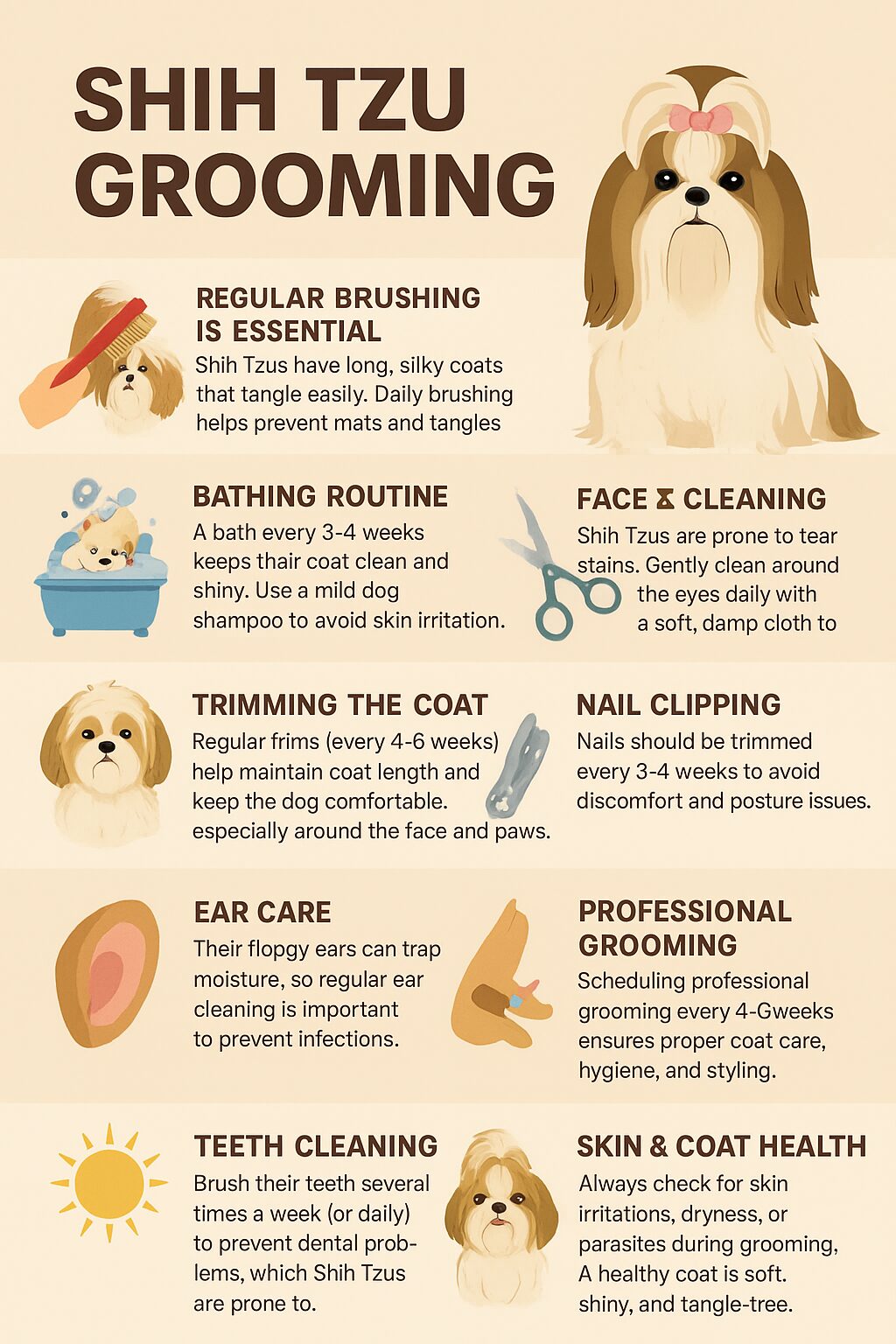
Brush your dog’s coat often. For short-haired dogs, once a week is enough. Long-haired dogs need brushing every day or two. Regular brushing removes dirt and loose fur. It also prevents mats and tangles.
Bathing
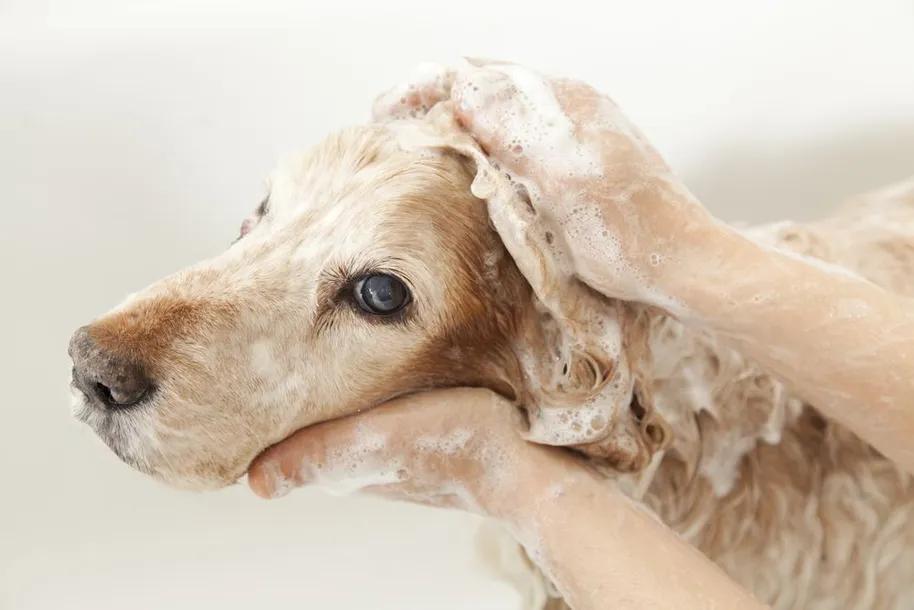
Bathe your dog about once a month. Some dogs with oily skin may need baths every two weeks. Dogs with dry skin should be bathed less often. Use dog-friendly shampoo to protect their skin. Avoid over-bathing, as it can cause dryness.
Nail Trimming
Trim nails every 3 to 4 weeks. Long nails can cause pain and walking problems. Check nails regularly for length and cracks. Some dogs wear down nails naturally. Others need more frequent trims at home or by a groomer.
Ear Cleaning
Clean ears every 2 to 4 weeks. Use a gentle ear cleaner made for dogs. Watch for redness, bad smell, or discharge. These can be signs of infection. Regular cleaning helps prevent ear problems and discomfort.
Teeth Brushing
Brush your dog’s teeth daily if possible. At least three times a week is good. Use dog toothpaste and a soft toothbrush. Dental care prevents bad breath and gum disease. Healthy teeth help your dog eat well and stay active.

Credit: purrfectgrooming.pet
Choosing Professional Grooming Services
Choosing professional grooming services helps keep your dog healthy and happy. Groomers have the skills and tools to care for your pet’s coat properly. They also spot skin problems early. This care is important for your dog’s comfort and appearance.
Professional grooming saves you time and effort. It ensures a thorough cleaning and trimming that may be hard to do at home. Knowing when and how to use these services makes a big difference.
When To Visit A Groomer
Dogs with long or thick fur need grooming more often than short-haired dogs. Usually, every 4 to 8 weeks is good. Watch for signs like mats, strong odor, or dirty ears. These show your dog needs grooming soon. Puppies and older dogs may need special care schedules. Talk to your vet or groomer about what fits your dog best.
Finding The Right Groomer
Choose a groomer who is gentle and experienced. Check reviews and ask friends for recommendations. Visit the salon to see cleanliness and how staff treat dogs. A good groomer listens to your needs and answers questions clearly. They should handle your dog with care and patience. This builds trust and makes visits easier for your pet.
Cost Considerations
Grooming prices vary by dog size, coat type, and services needed. Basic grooming usually costs less than full spa treatments. Some groomers offer packages or discounts for regular visits. Avoid choosing only by price. The best care often costs a bit more. Think about your budget and your dog’s health needs before deciding.
At-home Grooming Tips
Grooming your dog at home keeps them clean and comfortable. It also helps you check for health problems early. Regular grooming can reduce trips to the groomer and save money.
Here are simple tips to make at-home grooming easy and safe for your dog.
Essential Tools
Gather these basic tools before starting:
- Brush or comb suited for your dog’s coat type
- Dog-friendly shampoo and conditioner
- Nail clippers or grinder made for pets
- Soft towels for drying
- Ear cleaning solution and cotton balls
- Scissors with rounded tips for trimming fur
Having the right tools makes grooming smoother and safer.
Step-by-step Grooming Routine
Start by brushing your dog’s coat gently. Remove mats and loose fur. Next, bathe your dog with lukewarm water and mild shampoo. Rinse well to avoid skin irritation.
Dry your dog with towels or a low-heat blow dryer. Trim nails carefully to avoid cutting the quick. Clean ears by wiping the outer area gently.
Check eyes and teeth for dirt or signs of infection. Finish by brushing the coat again for a shiny look.
Safety Precautions
Choose a quiet place to groom your dog. Keep grooming sessions short to prevent stress. Watch for signs of discomfort or pain.
Never use human products on dogs. Avoid cutting nails too short to prevent bleeding. Keep scissors away from sensitive areas.
Stop grooming immediately if your dog becomes aggressive or scared. Consult a vet if you find sores, lumps, or fleas.
Credit: www.summitdogandcat.com
Benefits Of Regular Grooming
Regular grooming offers many benefits for dogs. It keeps them clean and healthy. Grooming also helps to catch health issues early. Dogs feel better and look their best with routine care.
Health Improvements
Grooming removes dirt, dead skin, and loose fur. It stops mats that can hurt your dog’s skin. Regular brushing spreads natural oils for a shiny coat. Checking ears and teeth prevents infections and decay. Nail trimming avoids pain and walking problems. Grooming helps spot ticks, fleas, or skin problems early.
Behavioral Advantages
Dogs that are groomed often feel calmer. Grooming lowers stress and reduces itching or discomfort. Brushing can stop shedding and hairballs. Clean dogs are less likely to develop bad odors. Grooming sessions teach dogs to relax and stay still. It builds good habits for vet visits or baths.
Strengthening Bond With Your Dog
Grooming is a quiet time for you and your dog. It builds trust and deepens your connection. Gentle touch and care make dogs feel safe. Spending time together improves your relationship. Dogs enjoy attention and feel loved during grooming. It helps you understand your dog’s needs better.
Credit: brooklynpetspa.com
Frequently Asked Questions
How Often Should I Groom My Dog At Home?
Home grooming should be done weekly to maintain cleanliness. Brushing removes dirt, loose hair, and prevents matting. Regular checks for skin issues or parasites help keep your dog healthy. Bathing frequency depends on coat type and activity level, usually every 4 to 6 weeks.
When Is Professional Dog Grooming Necessary?
Professional grooming is recommended every 4 to 8 weeks. It includes thorough cleaning, haircuts, nail trimming, and ear care. Dogs with long or thick coats often need more frequent visits. Professional groomers help prevent skin problems and maintain your dog’s overall hygiene.
Does Dog Breed Affect Grooming Frequency?
Yes, dog breed significantly influences grooming needs. Long-haired breeds require more frequent grooming than short-haired breeds. Breeds prone to matting or shedding need regular brushing and trims. Understanding your dog’s breed helps set an effective grooming schedule.
Can Grooming Prevent Health Issues In Dogs?
Regular grooming helps detect skin infections, parasites, and injuries early. It keeps your dog’s coat clean and reduces shedding. Nail trimming prevents pain and walking issues. Grooming also promotes better hygiene and comfort, contributing to your dog’s overall health.
Conclusion
Regular grooming keeps dogs healthy and happy. Different breeds need grooming at different times. Short-haired dogs require less frequent care. Long-haired dogs need grooming more often. Watch your dog’s coat for signs of mats or dirt. A clean coat helps avoid skin problems.
Brushing also reduces shedding and keeps fur shiny. Set a grooming schedule that fits your dog’s needs. Consistency makes grooming easier and more pleasant. Your dog will enjoy the extra attention and care. Keep grooming simple, and your dog will stay comfortable.


