

Are you passionate about dogs and want to turn that love into a rewarding career? Becoming a dog groomer might be the perfect path for you.
Imagine spending your days caring for furry friends, helping them look and feel their best. But how do you actually become a dog groomer? What skills do you need, and where do you start? Keep reading, and you’ll discover the simple steps that can lead you to a fulfilling job working with dogs every day.
Your new career could be closer than you think!
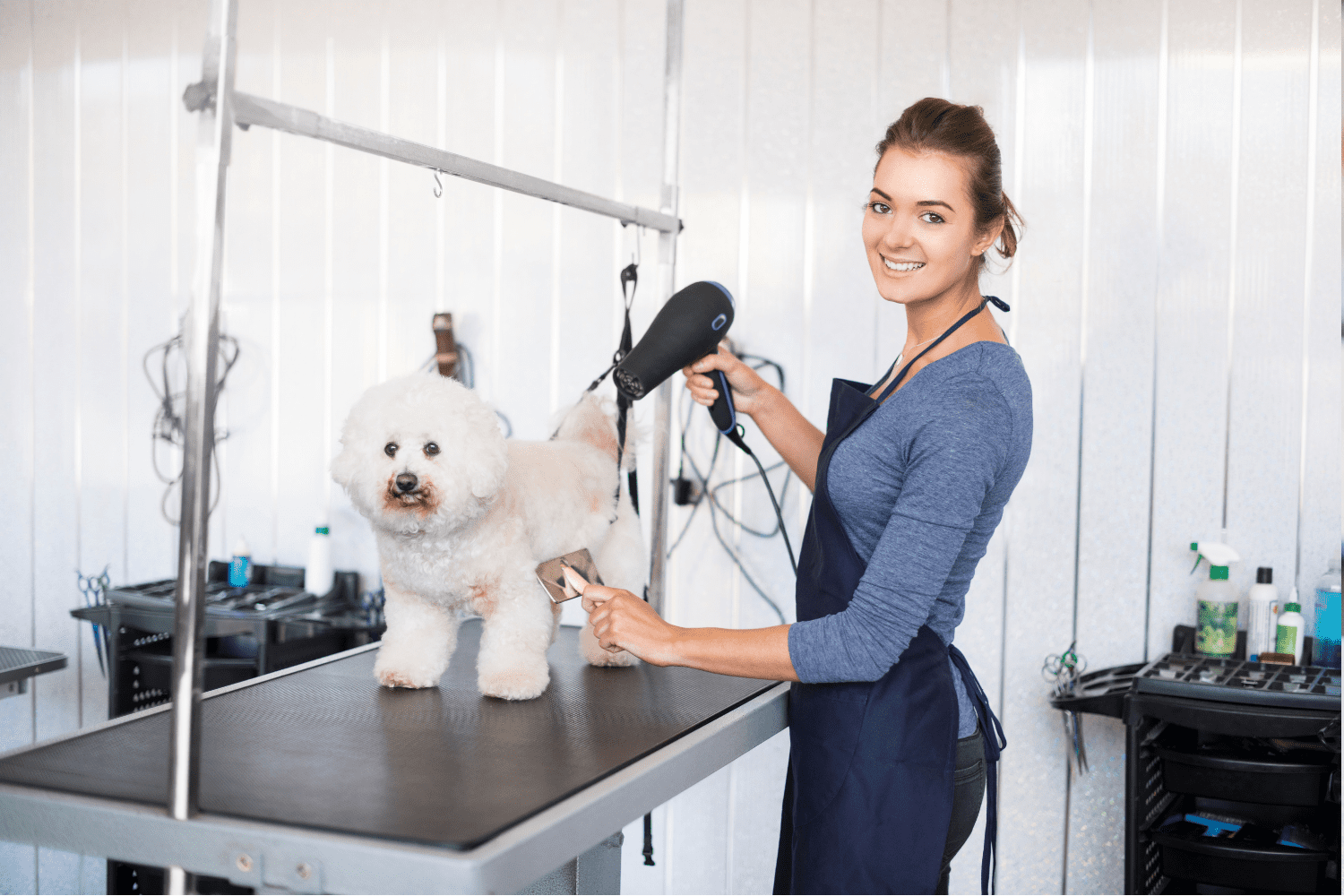
Credit: www.theacademyofpetcareers.com
Career Pathways In Dog Grooming
Dog grooming offers many career pathways. It suits people who love animals and enjoy hands-on work. The field has roles from beginner to expert levels. Each step brings new skills and chances to grow.
Entry-level Roles
Starting as a dog groomer often means working as an assistant. This role includes bathing dogs and cleaning equipment. It helps build basic grooming skills and comfort with animals. Some entry jobs are in pet shops or grooming salons. Learning on the job is common. Training programs and apprenticeships are good ways to start.
Advanced Positions
Experienced groomers can become lead stylists or salon managers. These roles need strong grooming skills and customer service. Advanced groomers handle complex breeds and styles. They may train new staff or manage schedules. Some work independently as mobile groomers. This level often requires certification and a good reputation.
Specializations
Groomers can specialize in specific areas. Some focus on show dog grooming, which demands precision and style. Others work with senior or special needs dogs. Specialty skills include creative cuts or pet spa treatments. These paths need extra training and practice. Specializing can increase job opportunities and earnings.
Essential Skills For Groomers
Becoming a skilled dog groomer requires more than just love for animals. It demands a set of essential skills that help you care for pets safely and professionally. These skills ensure each dog looks good and feels comfortable. They also help build trust with pet owners. Understanding these key abilities is the first step toward a successful grooming career.
Technical Grooming Techniques
Knowing how to use grooming tools is important. Clippers, scissors, and brushes must be handled with care. Different dog breeds need different grooming styles. Learning proper washing, drying, and trimming techniques helps avoid hurting the dog. Clean cuts and neat finishes show your skill. Practice and training improve your technical ability over time.
Animal Handling
Dogs can be nervous or scared during grooming. Calm and gentle handling keeps them safe and relaxed. Understanding dog behavior helps prevent bites and scratches. Patience is key when working with shy or energetic pets. Using a soft voice and slow movements builds comfort. Good handling creates a positive experience for the dog.
Customer Service
Pet owners want to trust their groomer. Clear communication explains the grooming process and outcomes. Listening to owner requests ensures satisfaction. Friendly and respectful service encourages repeat visits. Managing appointments and payments professionally is important. Great customer service builds strong relationships and a good reputation.
Training And Certification
Training and certification are key steps to becoming a dog groomer. Proper education helps you learn grooming skills safely and professionally. It also builds confidence to work with different dog breeds.
Various training options suit different learning styles. Choosing the right path ensures you gain the knowledge needed for success.
Grooming Schools
Grooming schools offer hands-on training with real dogs. These programs teach clipping, bathing, and styling techniques. Classes often include safety and animal care lessons. Many schools provide certificates after course completion. Attending a grooming school gives practical experience and expert guidance.
Online Courses
Online courses provide flexible learning at your own pace. Videos and tutorials cover grooming basics and advanced skills. Some courses offer live sessions for questions and feedback. Online learning suits those who cannot attend in person. Choose courses with good reviews and clear instructions.
Certification Bodies
Certification proves your grooming skills meet industry standards. Organizations like the National Dog Groomers Association offer tests and awards. Certified groomers show professionalism to clients and employers. Certification often requires passing a practical and written exam. Maintaining certification may need continuing education.
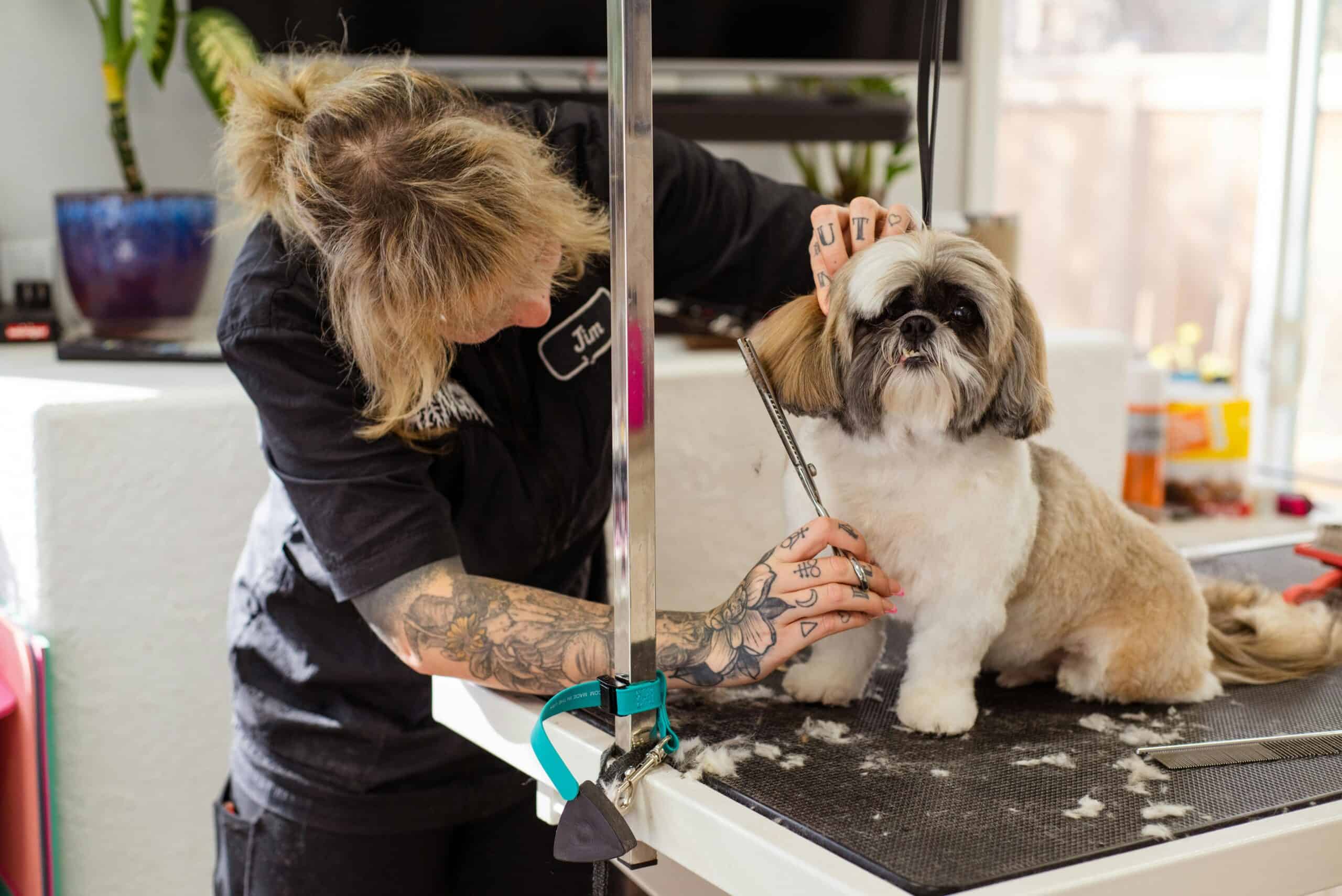
Credit: www.theacademyofpetcareers.com
Setting Up Your Grooming Business
Setting up your grooming business is the next big step after learning grooming skills. A good setup helps attract clients and keep pets safe. It also makes your work easier and more professional.
Choosing A Location
Pick a spot that is easy to reach for pet owners. A quiet place helps keep dogs calm during grooming. Plenty of parking space is a big plus. Check local rules about running a pet business in that area. A clean, well-lit space creates a good first impression.
Required Equipment
Start with basic tools like clippers, scissors, and brushes. A grooming table helps keep dogs steady. Invest in a good dryer to speed up drying time. Have towels and shampoos for different coat types. Make sure tools are sharp and clean for safety.
Health And Safety
Keep your area clean and disinfected after each pet. Use safe shampoos and products to avoid allergies. Train yourself to spot signs of stress or health issues in dogs. Wear gloves and use tools carefully to avoid injuries. Follow local health rules to protect pets and yourself.
Building A Client Base
Building a client base is key to success as a dog groomer. Without clients, your skills won’t turn into a steady income. Growing your client list takes time and effort. It means reaching out, making connections, and keeping clients happy. Start small, focus on quality, and watch your business grow.
Marketing Strategies
Use simple marketing methods to attract clients. Create flyers and post them in local pet stores or vet offices. Use social media platforms like Facebook or Instagram to share photos of your work. Show before and after pictures to catch attention. Offer discounts for first-time clients to encourage them to try your services.
Networking Tips
Meet other pet professionals in your area. Talk to vets, pet trainers, and pet store owners. They can refer clients to you. Attend local pet events or fairs to introduce yourself. Join online groups or forums about pets and grooming. Being friendly and helpful builds trust and spreads your name.
Client Retention
Keep clients coming back by offering excellent service. Be gentle and patient with every dog. Listen to client requests and preferences carefully. Send reminders for grooming appointments. Thank clients with small notes or loyalty discounts. Happy clients tell friends, helping your business grow naturally.
Common Challenges And Solutions
Becoming a dog groomer involves many challenges. Knowing these challenges helps you prepare better. Each challenge has practical solutions. This section highlights common problems and ways to handle them.
Handling Difficult Dogs
Some dogs may feel scared or aggressive during grooming. Stay calm and patient to help them relax. Use gentle touches and speak softly to build trust. Take breaks if the dog gets too stressed. Training in animal behavior can also improve your skills. Safety gear protects you from bites and scratches.
Managing Time
Grooming takes time, especially with many clients. Plan your day and schedule appointments carefully. Avoid rushing to keep quality high. Use checklists to stay organized and complete tasks faster. Set realistic time limits for each dog. Efficient time management reduces stress and increases productivity.
Dealing With Competition
Many groomers offer similar services. Focus on building strong relationships with clients. Provide excellent care and friendly service. Learn new grooming techniques to stand out. Use word of mouth and customer reviews to attract clients. Staying positive and professional helps you grow your business.
Staying Updated In The Industry
Staying updated in the dog grooming industry is important. It helps you keep your skills sharp and your knowledge fresh. The grooming world changes often. New tools and techniques appear regularly. Knowing these helps you give pets the best care. It also helps you stay competitive and trusted by clients.
Continuing Education
Courses and workshops teach new grooming methods. They also cover animal health and safety rules. Many grooming schools offer classes online or in person. Taking these classes regularly keeps your skills current. It shows your commitment to your profession. Some courses also offer certificates that boost your resume.
Trends In Grooming
Grooming styles change with time. Popular cuts and tools vary by season and region. Following trends helps you meet client expectations. Reading grooming magazines and blogs is a good start. Watching videos from experienced groomers also helps. Trying new styles can attract more customers.
Professional Associations
Joining grooming groups connects you with experts. Associations offer resources like training and events. Members often get discounts on supplies and insurance. These groups provide a platform to ask questions and share tips. Being part of a community builds your reputation and support network.
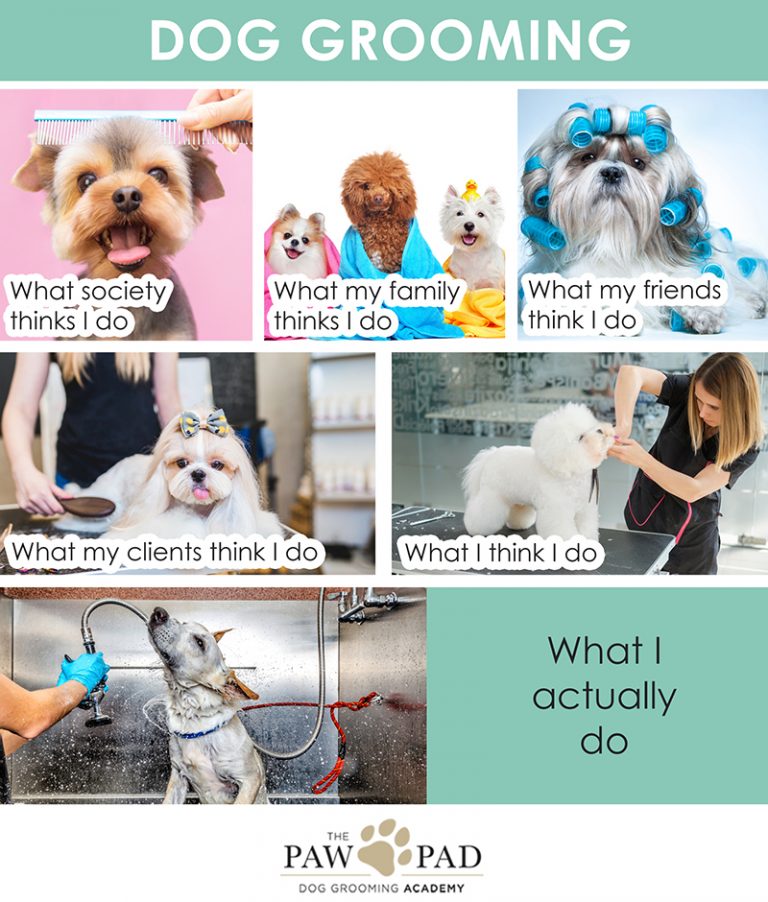
Credit: www.pawpaddogs.co.uk
Frequently Asked Questions
What Education Is Needed To Become A Dog Groomer?
Most dog groomers need a high school diploma or equivalent. Specialized grooming courses or certifications improve skills and job prospects. Hands-on training through apprenticeships or grooming schools is highly recommended for practical experience.
How Long Does Dog Grooming Training Take?
Training typically lasts from a few weeks to six months. Duration depends on the program’s intensity and whether it includes certification. Continuous practice helps groomers refine their skills over time.
What Skills Are Essential For A Dog Groomer?
Patience, attention to detail, and strong communication skills are crucial. Groomers must handle dogs gently and work efficiently. Knowledge of dog breeds, coat types, and grooming tools is also important.
Can I Become A Dog Groomer Without Certification?
Yes, certification is not always mandatory but highly recommended. Certified groomers often have better job opportunities and client trust. Certification shows professionalism and commitment to quality grooming.
Conclusion
Becoming a dog groomer takes time and practice. Start by learning basic skills and caring for dogs. Training and certification can help you gain trust. Work with experienced groomers to improve your techniques. Stay patient and kind with every pet you meet.
This job brings joy to both you and animals. Keep learning and enjoy each step of the journey. Your love for dogs can turn into a rewarding career.


