

How often should your dog be groomed? It’s a question every dog owner wonders about.
Grooming isn’t just about making your furry friend look good—it’s essential for their health and happiness. If you’re unsure when to schedule the next grooming session or how to keep your dog comfortable and clean, this guide is for you.
Keep reading to discover the perfect grooming routine tailored to your dog’s needs. Your pet will thank you!
Factors Influencing Grooming Frequency
Many things affect how often a dog needs grooming. Grooming keeps dogs clean and healthy. The right schedule depends on several key factors. Knowing these helps you care for your dog better.
Each dog is different. Some need grooming more often than others. Let’s explore the main reasons that change grooming frequency.
Breed And Coat Type
Different breeds have different coats. Some have short hair that stays neat. Others have long or curly hair that tangles easily.
Long-haired dogs like Shih Tzus need grooming every 4 to 6 weeks. Short-haired dogs like Beagles can go longer, around 8 to 12 weeks.
Coats that shed a lot need brushing more often. This helps remove loose hair and dirt.
Age And Health Conditions
Puppies need gentle grooming to get used to it. Older dogs may need more care due to health issues.
Dogs with skin problems or allergies need special attention. They might need baths and grooming more often.
Regular grooming helps spot health problems early, like lumps or irritations.
Activity Level And Environment
Active dogs that play outside get dirty faster. They may need grooming more often to remove mud and debris.
Dogs living in dusty or wet areas need more baths. Clean coats prevent skin infections.
Less active dogs or indoor pets may not need grooming as frequently.
Benefits Of Regular Grooming
Regular grooming offers many benefits for your dog’s health and happiness. It keeps your dog comfortable and clean. Grooming also helps you spot health issues early. These benefits improve your dog’s quality of life and strengthen your bond.
Preventing Matting And Tangles
Brushing your dog often stops mats and tangles. Mats pull on the skin and cause pain. They can hide dirt and bugs. Removing tangles early keeps the coat soft and healthy. It also makes your dog look neat and tidy.
Maintaining Skin Health
Grooming helps keep your dog’s skin healthy. It removes dead skin and dirt. Brushing spreads natural oils, which protect the skin. Regular checks find redness, bumps, or irritation early. Healthy skin prevents infections and itching.
Reducing Shedding And Allergens
Frequent grooming lowers shedding by removing loose hair. This keeps your home cleaner. It also reduces allergens that can bother people. Bathing and brushing help control dander, which causes allergies. Grooming makes your dog and home healthier.
Recommended Grooming Schedules
Dogs need regular grooming to stay healthy and happy. Grooming helps keep their skin clean and their coat shiny. Different types of dogs need different grooming schedules. Knowing how often to groom your dog keeps them comfortable and looking their best.
Below are suggested grooming times for various coat types. Follow these to keep your dog in great shape.
Short-haired Dogs
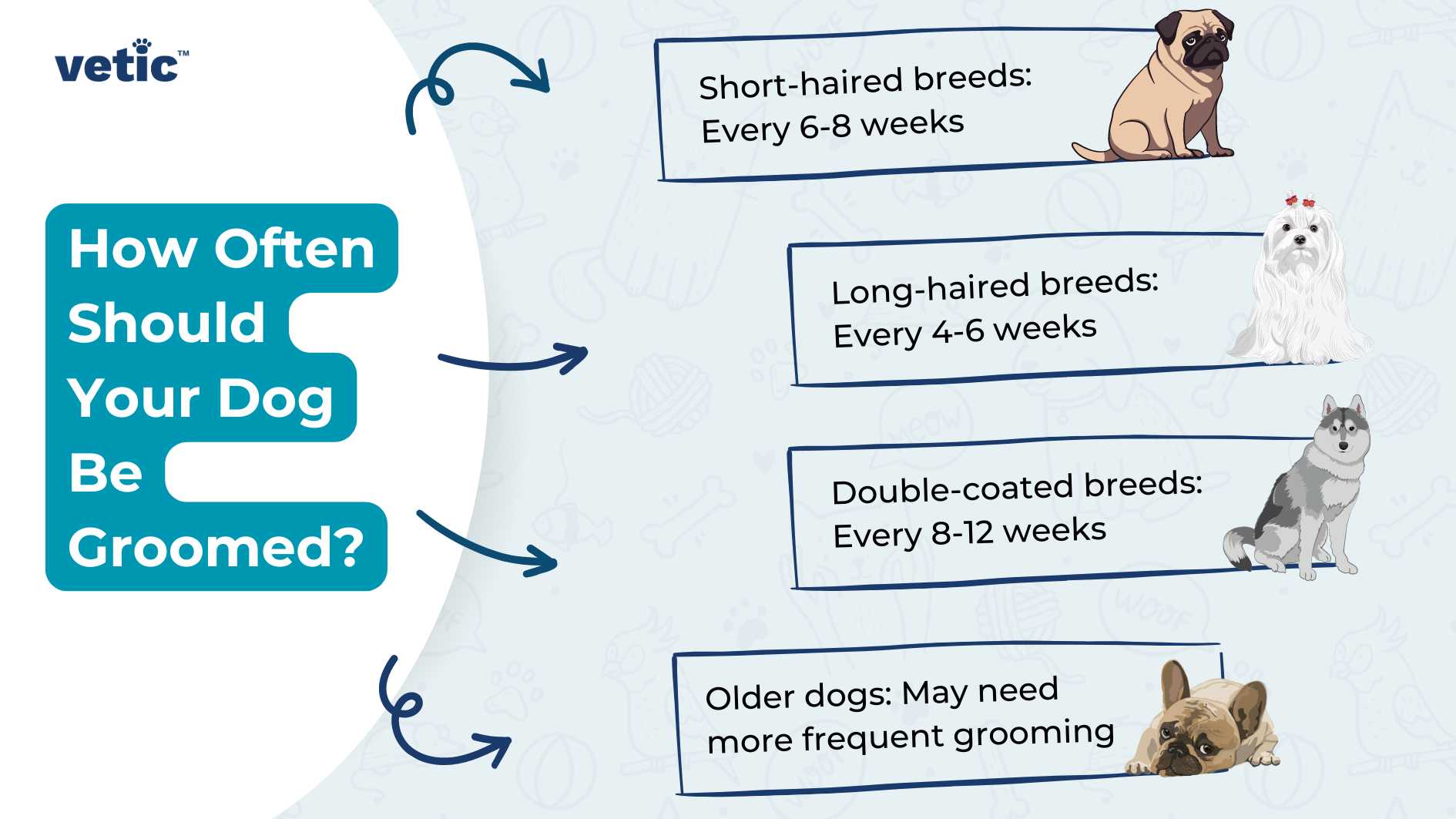
Short-haired dogs usually need less grooming. Brushing once a week removes loose hair and dirt. Baths every 4 to 6 weeks keep their skin clean. Nail trimming and ear cleaning should happen monthly.
Long-haired Dogs
Long-haired dogs need more attention. Brush their coat at least 3 times a week to avoid tangles. Bathing every 4 weeks helps prevent matting and keeps hair soft. Regular trims every 6 to 8 weeks maintain coat health.
Double-coated Breeds
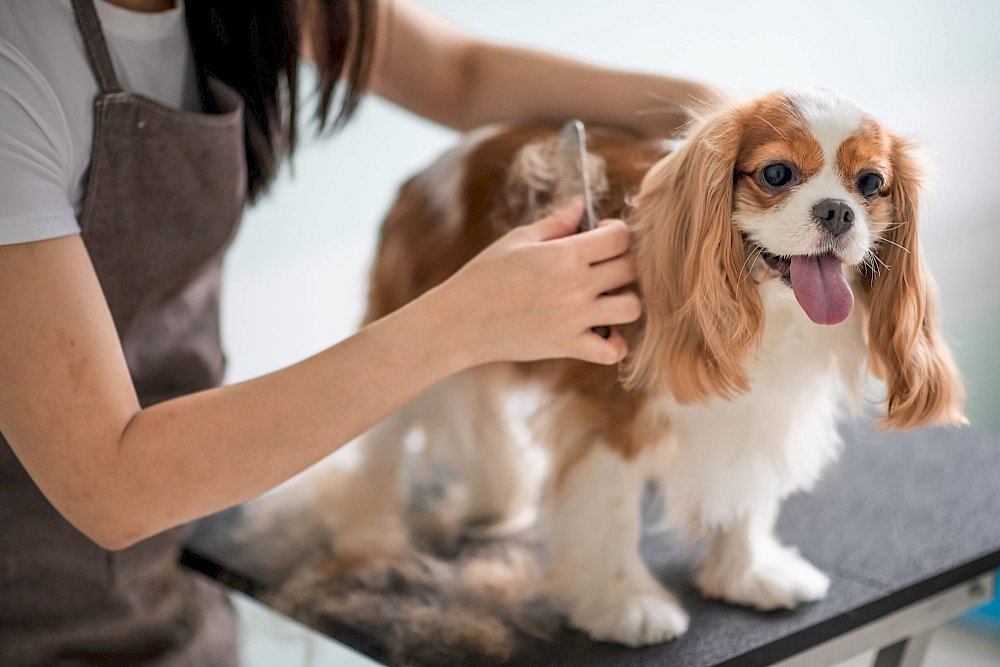
Double-coated breeds shed a lot. Brush them 2 to 3 times a week to remove dead hair. Baths every 6 to 8 weeks work well for these dogs. Extra care during shedding seasons is important for comfort.
Credit: www.brodieanimalhospital.com
Essential Grooming Tools
Grooming your dog regularly keeps them healthy and happy. Using the right tools makes grooming easier and more effective. Essential grooming tools help maintain your dog’s coat, skin, nails, and ears. These tools also make the grooming process more comfortable for your dog.
Brushes And Combs
Brushes and combs remove loose hair and dirt from your dog’s coat. They prevent mats and tangles, which can cause pain. Different brushes suit different coat types. For example, slicker brushes work well for long hair. Use a fine-toothed comb to find small knots and debris. Regular brushing spreads natural oils, making fur shiny and healthy.
Shampoos And Conditioners
Shampoos clean your dog’s coat and skin gently. Choose shampoos made for dogs to avoid irritation. Conditioners soften fur and reduce static. They help keep the coat smooth and easy to brush. Use shampoo and conditioner as directed for best results. Avoid human products; dogs have different skin pH levels.
Nail Clippers And Ear Cleaners
Clipping nails prevents pain and injury. Use nail clippers designed for dogs. Cut nails carefully to avoid the quick, which causes bleeding. Ear cleaners keep ears free from wax and dirt. Clean ears regularly to prevent infections. Use a vet-approved ear cleaner and cotton balls. Never insert objects deep into the ear canal.
Diy Grooming Tips
Grooming your dog at home helps keep them clean and healthy. Regular care prevents mats, skin problems, and bad smells. Simple grooming steps can save money and build trust with your pet. Here are some easy DIY grooming tips.
Bathing Techniques
Use lukewarm water to keep your dog comfortable. Wet the fur slowly and avoid the eyes and ears. Use a dog-friendly shampoo that suits your dog’s skin type. Massage gently to clean the coat well. Rinse thoroughly to remove all shampoo. Dry with a towel or low heat from a dryer. Bathing once a month is usually enough for most dogs.
Brushing Strategies
Brush your dog’s coat regularly to stop tangles and mats. Use a brush suited to your dog’s hair type. Short-haired dogs need brushing once a week. Long-haired dogs require brushing several times weekly. Start brushing from the neck and move down to the tail. Be gentle around sensitive areas like the belly. Brushing also helps remove dirt and loose hair.
Nail Trimming Safety
Keep your dog’s nails short to avoid pain and injury. Use a sharp nail clipper designed for dogs. Trim small bits at a time to avoid cutting the quick. The quick is the pink part inside the nail with blood vessels. Stop if you see bleeding and use styptic powder. Trim nails every 3 to 4 weeks to maintain healthy paws.
Credit: vetic.in
When To Visit A Professional Groomer
Knowing when to visit a professional groomer helps keep your dog healthy and happy. Groomers have the tools and skills to care for your dog’s coat, skin, and nails properly. Some signs show your dog needs expert care beyond home grooming. Choosing the right groomer ensures your pet feels safe and comfortable during visits. The frequency of professional grooming depends on your dog’s breed, coat type, and health needs.
Signs Your Dog Needs Expert Care
Look for mats or tangles that you cannot remove. Excessive shedding or hair loss can need special attention. Unpleasant odors may mean a deep cleaning is required. Overgrown nails that cause discomfort need trimming by a professional. Skin issues like redness, bumps, or dryness should get checked. If your dog seems stressed or uncomfortable during grooming, experts can help.
Choosing The Right Groomer
Pick a groomer with good reviews and experience. Ask about their training and handling of different dog breeds. Check if the salon is clean and well-organized. A friendly groomer who understands dog behavior is best. Visit the salon beforehand to see how they treat pets. Ensure they use safe and gentle products for your dog.
Frequency Of Professional Grooming
Short-haired dogs usually need grooming every 6 to 8 weeks. Long-haired or thick-coated breeds may require visits every 4 to 6 weeks. Dogs with skin conditions might need more frequent care. Puppies and older dogs can benefit from gentle, regular grooming. Adjust visits based on your dog’s activity level and environment. Regular professional grooming keeps your dog looking and feeling great.
Common Grooming Mistakes To Avoid
Grooming your dog is important for their health and happiness. Many pet owners make common grooming mistakes. These errors can cause discomfort or health problems for your dog. Knowing what to avoid helps keep your dog clean and healthy.
Overbathing And Skin Irritation
Bathing your dog too often can dry out their skin. This leads to itching and redness. Dogs have natural oils that protect their skin. Overbathing removes these oils and causes irritation. Stick to a bathing schedule based on your dog’s breed and activity level. Use gentle, dog-specific shampoos only.
Ignoring Dental Hygiene
Many owners forget about their dog’s teeth. Dental problems cause bad breath and pain. Plaque buildup can lead to serious diseases. Brushing your dog’s teeth regularly helps prevent these issues. Use a toothbrush and toothpaste made for dogs. Dental chews and toys also support oral health.
Neglecting Sensitive Areas
Some areas need extra care during grooming. These include ears, eyes, and paws. Dirt and wax in ears cause infections. Eyes can get irritated without cleaning. Paws collect dirt and can get cuts or cracks. Check and clean these spots carefully and often to avoid problems.
Credit: www.rspcapetinsurance.org.au
Frequently Asked Questions
How Often Should A Dog Be Groomed?
Most dogs need grooming every 4 to 8 weeks. Frequency depends on breed, coat type, and lifestyle. Regular grooming keeps your dog clean, healthy, and comfortable.
Does Dog Size Affect Grooming Frequency?
Yes, smaller dogs often require more frequent grooming. Their coats may mat faster and need regular trimming. Larger dogs usually need grooming less often but still benefit from routine care.
Can Grooming Prevent Dog Health Problems?
Absolutely. Grooming helps detect skin issues, parasites, and infections early. Regular brushing reduces shedding and mats, promoting healthy skin and coat. It also keeps nails trimmed, preventing discomfort or injury.
Is Professional Grooming Necessary For All Dogs?
Not always. Some owners can groom their dogs at home. However, professional groomers handle complex coats and provide thorough cleaning. Consider your dog’s breed and your grooming skills.
Conclusion
Regular grooming keeps dogs healthy and happy. Each dog needs grooming based on its breed and coat type. Short-haired dogs may need less frequent grooming. Long-haired dogs require more attention and care. Check your dog’s skin and coat often for dirt or mats.
Bathing, brushing, and nail trimming are key parts. Set a grooming schedule that fits your dog’s needs. Healthy grooming habits prevent problems and improve comfort. Keep your dog clean, comfortable, and looking good. Simple care helps your dog feel its best every day.


