

Do you ever see a dog and wonder, “What breed is that?” Knowing how to identify dog breeds can be both fun and useful. Whether you’re a dog lover, thinking of adopting, or just curious, recognizing different breeds helps you understand their behavior, needs, and personality.
In this guide, you’ll discover simple tips and tricks to spot key features that set each breed apart. By the end, you’ll feel more confident spotting your favorite dogs wherever you go. Ready to become a breed detective? Let’s dive in!
Key Physical Traits
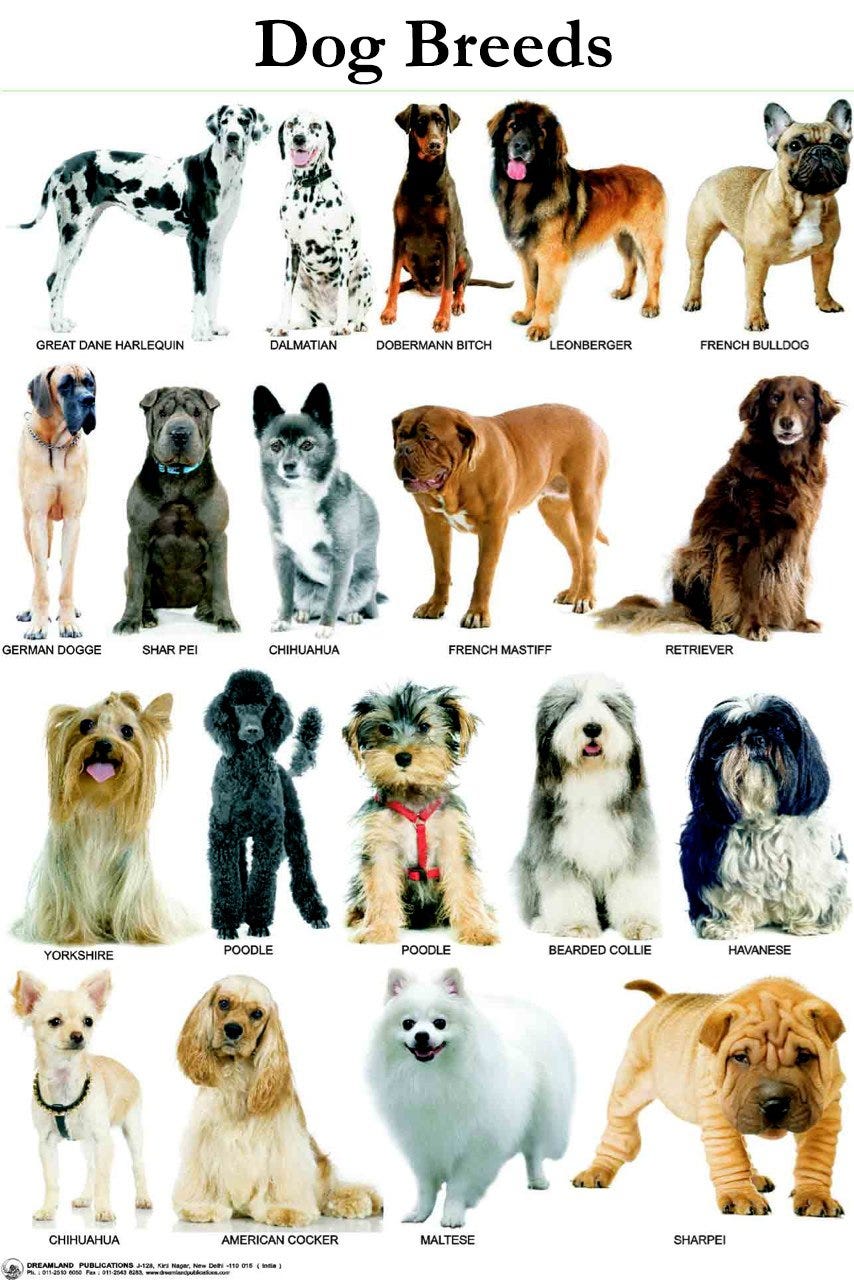
Understanding key physical traits helps identify dog breeds with ease. These traits show the dog’s natural design. Each breed has unique features that stand out. Observing these features gives clues about the breed’s identity.
Coat Type And Color
Coat type varies from short and smooth to long and curly. Some breeds have thick double coats for cold weather. Others have thin or wiry fur. Coat color also differs widely. Spots, patches, or solid colors appear in many breeds. Some dogs have unique patterns, like brindle or merle. Noticing coat type and color narrows down the breed options.
Size And Build
Dogs come in many sizes, from tiny to very large. Size often relates to the breed’s purpose, like guarding or hunting. Build refers to the body shape and muscle structure. Some breeds have a stocky, muscular build. Others are lean and agile. Watching size and build helps separate similar breeds. Size is a quick clue when identifying dogs.
Ear And Tail Shapes
Ear shape varies across breeds: floppy, pointed, or rounded. Tail shapes also differ, such as curled, straight, or docked. Some breeds have bushy tails, while others have thin ones. Ear and tail positions give strong breed hints. These small details often confirm a dog’s breed identity.
Credit: medium.com
Behavioral Clues
Behavioral clues offer a practical way to identify dog breeds. Dogs often show unique behaviors linked to their breed. Observing these behaviors helps recognize their breed traits quickly. This method works well alongside physical features and other signs.
Temperament Patterns
Each dog breed has a typical temperament. Some breeds are calm and gentle. Others might be more protective or alert. For example, retrievers tend to be friendly and social. Guard dogs often show watchful and confident attitudes. Noticing these patterns guides you toward the right breed.
Activity Levels
Activity level varies by breed and is a strong clue. High-energy dogs love running and playing. Breeds like Border Collies or Jack Russells need lots of exercise. Low-energy breeds, such as Bulldogs, prefer resting. Watching how active a dog is reveals much about its breed.
Common Habits
Breeds often have specific habits. Some dig holes or chase small animals. Herding breeds may try to control movement of people or pets. Others enjoy carrying toys or chewing on objects. Paying attention to these habits helps identify the breed more accurately.
Using Technology
Technology makes identifying dog breeds easier and faster. It helps both new dog owners and experienced enthusiasts recognize breeds without guesswork. Digital tools use photos and descriptions to match breeds accurately. These tools save time and provide reliable information.
Mobile Apps For Breed Id
Mobile apps use your phone’s camera to identify dog breeds. Take a clear photo of the dog, and the app analyzes it. The app compares the image with a large database of breeds. It then shows the most likely breed matches. Some apps also provide details about the dog’s history and traits. These apps work well for quick checks during walks or visits.
Online Breed Databases
Online breed databases list detailed information about many dog breeds. They include pictures, breed origins, and physical traits. Users can search by appearance, size, or other features. These databases often have expert advice on breed care. They offer a good way to learn more after identifying a breed. Many websites update their data regularly for accuracy.
Consulting Experts
Consulting experts can help you identify dog breeds accurately. Experts have the knowledge and experience needed to spot breed traits. They can guide you through the process and clear your doubts. Their advice is reliable and based on years of work with dogs.
Veterinarians’ Insights
Veterinarians see many dog breeds every day. They understand breed-specific health issues and physical traits. This knowledge helps them identify breeds with confidence. Vets can also suggest tests if breed identification is tricky. Their advice is trustworthy and often the first step in breed identification.
Professional Dog Trainers
Professional dog trainers work closely with different breeds. They recognize breed behavior and training needs. Trainers can spot breed characteristics beyond just looks. Their experience helps in identifying breed mixes too. Trainers offer practical insights that support accurate breed identification.
Mix Breed Identification
Mix breed identification can be tricky. Mixed breed dogs often show a blend of features from different breeds. Understanding these traits helps you guess their background. It also supports better care and training for your dog.
Two main methods help identify mix breeds. One is DNA testing, the other is spotting mixed traits.
Dna Testing Options
DNA tests provide clear breed information. You collect a small saliva sample from your dog. Then, send it to a lab for analysis. Results reveal the breeds in your dog’s ancestry. Some tests also show health risks and traits. This method is fast and reliable. It takes about two to four weeks to get results. Prices vary depending on the test type.
Recognizing Mixed Traits
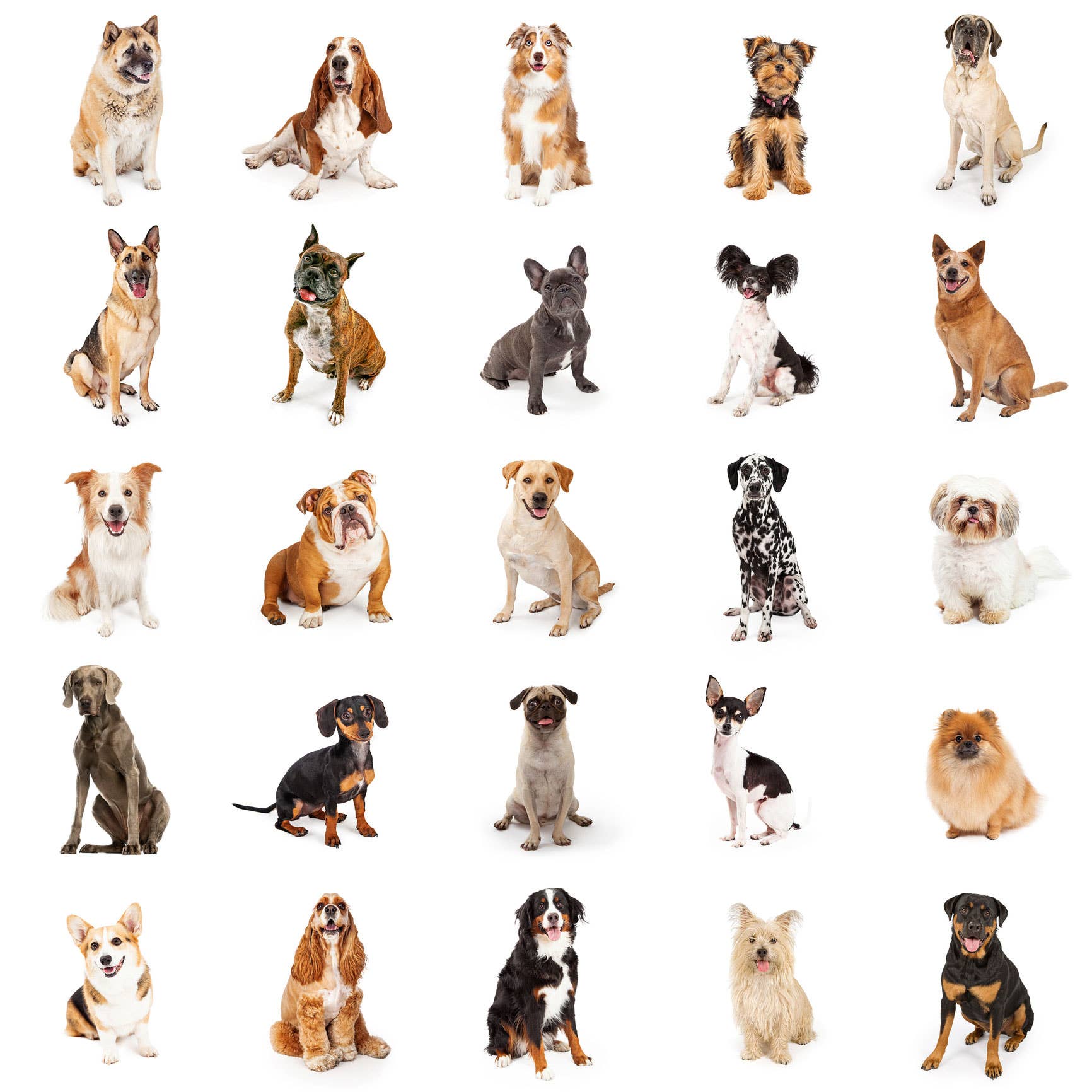
Look closely at your dog’s body shape. Notice the size, fur type, and color patterns. Mixed breeds often have unique combinations. For example, floppy ears with a curly tail. Pay attention to behavior too. Some traits come from specific breeds. A herding instinct or strong prey drive may stand out. Comparing your dog to common breed features helps. This approach requires patience and observation.

Credit: aikiou.com
Credit: vermontmarblemuseum.org
Frequently Asked Questions
How Can I Identify My Dog’s Breed Accurately?
You can identify your dog’s breed through visual traits like size, coat, and color. DNA testing kits provide precise breed analysis. Consulting a veterinarian or dog expert also helps in accurate identification.
What Are Common Physical Traits To Spot Dog Breeds?
Look for distinct coat patterns, ear shapes, tail types, and body size. These traits vary widely among breeds and help in quick identification. Observing behavior and activity levels can also provide clues.
Can Dna Tests Reveal Mixed Dog Breeds?
Yes, DNA tests can identify multiple breeds in mixed dogs. They analyze genetic markers to determine breed composition. This method is reliable and popular among pet owners for breed identification.
Why Is Identifying Dog Breeds Important?
Knowing your dog’s breed helps tailor care, diet, and training. It also informs you about potential health issues and behavior traits. Breed knowledge improves your bond and enhances responsible pet ownership.
Conclusion
Identifying dog breeds can be fun and rewarding. Pay attention to size, coat, and shape. Notice ears, tail, and colors too. Use photos and breed guides to help. Practice often to improve your skills. Knowing breeds helps care for dogs better.
Enjoy learning about different dogs each day. Keep exploring and stay curious about them.


