Have you ever wondered how much a vintage pull toy dog could be worth? Whether you found one in your attic or spotted one at a flea market, knowing its value can be exciting and surprising.
Your old toy might be more than just a nostalgic keepsake—it could be a hidden treasure. You’ll discover the key factors that affect the price of these charming collectibles and how to identify the real gems. Keep reading, and you might just unlock the secret value of your vintage pull toy dog.
Identifying Vintage Pull Toy Dogs
Identifying vintage pull toy dogs is the first step to understand their value. These toys tell stories through their materials, shapes, and brands. Recognizing these details helps collectors and sellers estimate worth. Each toy has unique features that reflect its time and maker.
Knowing what to look for makes the search easier and more fun. Focus on the toy’s build, design, and origin. These clues reveal the toy’s history and rarity.
Common Materials And Designs
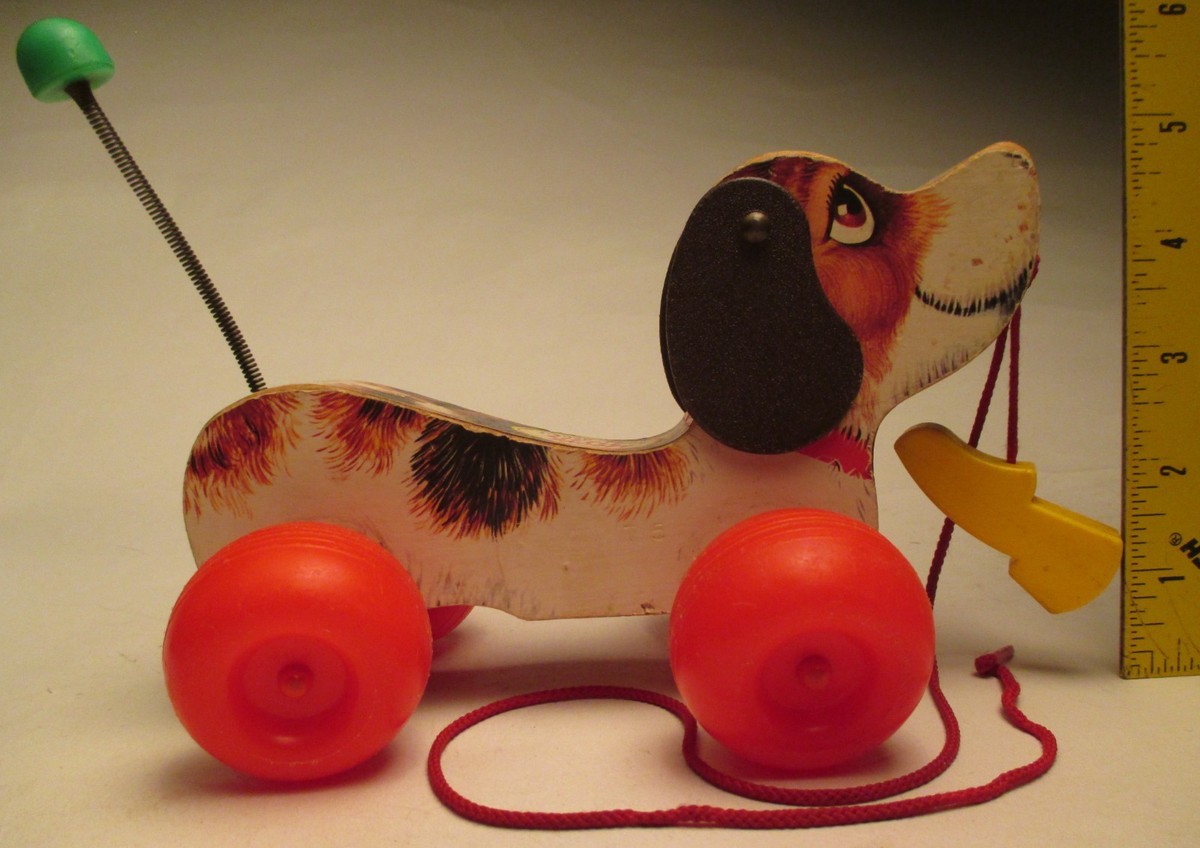
Vintage pull toy dogs often use wood, metal, or early plastics. Wood is smooth and may show signs of hand painting. Metal parts usually include wheels or joints. Some toys combine wood bodies with metal wheels for durability.
Designs vary from simple shapes to detailed animal figures. Many have moving parts like wagging tails or rolling eyes. Colors are usually bright but may fade over time. Simpler toys tend to be older and more valuable.
Popular Brands And Makers
Well-known brands make vintage pull toy dogs more collectible. Companies like Fisher-Price, Marx, and Schoenhut are famous. European makers such as Steiff and Hohner also crafted pull toys.
Look for brand stamps or labels on the toy’s body or underside. These marks help confirm authenticity. Some brands used unique styles or materials that stand out. Knowing the maker adds to the toy’s story and price.
Era And Style Indicators
The era of a pull toy dog affects its design and value. Early 1900s toys are often handmade with simple parts. Mid-century toys show more plastic and bright colors. Later toys may have complex mechanisms and detailed faces.
Style clues include the shape of the dog and its features. Older toys may have a rustic or folk art look. Newer ones appear more polished and mass-produced. Identifying the era helps place the toy in history and estimate worth.
Credit: www.ebay.com
Factors Affecting Value
Several factors affect the value of a vintage pull toy dog. Knowing these helps collectors and sellers estimate its worth. Each detail can raise or lower the price. Understanding these points gives a clearer picture of the toy’s market value.
Condition And Wear
The toy’s condition is the top factor in value. Toys with less damage or wear sell for more. Scratches, missing parts, or rust lower the price. Clean, well-kept toys attract buyers easily. Condition tells the story of how well the toy was cared for.
Rarity And Demand
Rare pull toy dogs are more valuable. Limited editions or unique designs increase worth. High demand among collectors pushes prices up. Toys made by famous brands also fetch higher prices. The more rare and wanted, the higher the value.
Original Parts And Paint
Original parts keep the toy authentic. Replaced pieces or repainting reduce value. Collectors prize toys with original paint and components. Faded paint is better than new paint covering old. Originality proves the toy’s age and history.
Assessing Authenticity
Assessing authenticity is key to knowing the true value of a vintage pull toy dog. Fake or copied toys can look very close to the real thing. Buyers must check details carefully to avoid paying too much for a reproduction. This process helps collectors and sellers understand the toy’s worth.
Knowing how to spot signs of authenticity takes practice. Focus on the toy’s features, marks, and quality. These clues show if a pull toy dog is genuine or not.
Spotting Reproductions
Reproductions often use cheaper materials. Plastic parts may replace wood or metal. Paint might look too new or shiny. Edges can be smooth and perfect, unlike worn originals. Check for modern screws or nails. These usually do not appear in vintage toys.
Verifying Maker Marks
Many vintage pull toy dogs have maker marks or stamps. These marks show the brand and sometimes the year. Faint or missing marks can raise doubts. Use a magnifying glass to find small or hidden marks. Research known makers to compare marks. Authentic marks add value and trust.
Evaluating Craftsmanship
Old pull toy dogs show hand-crafted details. Look for hand-painted designs and carved shapes. Quality wood and metal parts often last longer. Joints and wheels should move smoothly but may show wear. Rough or sloppy work suggests a fake. Good craftsmanship proves a toy’s age and origin.

Credit: www.ebay.com
Market Trends And Pricing
The market for vintage pull toy dogs is active and changing. Prices depend on demand, condition, and rarity. Collectors and sellers watch trends closely. Understanding market trends helps find a fair price.
Values can vary widely. This depends on where and how the toy sells. Watching recent sales and online listings gives a clearer picture of current pricing.
Recent Auction Results
Auctions show real buyer interest and final prices. Vintage pull toy dogs often sell between $50 and $300. Rare or well-preserved toys can reach higher bids. Auction results reflect what collectors pay right now.
Online Marketplace Insights
Online platforms list many vintage pull toy dogs. Prices vary based on age, brand, and condition. Sellers set asking prices between $40 and $250. Buyers compare many listings before deciding. These sites show current market demand.
Regional Price Variations
Prices differ by region due to local interest. In some areas, toys sell for more. Urban markets often have higher prices than rural ones. Knowing local trends helps sellers and buyers price toys accurately.
Tips For Selling Vintage Pull Toy Dogs
Selling a vintage pull toy dog takes some care. These toys have special value for collectors. To get the best price, use smart selling tips. Knowing where and how to sell helps a lot. Good listings attract more buyers. Talking with buyers can close deals better.
Choosing The Right Platform
Select a platform that fits your toy’s style and value. Online marketplaces like eBay reach many buyers. Antique sites attract serious collectors. Local auctions or flea markets work well for quick sales. Check fees and rules before listing. The right platform shows your toy to the right people.
Effective Listing Strategies
Write clear and simple descriptions. Mention the toy’s age, brand, and condition. Use good photos from different angles. Highlight any special features or damage. Set a fair price based on research. Include keywords like “vintage pull toy dog” to help searches. Clear listings build trust and interest.
Negotiating With Buyers
Be polite and patient during talks. Listen to buyer offers carefully. Don’t rush to say yes or no. Offer a small discount if needed. Explain why your toy is worth the price. Stay firm but friendly to get a fair deal. Good negotiation leads to happy sellers and buyers.
Credit: www.ebay.com
Caring For Vintage Pull Toys
Caring for vintage pull toys is important to keep their value and charm. These toys are delicate and need gentle handling. Proper care preserves their look and function. It also helps maintain their worth for collectors and family alike.
Cleaning And Maintenance
Clean vintage pull toys with a soft, dry cloth. Avoid water or harsh chemicals that can damage paint and wood. Use a small brush to remove dust from tight spots. Check wheels and moving parts for dirt or rust. Lightly oil metal joints to keep them moving smoothly. Regular dusting keeps the toy fresh and attractive.
Storage Recommendations
Store vintage pull toys in a cool, dry place. Avoid direct sunlight to prevent fading or cracking. Keep them away from damp areas to stop mold or rust. Use soft padding or cloth to protect delicate parts. Store toys separately to avoid scratches or dents. Proper storage prevents damage and keeps the toy safe.
Restoration Considerations
Restoring vintage pull toys can increase their value if done carefully. Use gentle methods and materials that match the original. Avoid over-restoring, which can reduce authenticity. Fix loose parts with non-damaging glue or small screws. Consult experts for serious repairs or repainting. Careful restoration preserves both beauty and worth.
Frequently Asked Questions
What Factors Determine A Vintage Pull Toy Dog’s Value?
The value depends on age, condition, brand, rarity, and materials. Original paint and working parts increase worth. Provenance and demand also affect price significantly.
Where Can I Sell My Vintage Pull Toy Dog?
You can sell through online marketplaces, antique shops, auctions, or collector fairs. Research venues to find the best price and audience for your item.
How To Identify An Authentic Vintage Pull Toy Dog?
Look for manufacturer marks, wear patterns, and original paint. Research the toy’s history and compare it with verified examples online or in collector guides.
What Is The Typical Price Range For Vintage Pull Toy Dogs?
Prices vary widely, from $50 for common models to over $500 for rare or excellent-condition toys. Market trends and seller reputation influence final sale prices.
Conclusion
Vintage pull toy dogs hold a special place for collectors and fans. Their worth depends on age, condition, brand, and rarity. Some toys can sell for just a few dollars, while rare pieces fetch hundreds. Clean toys with original parts often bring higher prices.
Understanding these factors helps you value your toy better. Keep your vintage pull toy safe and well cared for. This way, it can keep its charm and value over time. A vintage pull toy dog is more than just a toy; it’s a piece of history.