

Are you thinking about adding a furry friend to your life but worried about space or busy schedules? Small breeds of dogs might be the perfect fit for you.
These little companions bring big personalities and endless joy, all while fitting comfortably into your home and lifestyle. Whether you want a playful buddy for your daily walks or a calm lap dog to relax with, understanding what small breeds of dogs offer can help you make the best choice.
Keep reading to discover the charm, care tips, and unique traits of these pint-sized pals that could change your life.

Credit: www.naturesrecipe.com
Characteristics Of Small Dog Breeds
Small dog breeds have special features that make them unique. They are loved for their size and easy care. These dogs fit well in many homes. Their traits help owners choose the right pet.
Understanding small dog breeds helps in meeting their needs. Their size, behavior, activity, and health vary. Each point matters for a happy pet and owner.
Size And Weight Range
Small dog breeds weigh between 4 and 22 pounds. Most stand under 16 inches tall. Their compact size makes them easy to carry. They fit well in small spaces like apartments. Despite their size, they can be strong and sturdy.
Temperament Traits
Small dogs often have lively, friendly personalities. They enjoy attention and love to play. Some are calm and gentle, good with kids. Many are alert and make good watchdogs. Their moods can change quickly but remain loyal.
Exercise Needs
Small breeds need daily exercise but less than big dogs. Short walks and playtime keep them healthy. They enjoy games inside and outside. Exercise helps prevent boredom and bad behavior. Regular activity supports their mental and physical health.
Lifespan Expectations
Small dogs usually live longer than large breeds. Their lifespan ranges from 12 to 16 years. Some can live even beyond 18 years. Good care and regular vet visits increase their life. Healthy diet and exercise also add years.
Popular Tiny Dog Breeds
Small dog breeds have won many hearts worldwide. Their tiny size fits well in apartments and small homes. These breeds often have big personalities despite their small bodies. Many people prefer small dogs for their ease of care and portability. Below are some popular tiny dog breeds loved by many.
Chihuahua
Chihuahuas are one of the smallest dog breeds. They weigh just 2 to 6 pounds. Their alert nature makes them excellent watchdogs. Chihuahuas are loyal and enjoy close bonds with owners. They need gentle handling because of their size.
Pomeranian
Pomeranians have fluffy coats and lively personalities. They usually weigh around 3 to 7 pounds. These dogs are playful and love to be the center of attention. Pomeranians need regular grooming to keep their fur neat. They adapt well to city life.
Yorkshire Terrier
Yorkshire Terriers, or Yorkies, are small but brave. They weigh about 4 to 7 pounds. Yorkies have silky, fine hair that requires care. They are intelligent and enjoy learning new tricks. These dogs suit active people and small spaces.
French Bulldog
French Bulldogs are small but strong. They weigh 16 to 28 pounds, making them a bit bigger. They have a calm and friendly nature. French Bulldogs are great companions for families. Their short coat is easy to maintain.
Dachshund
Dachshunds are known for their long bodies and short legs. They weigh between 11 to 32 pounds depending on type. These dogs are curious and lively. They enjoy playtime and need regular exercise. Dachshunds are loyal and make good pets.
Living With Small Dogs
Living with small dogs brings joy and unique challenges. Their size makes them perfect for many homes, especially smaller spaces. Small dogs have big personalities and need special care to stay happy and healthy.
Apartment-friendly Factors
Small dogs fit well in apartments. They need less room to move and play. Daily walks keep them active and calm. Noise can be an issue; training helps reduce barking. Make sure your apartment allows pets. Provide toys to keep them busy indoors.
Grooming Tips
Small dogs need regular grooming to look their best. Brush their coat often to prevent tangles. Bathing depends on the breed and activity level. Trim nails to avoid pain or injury. Check ears for dirt and clean gently. Grooming keeps dogs comfortable and healthy.
Feeding And Nutrition
Feed small dogs high-quality food made for their size. Measure portions to avoid overfeeding. Small breeds burn energy quickly but need balanced meals. Fresh water should always be available. Avoid giving human food that might harm them. Proper nutrition supports their energy and health.
Health Concerns
Small dogs face specific health issues. Dental problems are common and need attention. Watch for signs of joint pain or stiffness. Regular vet visits help catch illnesses early. Keep vaccinations and parasite control up to date. Healthy habits improve your dog’s quality of life.
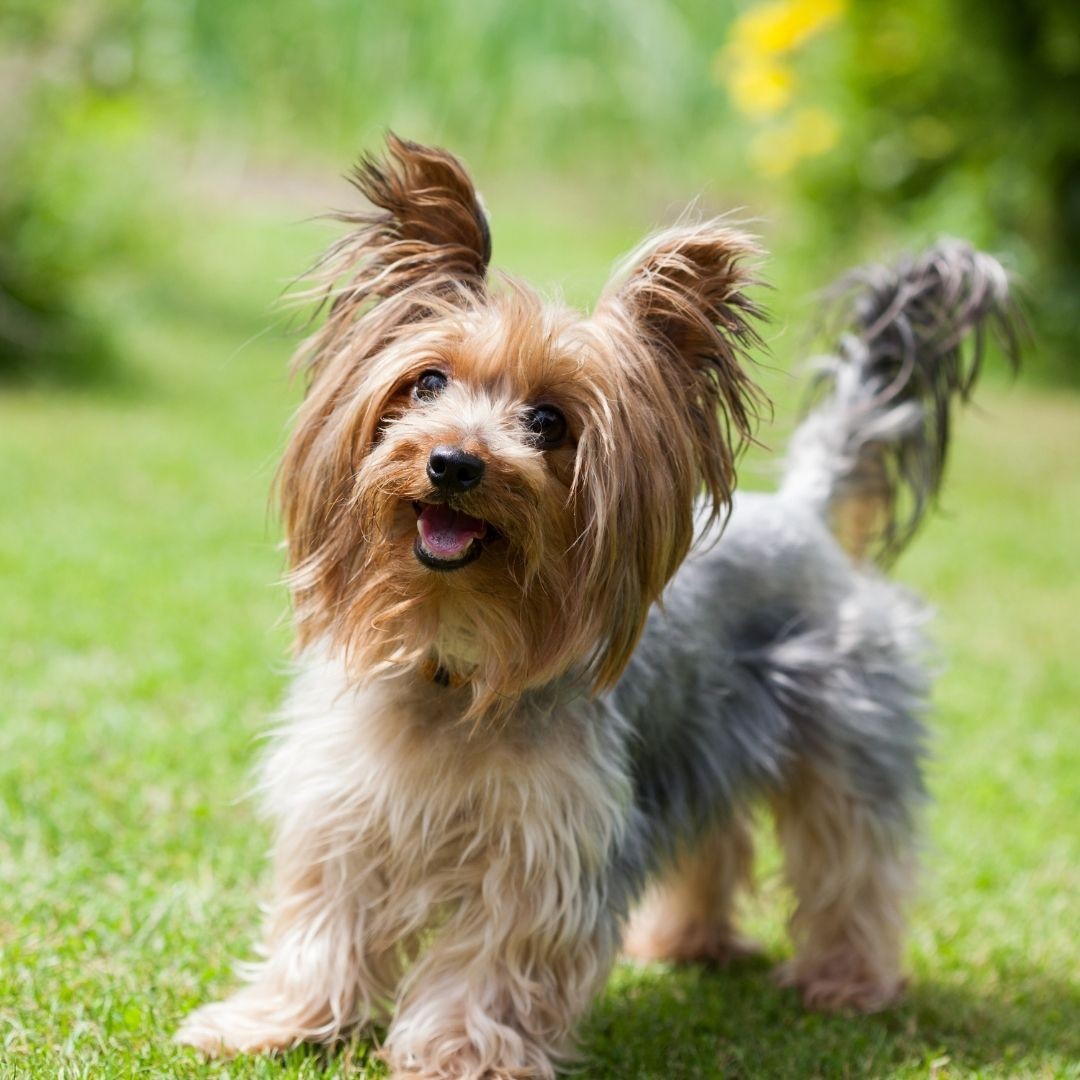
Credit: pottybuddy.co
Choosing The Right Small Breed
Choosing the right small breed is important for a happy home. Small dogs come in many types, each with its own personality and needs. Picking a breed that fits your lifestyle makes living with your dog easier and more fun.
Matching Energy Levels
Small dogs can have very different energy levels. Some are playful and need lots of exercise. Others prefer calm walks and quiet time. Choose a breed with energy that matches yours. This helps avoid frustration for both you and your dog.
Considering Family Dynamics
Think about everyone in your home before choosing a small dog. Some breeds do well with kids and other pets. Others need more gentle care and quiet spaces. Pick a dog that fits your family’s daily routine and noise levels.
Allergy-friendly Options
Many small breeds are better for people with allergies. These dogs shed less or have hair that traps dander. Breeds like the Maltese or Bichon Frise are good choices. They help keep your home cleaner and allergy symptoms low.
Training And Socializing Small Dogs
Training and socializing small dogs is very important. These dogs often have big personalities in small bodies. Proper training helps them behave well at home and in public. Socializing them early prevents fear and aggression. It builds confidence and good manners.
Small dogs can learn many commands just like bigger dogs. Patience and consistency are key. Training sessions should be short and fun. Positive reinforcement works best. Use treats and praise to encourage good behavior.
Basic Commands
Teach your small dog simple commands first. Start with “sit,” “stay,” “come,” and “down.” These commands keep your dog safe and calm. Practice daily for a few minutes. Use clear words and gentle tones. Reward your dog immediately after they follow a command.
Socialization Strategies
Introduce your small dog to new places and people early. Let them meet other dogs in safe areas. Take short trips to parks and pet-friendly stores. Watch for signs of fear or stress. Praise calm behavior and offer treats. Gradual exposure helps your dog feel comfortable everywhere.
Handling Behavioral Issues
Small dogs may show barking, biting, or jumping. These behaviors often come from fear or excitement. Address issues quickly with calm correction. Redirect your dog’s attention to a toy or command. Avoid yelling or harsh punishment. Consistent training and patience improve behavior over time.

Credit: realendpoints.com
Frequently Asked Questions
What Defines A Small Breed Dog?
Small breed dogs typically weigh under 22 pounds. They have compact bodies and are suited for smaller living spaces. These breeds often have lively personalities and require less exercise than larger dogs, making them ideal for apartment living.
Which Are The Most Popular Small Dog Breeds?
Popular small breeds include the Chihuahua, Pomeranian, Dachshund, and French Bulldog. These dogs are loved for their friendly nature and manageable size. They suit families and individuals looking for a compact, affectionate companion.
Are Small Breed Dogs Good For Families?
Yes, many small breeds are excellent family pets. They tend to be gentle, playful, and adaptable. Proper training and supervision ensure they interact safely with children and other pets.
How Much Exercise Do Small Dogs Need?
Small dogs usually need moderate daily exercise. About 30 minutes of walks and playtime keep them healthy. Their energy levels vary by breed, so adjust activity accordingly.
Conclusion
Small dog breeds bring joy and comfort to many homes. They fit well in apartments and small spaces. These dogs often have big personalities despite their size. Choosing the right small breed depends on your lifestyle. They need love, care, and regular exercise to stay happy.
Small breeds can be great companions for all ages. Their charm and energy make them special pets. Think about your needs and preferences before deciding. A small dog can bring warmth and fun every day.


