

If you want your dog to look and feel their best, knowing how to groom dog hair is essential. Grooming isn’t just about keeping your pet clean—it helps prevent health issues, reduces shedding, and strengthens the bond between you and your furry friend.
Imagine running your fingers through soft, tangle-free fur while your dog relaxes happily. Sounds great, right? In this guide, you’ll discover simple, effective tips that make grooming easy and stress-free for both you and your dog. Keep reading to learn how to turn grooming into a moment you both look forward to.
Credit: www.jodimurphy.net
Choosing The Right Tools
Choosing the right tools is key for grooming your dog’s hair well. Good tools make grooming easier and keep your dog comfortable. Different dog types need different brushes and accessories. Knowing what to pick helps keep your dog’s coat healthy and clean.
Brush Types And Uses
There are many brush types, each for different coats and needs. Slicker brushes remove loose hair and mats. Pin brushes work well on long, curly fur. Bristle brushes smooth short coats and spread natural oils. Choose a brush that fits your dog’s coat type and length. Using the right brush prevents skin irritation and keeps hair shiny.
Selecting Quality Grooming Products
Pick grooming products made for dogs, not humans. Shampoos should be gentle and free from strong chemicals. Conditioners help keep hair soft and tangle-free. Avoid products with harsh scents or ingredients. Good quality products protect your dog’s skin and coat. Always check for allergies before using new products.
Essential Grooming Accessories
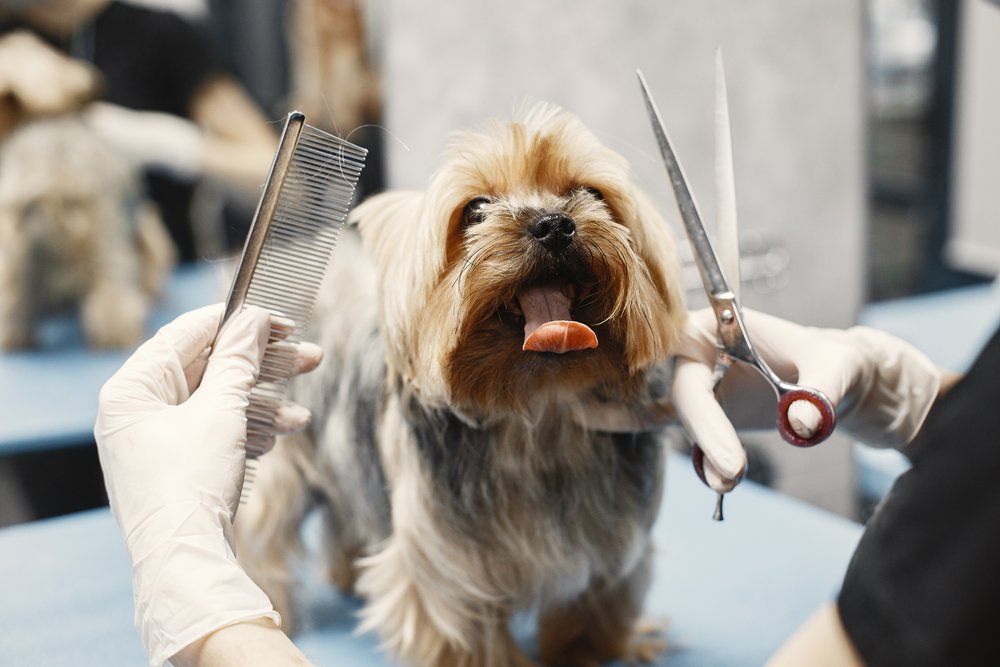
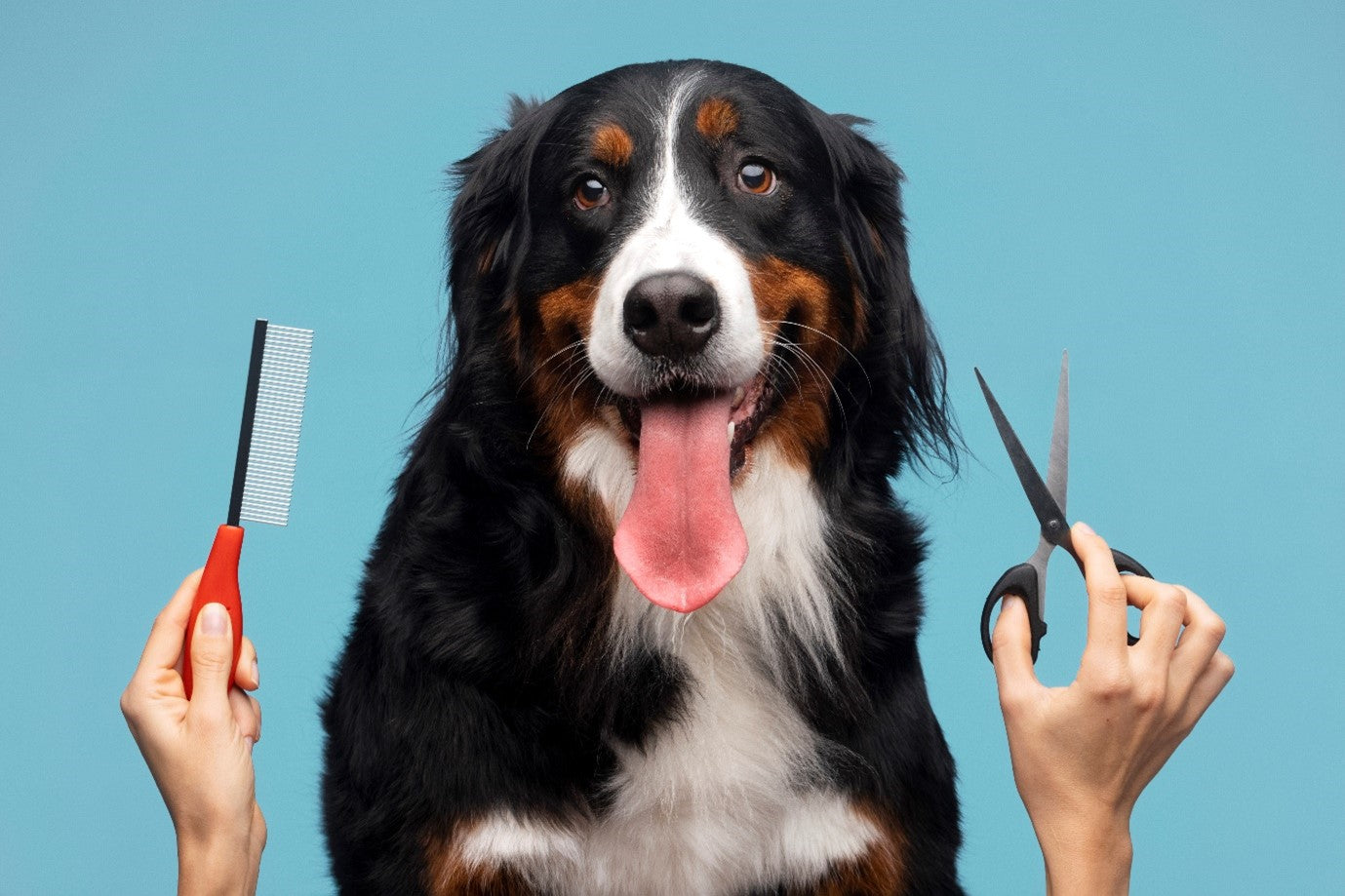
Some tools are must-haves for every dog groomer. Nail clippers keep your dog’s paws healthy and prevent injury. Ear cleaners help avoid infections and keep ears fresh. Grooming scissors are good for trimming problem areas. Towels and grooming gloves make the process neat and easy. Keep your tools clean and sharp for best results.
Credit: www.petterati.com
Preparing Your Dog For Grooming
Preparing your dog for grooming is key to a smooth session. It helps your dog feel safe and relaxed. Taking time before grooming makes the process easier for both of you. Proper preparation also improves your dog’s coat health. Start early to build good habits.
Creating A Calm Environment
Choose a quiet spot without loud noises. Speak softly to your dog to keep them calm. Use gentle touches and slow movements. Keep grooming tools ready and close by. A calm place helps your dog stay relaxed.
Brushing Before Bathing
Brush your dog’s hair before the bath. This removes loose fur and tangles. Brushing makes washing easier and more effective. Use a brush suitable for your dog’s coat type. Brush gently to avoid hurting your dog.
Checking For Skin Issues
Look closely at your dog’s skin. Check for redness, bumps, or sores. Notice any fleas, ticks, or dry patches. Spotting problems early helps you act fast. If you see anything unusual, ask your vet.
Bathing Techniques
Bathing is a key part of grooming your dog’s hair. It keeps their coat clean and healthy. Bathing also helps remove dirt, loose hair, and bad odors. Using the right techniques makes the process safe and comfortable for your dog. Follow these tips to bathe your dog properly and keep their hair looking its best.
Choosing The Best Shampoo
Select a shampoo made especially for dogs. Human shampoos can irritate their skin. Pick one that suits your dog’s coat type and skin needs. For example, sensitive skin needs a gentle, fragrance-free shampoo. Oily coats require a shampoo that controls oil. Always check the ingredients to avoid harsh chemicals.
Proper Bathing Steps
Start by brushing your dog to remove loose hair. Use warm water, not hot or cold. Wet your dog’s coat thoroughly. Apply shampoo and massage it gently into the fur. Avoid the eyes, ears, and nose. Rinse well to remove all shampoo. Leftover shampoo can cause itching and dryness.
Drying Tips For Different Coats
Use a towel to pat your dog dry. For short coats, towel drying may be enough. Long or thick coats might need a blow dryer. Use the dryer on low heat and keep it moving. Never point the dryer directly at the skin for long. Let your dog air dry in a warm room after towel drying.

Credit: www.youtube.com
Brushing And Detangling
Brushing and detangling are key steps in keeping your dog’s coat healthy and clean. Regular brushing removes loose hair and dirt. It also helps prevent painful mats and tangles. A smooth coat shines and feels soft to touch. Brushing is a simple way to bond with your pet. It keeps their skin healthy by spreading natural oils evenly.
Brushing Frequency By Coat Type
Different coats need different brushing times. Short-haired dogs need brushing once a week. Medium-haired dogs benefit from brushing two to three times weekly. Long-haired dogs need daily brushing to avoid tangles. Dogs with curly or thick coats also require frequent brushing. Adjust brushing based on your dog’s coat and activity level.
Handling Mats And Tangles
Mats can hurt your dog’s skin and cause discomfort. Use your fingers to gently loosen small mats first. For larger mats, use a mat splitter or dematting comb. Work slowly and patiently to avoid pulling on the skin. Never cut mats out with scissors as it risks injury. Regular brushing reduces mats and keeps the coat smooth.
Using Detangling Sprays
Detangling sprays make brushing easier and less painful. Spray lightly on the coat before brushing. These sprays help loosen knots and reduce static. Choose sprays that are safe and made for dogs. Avoid sprays with strong chemicals or perfumes. Detangling sprays protect the coat and keep it soft.
Trimming And Styling
Trimming and styling your dog’s hair keeps them comfortable and looking neat. It also helps prevent mats and tangles. Regular trims improve your dog’s hygiene and can reduce shedding. Styling adds a personal touch and suits your dog’s breed and personality.
Safe Clipping Practices
Use sharp, clean clippers to avoid pulling hair. Start with a longer guard to prevent cutting too short. Hold your dog steady and calm during the process. Clip in the direction of hair growth for a smooth finish. Check skin often for cuts or irritation. Take breaks if your dog gets restless. Never rush; safety is more important than speed.
Common Trim Styles
The puppy cut is simple and suits many breeds. It keeps hair short and easy to manage. The teddy bear cut rounds the face for a soft look. The lion cut leaves hair longer on the head and tail. The breed-specific cut follows traditional styles for your dog. Choose a style that fits your dog’s coat and lifestyle.
When To Visit A Professional
Seek a groomer if your dog has thick mats or sensitive skin. Professionals handle difficult trims and complicated styles. Visit a groomer for first-time trims to learn proper care. Ask for advice on tools and maintenance between visits. Regular professional grooming helps keep your dog healthy and clean.
Maintaining Coat Health
Keeping your dog’s coat healthy is key to their overall well-being. A shiny, soft coat shows your dog is well cared for and happy. Proper grooming and care help prevent skin problems and keep your dog comfortable.
Healthy hair starts with good care at home. Regular attention to nutrition, grooming, and skin checks supports a strong coat. Let’s explore simple steps to maintain your dog’s coat health.
Nutrition For A Shiny Coat
A balanced diet is important for a glossy coat. Foods rich in omega-3 and omega-6 fatty acids support skin and hair health. High-quality proteins help hair grow strong and thick. Fresh water keeps skin hydrated and hair smooth. Avoid cheap foods with fillers or artificial additives. Proper nutrition shows quickly in your dog’s coat shine.
Regular Grooming Schedule
Brush your dog’s hair often to remove dirt and loose fur. Brushing spreads natural oils that keep hair soft and shiny. Bath your dog with gentle shampoo every 4-6 weeks. Too much washing can dry out skin and coat. Trim hair carefully to avoid mats and tangles. A consistent grooming routine keeps hair clean and healthy.
Monitoring For Allergies And Irritations
Check your dog’s skin for redness, bumps, or hair loss. Allergies can cause itching and dull hair. Keep an eye on your dog’s scratching or licking habits. Consult a vet if you notice skin irritation or unusual hair changes. Early care helps prevent serious skin problems. Healthy skin means a healthy, beautiful coat.
Special Considerations For Different Breeds
Different dog breeds need different grooming care. Their hair type, length, and thickness affect how you groom them. Understanding these differences helps keep your dog healthy and happy.
Long-haired Breeds
Long-haired dogs need daily brushing to stop mats and tangles. Use a slicker brush or comb made for long fur. Check for knots near ears, paws, and tail. Regular trims help keep hair neat and clean.
Short-haired Breeds
Short-haired dogs need less brushing but still benefit from it. Use a rubber curry brush or soft bristle brush. This removes loose hair and dirt. Grooming helps spread natural oils and keeps skin healthy.
Double-coated Breeds
Double-coated dogs have a thick undercoat and longer topcoat. They shed heavily, especially in spring and fall. Use an undercoat rake or de-shedding tool to remove loose fur. Brush often to prevent matting and skin problems.
Frequently Asked Questions
How Often Should I Groom My Dog’s Hair?
Groom your dog’s hair every 4 to 6 weeks. Regular grooming prevents mats, tangles, and skin problems. Frequency depends on your dog’s coat type and activity level.
What Tools Are Best For Grooming Dog Hair?
Use a slicker brush, comb, and grooming scissors. Choose tools based on your dog’s coat type. Proper tools make grooming easier and more effective.
Can Grooming Reduce Dog Shedding?
Yes, grooming helps reduce shedding by removing loose fur. Regular brushing spreads natural oils, keeping the coat healthy and shiny. Shedding control depends on breed and grooming consistency.
How Do I Prevent Matting In Dog Hair?
Brush your dog daily to prevent mats. Use detangling spray and a comb for stubborn knots. Regular grooming keeps the coat smooth and comfortable.
Conclusion
Grooming your dog’s hair keeps them healthy and happy. Regular brushing stops mats and tangles from forming. Clean coats help your dog feel comfortable and look good. Simple tools and short sessions make grooming easy. Stay gentle and patient during each step.
Your dog will enjoy the care and attention. Small efforts bring big benefits to your pet’s well-being. Keep grooming part of your routine to see lasting results.
