

Have you ever wondered why you sneeze or your eyes itch around some dogs but not others? You might think you’re just allergic to dogs in general, but the truth is more specific.
Certain breeds can trigger allergies more than others. Understanding which dogs affect you—and why—can help you enjoy your time with furry friends without the sniffles and discomfort. Keep reading to discover how your body reacts to different dog breeds and what you can do about it.
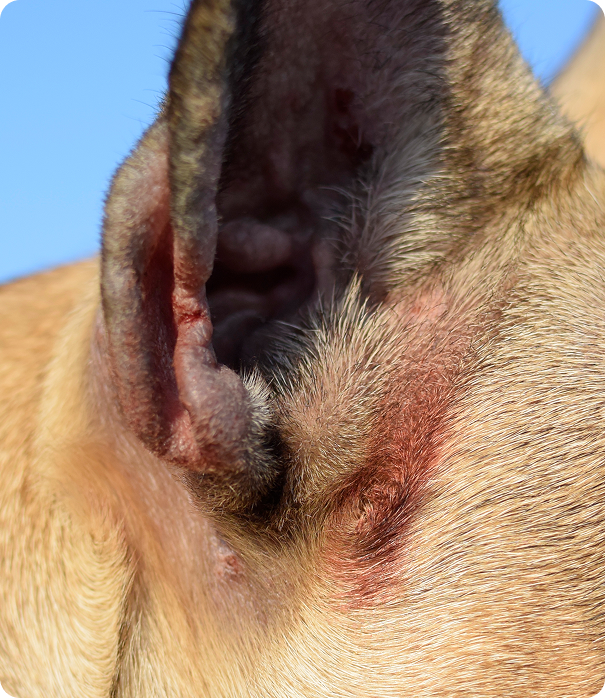
Credit: www.sydneybulldogclinics.com.au
Dog Allergies Explained
Many people wonder if certain dog breeds cause allergies more than others. Understanding dog allergies helps to know why some individuals react to dogs. Allergies happen because the body’s immune system reacts to something harmless. In this case, it is proteins found in dogs.
These proteins come from dog skin flakes, saliva, and urine. People who are allergic may experience symptoms when exposed to these proteins. Knowing what causes allergies and the symptoms can help manage the condition better.
What Causes Dog Allergies
Dog allergies are caused by proteins called allergens. These allergens come from a dog’s skin, saliva, and urine. When dogs shed skin flakes, these allergens spread in the air and on surfaces. People with sensitive immune systems see these allergens as threats. Their body then releases chemicals like histamine. This causes allergy symptoms to appear.
All dog breeds produce allergens, but some produce more than others. The level of allergens can vary by breed, size, and individual dog. Hair type does not always mean less allergen. Even hairless dogs can cause allergies because allergens come from skin and saliva.
Common Allergy Symptoms
Allergy symptoms can range from mild to severe. Common symptoms include sneezing and runny nose. Itching eyes and watery eyes are frequent signs too. Some people develop skin rashes or hives. Breathing problems like coughing or wheezing can also occur. Symptoms usually start soon after contact with a dog.
Symptoms may worsen in places with more dog allergens. They may improve when away from dogs or after cleaning. Knowing these signs helps identify if dog allergies are the cause. It is important to speak with a doctor for proper diagnosis and treatment.

Credit: www.harringtonspetfood.com
Breeds And Allergy Risks
Some dog breeds cause more allergy problems than others. Allergies come from proteins found in a dog’s skin cells, saliva, and urine. These proteins spread through dander, tiny flakes of skin. The amount of dander and shedding varies by breed. This affects how allergic a person might feel around different dogs.
Knowing which breeds cause more allergies helps people choose the right pet. It also helps reduce allergy symptoms like sneezing, itchy eyes, and runny nose. Some breeds produce less dander or shed less fur. These breeds are often better for people with allergies.
Breeds Often Linked To Allergies
Breeds with thick fur or heavy shedding tend to cause more allergies. Dogs like German Shepherds, Golden Retrievers, and Siberian Huskies shed a lot. They release more dander into the air. This can trigger strong allergy reactions. Large breeds with dense coats usually carry more allergens. People sensitive to dogs often feel worse around these types.
Low-allergen Dog Breeds
Some breeds produce fewer allergens or shed less. Poodles, Bichon Frises, and Maltese dogs are common low-allergen breeds. Their hair grows continuously and traps dander. This reduces the spread of allergens. These dogs need regular grooming to keep shedding low. No dog is 100% allergy-free, but these breeds cause fewer problems. They suit people with mild to moderate allergies better.
Allergens Beyond Fur
Many people think dog allergies come only from fur. The truth is, allergens go beyond just fur. Understanding these allergens helps people manage their allergies better. Some dog breeds shed less fur but still cause allergic reactions. Allergens come in different forms and places.
Dander And Saliva
Dander is tiny skin flakes that dogs shed daily. It sticks to furniture, clothes, and walls. Dander contains proteins that trigger allergic reactions. Saliva also has allergy-causing proteins. Dogs lick themselves and spread saliva on their fur. When saliva dries, it becomes airborne and affects sensitive people.
Environmental Factors
Dog allergens mix with dust and pollen in the environment. This mix can make allergies worse. Poor ventilation traps allergens inside homes. Carpets and curtains collect dander and saliva residue. Cleaning regularly can lower allergen levels. Outdoor allergens can also add to symptoms indoors. Understanding these factors helps reduce allergy triggers.
Managing Dog Allergies
Managing dog allergies can improve life quality for many pet lovers. Allergies cause sneezing, itching, and watery eyes. These symptoms make living with dogs hard. Finding ways to reduce allergy problems helps both humans and pets enjoy time together. Simple steps at home and medical help work well to control symptoms.
Preventive Measures At Home
Keep dogs out of bedrooms and carpets. Use air purifiers to reduce pet dander in the air. Bathe and groom dogs regularly to lower allergens. Wash hands after petting your dog. Use vacuum cleaners with HEPA filters for better cleaning. Avoid furniture that traps pet hair and dander. Clean dog bedding often to reduce allergen build-up. These small actions make a big difference in allergy control.
Medical Treatments And Therapies
Antihistamines help reduce sneezing and itching fast. Nasal sprays can ease congestion from allergies. Allergy shots build tolerance to pet allergens over time. Consult a doctor to find the right treatment plan. Some treatments work better for specific symptoms. Regular check-ups help monitor allergy progress. Medical help supports daily preventive efforts for better comfort.
Choosing The Right Dog
Choosing the right dog is important for allergy sufferers. Some dog breeds cause fewer allergy problems. This helps people with allergies live happily with their pets.
Not all dogs produce the same amount of allergens. Allergens come from dog hair, skin flakes, and saliva. Picking a breed with fewer allergens reduces allergy symptoms.
Testing Allergy Reactions
Testing allergy reactions before bringing a dog home helps a lot. Spend time with the dog for several days. Notice any sneezing, itching, or watery eyes.
Visit a doctor for allergy tests. Skin or blood tests show which dog allergens trigger reactions. This information guides choosing a dog breed.
Tips For Allergy Sufferers
Choose breeds known as hypoallergenic, such as Poodles or Bichon Frises. These dogs shed less and spread fewer allergens.
Keep your home clean by vacuuming often. Use air purifiers to reduce allergens in the air. Wash your dog regularly to remove loose hair and dander.
Keep the dog out of bedrooms and off furniture. This limits allergen exposure during sleep and rest times.
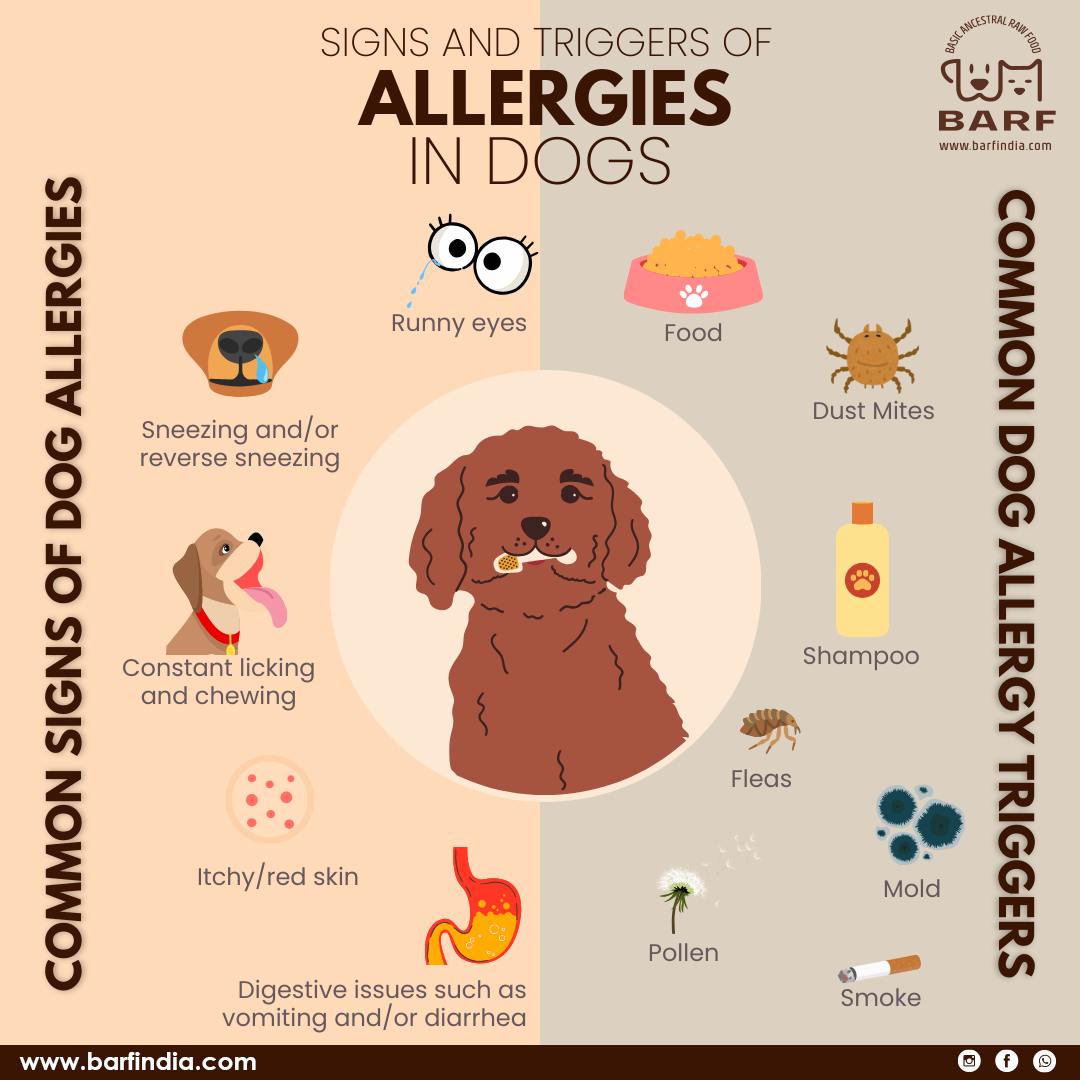
Credit: petsforhomes.mu
Frequently Asked Questions
Can Certain Dog Breeds Cause Allergies More Often?
Yes, some breeds shed more dander, increasing allergy risks. Dogs with thick or curly coats often release more allergens. However, no breed is completely hypoallergenic.
Are Hypoallergenic Dog Breeds Allergy-free?
No, hypoallergenic breeds produce fewer allergens but aren’t allergy-free. They shed less dander and hair, which may reduce reactions. Individual responses to dogs still vary.
What Causes Allergic Reactions To Dogs?
Allergic reactions come from proteins in dog dander, saliva, and urine. These proteins trigger immune responses in sensitive people. Hair shedding spreads these allergens around the environment.
How Can I Reduce Dog Allergy Symptoms?
Regular grooming and bathing reduce dander and allergens. Using air purifiers and cleaning surfaces often helps. Avoiding direct contact and washing hands after petting dogs also lowers symptoms.
Conclusion
Allergies to certain dog breeds are real but vary by person. Some dogs shed less, causing fewer allergic reactions. Knowing your body’s response helps in choosing the right breed. Spending time with a dog before adopting can prevent surprises. Managing allergies well allows many to enjoy dogs safely.
Allergies should not stop you from loving pets. Understanding and preparation make living with dogs easier. Keep your home clean to reduce allergens. Pets bring joy, even for allergy sufferers.


