
How often should you groom your dog? It’s a question every pet owner wonders about.
Grooming is more than just keeping your furry friend looking good—it affects their health and happiness too. If you’re unsure when to brush, bathe, or trim your dog, you’re not alone. You’ll discover simple, clear answers tailored to your dog’s needs.
Keep reading to learn the best grooming routine that will keep your dog comfortable, clean, and full of joy.
Grooming Frequency By Breed
Grooming needs vary widely among dog breeds. Each breed’s coat type affects how often grooming is necessary. Understanding these differences helps keep your dog healthy and comfortable. Regular grooming prevents matting, skin problems, and shedding issues.
Some breeds need weekly care, while others require less frequent attention. Grooming routines depend on hair length, thickness, and skin type. Knowing the right schedule for your dog saves time and stress.
Short-haired Dogs
Short-haired dogs need less grooming. Brushing once a week removes loose hair and dirt. Baths every 4 to 6 weeks keep their coat clean. Their hair is easy to maintain and dries quickly.
Examples include Beagles, Boxers, and Dobermans. These dogs shed seasonally but need less brushing. Occasional nail trimming and ear checks are still important.
Long-haired Dogs
Long-haired dogs require daily brushing. Their coats tangle and mat easily. Grooming every 4 to 6 weeks with a professional keeps hair healthy. Baths help remove dirt and prevent odors.
Breeds like Shih Tzus, Afghan Hounds, and Maltese fall here. Long hair can trap debris and moisture. Regular grooming avoids skin infections and painful mats.
Double-coated Breeds
Double-coated breeds have a thick undercoat and a coarse topcoat. They shed heavily twice a year. Brushing at least twice a week helps remove dead hair. More frequent grooming is needed during shedding seasons.
Examples include Siberian Huskies, Golden Retrievers, and German Shepherds. Bathing every 6 to 8 weeks is ideal. Avoid shaving; it can damage their natural coat.
Hairless Varieties
Hairless dog breeds need special grooming care. Their skin requires regular cleaning and moisturizing. Bathing every 1 to 2 weeks prevents skin problems. Apply sunscreen if exposed to sunlight.
Examples are the Xoloitzcuintli and Chinese Crested. Hairless dogs do not shed but need skin protection. Check for dryness, irritation, or sunburn regularly.
Age And Health Factors
Age and health play a big role in how often to groom a dog. Different life stages and medical conditions change grooming needs. Paying attention to these factors keeps dogs clean and comfortable.
Puppies And Senior Dogs
Puppies need gentle grooming. Their skin and coat are delicate. Grooming sessions should be short and calm. This helps puppies get used to the process without stress.
Senior dogs may need more frequent checks. Older dogs often have thinner skin. They may develop mats or dry patches faster. Grooming helps spot health issues early.
Dogs With Skin Conditions
Dogs with skin problems need special care. Some conditions cause itching or flaking. Regular grooming soothes the skin and removes dead hair. Use vet-recommended shampoos to avoid irritation.
Check for redness, bumps, or sores during grooming. These signs may need veterinary attention. Grooming routines might change based on the skin’s response.
Post-surgery Grooming
After surgery, grooming must be gentle and careful. Avoid touching or wetting wounds. Use soft brushes and dry cleaning methods.
Follow your vet’s advice for grooming timing. Keeping the dog clean helps prevent infections. Watch for signs of discomfort during grooming sessions.
Seasonal Grooming Changes
Dogs need different grooming care during each season. Their coat changes with the weather. Grooming should match these changes to keep dogs healthy and comfortable.
Seasonal grooming helps manage shedding, skin health, and coat condition. Regular grooming prevents mats and skin problems. Adjust your grooming routine to fit summer and winter needs.
Summer Shedding
Dogs shed more in summer to stay cool. Loose fur can cause mats and skin irritation. Brush your dog often to remove dead hair. Bathing helps clean the skin and coat. Keep nails trimmed to avoid discomfort during hot weather.
Winter Coat Care
Winter coats grow thicker to keep dogs warm. Regular brushing stops mats and tangles. Check paws for cracks or dryness from cold surfaces. Use moisturizing balms if needed. Avoid over-bathing to keep natural oils in the coat.

Credit: www.reddit.com
Basic Grooming Tasks
Basic grooming tasks keep dogs healthy and happy. Regular care helps avoid skin problems and discomfort. Grooming also strengthens the bond between you and your pet.
Each task has a role in your dog’s well-being. Knowing how often to do them is key. Here are the main grooming steps every dog needs.
Brushing Techniques
Brushing removes dirt and loose fur. It stops mats and tangles from forming. Use a brush that fits your dog’s coat type. Brush gently in the direction of hair growth. Short-haired dogs need brushing once a week. Long-haired dogs may need daily brushing.
Bathing Frequency
Baths clean the skin and coat. Too many baths can dry out the skin. Most dogs should bathe once a month. Dogs that swim or get dirty often may need more baths. Use a mild dog shampoo to protect the coat.
Nail Trimming
Long nails cause pain and walking issues. Trim nails every 3 to 4 weeks. Use a dog nail clipper or grinder. Cut small bits at a time to avoid hurting the quick. If unsure, ask a vet or groomer for help.
Ear Cleaning
Clean ears prevent infections and bad smell. Check ears once a week for dirt or wax build-up. Use a vet-approved ear cleaner and cotton balls. Never use cotton swabs inside the ear canal. Stop if you see redness or swelling and see a vet.
Tools For Effective Grooming
Grooming a dog needs the right tools. Using proper tools makes grooming easier and better for your pet. It helps keep your dog clean, healthy, and happy. Choosing the right brushes, shampoos, and clippers is important. These tools work together to care for your dog’s coat and skin.
Brushes And Combs
Brushes and combs remove dirt and loose hair. They stop mats and tangles from forming. Different coat types need different brushes. For short hair, use a bristle brush. For long hair, a slicker brush works well. Combs help find small knots and debris. Regular brushing keeps your dog’s coat shiny.
Shampoos And Conditioners
Shampoos clean your dog’s fur and skin. Choose gentle shampoos made for dogs. Avoid human shampoos; they can irritate skin. Conditioners soften the coat and reduce tangles. They also help with dry, itchy skin. Use these products during baths for best results.
Clippers And Scissors
Clippers trim your dog’s fur neatly. They work well for thick or long coats. Scissors are good for detail work around paws and face. Use sharp, clean blades to avoid pulling hair. Proper cutting tools help your dog look tidy and feel comfortable.

Credit: usapetgrooming.com
Signs Your Dog Needs Grooming
Dogs need regular grooming to stay healthy and comfortable. Recognizing the signs that your dog needs grooming helps prevent skin problems and discomfort. Grooming keeps their coat clean and shiny, and it reduces shedding. Watch your dog closely for these common signs.
Matting And Tangles
Matting happens when your dog’s fur gets twisted and clumped. It pulls on their skin and causes pain. Tangled fur traps dirt and moisture, which leads to infections. Regular brushing stops mats and tangles from forming. Check behind ears, under legs, and around the neck.
Unpleasant Odors
A strong smell can mean your dog needs grooming. Dirt, oils, and sweat build up over time. Bad odor might signal skin infections or ear problems. Bathing and cleaning your dog regularly keeps them smelling fresh. Pay attention to unusual or bad smells.
Excessive Shedding
Shedding is normal, but too much can be a problem. Excessive shedding means dead hair stays on your dog’s coat. It can make your home messy and cause skin irritation. Grooming with a good brush removes loose hair and helps new hair grow. Brush your dog often to reduce shedding.
Professional Grooming Vs. Home Grooming
Choosing between professional grooming and grooming your dog at home depends on many factors. Both methods have their own advantages. Understanding these can help you decide what suits your dog best.
Professional grooming offers expert care and specialized tools. Home grooming gives you control and comfort for your pet. Let’s explore the benefits and tips for each approach.
Benefits Of Professional Services
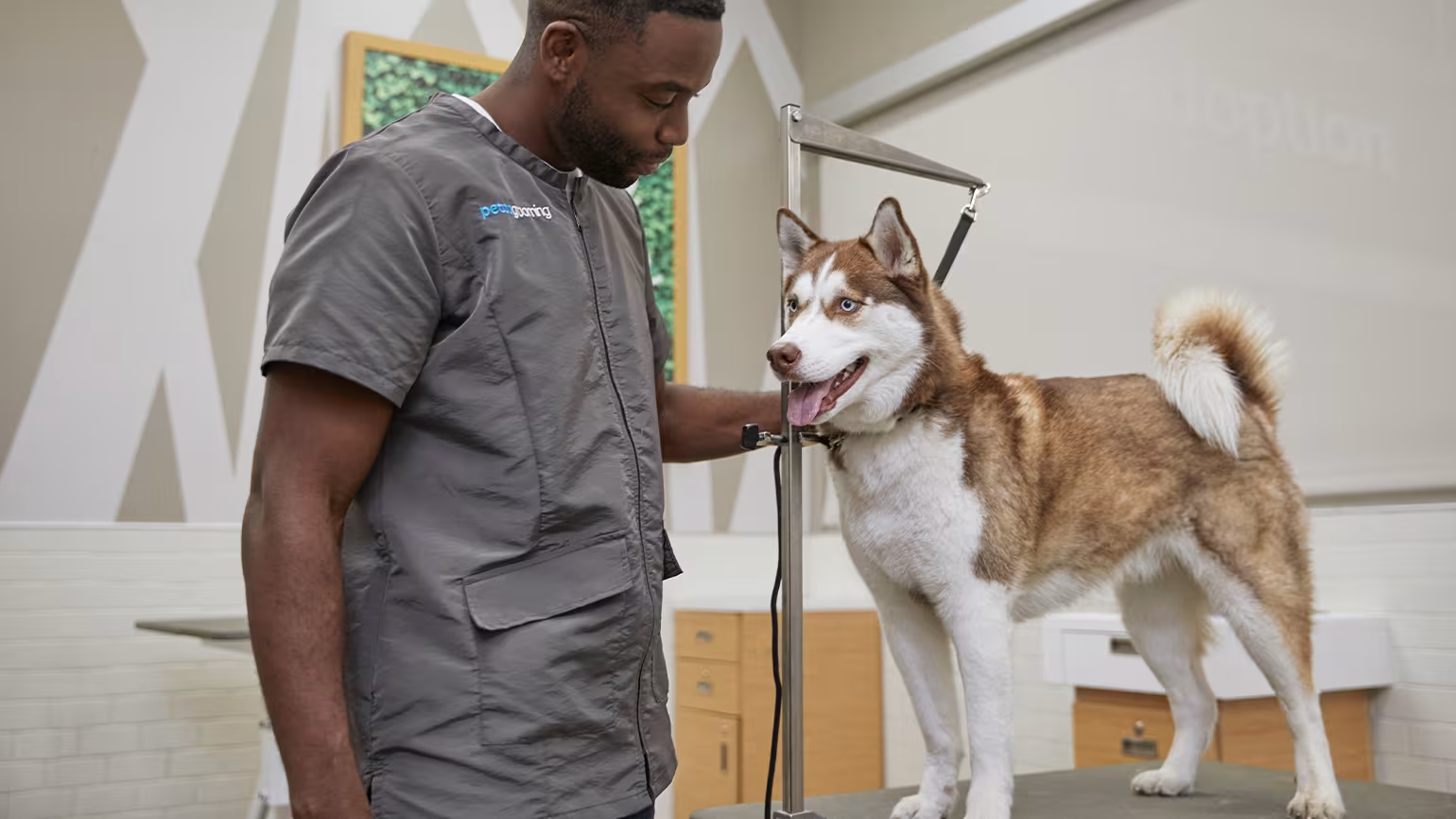
Professional groomers have experience with all dog breeds. They know how to handle anxious or difficult dogs safely. Groomers use quality tools that clean deeply and trim evenly. They can spot health issues like skin problems or ear infections early. Professional grooming saves time and effort for busy owners. The environment is designed to keep dogs calm and secure.
Tips For Grooming At Home
Choose the right tools for your dog’s coat type. Use a gentle shampoo made for dogs. Brush your dog regularly to prevent mats and tangles. Trim nails carefully to avoid hurting your pet. Keep grooming sessions short and calm to reduce stress. Reward your dog with treats to create positive experiences. Watch for signs of discomfort or skin issues during grooming.
Credit: www.petco.com
Frequently Asked Questions
How Often Should I Groom My Dog?
Groom your dog every 4 to 8 weeks, depending on breed and coat type. Regular grooming prevents mats and skin issues. Dogs with long hair may need weekly brushing to avoid tangles and shedding.
What Are Signs My Dog Needs Grooming?
Look for matted fur, excessive shedding, dirty coat, or bad odor. Also check for overgrown nails, eye discharge, and ear dirt. These signs mean your dog needs grooming soon to stay healthy and comfortable.
Can Grooming Affect My Dog’s Health?
Yes, grooming improves skin health, reduces parasites, and prevents infections. It also helps spot lumps, ticks, or injuries early. Regular grooming keeps your dog clean, comfortable, and healthy overall.
Is Professional Grooming Necessary For All Dogs?
Not all dogs need professional grooming. Short-haired breeds can be groomed at home. However, long-haired or thick-coated breeds benefit from professional care for trimming and deep cleaning.
Conclusion
Grooming your dog keeps them clean and healthy. The right schedule depends on the dog’s breed and coat type. Regular brushing prevents mats and reduces shedding. Bathing too often can dry your dog’s skin. Trim nails and check ears to avoid problems.
Pay attention to your dog’s comfort during grooming. A happy dog means a happy owner. Keep grooming simple and consistent for best results. Your dog will thank you with a shiny coat and bright eyes.


