
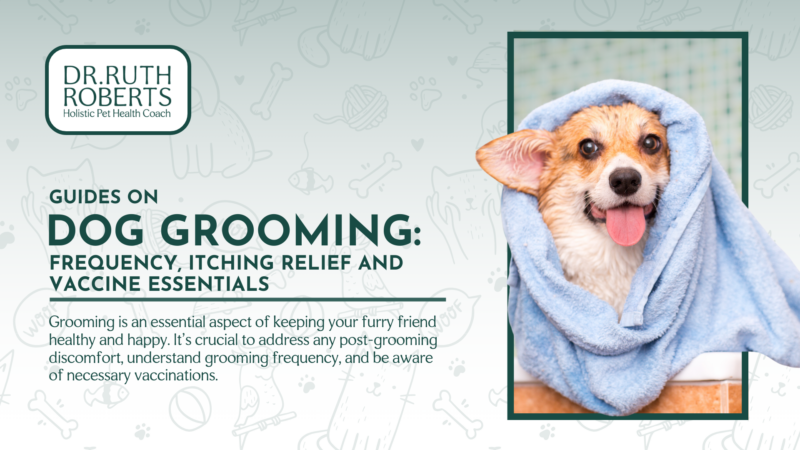
Have you ever wondered why dog grooming is more than just a beauty routine? If you want your furry friend to stay healthy, happy, and comfortable, understanding dog grooming is key.
It’s not just about making your dog look good—grooming plays a vital role in their overall well-being. You’ll discover exactly what dog grooming involves and why it’s necessary for your pet’s health. Keep reading to learn how simple grooming habits can make a big difference in your dog’s life.
Credit: drruthroberts.com
Basics Of Dog Grooming
Dog grooming is an important part of caring for your pet. It helps keep dogs clean, healthy, and happy. Regular grooming also prevents skin problems and keeps their coat shiny.
Understanding the basics of dog grooming helps you provide the best care. It includes simple tasks you can do at home and professional services.
What Grooming Involves
Grooming involves brushing your dog’s fur to remove dirt and loose hair. Bathing with dog-safe shampoo cleans the skin and coat. Nail trimming prevents pain and injury. Cleaning ears stops infections. Checking teeth helps avoid dental problems. Grooming also means looking for signs of illness or parasites.
Types Of Grooming Services
Basic grooming includes brushing, bathing, nail trimming, and ear cleaning. Full grooming adds haircuts and styling for certain breeds. Some dogs need special treatments like flea control or de-shedding. Professional groomers use tools and skills to care for different coat types. Mobile grooming and grooming salons offer flexible options for busy pet owners.
Credit: www.collegeroadanimalhospital.com
Importance Of Regular Grooming
Regular grooming is a key part of caring for your dog. It keeps your pet clean and comfortable. Grooming helps your dog stay healthy and happy. It also strengthens the bond between you and your dog. Setting a routine for grooming brings many benefits that improve your dog’s life.
Health Benefits For Dogs
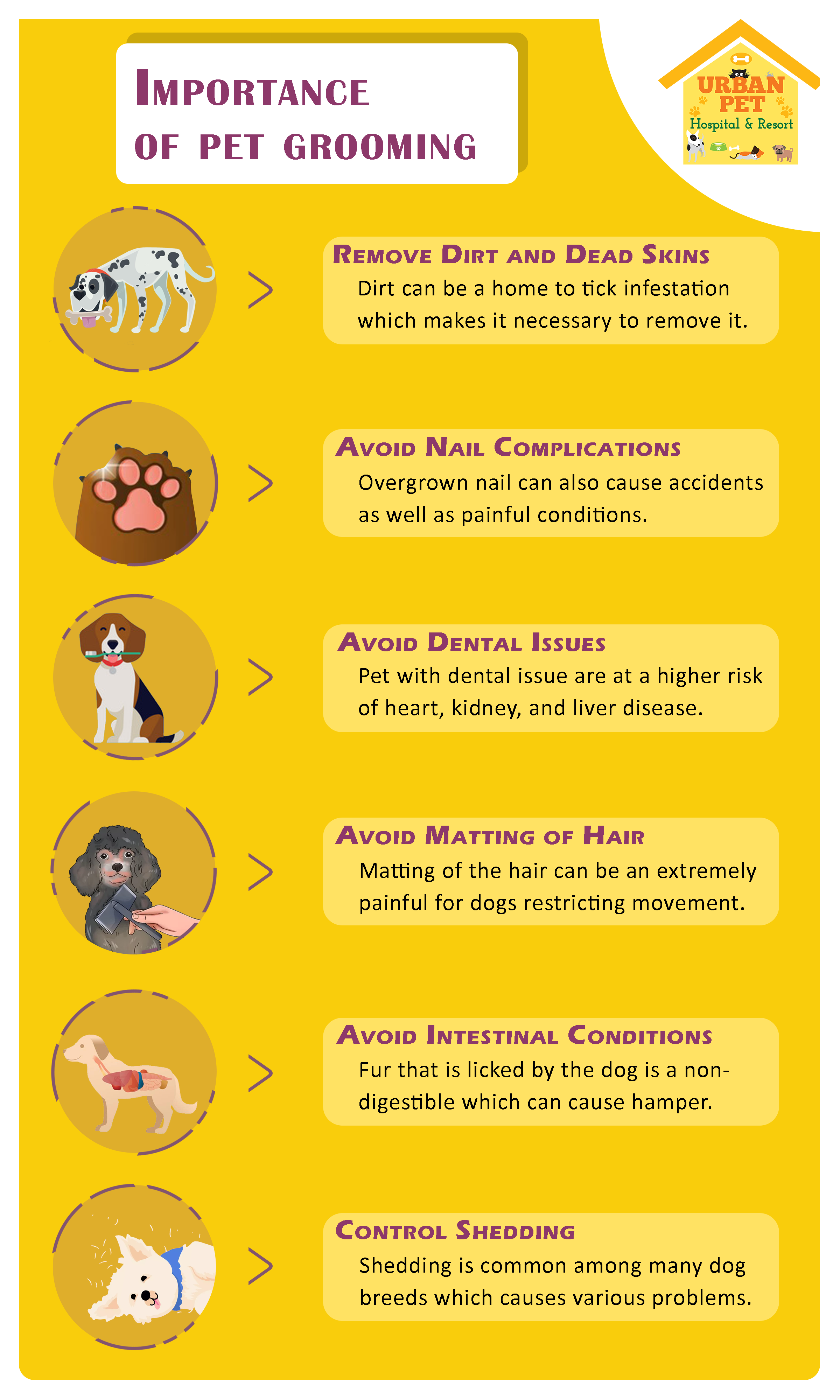
Grooming supports your dog’s overall health. Brushing removes dirt, loose hair, and pests. Clean fur reduces the chance of infections. Bathing helps keep skin fresh and clear. Grooming also stops bad smells caused by dirt buildup. Regular care makes your dog feel good and active.
Preventing Skin And Coat Issues
Frequent grooming stops mats and tangles in fur. Mats can cause pain and skin damage. Grooming spreads natural oils that keep fur shiny. It prevents dry, flaky skin and irritation. Clean ears and trimmed nails reduce infections. Keeping your dog’s coat healthy lowers the risk of skin problems.
Early Detection Of Health Problems
Grooming allows you to check your dog closely. You can find lumps, bumps, or wounds early. Spotting these issues fast can save your dog’s life. Look for signs of parasites like ticks or fleas. Detecting problems early means quicker treatment and less pain. Regular grooming helps catch health problems before they worsen.
Essential Grooming Tools
Essential grooming tools keep your dog clean and healthy. They help remove dirt, loose hair, and tangles. Regular grooming also prevents skin problems and keeps your dog comfortable. Knowing the right tools to use makes grooming easier and safer for your pet.
Brushes And Combs
Brushes and combs remove loose hair and dirt from your dog’s coat. They help prevent mats and tangles that can hurt your dog. Different coat types need different brushes. For example, slicker brushes work well for long-haired dogs. Combs are great for finding small tangles and debris.
Nail Clippers And Files
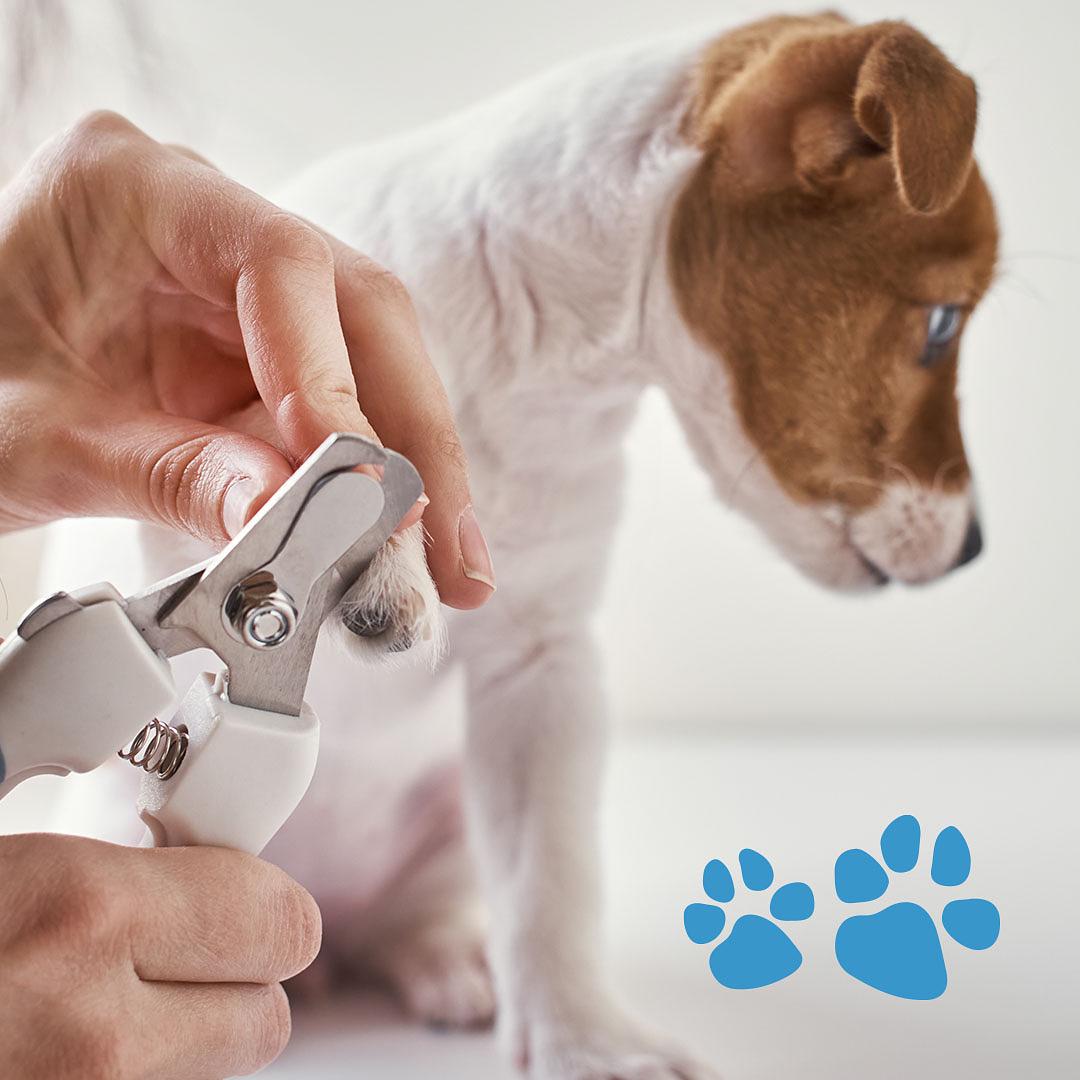
Nail clippers keep your dog’s nails short and healthy. Long nails can cause pain and walking problems. Use a clipper made for dogs to avoid injury. After clipping, use a nail file to smooth sharp edges. This prevents nails from scratching you or your furniture.
Shampoos And Conditioners
Shampoos clean your dog’s coat and skin. Use a shampoo made for dogs to avoid irritation. Conditioners keep the coat soft and shiny. They also help reduce tangles and make brushing easier. Choose products that suit your dog’s skin type and coat condition.
Credit: www.urbanpethospital.com
Step-by-step Grooming Tips
Grooming your dog is a simple process that helps keep them clean and healthy. It also strengthens the bond between you and your pet. Follow these step-by-step tips to make grooming easy and stress-free for both of you.
Brushing Techniques
Choose a brush that fits your dog’s coat type. Brush gently to avoid hurting your dog’s skin. Start at the head and move towards the tail. Use short, gentle strokes to remove dirt and loose hair. Brushing often prevents mats and tangles.
Bathing Your Dog
Use lukewarm water to keep your dog comfortable. Wet your dog’s coat thoroughly before applying shampoo. Use a dog-friendly shampoo to protect their skin. Rinse well to remove all shampoo residue. Dry your dog with a towel or a low-heat dryer.
Nail Trimming Safely
Use a sharp nail clipper made for dogs. Hold your dog’s paw firmly but gently. Trim small parts of the nail at a time. Avoid cutting the quick, the pink part inside the nail. Stop if you see bleeding and apply a styptic powder.
Ear Cleaning
Use a soft cloth or cotton ball dipped in ear cleaner. Gently wipe the inside of the ear flap. Avoid pushing anything deep into the ear canal. Check for redness or bad smell, which may show infection. Clean ears regularly to prevent buildup and discomfort.
Grooming Frequency By Breed
Grooming frequency varies widely by dog breed. Each breed has unique coat types and care needs. Understanding these needs helps maintain your dog’s health and comfort. Regular grooming keeps skin clean and prevents matting. It also helps spot health issues early.
Short-haired Dogs
Short-haired dogs need less grooming. Brushing once a week usually works well. This removes loose hair and spreads natural oils. Bathing once every few months is enough. Short coats dry quickly and rarely tangle.
Long-haired Dogs
Long-haired dogs require more frequent grooming. Daily brushing stops tangles and mats from forming. Mats can cause pain and skin problems. Bathing every 4 to 6 weeks helps keep the coat clean. Regular trims may be needed to manage length.
Special Considerations
Some breeds need extra care beyond basic grooming. Dogs with thick undercoats may shed heavily in spring and fall. These dogs need more brushing during shedding seasons. Breeds prone to ear infections require regular ear cleaning. Always check paws and nails to avoid discomfort or injury.
When To Seek Professional Groomers
Knowing when to seek professional dog grooming is important for your pet’s health and comfort. Some grooming tasks require special tools and skills. Professionals can handle these safely and effectively.
Certain signs show that expert help is needed. Choosing the right groomer ensures your dog receives the best care possible. Understanding these points helps you make smart decisions for your pet.
Signs You Need Expert Help
Your dog shows matting or tangled fur that is hard to brush out. Skin issues like redness or sores appear during grooming. Nails grow too long and cause discomfort or limping.
Your dog resists grooming or becomes stressed easily. You notice a strong odor that does not go away after washing. Ear infections or buildup of wax and debris are present.
Special coat types require trimming or styling beyond basic care. Professional groomers have the knowledge to manage these needs safely.
Choosing A Groomer
Look for groomers with proper training and experience. Check reviews and ask for recommendations from other pet owners.
Visit the grooming salon to observe cleanliness and safety. Notice how staff handle dogs and if they are gentle and patient.
Ensure the groomer uses quality tools and products suitable for your dog’s skin and coat. Clear communication about your dog’s needs is essential.
Common Grooming Mistakes To Avoid
Many dog owners try to groom their pets at home. Mistakes happen often during grooming. These mistakes can harm your dog’s health and comfort. Knowing common errors helps you avoid them. This keeps your dog safe and happy.
Using The Wrong Tools
Different dogs need different grooming tools. Using the wrong brush or clipper can hurt your dog. It may cause skin cuts or irritations. Choose tools made for your dog’s coat type. This makes grooming easier and safer.
Bathing Too Often Or Too Rarely
Bathing your dog too much can dry out the skin. Bathing too little can cause dirt build-up and bad smell. Find the right balance for your dog’s breed and lifestyle. Use gentle dog shampoo to keep skin healthy.
Ignoring Nail Care
Long nails can cause pain and walking problems. Cutting nails too short can cause bleeding. Trim nails carefully or ask a professional. Check nails regularly to keep them at the right length.
Skipping Regular Brushing
Skipping brushing leads to tangles and mats in fur. Mats can pull on the skin and cause pain. Brush your dog often to keep the coat smooth. It also helps to spot skin problems early.
Not Checking Ears And Teeth
Dirty ears can cause infections and bad smell. Ignoring teeth cleaning leads to bad breath and dental issues. Clean ears and brush teeth regularly. This supports your dog’s overall health.
Frequently Asked Questions
What Is Dog Grooming And Its Main Purpose?
Dog grooming is the process of cleaning and maintaining a dog’s appearance. It includes bathing, brushing, trimming, and nail clipping. Grooming keeps dogs healthy by preventing infections, removing dirt, and improving skin condition. It also enhances a dog’s comfort and overall well-being.
Why Is Regular Dog Grooming Necessary?
Regular grooming prevents matting, reduces shedding, and controls odors. It helps detect health issues early, such as skin infections or parasites. Grooming also promotes better hygiene and comfort. Consistent care supports a dog’s physical health and emotional happiness.
How Often Should Dogs Be Groomed?
Frequency depends on breed, coat type, and lifestyle. Most dogs benefit from grooming every 4 to 6 weeks. Long-haired or active dogs may require more frequent sessions. Regular brushing at home can extend time between professional grooming visits.
Can Grooming Improve A Dog’s Health?
Yes, grooming helps maintain healthy skin and coat. It reduces the risk of infections and irritations. Grooming also aids in early detection of lumps, ticks, or wounds. Clean nails and ears prevent discomfort and related health issues.
Conclusion
Regular dog grooming keeps pets healthy and happy. It removes dirt, tangles, and loose hair. Grooming also helps spot skin problems early. Clean ears and trimmed nails prevent pain and infection. Dogs feel more comfortable and look their best. Owners build stronger bonds through grooming care.
Make grooming part of your dog’s routine. Small efforts lead to big benefits for your pet. Healthy dogs mean joyful moments for everyone. Simple, regular grooming truly matters.

