

Grooming your small dog isn’t just about keeping them looking good—it’s about keeping them healthy and happy. You might think it’s tricky or time-consuming, but with the right steps, it can be simple and even enjoyable for both of you.
Imagine your furry friend feeling fresh, comfortable, and playful after every grooming session. Ready to learn how to make that happen? Keep reading, and you’ll discover easy tips and tricks that will turn grooming into a bonding moment you both look forward to.
Credit: www.monasdanishbakery.com
Choosing The Right Grooming Tools
Choosing the right grooming tools is important for small dogs. The right tools make grooming safer and easier. They help keep your dog comfortable and clean. Good tools also protect your dog’s skin and coat. This section explains the best brushes, clippers, and shampoos for small dogs.
Brushes For Small Dogs
Small dogs have different coats. Some have short hair. Others have long or curly hair. Choose a brush that fits your dog’s coat type. A slicker brush works well for long or curly hair. It removes tangles gently. For short hair, a bristle brush is good. It helps spread natural oils. A fine-toothed comb removes small mats and dirt. Always use soft brushes to avoid hurting your dog’s skin.
Selecting Clippers And Scissors
Small dogs need small, sharp grooming tools. Clippers should be quiet and have adjustable blades. This helps cut hair without pulling. Scissors must be rounded at the tips. Rounded tips prevent accidental cuts. Use scissors to trim delicate areas like the face and paws. Choose lightweight clippers to avoid tiring your hand. Keep tools clean and sharp for the best results.
Shampoos And Conditioners
Choose shampoos made for dogs. Human shampoos can harm their skin. Look for gentle, hypoallergenic formulas. These reduce irritation and dryness. Conditioners help keep the coat soft and shiny. They also make brushing easier. Avoid products with strong scents or harsh chemicals. Always rinse thoroughly to stop any leftover residue. Use shampoo and conditioner suited to your dog’s coat type.
Preparing Your Dog For Grooming
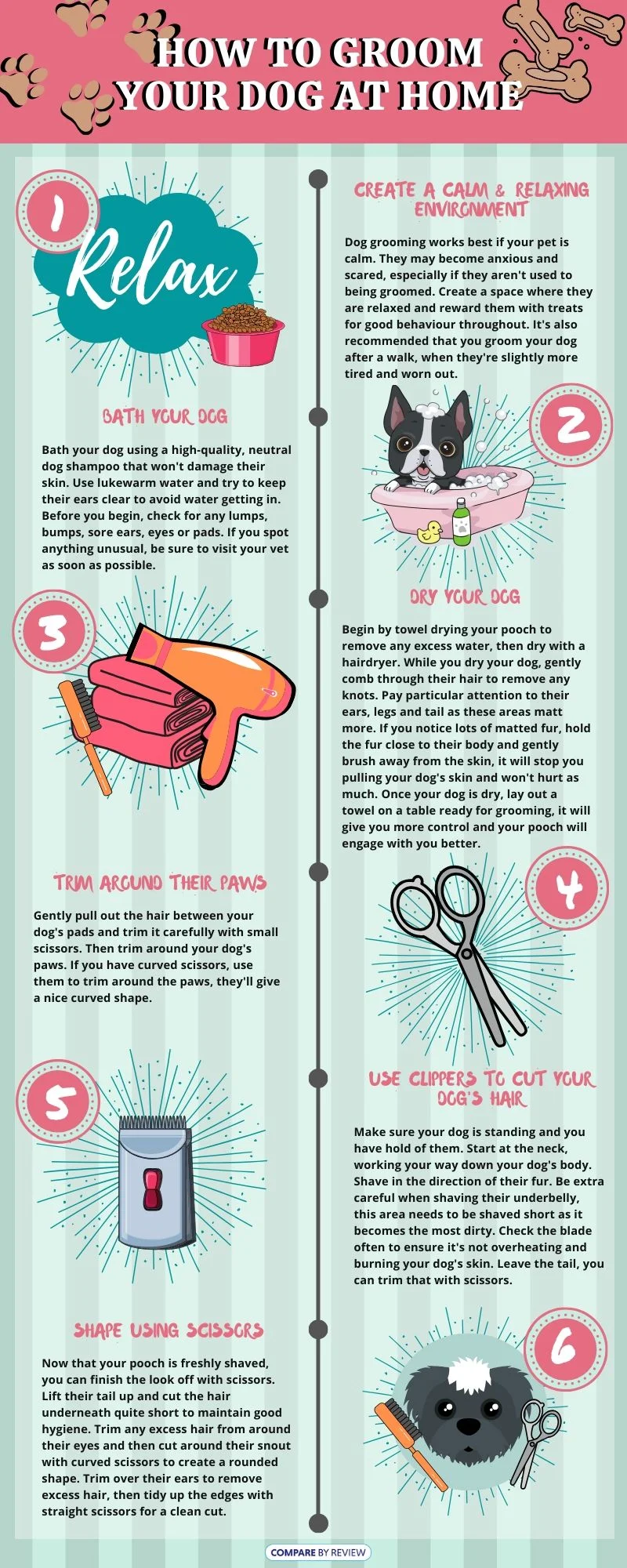
Preparing your small dog for grooming sets the stage for a smooth experience. Taking time to get your dog ready helps reduce stress and makes grooming easier. Start by creating a calm space, then brush your dog’s coat before bathing. Always check for skin issues to keep your dog healthy.
Creating A Calm Environment
Choose a quiet room with few distractions. Soft lighting helps your dog feel relaxed. Speak softly and gently to soothe your pet. Use a non-slip mat to keep your dog steady. Keep grooming tools close to avoid sudden movements.
Brushing Before Bathing
Brush your dog’s fur to remove loose hair and dirt. Use a brush suited for your dog’s coat type. Brushing prevents mats and tangles from getting worse in the bath. It also helps your dog get used to being touched.
Checking For Skin Issues
Look closely at your dog’s skin while brushing. Check for redness, bumps, or sores. Notice any unusual bumps or patches of missing fur. Report anything unusual to your vet before bathing. Healthy skin makes grooming safer and more comfortable.
Bathing Techniques
Bathing a small dog needs gentle care and the right steps. Cleanliness keeps dogs healthy and happy. Bathing also helps check for skin problems early. This section explains simple bathing techniques for small dogs.
Water Temperature Tips
Use lukewarm water for your dog’s bath. Water that is too hot can burn their skin. Cold water might cause discomfort or shock. Test water with your hand before bathing. Keep water steady and calm to avoid stress.
Applying Shampoo Properly
Choose a shampoo made for dogs, not humans. Wet your dog’s coat fully before applying shampoo. Use a small amount of shampoo. Massage it gently into the fur and skin. Avoid shampoo near the eyes, ears, and mouth. Work up a light lather to clean well.
Rinsing And Drying
Rinse your dog thoroughly to remove all shampoo. Leftover shampoo can cause itching or irritation. Use gentle water pressure to rinse the coat. Dry your dog with a soft towel. Pat the fur instead of rubbing hard. Use a low heat blow dryer if your dog allows it.
Trimming And Hair Care
Trimming and hair care are key parts of grooming a small dog. Keeping your dog’s coat neat helps prevent skin problems and keeps them comfortable. Small dogs need gentle care, especially around sensitive areas. Regular trimming stops hair from getting too long or tangled.
Proper hair care also means brushing and cleaning the coat regularly. This removes dirt and loose hair. It helps your dog look tidy and feel good. Below are important tips to trim and care for your small dog’s hair safely and effectively.
Safe Clipping Practices
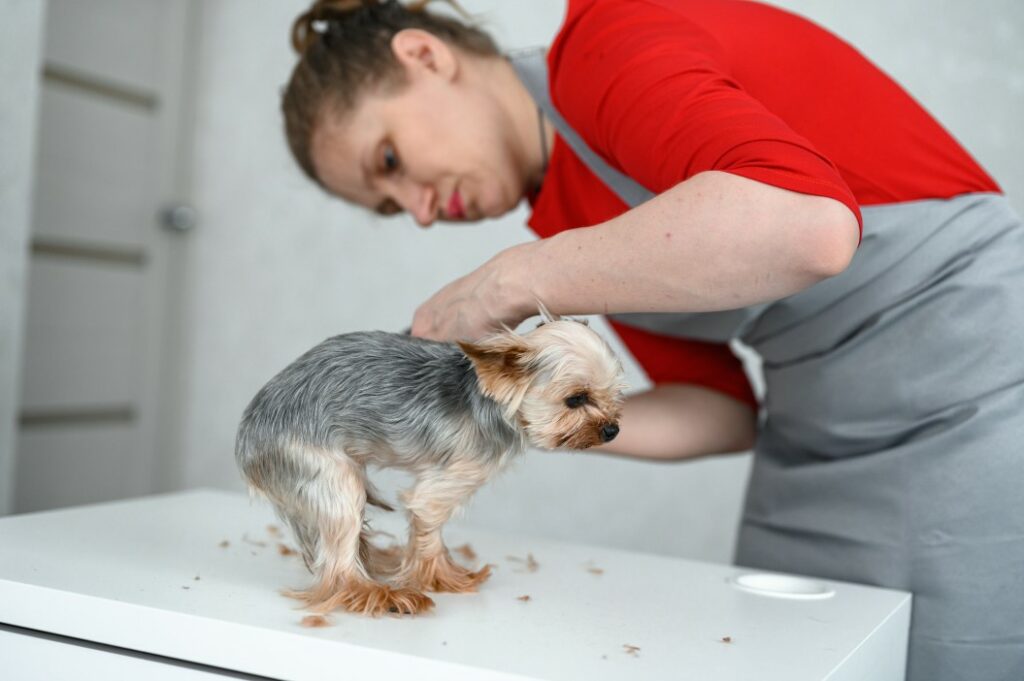
Use sharp, clean clippers made for small dogs. Dull blades can pull hair and hurt your dog. Start clipping slowly and gently. Keep the clipper blade flat against the skin to avoid cuts. Stop often to check your dog’s comfort. Take breaks if your dog seems stressed or restless.
Trimming Around Sensitive Areas
Be very careful near eyes, ears, paws, and genitals. Use small scissors with rounded tips for these spots. Hold the skin tight to avoid nicks. Trim small amounts at a time. Watch your dog closely and stop if they move suddenly. Keeping these areas clean and trimmed reduces infections and irritation.
Dealing With Mats And Tangles
Mats can hurt your dog’s skin and cause pain. Use a detangling spray and a wide-tooth comb to loosen knots. Work slowly from the edges toward the center. If mats are too tight, gently cut them out with scissors. Avoid pulling hard on the hair. Regular brushing prevents mats and keeps fur soft.
Nail And Ear Care
Taking care of your small dog’s nails and ears is very important. Nails that are too long can hurt their paws. Dirty ears can cause infections and discomfort. Regular grooming helps keep your dog healthy and happy.
Clipping Nails Safely
Use a small nail clipper made for dogs. Hold your dog’s paw gently but firmly. Cut only the sharp tip of each nail. Avoid cutting too close to the pink part inside. This part has blood vessels and nerves. Cutting it causes pain and bleeding. If unsure, clip a little at a time. Praise your dog after each nail. This makes the process calm and easy.
Cleaning Ears Gently
Check your dog’s ears regularly for dirt or wax. Use a soft cloth or cotton ball dampened with a dog ear cleaner. Wipe the outer ear only. Avoid pushing anything deep inside the ear canal. This can hurt your dog or cause infection. If ears smell bad or look red, see a vet. Clean ears help prevent infections and keep your dog comfortable.

Credit: www.katiesdoggrooming.com
Maintaining A Healthy Coat Daily
Keeping a small dog’s coat healthy needs daily care. A clean and shiny coat shows good health. Daily grooming prevents dirt and tangles. It also helps you spot problems early. A simple routine keeps your dog happy and comfortable.
Regular Brushing Routine
Brush your dog’s coat every day. Use a brush made for small dogs. Start gently to avoid hurting your pet. Brushing removes loose hair and dirt. It stops mats and tangles from forming. It also spreads natural oils, making the coat shiny.
Diet And Coat Health
A good diet supports a strong coat. Feed your dog balanced meals with healthy fats. Omega-3 and Omega-6 help the skin and fur. Fresh water keeps the coat hydrated. Avoid cheap foods with fillers or artificial ingredients. Healthy food leads to a soft, glossy coat.
Signs Of Coat Problems
Check your dog’s coat daily for issues. Look for dryness, redness, or bald spots. Excessive scratching or licking shows discomfort. Dull fur or flakes may mean skin problems. If you see these signs, visit a vet. Early care prevents bigger health issues.
Credit: www.rockymtnk9.com
Frequently Asked Questions
How Often Should I Groom My Small Dog?
Small dogs should be groomed every 4 to 6 weeks. Regular grooming keeps their coat healthy and prevents matting. Brushing at home weekly helps remove dirt and loose hair. Consistent grooming supports skin health and reduces shedding.
What Tools Are Best For Grooming Small Dogs?
Use a soft-bristle brush, comb, nail clippers, and dog shampoo. Choose tools sized for your dog’s coat type. Quality grooming tools ensure comfort and effective cleaning. Proper tools make grooming safer and easier for small dogs.
Can I Groom My Small Dog At Home Safely?
Yes, home grooming is safe with patience and the right tools. Start slowly to build trust and comfort. Use gentle strokes and avoid sensitive areas. If unsure, consult a professional groomer for guidance.
How Do I Prevent Matting In My Small Dog’s Fur?
Brush your small dog’s fur daily to avoid tangles and mats. Use a detangling spray if needed. Regular grooming sessions help keep the coat smooth. Mats can cause discomfort and skin problems if ignored.
Conclusion
Grooming a small dog keeps them healthy and happy. Regular brushing removes dirt and loose hair. Trimming nails prevents discomfort and injury. Clean ears stop infections and bad smells. Bathing with gentle shampoo refreshes their coat. Take your time and be gentle always.
A calm dog enjoys grooming more. Small steps build a strong grooming habit. Your pet will thank you with love. Simple care makes a big difference daily. Keep grooming a fun and caring routine.

