

If you have a Doberman or are thinking about getting one, understanding their behavior is key to building a strong bond. Dobermans are known for their loyalty and intelligence, but they also have unique traits that can surprise you.
By learning what makes your Doberman tick, you’ll know how to keep them happy and well-behaved. Ready to discover the secrets behind Doberman dog behavior? Keep reading to unlock tips that will transform your relationship with your furry friend.
Doberman Temperament
The Doberman temperament is a mix of strength, loyalty, and intelligence. These dogs are known for their protective nature and sharp instincts. Understanding their temperament helps owners build a strong bond and a happy home.
Natural Instincts
Dobermans have strong natural instincts. They are alert and aware of their surroundings. This breed often acts as a guardian to protect family and property. Their quick reactions make them excellent watchdogs. These instincts are part of their history as working dogs.
Social Behavior
Dobermans enjoy being with people. They are friendly but can be wary of strangers. Early socialization helps them feel comfortable around others. They often form close bonds with family members. This breed likes to be involved in daily activities.
Emotional Traits
Dobermans are very loyal and loving. They can sense their owner’s mood and respond gently. They need attention and do not like being alone for long. These dogs thrive on positive reinforcement and care. Their emotional connection with owners is strong and deep.
Common Behavioral Traits
The Doberman dog is known for its strong and distinct behavior. Understanding common traits helps in caring well for this breed. These dogs show unique patterns that make them special companions. Their behavior suits active families and individuals who enjoy loyal pets. Below are some key traits that describe Doberman behavior clearly.
Energy Levels
Dobermans have high energy. They need daily exercise to stay healthy. Running, playing, and training keep them happy. Without activity, they may become restless or bored. This breed thrives with active owners who enjoy outdoor activities.
Alertness And Guarding
Dobermans are very alert dogs. They notice sounds and movements quickly. This makes them excellent guard dogs. They protect their home and family with courage. Their watchful nature helps prevent danger early.
Affection And Loyalty
Despite their tough look, Dobermans are loving. They form close bonds with their owners. Loyalty is a strong trait in this breed. They enjoy spending time with family members. This makes them great pets for those seeking affection.
Training Techniques
Training a Doberman requires clear methods and steady effort. These dogs are smart and eager to please. Good training helps them behave well and stay happy. Using the right techniques builds trust and respect between you and your dog.
Start training early. Keep sessions short and fun. Use rewards to encourage good actions. Avoid harsh words or punishment. This creates a positive learning space for your Doberman.
Positive Reinforcement
Positive reinforcement means giving treats or praise for good behavior. Dobermans respond well to rewards. This method helps them learn faster. It also makes training a happy experience. Use small treats or kind words right after the dog obeys. This teaches your dog which actions please you.
Consistency And Patience
Always use the same commands and rules. Consistency helps your Doberman understand what is expected. Patience is key. Some dogs learn quickly. Others take more time. Repeat lessons calmly and clearly. Avoid frustration. Your calmness helps your dog stay calm too.
Socialization Tips
Expose your Doberman to different people and places early. This prevents fear or aggression later. Start with gentle introductions to new sounds and sights. Let your dog meet other dogs and strangers safely. Socialization builds confidence and good manners. It helps your dog stay calm in many situations.

Credit: www.animalbehaviorcollege.com
Addressing Behavioral Challenges
Dobermans are smart and loyal dogs. They can show some tough behaviors. These behaviors need care and attention. Understanding and handling these challenges helps build a strong bond. It also keeps your dog happy and safe.
Managing Aggression
Aggression in Dobermans can come from fear or protection. Early training is key to reduce aggressive acts. Use calm, firm commands to set limits. Avoid harsh punishments that increase fear or anger. Socialize your dog with people and pets often. This helps them learn good behavior around others.
Dealing With Separation Anxiety
Dobermans can feel sad when left alone. Signs include whining, barking, or chewing. Start by leaving your dog alone for short times. Give toys or treats to keep them busy. Create a safe space where your dog feels calm. Avoid big goodbyes or greetings to lower anxiety.
Preventing Destructive Behavior
Destructive acts happen when Dobermans feel bored or stressed. Provide plenty of exercise to burn off energy. Give chew toys to satisfy their need to bite. Teach commands like “leave it” to control bad habits. Keep your home dog-proofed to avoid damage. Regular playtime improves behavior and happiness.
Enhancing Bond With Your Doberman
Building a strong bond with your Doberman makes life better for both of you. This dog is smart and loyal. It needs clear communication, regular exercise, and trust to feel happy and safe. Spending time together helps your Doberman understand you. It also makes your dog more confident and loving.
Here are some ways to enhance your connection and enjoy a great relationship with your Doberman.
Effective Communication
Dobermans respond well to simple and clear commands. Use short words like “sit,” “stay,” and “come.” Speak calmly and use the same tone each time. Your dog learns best when you are consistent. Body language matters too. A gentle hand or smile can show kindness. Watch your dog’s signals to know how it feels.
Exercise And Mental Stimulation
Dobermans have a lot of energy and need daily exercise. Walks, runs, or playtime help keep them healthy. Mental games like puzzle toys or training tricks also keep their mind active. A tired Doberman is a happy Doberman. This stops bad behavior caused by boredom or stress.
Building Trust
Trust grows with time and patience. Never use harsh punishment. Reward good behavior with treats or praise. Be patient during training and avoid yelling. Spend quiet time with your dog to show you care. Trust helps your Doberman feel safe and loved. This makes your bond stronger every day.
:strip_icc()/doberman-pinscher-dog-breed-profile-1117961_FINAL_NEW3-fe79bb1dfc4d42329188dc3ad7592f8b.jpg)
Credit: www.thesprucepets.com
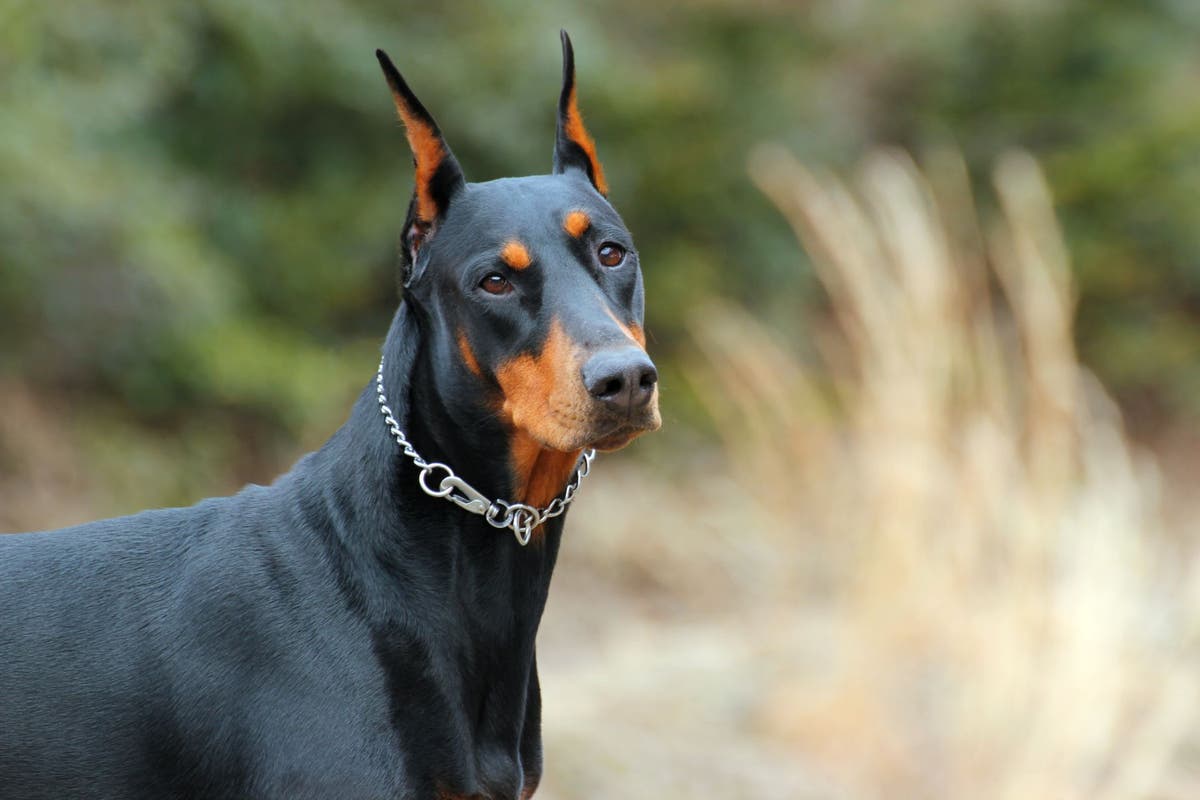
Credit: www.petplace.com
Frequently Asked Questions
What Are Common Traits Of Doberman Dog Behavior?
Dobermans are intelligent, loyal, and energetic dogs. They are protective and often wary of strangers. These dogs require early socialization and consistent training to manage their alertness and strong guarding instincts effectively.
How Do Dobermans Behave Around Children?
Dobermans are generally gentle and protective with children. They bond closely with family members and enjoy playtime. Supervision is important to ensure safe interactions, especially with young kids, as Dobermans can be strong and energetic.
Why Do Dobermans Need Early Training?
Early training helps Dobermans develop good manners and social skills. It curbs aggressive tendencies and prevents behavioral problems. Positive reinforcement and consistency are key to raising a well-behaved, confident Doberman dog.
Are Dobermans Aggressive By Nature?
Dobermans are not naturally aggressive but can be protective. Proper socialization reduces fear-based aggression. They respond well to firm, kind leadership and thrive in structured environments.
Conclusion
Doberman dogs are loyal and smart pets. They need training and love from their owners. Understanding their behavior helps build a strong bond. These dogs enjoy activity and need regular exercise. Patience and consistency bring out their best traits. Knowing their needs keeps them happy and healthy.
A well-trained Doberman is a great family companion. Caring for them takes time but is very rewarding. Trust and respect guide a happy relationship with your dog. Keep learning about Doberman behavior to enjoy your pet fully.


