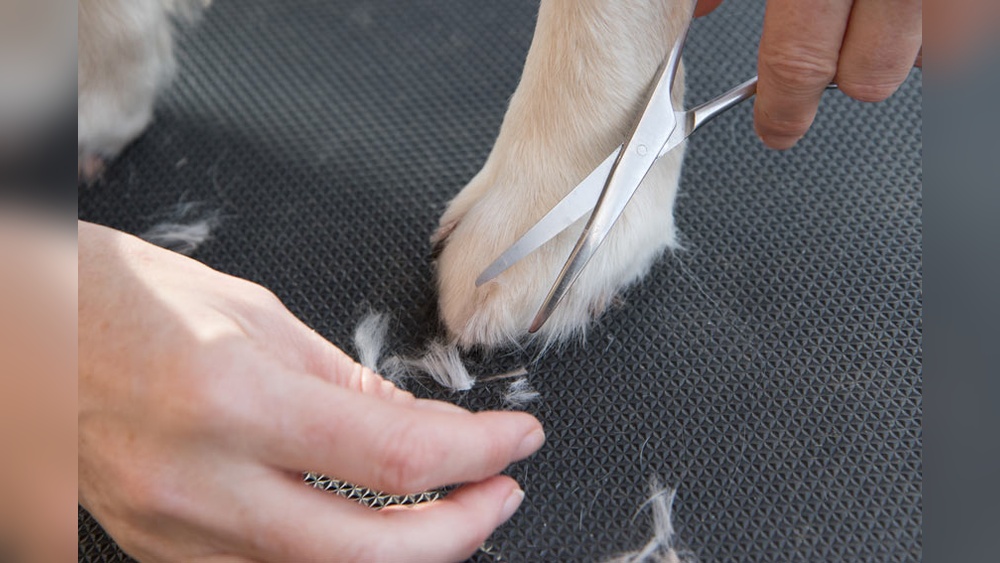
Grooming a dog that bites can feel like a tough challenge. You want your furry friend to look and feel their best, but fear and frustration might be holding you back.
What if you could turn grooming time into a calmer, safer experience for both of you? You’ll discover simple, effective steps to help manage your dog’s biting behavior during grooming. You’ll learn how to build trust, stay safe, and make grooming easier—so your dog stays happy and healthy without the stress.
Keep reading to find out how you can transform grooming into a positive moment for you and your dog.
Preparing Your Dog For Grooming
Preparing a dog that bites for grooming takes patience and care. The goal is to make the dog feel safe and less stressed. This helps avoid biting and makes grooming easier. Start with simple steps before using any tools or handling your dog extensively.
Creating A Calm Environment
Choose a quiet room for grooming. Remove loud noises and distractions. Keep the space warm and comfortable. Speak softly to your dog. Use gentle movements to avoid startling your dog.
Using Positive Reinforcement
Reward your dog with treats and praise during grooming. This builds trust and good behavior. Give treats for calm actions, like sitting still. Stop if your dog shows signs of stress. Reward calm moments frequently to encourage cooperation.
Introducing Grooming Tools Gradually
Let your dog see and sniff grooming tools first. Touch the tools to your dog’s body gently. Use the tools for short times at first. Praise and reward your dog after each step. Slowly increase the time and use of tools over days.
Identifying Triggers For Biting
Grooming a dog that bites needs careful attention to its behavior. Identifying what triggers biting helps keep both you and your dog safe. Understanding these triggers allows you to handle grooming calmly and gently.
Recognizing Warning Signs
Dogs often show signs before they bite. Watch for growling, snapping, or staring. Ears pinned back or a stiff body also warn you. These signs mean the dog feels scared or stressed. Stop grooming if you see these signals.
Avoiding Sensitive Areas
Some parts of a dog’s body are more sensitive. Areas like paws, tail, and face may cause discomfort. Touch these spots slowly and carefully. If the dog pulls away or tries to bite, avoid that area. Focus on less sensitive parts first.
Monitoring Body Language
Dogs communicate through their body posture. A relaxed dog stands calmly and wags its tail. A tense dog has a rigid body and tucked tail. Watch the eyes too; wide eyes or whites showing means stress. Reading body language helps you act before biting occurs.
Safety Measures During Grooming
Grooming a dog that bites requires special care to keep everyone safe. Taking safety measures helps reduce stress and prevent injuries. It is important to prepare before grooming starts.
Use tools and techniques that protect both you and your dog. Stay calm and patient throughout the process. Safety makes grooming easier and more comfortable for your dog.
Using Muzzles Correctly
Muzzles help prevent biting during grooming. Choose a muzzle that fits well and allows breathing. Do not leave the muzzle on too long. Let the dog get used to it before grooming begins. Use soft muzzles for comfort. Always check if the dog can pant and drink.
Having An Assistant Help
An extra pair of hands makes grooming safer. The assistant can hold the dog gently but firmly. They can calm the dog with soothing words. This helps reduce sudden movements. Teamwork prevents accidents and speeds up grooming. Make sure the assistant understands the dog’s behavior.
Choosing The Right Restraints
Restraints control the dog’s movement safely. Use harnesses or grooming loops designed for dogs. Avoid tight restraints that cause pain or fear. Soft and padded restraints work best. Check the dog often to avoid discomfort. Proper restraints keep the dog steady and relaxed.

Credit: www.youtube.com
Techniques For Gentle Grooming
Grooming a dog that bites needs care and patience. Gentle grooming helps build trust. It makes the dog feel safe and calm. Using the right techniques can reduce stress for both you and your dog.
Short And Frequent Sessions
Keep grooming sessions brief. Ten minutes or less works best. Short sessions prevent the dog from feeling overwhelmed. Try to groom your dog often, not all at once. This helps the dog get used to the process.
Using Slow And Steady Movements
Move your hands slowly and smoothly. Fast or sudden moves can scare your dog. Stay calm and gentle during grooming. Slow strokes help your dog relax. This approach lowers the chance of biting.
Distracting With Treats And Toys
Use treats to keep your dog’s attention. Offer a small treat during grooming. Toys can also distract and comfort the dog. This makes grooming a positive experience. The dog starts to enjoy the time spent grooming.
When To Seek Professional Help
Grooming a dog that bites can be very challenging and risky. Some dogs show aggressive behavior due to fear, pain, or past trauma. Knowing when to seek professional help is important for your safety and the dog’s well-being. Professionals have the right skills and tools to handle difficult dogs safely. They can make grooming less stressful for both of you.
Recognizing Limits At Home
Not all dogs can be groomed safely at home. Watch for signs of stress or aggression during grooming. If your dog growls, snaps, or tries to bite often, it is time to stop. Avoid forcing the dog to stay still. This can increase aggression and cause injury. Knowing your limits protects you and your dog.
Finding Experienced Groomers
Look for groomers who have experience with aggressive dogs. They use special techniques and equipment to keep dogs calm. Ask about their training and handling methods. A good groomer will assess your dog’s behavior first. They may suggest a trial session to see how your dog reacts. Trust the groomer’s advice on what is best.
Considering Behavioral Training
Sometimes grooming problems come from deeper behavior issues. A professional trainer can help your dog feel less afraid or stressed. Training builds trust and teaches your dog to stay calm during grooming. Combining training with grooming sessions improves results. Consider training before or alongside grooming for a safer experience.

Credit: www.youtube.com

Credit: www.wikihow.com
Frequently Asked Questions
How Can I Safely Groom A Dog That Bites?
Use gentle restraint and calming techniques. Wear protective gloves and use minimal tools. Take breaks if the dog gets stressed. Reward good behavior with treats to build trust.
What Grooming Tools Are Best For Aggressive Dogs?
Use blunt, safe tools like rubber brushes and scissors with rounded tips. Avoid noisy or sharp clippers. Choose tools that cause minimal discomfort to reduce biting risks.
How Do I Calm A Biting Dog During Grooming?
Speak softly and move slowly. Use treats and praise to reward calm behavior. Take frequent breaks to prevent anxiety. Creating a positive environment helps the dog relax.
Should I Seek Professional Help For A Biting Dog?
Yes, professional groomers have experience handling aggressive dogs safely. They use specialized techniques and equipment. Consider training or consulting a behaviorist for long-term improvement.
Conclusion
Grooming a dog that bites takes patience and care. Stay calm and gentle during each step. Use treats to build trust and keep your dog relaxed. Take breaks if your dog gets upset. Small, slow movements help avoid sudden reactions.
Over time, grooming can become easier for both of you. Remember, safety comes first for you and your pet. Keep practicing, and your dog will get more comfortable. Consistency and kindness make a big difference in grooming success.