

Grooming your dog can be a challenge, especially if your furry friend is anxious or restless. You want your pet to look and feel their best, but sometimes they just don’t cooperate.
If you’ve ever wondered how to sedate a dog for grooming safely and effectively, you’re in the right place. This guide will help you understand the best ways to keep your dog calm and comfortable during grooming sessions. Keep reading to discover tips that will make grooming easier for both you and your dog.
Why Sedation Might Be Needed
Grooming a dog can sometimes be a stressful experience for both the pet and the owner. Some dogs become very anxious or aggressive during grooming. Sedation helps calm these dogs, making the process safer and easier. It is not about harming the dog but about ensuring comfort and safety. Sedation may also be needed for dogs with special health issues or for long grooming sessions.
Common Grooming Challenges
Many dogs dislike being brushed or clipped. Some resist nail trimming or ear cleaning. Fear or pain can cause dogs to bite or struggle. Older dogs may have joint pain that makes grooming hard. Dogs with thick or matted fur need more time and care. These challenges can make grooming dangerous without sedation.
When To Consider Sedation
Consider sedation if your dog shows strong fear or aggression. If grooming causes extreme stress, sedation can help. Dogs with health problems may need sedation to avoid pain. Long grooming sessions can tire dogs and make them restless. Sedation helps keep your dog calm and still. Always consult a vet before using sedation.
Credit: www.caninewhelpingbox.com
Consulting Your Veterinarian
Consulting your veterinarian is the first step to safely sedate your dog for grooming. They have the knowledge to guide you through the process. This helps keep your dog healthy and calm during grooming. Never give your dog sedatives without professional advice.
Health Assessment
Your vet will check your dog’s health before recommending sedation. They look for heart, liver, or kidney problems. These issues affect which sedatives are safe. The vet also considers your dog’s age and weight. This ensures the sedative dose is correct and safe.
Choosing The Right Sedative
Different sedatives work better for different dogs. Your vet chooses the best option for your dog’s needs. Some sedatives relax dogs without deep sleep. Others may make your dog sleep deeply for longer. The vet explains how each sedative works and its side effects.
Types Of Sedatives For Dogs
Sedating a dog for grooming can help keep the process calm and safe. Different types of sedatives work in different ways. Knowing the options helps you choose what suits your dog best. Each type has its own benefits and uses.
Oral Sedatives
Oral sedatives come as pills or liquids. They are easy to give and less scary for dogs. These sedatives take time to work, usually 30 to 60 minutes. Common oral sedatives include medications like trazodone and gabapentin. They help reduce anxiety and calm your dog during grooming.
Injectable Sedatives
Injectable sedatives act faster than oral ones. Vets usually give these shots before grooming. They work quickly to relax muscles and reduce stress. Examples include acepromazine and dexmedetomidine. Injectable sedatives need careful dosing to keep your dog safe. They are best for very nervous or hard-to-handle dogs.
Natural Alternatives
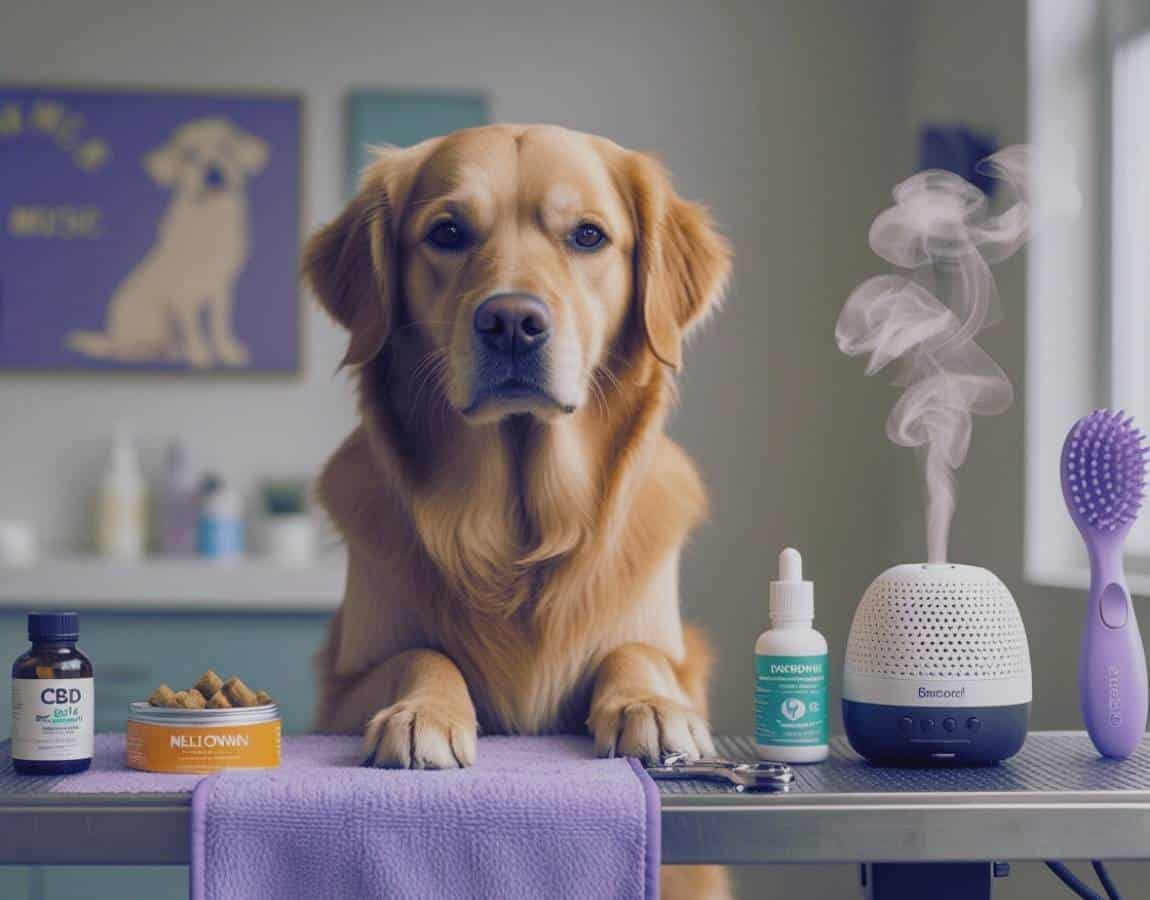
Natural sedatives use herbs or supplements to calm dogs. Ingredients like valerian root, chamomile, or CBD oil are popular. These options have fewer side effects but may work slower. Natural sedatives suit mild anxiety or nervousness. Always check with your vet before trying natural methods.

Credit: www.holistapet.com
Preparing Your Dog For Sedation
Preparing your dog for sedation is essential for a safe grooming session. Proper preparation helps reduce stress and prevents complications during sedation. Understanding key steps makes the process easier for both you and your pet.
Fasting Guidelines
Fasting before sedation is important. It reduces the risk of vomiting and choking. Generally, do not feed your dog for 8 to 12 hours before sedation. Water can be given up to 2 hours before. Always follow your vet’s specific instructions.
Creating A Calm Environment
A calm environment helps your dog relax. Choose a quiet room with minimal noise. Avoid loud sounds and sudden movements. Speak softly and offer gentle petting. This reduces anxiety and prepares your dog mentally for sedation.
Administering Sedation Safely
Administering sedation safely is key to a smooth grooming session. It helps keep your dog calm and relaxed. Safety means giving the right dose at the right time. It also means watching your dog closely for any signs of trouble. Careful steps reduce risks and keep your dog comfortable throughout grooming.
Dosage And Timing
Use the dose recommended by your vet. Never guess or give extra medicine. Too much sedation can harm your dog. Too little may not calm them enough. Give sedation about 30 to 60 minutes before grooming. This timing helps the medicine work well. Follow the vet’s instructions exactly for best results.
Monitoring Your Dog
Keep a close eye on your dog after giving sedation. Watch breathing, heart rate, and behavior. Look for signs like very slow breathing or unusual sleepiness. Keep your dog in a quiet, safe place. Stay nearby until the sedation wears off. Contact your vet immediately if you see any warning signs.
Grooming Tips While Sedated
Grooming a sedated dog requires extra care and attention. The dog is calm but more fragile. Careful handling helps keep the dog safe and relaxed during grooming. Small actions make a big difference.
Understanding how to handle a sedated dog and avoid stress triggers creates a smooth grooming session. Focus on gentle touches and a calm environment.
Handling Sedated Dogs
Support the dog’s body gently at all times. Avoid sudden movements or loud noises. Use slow, soft strokes when brushing or trimming fur. Keep tools close to avoid unnecessary reaching. Watch the dog’s breathing and color for signs of discomfort. Stop immediately if anything seems wrong. Use a soft towel or blanket to keep the dog warm. Handle the dog with steady hands and calm voice.
Avoiding Stress Triggers
Keep the room quiet and peaceful. Turn off loud machines or alarms. Limit the number of people near the dog. Avoid strong smells such as perfumes or cleaning products. Use natural light or soft lamps to brighten the space. Prepare all grooming tools before sedation. Prevent any sudden changes in temperature or lighting. Give the dog breaks if the session is long. Calm surroundings reduce risks and help the dog stay relaxed.
Aftercare And Recovery
After sedating a dog for grooming, proper aftercare and recovery are crucial. The dog needs gentle handling and close watch. This helps prevent problems and speeds up healing. A calm and quiet space supports a smooth recovery. Avoid loud noises and sudden movements around the dog. Offer fresh water and let the dog rest as much as needed.
Post-sedation Monitoring
Watch the dog closely after sedation. Check breathing rate and depth regularly. The dog should breathe smoothly without effort. Monitor the dog’s temperature to avoid overheating or chills. Keep an eye on the dog’s level of alertness. The dog should slowly wake up but not be restless or too sleepy. Make sure the dog stays in a safe, warm place. Do not leave the dog alone until fully awake.
Signs Of Complications
Look for unusual behavior or physical signs. Difficulty breathing or very fast breathing needs attention. Vomiting or repeated coughing can be dangerous. Pale gums or bluish tongue show low oxygen. Seizures or severe shaking require immediate help. Excessive drooling or weakness is also a warning sign. Contact a vet immediately if any signs appear. Early care can prevent serious health problems.
Credit: monsieurgroomer.com
Alternatives To Sedation
Many dog owners worry about sedation risks during grooming. Sedatives can cause side effects and stress for some dogs. Finding gentle alternatives helps keep your dog calm and safe. These methods build trust and reduce fear over time. They create a better grooming experience without medicine.
Training And Desensitization
Training your dog before grooming helps avoid sedation. Start with short sessions of gentle handling. Let your dog smell and see grooming tools. Praise and reward calm behavior. Slowly increase grooming time as your dog relaxes. This gradual process lowers anxiety and fear.
Desensitization teaches dogs to accept touch and noise. Use soft brushes and quiet clippers at first. Repeat regularly to build comfort. Dogs learn to stay calm during grooming. Training takes patience but improves long-term results.
Professional Groomers’ Techniques
Experienced groomers use calming methods to reduce stress. They work at the dog’s pace, avoiding force. Gentle handling and slow movements help dogs relax. Some use special calming sprays or wraps. These tools soothe without drugs.
Groomers often create a quiet, safe environment. Soft music and low lighting reduce nervousness. Professionals read dog body language to adjust care. Their skills lower the need for sedation. Trusting a good groomer makes grooming easier for your dog.
Frequently Asked Questions
How Can I Safely Sedate My Dog For Grooming?
Consult your vet before sedating your dog. Use only prescribed medication. Follow dosage instructions carefully to ensure safety during grooming.
What Are Common Sedatives Used For Dog Grooming?
Common sedatives include Acepromazine and Diazepam. These help calm anxious dogs. Always use under veterinary supervision for safety and effectiveness.
When Should I Consider Sedating My Dog For Grooming?
Sedate your dog if it’s highly anxious or aggressive. Sedation helps prevent injury and stress during grooming sessions.
Are There Natural Alternatives To Sedate Dogs For Grooming?
Yes, options like CBD oil or calming sprays exist. However, consult your vet before use. Natural alternatives may be less effective than medications.
Conclusion
Sedating a dog for grooming takes care and patience. Always consult a vet before giving any medicine. Use the right dose to keep your dog safe. Watch your dog closely during and after sedation. Calm, gentle handling helps reduce stress for your pet.
Proper sedation can make grooming easier and safer. Remember, your dog’s comfort is the top priority. Keep learning and stay informed to help your furry friend. Safe grooming means happy dogs and happy owners.


