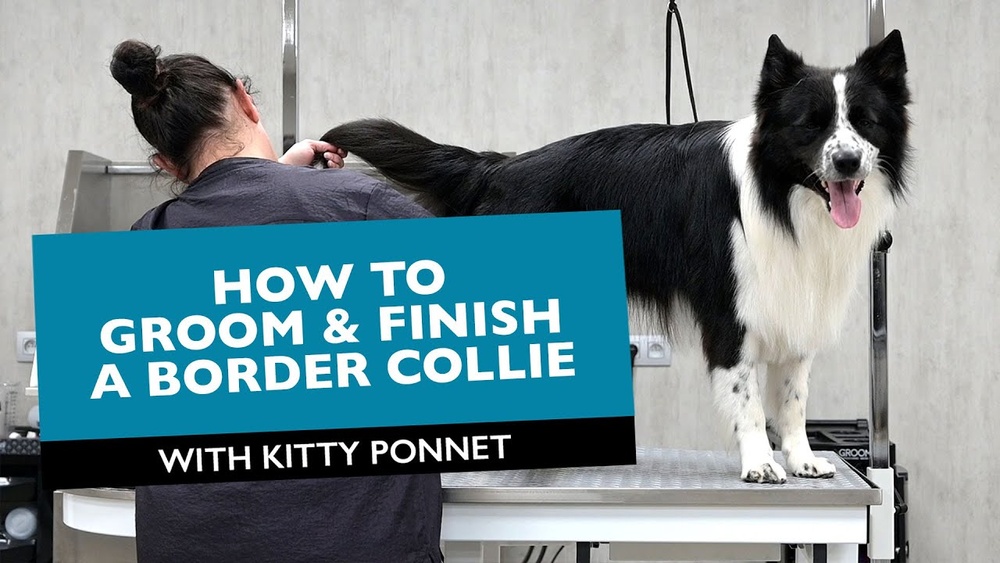
Grooming your Bernese Mountain Dog isn’t just about keeping them looking good—it’s about keeping them healthy and happy. If you want your furry friend to have a shiny coat, free of mats and tangles, you need to know the right steps.
You might think grooming such a big, fluffy dog is hard, but it doesn’t have to be. In this guide, you’ll discover simple, effective tips that make grooming easy and even fun for both of you. Ready to learn how to keep your Bernese Mountain Dog looking and feeling their best?
Let’s get started!
Coat Characteristics
The Bernese Mountain Dog has a thick, beautiful coat that needs care. Understanding the coat helps in proper grooming. This breed’s fur protects it from cold weather. The coat is a key part of the dog’s charm and health.
Fur Texture And Length
The Bernese fur is long and silky. It feels soft but is strong. The undercoat is dense, keeping the dog warm. The topcoat lies flat and shines slightly. This combination needs gentle brushing to avoid mats. Regular grooming keeps the coat smooth and healthy.
Seasonal Shedding Patterns
Bernese dogs shed more in spring and fall. This is when they lose old fur to grow new. During these times, brushing is very important. It removes loose hairs and stops mats from forming. Outside of shedding seasons, the fur still needs weekly care. This helps keep the coat clean and free of tangles.

Credit: www.riverviewgrooming.com
Essential Grooming Tools
Grooming a Bernese Mountain Dog needs the right tools. These tools keep your dog clean, healthy, and comfortable. Having them ready makes grooming easier. Your dog will enjoy the care more.
Brushes And Combs
Choose a slicker brush to remove loose hair and dirt. It works well on thick fur. A wide-tooth comb helps untangle knots gently. Use it after brushing to smooth the coat. Regular brushing stops mats and reduces shedding.
Bathing Supplies
Pick a mild dog shampoo made for sensitive skin. It keeps the coat shiny and soft. Have a towel and a non-slip mat ready. A gentle spray nozzle or cup helps rinse shampoo well. Bathing every few months keeps your dog fresh.
Nail And Ear Care Items
Use a dog nail clipper or grinder to trim nails safely. Short nails prevent pain and injury. Clean ears with cotton balls and a vet-approved ear cleaner. Check ears often for dirt and wax build-up. Healthy ears avoid infections and discomfort.
Brushing Techniques
Brushing a Bernese Mountain Dog is key to keeping their coat clean and healthy. Their thick fur needs regular care to stop mats and tangles from forming. Using the right brushing techniques helps keep your dog comfortable and looking good. It also reduces shedding and skin problems.
Daily Brushing Routine
Brush your Bernese Mountain Dog every day. Use a slicker brush to remove loose hair and dirt. Start brushing from the head and work down to the tail. Move the brush in the direction of hair growth. Be gentle around sensitive areas like the belly and legs.
Daily brushing keeps the coat shiny and prevents mats from forming. Spend about 10 to 15 minutes each session. This also helps you check for ticks, fleas, or skin issues early.
Handling Mats And Tangles
Mats can hurt your dog’s skin if left untreated. Use a wide-toothed comb to gently work through mats. Hold the fur near the skin to reduce pulling. Start at the edge of the mat and slowly comb outwards.
For tough mats, try a mat splitter or detangling spray. If a mat is too tight, carefully cut it out with scissors. Regular brushing lowers the chance of mats. Patience and care keep your Bernese happy during grooming.
Bathing Your Dog
Bathing your Bernese Mountain Dog is an important part of grooming. It keeps their thick coat clean and healthy. Regular baths remove dirt, loose hair, and odors. Bath time also helps you check the skin for any problems.
Choosing The Right Shampoo
Select a shampoo made for dogs. Human shampoos can irritate their skin. Look for gentle formulas that moisturize and protect. Avoid shampoos with harsh chemicals or strong fragrances. If your dog has sensitive skin, pick a hypoallergenic shampoo. A shampoo with natural ingredients works well for most Bernese Mountain Dogs.
Bathing Frequency And Tips
Bath your dog every 6 to 8 weeks. Too frequent baths can dry out their skin. Use lukewarm water to keep your dog comfortable. Wet the coat fully before applying shampoo. Massage shampoo gently into the fur and skin. Rinse thoroughly to remove all soap. Dry with a towel and a low-heat blow dryer if your dog allows. Brush the coat after drying to prevent tangles and mats.
Nail Trimming Tips
Trimming your Bernese Mountain Dog’s nails is important for their comfort and health. Long nails can cause pain and affect how your dog walks. Nail trimming may seem hard, but with the right tips, it becomes easier and safer. This section shares simple ways to keep your dog’s nails neat and healthy.
Safe Nail Cutting Methods
Use a sharp, dog-specific nail clipper for clean cuts. Hold your dog’s paw firmly but gently. Cut small parts of the nail at a time. Avoid cutting too close to the quick, the pink area inside the nail with blood vessels. If your dog has dark nails, trim little by little to prevent cutting the quick. Use a nail file to smooth rough edges after clipping. Keep styptic powder nearby to stop bleeding if you cut the quick accidentally. Reward your dog with treats to make nail trimming a positive experience.
Signs Of Overgrown Nails
Overgrown nails can curl and dig into the paw pads. This causes pain and can lead to infections. Watch for clicking sounds when your dog walks on hard floors. Your dog may limp or avoid putting weight on one paw. Nails longer than the paw pads need trimming. Check nails regularly to catch overgrowth early. Healthy nails keep your dog comfortable and active.
Ear Cleaning Steps
Cleaning a Bernese Mountain Dog’s ears is important for their health. Dirt and wax can build up inside. This can cause infections and discomfort. Regular ear cleaning keeps your dog happy and healthy.
Follow simple steps to clean the ears safely. Use the right tools and be gentle. Check the ears often to spot any problems early.
Preventing Infections
Dirty ears can lead to infections. Watch for redness, bad smell, or discharge. These signs mean you should see a vet. Clean ears help stop infections before they start. Keep ears dry after baths and swimming. Wet ears can cause bacteria to grow.
Cleaning Techniques
Use a vet-approved ear cleaner. Avoid using cotton swabs deep inside the ear. They can hurt your dog’s ear canal. Instead, use cotton balls or soft cloth. Put some cleaner on the cotton. Gently wipe the visible parts of the ear. Let your dog shake its head to remove dirt. Repeat if necessary but do not over-clean. Too much cleaning can irritate the skin.
Dealing With Shedding
Shedding is a natural part of owning a Bernese Mountain Dog. Their thick double coat sheds year-round, with heavy shedding during seasonal changes. Managing this shedding helps keep your home clean and your dog comfortable.
Regular grooming reduces loose hair and prevents mats. You can control shedding by establishing a consistent routine and using the right tools. Understanding your dog’s shedding patterns makes the process easier.
Managing Seasonal Blowouts
Seasonal blowouts happen twice a year, in spring and fall. Your Bernese will lose old undercoat to make room for new fur. During this time, daily brushing is key.
Use a slicker brush or undercoat rake to reach deep layers. Start brushing from the neck to the tail. Be gentle to avoid hurting your dog’s skin. A regular bath with a de-shedding shampoo helps loosen dead hair.
Home Remedies To Reduce Shedding
Natural remedies support your dog’s coat health and reduce shedding. Omega-3 fatty acids, found in fish oil, improve skin and fur quality. Add a small amount to your dog’s food after checking with your vet.
Regularly wiping your dog with a damp cloth removes loose hair. Coconut oil applied to the coat can keep fur shiny and skin moisturized. Healthy diet and hydration also play a big role in shedding control.
Maintaining Coat Health
Maintaining the coat health of a Bernese Mountain Dog is important for its overall well-being. Their thick, beautiful fur needs care beyond regular brushing. Healthy skin supports a shiny and strong coat. Proper care helps avoid common issues like dryness or shedding.
Good grooming starts with understanding what keeps the coat healthy. This includes what your dog eats and regular health checks. These steps keep your Bernese Mountain Dog’s fur soft and vibrant.
Diet And Nutrition Impact
A balanced diet affects your dog’s coat quality. Nutrients like omega-3 and omega-6 fatty acids improve skin health. Proteins help build strong hair follicles. Avoid low-quality food with fillers and artificial ingredients. Fresh water is essential to keep skin hydrated. Healthy food choices support less shedding and a glossy coat.
Regular Vet Checkups
Regular visits to the vet catch skin problems early. Parasites, allergies, or infections can harm the coat. Your vet can recommend supplements or treatments if needed. Checkups keep your dog comfortable and coat in top shape. Early care prevents serious skin and coat issues.
Professional Grooming Options
Professional grooming helps keep your Bernese Mountain Dog clean and healthy. It also makes your dog look neat and feel comfortable. Groomers have tools and skills to handle thick fur and tough mats. They can spot skin problems early. Choosing professional care saves you time and effort.
When To Visit A Groomer
Plan visits every 6 to 8 weeks. This timing keeps your dog’s coat shiny and free of mats. Check the nails and ears during visits. Groomers clean ears and trim nails safely. If your dog has skin issues, more frequent visits may help. Watch for heavy shedding or bad smells. These signs suggest a grooming session is needed soon.
Choosing The Right Grooming Service
Pick a groomer who knows Bernese Mountain Dogs well. Ask about their experience with large, thick-coated dogs. Read reviews from other dog owners. Look for a clean, calm place with gentle staff. Make sure they use safe, pet-friendly products. A good groomer listens to your needs and answers questions. Trust and comfort matter for your dog’s grooming visit.

Credit: www.reddit.com

Credit: www.reddit.com
Frequently Asked Questions
How Often Should I Groom A Bernese Mountain Dog?
Bernese Mountain Dogs need grooming at least once a week. Regular brushing prevents mats and removes loose fur. During shedding seasons, groom more frequently to manage heavy hair loss and keep their coat healthy.
What Tools Are Best For Grooming Bernese Mountain Dogs?
Use a slicker brush, undercoat rake, and grooming scissors. These tools help remove loose hair, detangle mats, and trim fur. A good grooming kit keeps your Bernese’s coat clean and shiny.
How Do I Prevent Matting In Bernese Mountain Dog Fur?
Brush your dog’s coat weekly, focusing on thick areas like behind ears and legs. Regular grooming stops tangles and mats from forming. Bathing occasionally with a gentle shampoo also helps maintain soft, manageable fur.
Can I Trim My Bernese Mountain Dog’s Nails At Home?
Yes, you can trim their nails at home using dog nail clippers. Be careful to avoid the quick, which causes bleeding. Regular nail trimming keeps paws healthy and comfortable.
Conclusion
Grooming a Bernese Mountain Dog keeps them healthy and happy. Regular brushing stops mats and removes loose fur. Bathing every few months keeps their coat clean. Don’t forget to trim nails and clean ears often. A well-groomed dog looks great and feels good.
Spend time with your dog during grooming. It builds trust and strengthens your bond. Stick to these simple steps for best care. Your Bernese will thank you with love and loyalty.