

Are you dreaming of a career where you can work with dogs every day? Becoming a dog groomer might be the perfect fit for you.
But how long does it really take to become skilled and confident in this profession? If you’re eager to start making furry friends look their best, understanding the time commitment is key. You’ll discover the steps involved and how quickly you can turn your passion into a rewarding career.
Keep reading to find out everything you need to know about becoming a dog groomer!
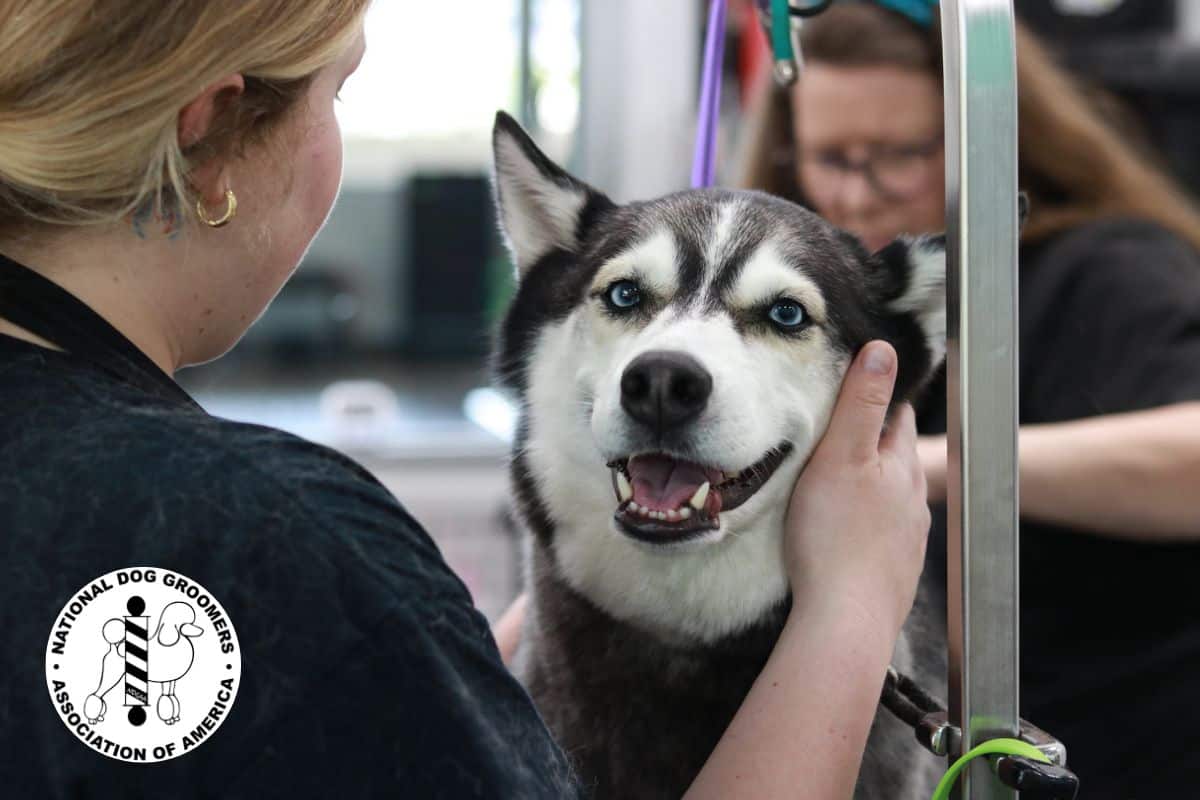
Credit: www.theacademyofpetcareers.com
Career Path To Dog Grooming
The career path to dog grooming offers a clear route for those who love animals and want to work hands-on. Starting as a beginner, you can grow your skills and move into more advanced roles. Understanding the steps helps you plan your journey well. Here is a look at key aspects of this career path.
Entry-level Roles
Most dog groomers begin as assistants or apprentices. These roles involve learning basic grooming tasks and handling dogs safely. You often work under a skilled groomer’s supervision. Tasks include bathing, brushing, and cleaning. This stage usually lasts a few months to a year. It helps build confidence and practical experience.
Skills Needed
Good dog groomers need patience and a gentle touch. They must handle dogs calmly and carefully. Basic knowledge of dog breeds and coat types is important. Groomers should know how to use grooming tools safely. Communication skills help with talking to pet owners. Physical stamina is needed for long hours of standing and bending.
Typical Work Environment
Dog groomers work in pet salons, veterinary clinics, or mobile grooming vans. The environment is usually lively and noisy. Groomers spend much time standing and working with animals. Cleanliness and safety are top priorities. Working hours can vary, including weekends and holidays. The job requires focus and a love for animals every day.
Training Programs And Courses
Training programs and courses provide the foundation for becoming a skilled dog groomer. They teach essential grooming techniques, animal handling, and safety practices. Choosing the right training helps you gain confidence and practical skills. Understanding course types, duration, and format is important before starting.
Types Of Grooming Courses
Courses vary from basic to advanced levels. Basic courses cover grooming tools and simple cuts. Advanced courses teach breed-specific styles and nail care. Some programs offer certifications that boost your credibility. Hands-on training is common in most courses.
Duration Of Training
Training time ranges from a few weeks to several months. Short courses may last 4 to 6 weeks. More detailed programs can take 3 to 6 months. Part-time classes allow learning alongside other jobs. The pace depends on course depth and your availability.
Online Vs In-person Classes
Online classes offer flexibility and self-paced learning. You watch videos and read materials at home. In-person classes provide hands-on practice with real dogs. They allow direct feedback from instructors. Many groomers prefer in-person training for skill building.
Apprenticeships And On-the-job Training
Apprenticeships and on-the-job training offer a hands-on path to becoming a dog groomer. This approach allows learners to gain real experience while working with experienced professionals. It helps build skills and confidence in a real work setting. Many groomers start their careers this way because it combines learning and earning.
Finding An Apprenticeship
Start by contacting local grooming salons and pet stores. Some businesses offer formal apprenticeship programs. Others might allow you to train informally by assisting a groomer. Networking with pet professionals can open doors. Check job boards and community groups for opportunities. Persistence and enthusiasm often lead to finding a position.
Learning Through Experience
On-the-job training means learning by doing. You will observe, assist, and gradually take on more tasks. Skills like bathing, brushing, and clipping are taught step-by-step. Trainers provide feedback to improve your techniques. This method helps you understand dog behavior and safety. Each day brings new lessons and challenges.
Timeframe For Skill Development
The time to become skilled varies by person and program. Most apprentices gain basic skills within six months to a year. Advanced skills may take longer to develop. Regular practice and dedication speed up progress. Consistent work helps build confidence and speed. Many groomers continue learning throughout their careers.

Credit: smart.dhgate.com
Certification And Licensing
Certification and licensing play a key role in becoming a dog groomer. They show your skills and knowledge. These credentials help you build trust with clients and employers. Understanding certification and licensing helps you plan your career path.
Popular Certifications
Several certifications are well-known in the dog grooming field. The National Dog Groomers Association of America (NDGAA) offers a Certified Professional Groomer (CPG) program. The International Professional Groomers, Inc. (IPG) also provides certification. These programs test your grooming skills and theory knowledge. They often include hands-on exams and written tests.
Benefits Of Certification
Certification improves your job chances and pay. It proves you meet industry standards. Certified groomers gain more client trust. It shows you care about your work. Certification helps you learn new grooming techniques. It keeps your skills updated with industry trends.
Licensing Requirements By Region
Licensing rules vary by location. Some states require a license to groom dogs professionally. Others do not have strict rules. Usually, local governments set licensing regulations. Licensing may involve exams or proof of certification. Check your area’s rules before starting your career.
Factors Influencing Training Length
Several factors affect how long it takes to become a dog groomer. Training length varies widely depending on personal and course-related elements. Understanding these factors helps set realistic expectations. Here are some key points that influence the training duration.
Individual Learning Pace
Everyone learns at their own speed. Some grasp grooming skills quickly. Others may need more time to practice techniques. Confidence with tools grows with experience. Fast learners may finish training sooner. Slow learners might require extra sessions. Patience and practice improve skill levels.
Course Intensity
Training programs differ in length and depth. Some courses are full-time and last a few weeks. Others spread out over several months part-time. Intensive courses cover more material in less time. Light courses offer more flexibility but take longer. The choice of course affects how fast you complete training.
Previous Experience With Animals
Experience with pets can shorten training time. Familiarity with animal behavior helps during grooming. Those who have worked with dogs before adapt quickly. Beginners may need extra lessons to build confidence. Understanding animals reduces stress for groomer and pet. Experience plays a crucial role in learning speed.
Advancing Your Grooming Career
Advancing your grooming career takes time and effort beyond the basics. After learning the core skills, you can grow in many ways. Growth means gaining new skills, finding your niche, and building trust with clients. This section explains how to move forward as a dog groomer.
Specializations In Grooming
Choosing a specialization helps you stand out. Some groomers focus on specific breeds or styles. Others work with senior dogs or pets with special needs. Specializing can increase your skill and attract more clients. It makes your work more interesting and rewarding.
Continuing Education
Learning never stops in grooming. New tools and techniques appear regularly. Taking extra classes keeps you updated. Workshops and online courses improve your skills. Good groomers keep learning to stay competitive and confident.
Building A Client Base
Clients are the heart of your business. Start by providing great service and care. Word of mouth spreads fast in pet communities. Be reliable and friendly to keep clients coming back. Offer promotions or packages to encourage loyalty. A strong client base means steady work and success.
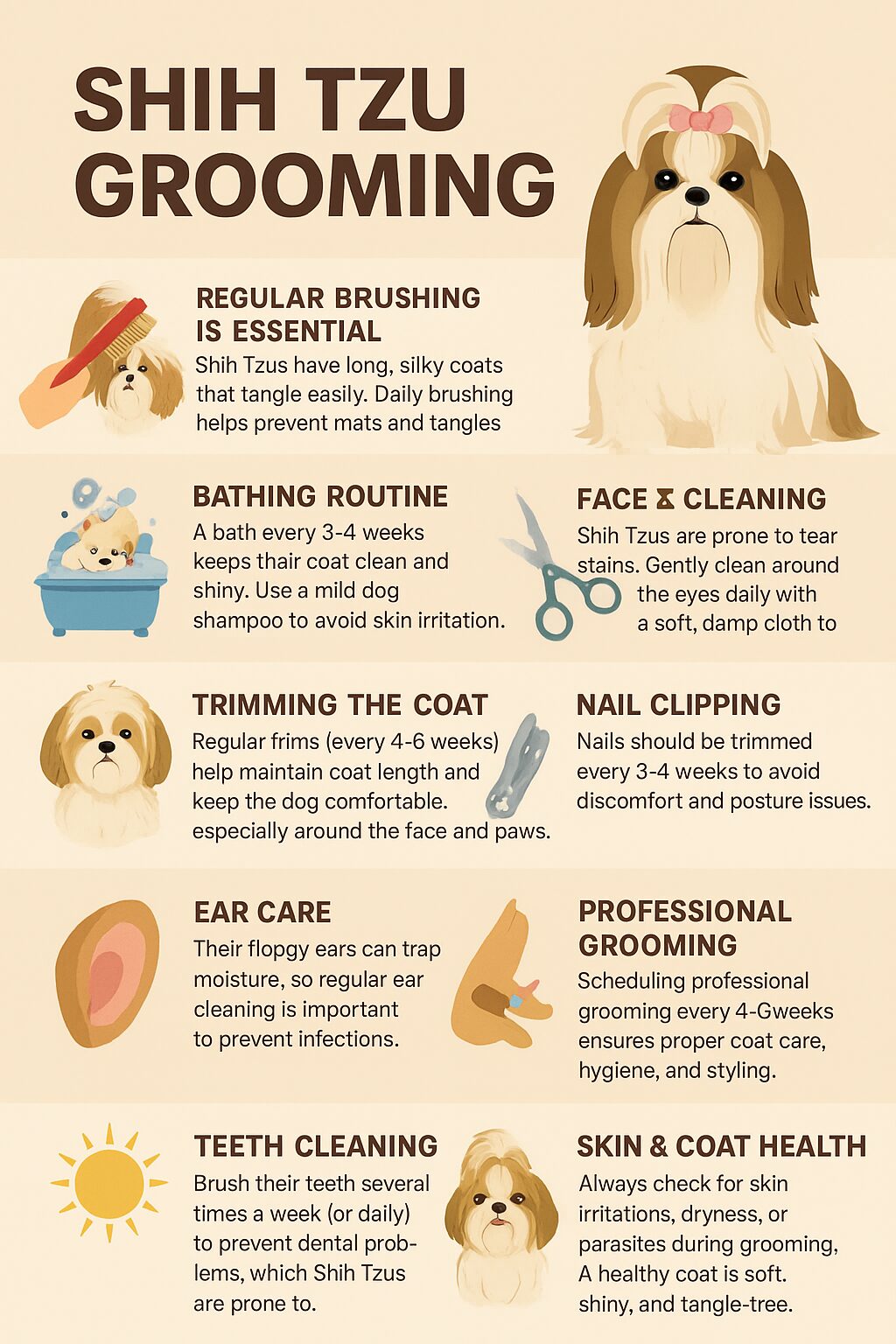
Credit: brooklynpetspa.com
Frequently Asked Questions
How Long Does It Take To Become A Certified Dog Groomer?
Becoming a certified dog groomer typically takes 6 months to 1 year. This includes completing hands-on training and passing certification exams.
What Factors Affect The Time To Become A Dog Groomer?
Training program length, prior experience, and certification requirements affect how long it takes. Intensive courses shorten the timeline significantly.
Can You Become A Dog Groomer Without Formal Training?
Yes, some groomers learn through apprenticeships or on-the-job training, but formal education speeds up skill acquisition and certification.
Is Certification Necessary To Work As A Dog Groomer?
Certification is not always mandatory but enhances job prospects and credibility. Clients often prefer certified groomers for safety and quality.
Conclusion
Becoming a dog groomer takes time and effort. Most people finish training in a few months to a year. Practice helps improve skills and confidence. Every dog is different, so learning never stops. Patience and love for animals matter most.
This career can bring joy and satisfaction daily. Start small, keep learning, and enjoy the journey.


