

Are you tired of cleaning up messes and feeling frustrated with your new dog? Imagine having a well-trained pup who knows exactly where to go, saving you time and stress.
House training your dog doesn’t have to be a long, exhausting process. In fact, with the right steps, you can teach your dog to be fully house trained in just 7 days. This guide will show you simple, proven methods that anyone can follow.
Stick with me, and by the end of the week, you and your dog will be enjoying a cleaner, happier home together. Ready to get started? Let’s dive in!
Prepare Your Home
Preparing your home is the first step to house train your dog in seven days. A well-prepared space helps your dog learn faster and feel safe. Organize a clear area and gather what you need before training starts. This makes the process smooth and less stressful for both of you.
Choose A Designated Potty Spot
Pick one spot outside for your dog to go potty. This helps your dog understand where to relieve itself. Choose a quiet, easy-to-reach place. Taking your dog there every time builds a strong habit. Consistency is key for quick learning.
Gather Essential Supplies
Get all supplies ready before training begins. You need a leash, cleaning products, and training treats. A crate or playpen will help manage your dog’s space. Keep everything within reach for quick access. This saves time and supports good habits.
Set Up A Safe Space
Create a small, safe area for your dog indoors. Use a crate or playpen to limit movement. This helps your dog learn control and avoid accidents. Make the space comfortable with bedding and toys. A secure spot helps your dog feel calm and focused.

Credit: www.purina.com
Establish A Routine
Establishing a routine is key to house training your dog quickly. Dogs thrive on consistency. A steady schedule helps them learn what to expect. It reduces accidents and builds good habits fast.
Set Regular Feeding Times
Feed your dog at the same times every day. This helps control when they need to go potty. Avoid free feeding or leaving food out all day. Measure portions and stick to the schedule. Regular meals lead to regular bathroom breaks.
Schedule Frequent Potty Breaks
Take your dog outside often, especially after meals and naps. Puppies need to go every one to two hours. Watch for signs like sniffing or circling. Praise your dog immediately after they go outside. Frequent breaks prevent accidents inside your home.
Monitor Activity And Sleep Patterns
Keep track of your dog’s play and rest times. A tired dog will settle better indoors. Note when your dog usually sleeps and wakes. Align potty breaks with these natural rhythms. Consistent activity and rest support successful training.
Teach Potty Commands
Teaching potty commands helps your dog learn where and when to go. It gives clear signals your dog can understand. This makes house training faster and less stressful. Your dog will know what you expect. Consistency and patience are key.
Select A Consistent Cue Word
Choose one simple word for potty time. Words like “go potty” or “bathroom” work well. Use the same phrase every time you take your dog outside. This helps your dog link the word with the action. Avoid changing the cue word. Keep it short and clear.
Use Positive Reinforcement
Praise your dog right after they go potty outside. Use happy tones and kind words. This shows your dog they did the right thing. You can also use treats to encourage good behavior. Positive reinforcement builds a strong habit. It makes your dog want to listen.
Reward Successful Attempts
Give a treat or a favorite toy after your dog finishes potty outside. Rewarding success helps your dog understand what to do. Be quick with the reward so your dog connects it with the potty action. This motivates your dog to repeat the behavior. Celebrate every success to keep your dog eager to learn.
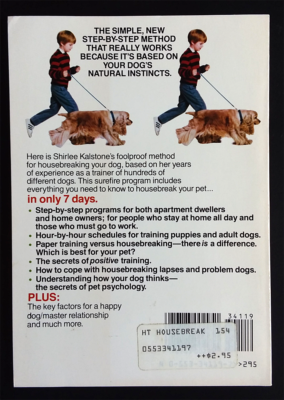
Credit: www.ebay.com
Handle Accidents Effectively
Accidents are part of house training a dog. Handling them the right way helps your dog learn faster. How you react to accidents shapes your dog’s behavior. Calm and proper actions keep training on track.
Clean Up Thoroughly
Clean the accident spot completely. Use an enzyme cleaner to remove all smells. Dogs return to places they smell urine or feces. Avoid cleaners with ammonia, as they smell like urine. A clean area stops repeat accidents in the same spot.
Avoid Punishment
Never punish your dog for accidents. Punishment creates fear and confusion. Dogs do not link punishment to the accident. It can harm your bond and slow training progress. Stay calm and use positive methods instead.
Stay Patient And Consistent
Patience is key in house training. Expect accidents, especially in the first days. Keep a consistent schedule for bathroom breaks. Praise and reward your dog for going outside. Consistency helps your dog understand what you expect.
Increase Freedom Gradually
Increasing your dog’s freedom step by step helps build good habits. It stops accidents in the house. Your dog learns what is allowed and what is not. This process needs patience and close attention. Watch your dog carefully and expand freedom little by little.
Expand Access To Rooms
Start by letting your dog enter one new room. Choose a space easy to clean. Watch your dog’s behavior there. If no accidents happen, add another room after a few days. Keep adding rooms slowly. This way, your dog learns where to go potty.
Supervise Off-leash Time
Let your dog roam without a leash but stay close. Watch every move. Use a leash if your dog seems confused. Supervision helps catch signs your dog needs to go out. It also stops accidents before they happen. Stay alert during this time.
Recognize Signs Of Needing To Go
Learn your dog’s signals for needing to potty. They may sniff, circle, or pace. Some dogs whine or scratch at the door. Watch for these signs and take your dog out quickly. Responding fast helps prevent mistakes. Your dog will understand better what you expect.
Troubleshoot Common Issues
Troubleshooting common problems helps keep your house training on track. Some dogs face challenges that slow progress. Understanding these issues stops frustration. It also speeds up learning.
Address Reluctance To Go Outside
Some dogs may not want to go outside. Loud noises or strange smells can scare them. Start by making outside time fun. Use treats and praise to encourage your dog.
Take short, calm walks near the door. Let your dog explore safely. Avoid forcing them out. Gradually increase time spent outside each day.
Manage Marking Behavior
Marking means your dog pees inside to claim space. It happens more with males but females do it too. Clean spots with an enzyme cleaner. This removes smells that attract re-marking.
Neuter or spay your dog to reduce marking. Watch your dog closely indoors. Interrupt and take them outside if you see signs of marking.
Deal With Regression
Sometimes dogs forget training and have accidents. Changes in routine or stress can cause this. Stay patient and consistent with training steps. Return to basics like frequent potty breaks and rewards.
Check your dog’s health with a vet if accidents continue. Illness can cause loss of control. Keep a calm tone and avoid punishment during setbacks.
Maintain Long-term Success
Keeping your dog house trained takes more than just seven days. It needs ongoing care and attention. Maintaining good habits helps your dog stay clean and happy. This section shares tips to keep long-term success in house training.
Keep A Consistent Schedule
Stick to regular feeding and bathroom times. Dogs learn best with routine. Take your dog outside at the same times every day. Consistency helps your dog understand when to go outside. Avoid sudden changes in the schedule to prevent accidents.
Continue Positive Reinforcement
Always praise your dog for going outside. Use treats and kind words to reward good behavior. Positive reinforcement makes your dog want to repeat the behavior. Never punish your dog for accidents. Focus on encouraging good habits instead.
Adapt To Life Changes
Changes like moving or new family members can confuse your dog. Keep training routines steady during these times. Be patient and give extra attention if accidents happen. Adjust your schedule to fit your dog’s new needs. This helps keep training strong despite changes.
:strip_icc()/Puppy-food-feeding-schedule-2804779-a35fb27f23bd427cbea6ed24236fee22.jpg)
Credit: www.thesprucepets.com
Frequently Asked Questions
How Long Does House Training A Dog Usually Take?
House training a dog typically takes about 7 days with consistent effort. Patience and routine are key to success. Using positive reinforcement speeds up learning and builds good habits effectively.
What Are The Best Methods For House Training Dogs?
Crate training, scheduled potty breaks, and positive reinforcement are best. Consistency and praise help dogs learn faster. Avoid punishment to encourage trust and cooperation.
How Often Should I Take My Dog Outside?
Take your dog outside every 2 to 3 hours during training. Also, after meals, naps, and playtime. Frequent trips reduce accidents and reinforce good habits quickly.
Can Puppies Be House Trained In 7 Days?
Yes, puppies can be house trained in 7 days with dedication. Consistent routine and positive rewards help puppies grasp potty rules. Patience is essential during this learning phase.
Conclusion
House training a dog in seven days takes patience and consistency. Stick to a clear routine every day. Praise your dog when they do well. Clean accidents quickly to avoid repeats. Use the same words to ask your dog to go outside.
Remember, small steps lead to big progress. Stay calm and positive throughout the process. Soon, your dog will learn where to go. Enjoy the time spent building a strong bond. Training your dog well makes life easier for both of you.


