

If you have an older dog, you might think crate training is too late or too hard. But it’s not!
You can teach your dog to love their crate, making life easier for both of you. Imagine having a safe space for your dog to relax, a way to keep them calm during travel, or a simple tool to prevent accidents at home.
This guide will show you easy, step-by-step methods to crate train your older dog without stress or frustration. Keep reading, and you’ll discover how to turn your dog’s crate into their favorite spot.

Credit: www.diggs.pet
Benefits Of Crate Training Older Dogs
Crate training older dogs offers many benefits. It helps dogs feel calm and safe. It supports good behavior and makes life easier for both dogs and owners. Many people think crate training is only for puppies. Older dogs can gain much from it too.
Safety And Security
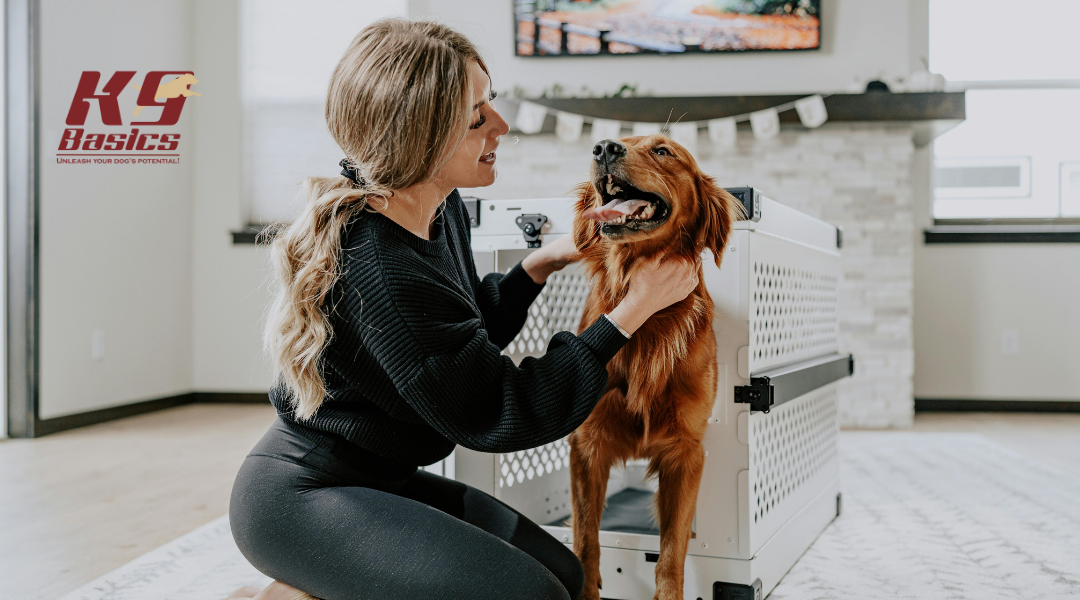
A crate gives your dog a safe space. It acts like a small den where your dog can rest. Older dogs often like quiet places to relax. The crate protects them from hazards around the house. It also keeps them safe when you are not home.
House Training Aid
Crate training helps with house training. Older dogs may need reminders about where to go. The crate teaches them to hold their bladder and bowel. Dogs naturally avoid soiling their sleeping area. This helps reduce accidents inside the home.
Reducing Anxiety
Many older dogs feel anxious in new situations. A crate can calm their nerves. It provides a familiar spot during changes or stress. The crate gives them control and comfort. This lowers their fear and helps them relax more.
Credit: k9basics.com
Choosing The Right Crate
Choosing the right crate is key to successful training for an older dog. The crate must feel safe and comfortable. It should fit your dog’s size and needs perfectly. A good crate helps your dog relax and trust the space. This section covers size, types, and where to place the crate.
Size And Comfort
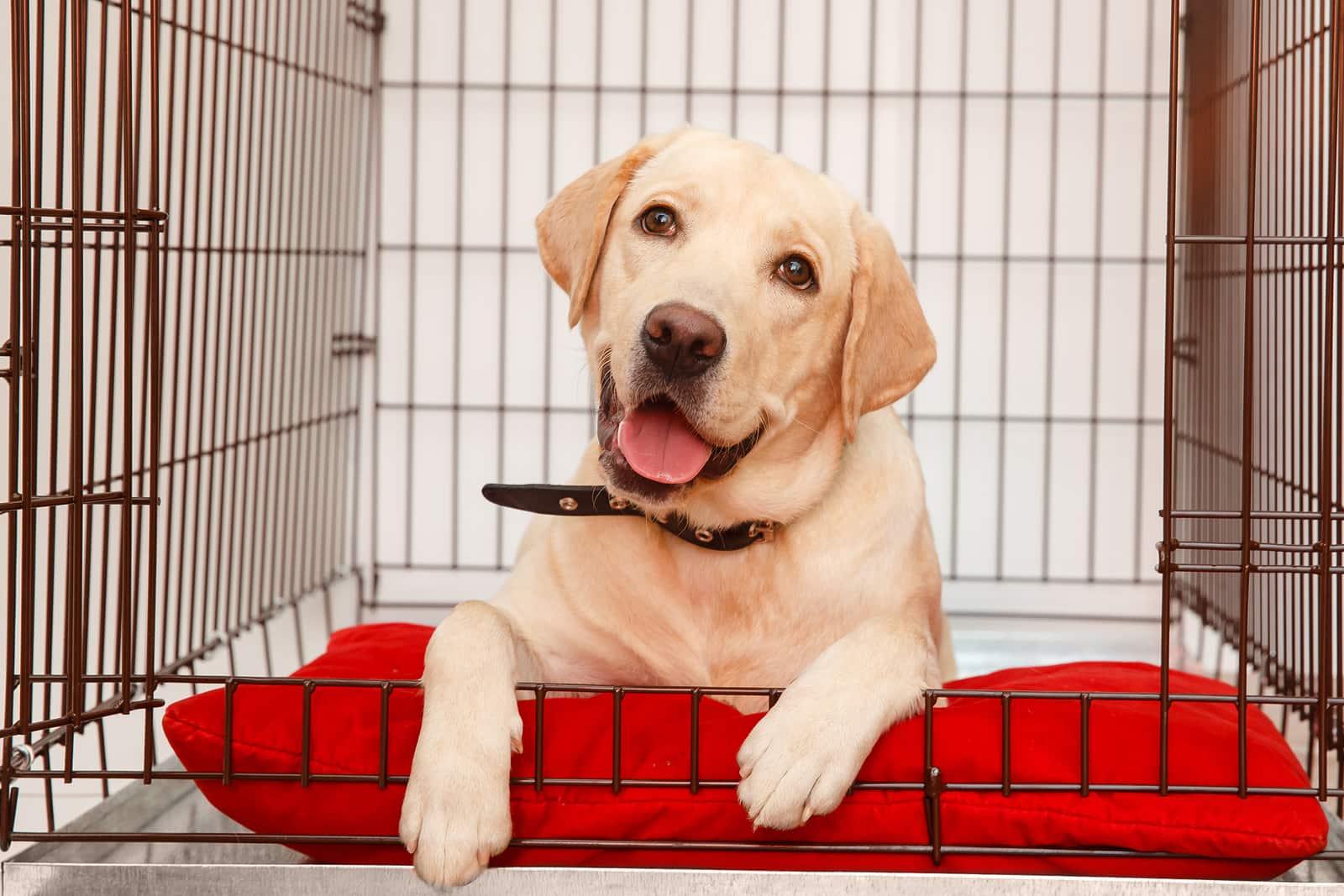
Pick a crate big enough for your dog to stand and turn. It should not be too large. Too much space can make your dog feel unsafe. Add soft bedding to keep your dog cozy. Make sure the crate has good airflow. Comfort helps your dog stay calm inside.
Types Of Crates
Wire crates are popular and easy to clean. They give good visibility and air. Plastic crates are more enclosed and cozy. Great for dogs that like quiet spaces. Soft crates work for calm dogs only. Choose a crate that suits your dog’s personality and habits.
Placement Tips
Place the crate in a quiet but social area. Avoid noisy or busy spots. Your dog should see family members from the crate. Keep it away from direct sunlight or cold drafts. A good location helps your dog feel safe and part of the family.
Preparing Your Dog For The Crate
Preparing your dog for the crate is the first step in crate training. It helps your dog feel safe and comfortable. Older dogs may need more time to adjust to the crate. Patience and kindness are key.
Introducing The Crate Gradually
Start by placing the crate in a quiet, familiar area. Leave the door open so your dog can explore freely. Put a soft blanket or bed inside. Let your dog sniff and enter the crate on their own. Do not force your dog inside. Take small steps and watch their comfort level.
Using Positive Associations
Make the crate a happy place. Use treats and toys inside the crate. Praise your dog when they enter or stay inside calmly. Feed your dog meals near or inside the crate. This builds good feelings about the space. Consistent rewards make the crate inviting.
Avoiding Forced Confinement
Never push or pull your dog into the crate. Forced confinement can cause fear and anxiety. Let your dog choose to enter the crate at their pace. Keep initial crate times short and relaxed. Gradually increase time as your dog feels safe. Respect their feelings to build trust.
Step-by-step Crate Training Process
Crate training an older dog requires patience and clear steps. This process helps your dog feel safe and comfortable inside the crate. Follow these steps carefully to build trust and make crate time a positive experience.
Short Initial Sessions
Start with very short crate sessions. Let your dog explore the crate freely. Keep the door open and place treats inside. Close the door for a few seconds only. Gradually increase the time as your dog stays calm.
Feeding Meals In The Crate
Feed your dog meals inside the crate. This creates a positive link with the crate. Place the bowl at the back of the crate. Stay nearby but do not force your dog inside. Let your dog eat calmly and close the door if possible.
Increasing Crate Time Slowly
Slowly increase how long your dog stays in the crate. Add a few minutes every day. Leave the room but stay close at first. Watch your dog’s behavior for signs of stress. Stop increasing time if your dog seems anxious.
Handling Resistance
Some older dogs resist the crate. Do not force or punish your dog. Use gentle encouragement and treats. Give breaks and try again later. Be patient and consistent. Your dog will learn to accept the crate over time.
Common Challenges And Solutions
Crate training an older dog can bring many challenges. Older dogs may have habits or fears that make training harder. Understanding these common problems helps you find the right solutions. This section covers some usual issues and easy ways to handle them.
Dealing With Whining And Barking
Whining and barking often happen when a dog feels scared or lonely inside the crate. Ignore these sounds at first. Giving attention may teach your dog to use noise for attention.
Try to make the crate cozy with soft bedding and favorite toys. Use treats to reward quiet behavior. Slowly increase the time your dog spends inside the crate.
Managing Separation Anxiety
Older dogs may worry when left alone. Separation anxiety can make crate training tough. Start with short separations. Stay calm and quiet when leaving or returning.
Give a special chew toy or treat only when you leave. This helps your dog feel safe and busy. Practice patience. Anxiety takes time to reduce.
Adjusting For Medical Conditions
Medical problems like arthritis or incontinence affect crate training. Make sure the crate is easy to enter and exit. Use soft bedding to protect joints.
Allow more bathroom breaks outside the crate. Consult your vet for advice on pain or health issues. Adjust the training pace to your dog’s needs.
Credit: www.hillspet.com.au
Maintaining Crate Training Success
Maintaining crate training success with an older dog takes patience and care. Keep the training steady to help your dog feel safe and happy. A consistent routine builds trust and good habits.
Making the crate a positive place keeps your dog calm and willing to stay inside. Knowing when to reduce crate time helps your dog gain more freedom without stress.
Consistency And Routine
Use the crate at the same times every day. This helps your dog know what to expect. Stick to regular feeding and potty breaks. Keep crate sessions short at first. Gradually increase the time your dog spends inside. Always praise your dog for calm behavior in the crate. Avoid sudden changes in schedule or crate rules.
Making The Crate A Positive Space
Place soft bedding and toys inside the crate. Give treats when your dog enters the crate calmly. Speak in a gentle and happy tone near the crate. Never use the crate for punishment. Let your dog explore the crate without pressure. Make the crate a quiet spot for rest and comfort. This makes your dog want to spend time there.
When To Phase Out The Crate
Watch for signs your dog is ready to leave the crate more often. If your dog stays calm alone, start opening the crate door. Give your dog freedom slowly and carefully. Keep the crate as a safe place but use it less. Stop crate time if your dog stays relaxed and behaves well. Keep the crate available for travel or rest times.
Frequently Asked Questions
How Long Does Crate Training Take For Older Dogs?
Crate training an older dog usually takes 1 to 3 weeks. Consistency and patience speed up the process. Each dog adapts at its own pace, so be calm and encouraging throughout training.
What Are The Benefits Of Crate Training An Older Dog?
Crate training offers safety, comfort, and a personal space for older dogs. It helps with housebreaking, reduces anxiety, and prevents destructive behavior. It also aids in travel and vet visits by providing a familiar environment.
How To Introduce A Crate To A Scared Older Dog?
Start by placing treats and toys inside the crate. Allow the dog to explore freely without pressure. Use positive reinforcement and keep sessions short. Gradually increase time spent in the crate while ensuring a calm, safe atmosphere.
Can Crate Training Help With Separation Anxiety In Older Dogs?
Yes, crate training can ease separation anxiety by creating a secure space. It helps dogs feel safe when alone. However, combine crate training with gradual desensitization and positive reinforcement for best results.
Conclusion
Crate training an older dog takes patience and kindness. Start slow and keep sessions short. Use treats and praise to make the crate a happy place. Respect your dog’s comfort and watch their progress. Consistency helps build trust and good habits.
Remember, every dog learns at their own pace. With time, your dog will feel safe and secure in their crate. Stay calm and positive throughout the process. This simple step improves both your lives. A well-trained dog means a happier home.

