

Facing the decision to put your dog down because of behavioral issues is one of the hardest choices you might ever make. You love your pet, but you’re also worried about safety, stress, and the impact on your family.
You might feel confused, guilty, or unsure if this is really the right step. This article will guide you through understanding when and why this decision might be necessary, what signs to watch for, and how to handle the process with care.
Keep reading to find clarity and support during this difficult time.
Credit: www.askthedogguy.com
Signs Of Severe Behavioral Issues
Recognizing severe behavioral issues in dogs is crucial for their well-being and safety. Some behaviors are serious and affect the dog’s quality of life and the safety of people around. These signs often indicate deep problems that need attention. Identifying these signs early helps in making informed decisions about care or treatment.
Aggression And Safety Risks
Aggression is a key sign of severe behavioral problems. Dogs that bite or attack without warning pose a danger. Growling, snapping, and lunging are clear warning signs. Aggression can target people, other dogs, or animals. This behavior can lead to serious injuries and legal issues. Safety risks may force owners to consider difficult choices.
Unmanageable Anxiety And Fear
Extreme anxiety or fear can disrupt a dog’s life. Dogs may hide, shake, or refuse to eat. Panic attacks and constant trembling are common. Fear can cause unpredictable reactions, including aggression. These issues affect both the dog and the family’s daily life. Treatment may not always help, leading to tough decisions.
Destructive Behaviors
Destructive behavior is more than chewing a shoe. It includes constant digging, destroying furniture, or harming themselves. These acts show deep stress or frustration. Destruction can cause injuries or unsafe living conditions. Persistent destructive behaviors often mean the dog is unhappy or troubled. Addressing these signs is vital for everyone’s safety.

Credit: www.aspca.org
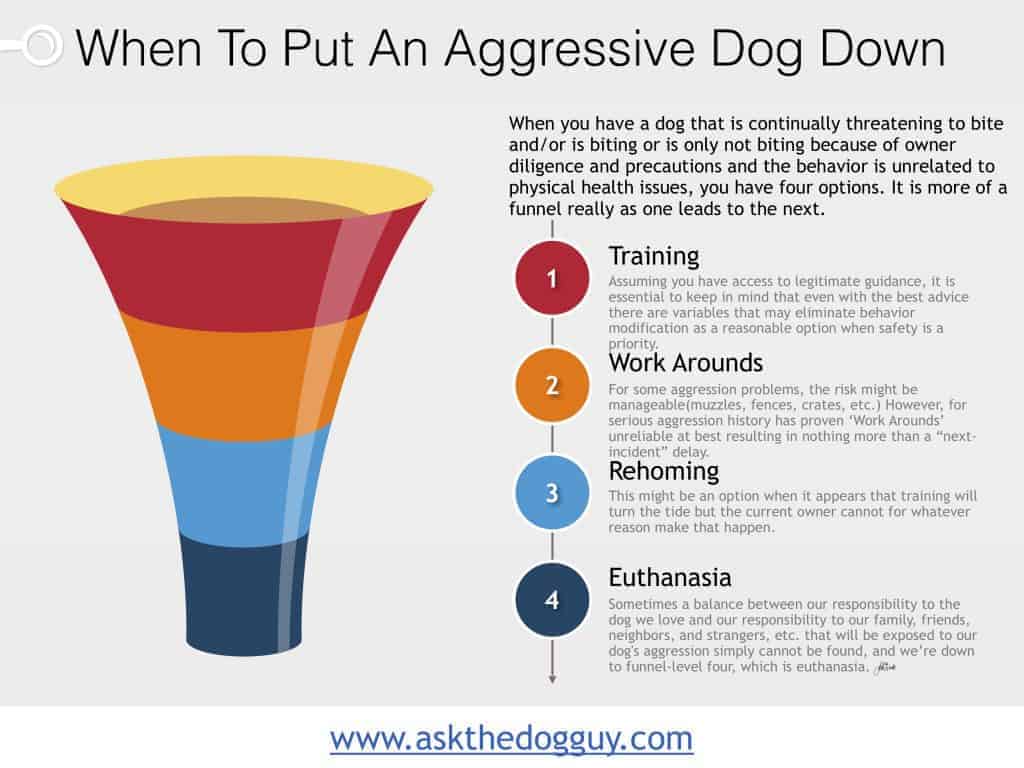
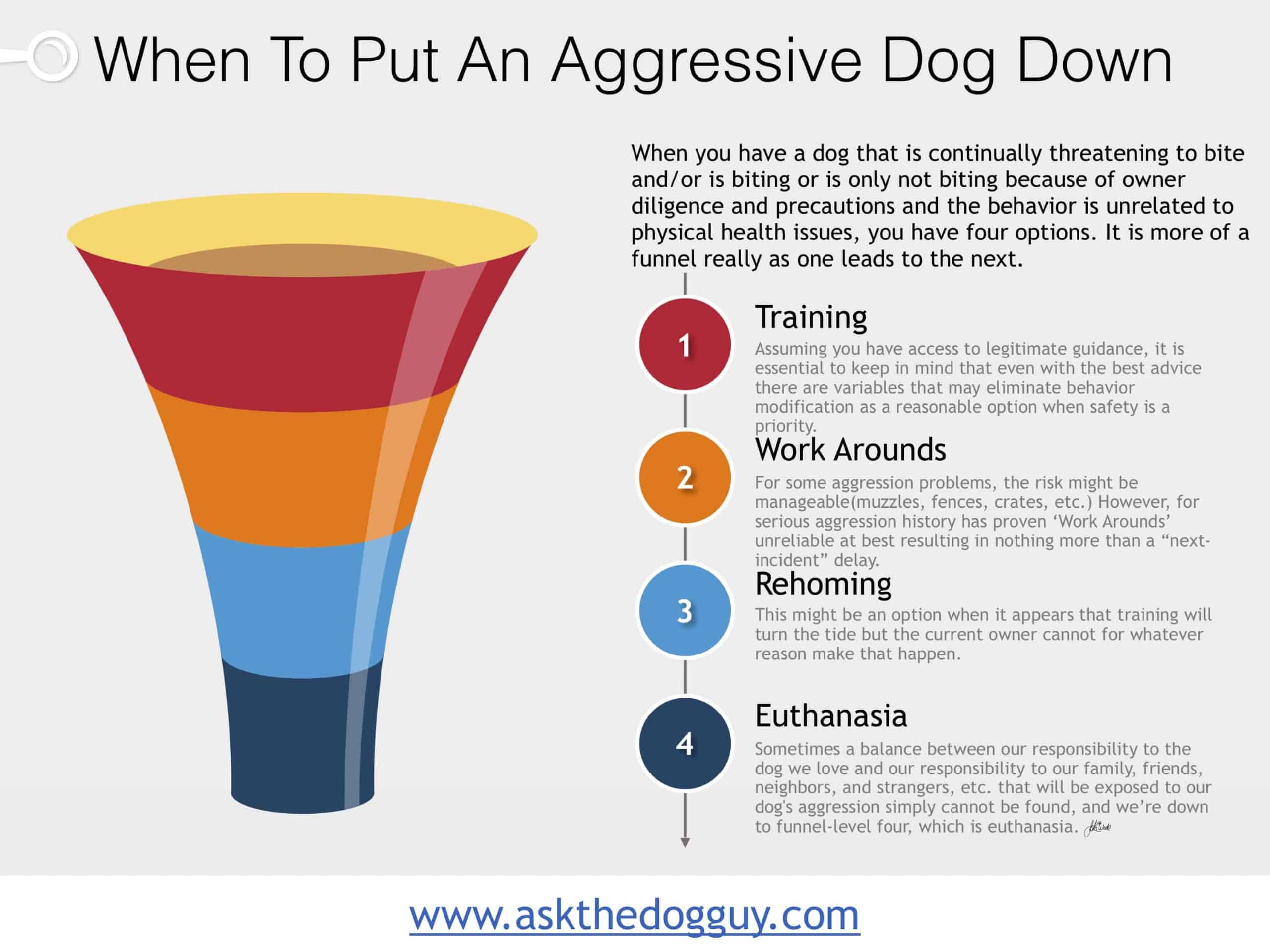
Alternatives To Euthanasia
Facing a dog’s behavioral issues can be hard. Sometimes, people think about euthanasia as the only choice. There are other options that help manage the behavior without ending a dog’s life. These alternatives focus on changing the dog’s habits and environment.
Behavioral Training Programs
Training programs teach dogs new ways to act. They help dogs learn good behavior through rewards and consistency. Trainers work with owners to fix problems like aggression or fear. These programs often include steps that are easy to follow every day.
Behavioral training improves the dog’s life and strengthens the bond with the owner. It can take time, but results are often very positive.
Professional Intervention
Experts such as veterinarians or animal behaviorists can help. They understand why a dog acts a certain way. Sometimes, health issues cause bad behavior. Professionals can suggest treatments or therapies that work.
Getting expert advice can prevent the dog’s problems from getting worse. It also gives the owner support and guidance during tough times.
Environmental Modifications
Changing a dog’s surroundings helps reduce stress and triggers. This can mean creating a calm space or avoiding noisy places. Sometimes, simple changes like more exercise or toys can make a big difference.
Adjusting the environment makes the dog feel safer and happier. It supports better behavior naturally without harsh methods.
When Compassion Means Letting Go
Deciding to put a dog down for behavioral issues is heart-wrenching. It feels like giving up on a loyal friend. Sometimes, love means facing hard truths. When a dog’s actions cause harm or suffering, kindness may mean saying goodbye.
Understanding this decision requires careful thought. It is about the dog’s well-being and the safety of others. Compassion guides us through this difficult choice.
Assessing Quality Of Life
Quality of life is key when considering euthanasia. Is the dog happy or in constant stress? Are they scared, aggressive, or confused all the time? Look at their daily mood and behavior.
If fear and aggression take over, life loses joy. A dog that cannot enjoy walks or play may suffer deeply. This assessment helps decide if letting go is kinder.
Veterinary Advice On Behavior-related Euthanasia
Veterinarians offer valuable advice for tough choices. They evaluate both physical and mental health. They know when behavior problems cause real harm.
Vets can suggest alternatives like training or medication first. If these fail, they may recommend euthanasia to prevent more pain. Their guidance helps owners make informed decisions.
Emotional Impact On Owners
Owners face deep sadness and guilt in this process. Letting go feels like losing a family member. It is normal to grieve and feel torn.
Talking to friends, vets, or counselors helps ease pain. Remember, choosing compassion means protecting both your dog and others. This decision, though painful, is made from love.
Preparing For The Decision
Deciding to put a dog down because of behavioral problems is very hard. This choice affects everyone involved. It needs careful thought and preparation. Understanding all aspects helps make a clearer decision. Taking time to prepare brings peace of mind. It also respects the dog’s life and well-being.
Consulting With Experts
Talk to a veterinarian first. They know about health and behavior. They can explain if problems come from illness. Animal behaviorists also help. They study dog actions and habits. They suggest ways to improve behavior. This advice gives a better picture. It may offer solutions before making a final choice.
Family Discussions
Include all family members in talks. Everyone’s feelings and views matter. Children may be scared or sad. Adults should listen carefully and share thoughts. Agree on what is best for the dog. Clear communication avoids future regrets. It helps everyone feel part of the decision.
Legal And Ethical Considerations
Check local laws about euthanasia. Some places have strict rules to follow. Make sure the process is legal and safe. Think about the dog’s quality of life. Consider if the dog suffers or shows danger. Ethics guide us to treat animals kindly. Respect and care must always come first.
The Euthanasia Process
The euthanasia process is a difficult but sometimes necessary choice for dogs with severe behavioral issues. It offers a way to end suffering and stress for both the dog and the family. Understanding what happens during euthanasia can help prepare pet owners for this emotional time. This section explains the steps involved and how to ensure the experience is calm and peaceful.
What To Expect
The veterinarian will start by explaining the process clearly. They will answer any questions you have to ease your mind. Your dog will receive a mild sedative to help them relax and feel calm. Once the dog is peaceful, the vet will give the euthanasia injection. This injection causes a painless and quick loss of consciousness. The dog will pass away gently, without pain or distress.
Ensuring A Peaceful Experience
Creating a calm environment is important. Choose a quiet room where your dog feels safe. Stay close and speak softly to comfort your pet. Holding or petting your dog can provide reassurance. Some owners bring a favorite blanket or toy for extra comfort. The vet will work quietly and respectfully. This helps keep the moment as peaceful as possible for everyone.
Aftercare Options
After euthanasia, you have choices for your dog’s remains. Many families choose cremation, either private or communal. Private cremation allows you to keep your dog’s ashes. Communal cremation is a shared service and usually less costly. Burial is also an option, either at home or in a pet cemetery. The vet clinic can guide you through these options. They help make the decision easier during a hard time.
Credit: www.askthedogguy.com
Frequently Asked Questions
What Are Common Behavioral Issues Leading To Euthanasia?
Common issues include aggression, severe anxiety, and uncontrollable destructive behavior. These problems often make living safely with the dog difficult.
How Do Vets Determine If Euthanasia Is Necessary?
Vets assess the dog’s behavior, safety risks, and quality of life. They consider if rehabilitation is possible before suggesting euthanasia.
Can Behavioral Problems Be Treated Before Considering Euthanasia?
Yes, many behavioral issues can improve with training, medication, or behavior therapy. Euthanasia is usually a last resort after failed treatments.
What Are Alternatives To Putting A Dog Down For Behavior?
Alternatives include rehoming, professional training, or consulting behaviorists. These options may improve the dog’s condition without euthanasia.
Conclusion
Deciding to put a dog down for behavior is never easy. Think carefully about your dog’s safety and your family’s well-being. Talk with a vet or a trainer for advice. Sometimes, training or medical help can improve behavior. Remember, kindness matters most in every choice you make.
Your dog deserves love and respect, no matter what. Ending suffering gently can be a kind act. Always choose what feels right for both you and your pet.

