

Have you ever wondered if it’s safe to leave your dog alone in the car for a few minutes? Maybe you just need to run a quick errand, and your furry friend is waiting patiently in the backseat.
But is that really okay? The answer might surprise you—and it could be more important than you think. Keep reading to discover what you need to know to keep your dog safe and avoid serious risks. Your pet’s well-being depends on it.

Credit: www.joyelawfirm.com
Risks Of Leaving Dogs In Cars
Leaving a dog alone in a car can be very dangerous. Many people do not realize the risks involved. Cars can quickly become unsafe for pets, causing serious health problems or even death.
Understanding these risks helps protect your dog. Here are the main dangers to know about.
Heatstroke And Temperature Dangers
Cars heat up fast, even on mild days. Inside, temperatures rise much higher than outside. Dogs cannot cool down well by sweating. Heatstroke can happen within minutes. Signs include heavy panting, drooling, and weakness. Severe heatstroke can cause organ failure or death.
Cold Weather Threats
Cold cars can harm dogs too. Low temperatures cause hypothermia. Small or short-haired dogs are most at risk. Shivering, slow movements, and lethargy show signs of cold stress. Prolonged exposure can lead to serious health problems.
Oxygen Deprivation And Stress
Closed cars limit fresh air for dogs. Poor ventilation reduces oxygen levels. Dogs may feel anxious and stressed inside. Stress raises their heart rate and breathing. Oxygen shortage can cause fainting or worse. Dogs left alone may panic or try to escape.
Legal Consequences
Leaving a dog alone in a car can lead to serious legal trouble. Laws protect pets from harm and neglect. Breaking these laws can result in fines, penalties, or even criminal charges. Understanding the rules helps keep pets safe and owners responsible.
Laws About Leaving Pets In Vehicles
Many states have clear laws about leaving pets in cars. These laws focus on the pet’s safety. Some states ban leaving animals in hot or cold cars. Others require owners to check on pets regularly. Laws vary, but all aim to prevent harm.
Fines And Penalties
Violating pet protection laws can lead to fines. Fines range from small amounts to thousands of dollars. Some cases may lead to jail time for owners. Repeat offenses often bring harsher penalties. Courts take pet safety very seriously.
When Intervention Is Allowed
Authorities can intervene if a pet is in danger. Police or animal control may break into a car. They act to save the animal’s life. Owners usually face consequences after intervention. Quick action can prevent serious harm or death.
Signs Of Distress In Dogs
Dogs cannot tell us when they feel scared or hot inside a car. They show signs through their behavior and body. Knowing these signs helps keep dogs safe. Watch your dog carefully for any change.
Behavioral Changes
Dogs may start to bark loudly or whine. They might pace or try to escape. Some dogs become very still and quiet. Look for unusual actions that do not match their normal mood.
Physical Symptoms
Heavy panting is a clear sign of heat stress. Drooling more than usual also shows trouble. Red or pale gums indicate poor health. Weakness or shaking are serious signals. Keep an eye on these physical signs.
Emergency Situations
Collapse or loss of consciousness means urgent help is needed. Seizures can happen in extreme heat. Vomiting or diarrhea are signs of distress. Call a vet immediately if these occur. Quick action can save your dog’s life.

Credit: www.youtube.com
Safe Alternatives To Leaving Dogs Alone
Leaving a dog alone in a car can be risky. Dogs can get hot quickly, even on cool days. It is important to find safe ways to keep your dog comfortable and secure. Here are some good alternatives to leaving your dog alone in the car.
Using Pet-friendly Establishments
Many stores and cafes welcome dogs inside. These places offer a safe spot for your dog while you shop or eat. You can bring a water bowl and a leash to keep your dog calm. This way, your dog stays cool and close to you.
Bringing A Companion
Having a friend or family member with you helps a lot. One person stays with the dog outside or in the car while the other runs errands. This keeps your dog safe and less lonely. It also reduces stress for your pet.
Short Errands And Timing
Plan your trips so they take only a few minutes. Avoid leaving your dog in the car for long times. Early mornings or late evenings are cooler and safer times to be outside. Quick stops help protect your dog from heat and worry.
Precautions If Leaving Dog Briefly
Leaving a dog in a car for a short time can be risky. Taking some precautions helps keep your pet safe and comfortable. Dogs can get hot quickly, even in mild weather. Small steps make a big difference in protecting your dog.
Choosing The Right Parking Spot
Pick a shaded area to park your car. Avoid places with direct sunlight. Trees or buildings can block the sun. A cool spot lowers the car’s temperature. Parking in a busy area may attract attention fast. Choose a place where you can watch your dog easily.
Ventilation And Windows
Leave the windows slightly open for fresh air. Do not open them too wide. Just a small gap is enough to let air in. Proper airflow helps reduce heat inside the car. Avoid turning off the air conditioning completely. Use it for better ventilation if you stay nearby.
Water And Shade
Give your dog water before leaving the car. Place a bowl inside to keep it hydrated. If possible, use a portable water bottle for quick refills. Shade inside the car is important. Use sunshades on windows to block heat. A damp towel can help your dog cool down too.
Emergency Steps If Dog Is In Danger
Seeing a dog in a hot or locked car can be alarming. Acting quickly and correctly can save the dog’s life. Knowing the right emergency steps helps you respond safely and legally. These steps guide you through helping the dog without making the situation worse.
How To Help Safely
Check the dog’s condition from outside first. Look for signs of heatstroke, like heavy panting or drooling. Try to find the car owner by asking nearby shops or making an announcement. Never break the window unless the dog is in severe danger. Breaking glass can hurt the dog or yourself. Use water or shade if possible to cool the dog down slowly.
Contacting Authorities
Call local animal control or non-emergency police. Provide the car’s location, description, and dog’s condition. Authorities can act faster and have legal power. They know how to handle the situation properly. Wait for them to arrive unless the dog’s life is at immediate risk.
Legal Protection For Rescuers
Many places protect people who help animals in danger. Laws often allow rescuing pets from hot cars in emergencies. Know your local rules before acting. Keep calm and only do what is necessary to save the dog. Document the situation with photos or videos if possible. This proof can help protect you from legal issues later.
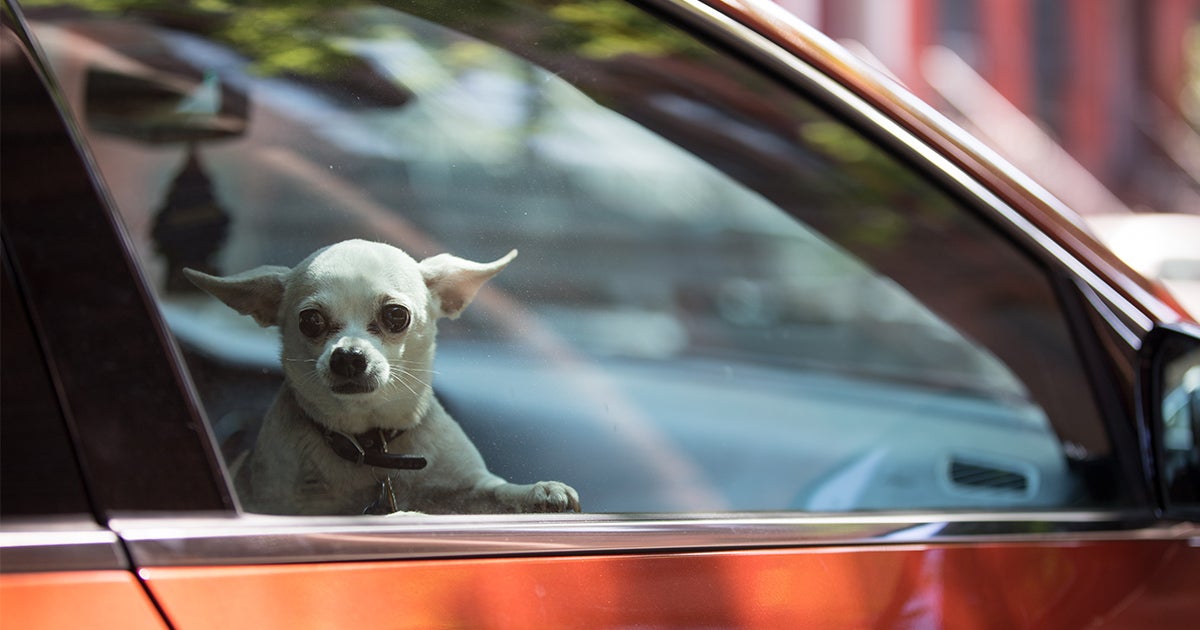
Credit: www.aspca.org
Frequently Asked Questions
Is It Safe To Leave A Dog In A Parked Car?
No, leaving a dog in a parked car is unsafe. Temperatures can rise rapidly, causing heatstroke or death. Even on mild days, cars heat up quickly. Always avoid leaving your dog unattended inside a vehicle.
How Long Can A Dog Stay Alone In A Car?
Dogs should never be left alone in a car for more than a few minutes. Even brief periods can be dangerous due to temperature changes. Always prioritize your pet’s safety and avoid leaving them unattended.
What Are The Risks Of Leaving Dogs In Cars?
Risks include heatstroke, dehydration, suffocation, and anxiety. Dogs cannot regulate their body temperature well in cars. These dangers can lead to serious health issues or death quickly.
Are There Legal Consequences For Leaving Dogs In Cars?
Yes, many places have laws against leaving dogs unattended in vehicles. Violators can face fines or criminal charges. Always check local regulations to protect your pet and avoid penalties.
Conclusion
Leaving a dog in a car can be very dangerous. Cars heat up quickly, even on cool days. Pets can suffer from heatstroke or cold stress fast. Always think about your dog’s safety first. Find better ways to keep them safe and comfortable.
Quick trips do not mean it is safe. Your dog depends on you to protect them. Keep your furry friend safe and happy.


