

Are you wondering if clickers really work for dog training? You’re not alone.
Many dog owners ask this question because they want the best way to teach their furry friends new behaviors. Imagine having a simple tool that helps your dog understand exactly what you want, making training faster and more fun for both of you.
You’ll discover how clicker training works, why it might be the key to better communication with your dog, and whether it’s worth trying. Keep reading to find out how you can transform your training sessions with just a small click.
How Clicker Training Works
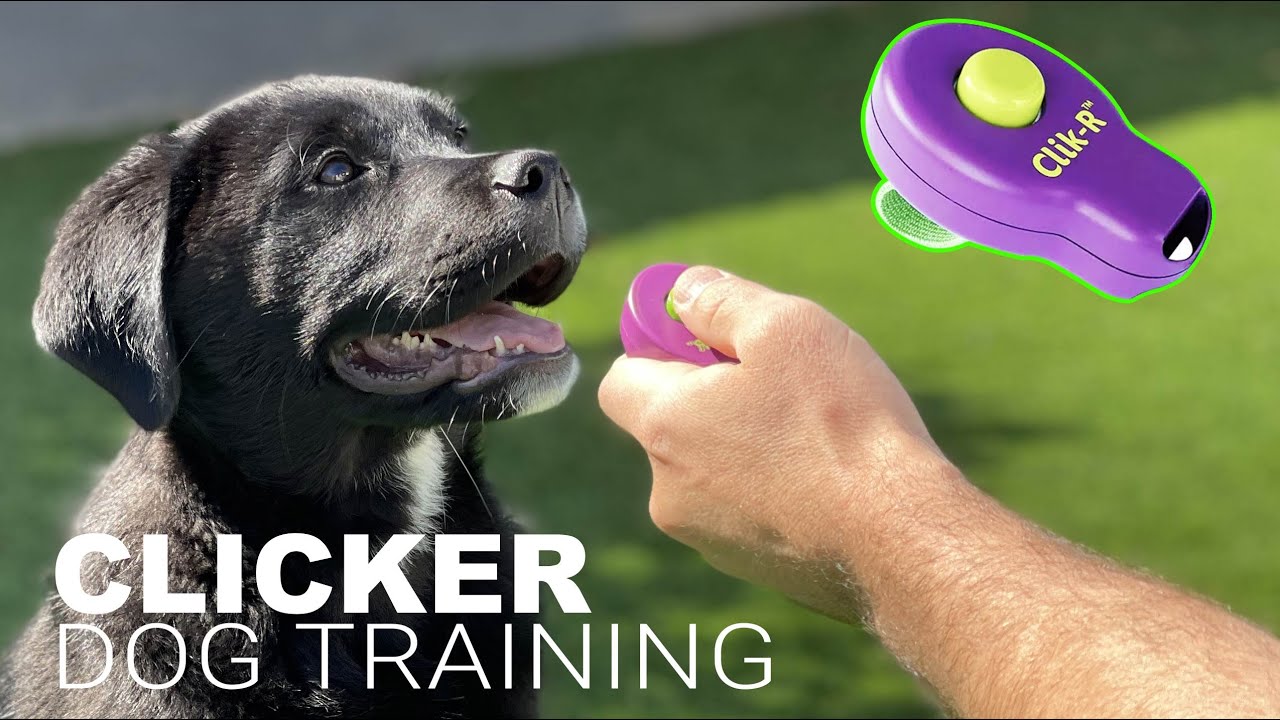
Clicker training is a popular method for teaching dogs new behaviors. It uses a small device that makes a clicking sound. This sound marks the exact moment a dog does something right. The click helps dogs understand which behavior earns a reward. This section explains how clicker training works in simple steps.
Basics Of Clicker Use
The clicker makes a clear, consistent noise. Trainers press the clicker at the right moment. That moment is when the dog performs the desired action. After clicking, the dog gets a treat or praise. This helps the dog link the click sound with a reward. The click tells the dog, “Yes, that is correct.”
Timing And Consistency
Good timing is very important in clicker training. The click must happen exactly when the dog does the right thing. Clicking too early or too late confuses the dog. Consistency also matters. Using the clicker the same way every time helps dogs learn faster. This clear feedback guides the dog’s behavior quickly and easily.
Benefits For Dogs
Clicker training is gentle and fun for dogs. It helps dogs learn new skills without fear. Dogs enjoy the clear signals and rewards. This method boosts their confidence and motivation. It can improve focus and reduce stress during training. Clicker training builds a strong bond between dogs and owners.
Credit: www.youtube.com
Effectiveness Of Clickers
Clicker training is a popular method for teaching dogs new behaviors. It uses a small device that makes a clicking sound to mark good actions. Many pet owners wonder if clickers really help dogs learn better. Understanding the effectiveness of clickers can guide trainers and dog lovers in their training journey.
Scientific Evidence
Studies show clicker training can speed up learning. The click sound acts as a clear signal for dogs. It tells them exactly when they do something right. This precise timing helps dogs connect actions with rewards faster. Researchers find dogs trained with clickers often learn new tricks quicker than with voice commands alone.
Clicker training also reduces confusion. Dogs understand what behavior earns treats. This clarity builds trust between dogs and trainers. The science supports using clickers as a helpful training tool.
Success Stories
Many dog owners share positive experiences with clickers. They report faster progress and happier dogs. Trainers praise clickers for making complex tasks easier to teach. Dogs respond well because the sound is consistent every time. This consistency helps dogs stay focused during training sessions.
Success stories often mention improved communication. Dogs seem to understand instructions better. Owners feel more confident and patient with their pets. These real-life examples show clickers can work well in many homes.
Limitations To Consider
Clickers are not a magic fix for all dogs. Some dogs may not react to the sound. Others might get distracted by noises in the environment. Training still needs patience and repetition. The clicker only marks good behavior; treats and praise must follow.
Not all trainers use clickers the same way. Incorrect timing can confuse dogs. Some dogs respond better to other methods. Clickers work best as part of a balanced training plan.
Choosing The Right Clicker
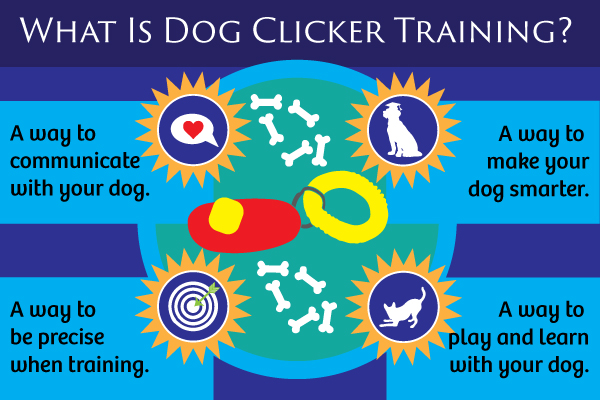
Choosing the right clicker is key to effective dog training. The right tool makes training easier and clearer for your dog. A good clicker helps mark good behavior instantly. This builds trust and speeds up learning.
Many types of clickers exist. Each has features that suit different trainers and dogs. Understanding these options helps you pick the best one for your needs.
Types Of Clickers
Standard clickers are small and easy to hold. They make a sharp, clear sound. Wristband clickers attach to your wrist for quick access. Some trainers prefer automatic clickers that beep without pressing. Each type offers unique benefits for training style and convenience.
Features To Look For
Choose a clicker with a loud, consistent sound. It must be easy to press with one hand. The size should fit comfortably in your hand. Some clickers have bright colors to find quickly. Avoid clickers that are too quiet or hard to use.
Affordability And Durability
Clickers come in a range of prices. Pick one that fits your budget but does not sacrifice quality. Durable materials resist breaking and last longer. A sturdy clicker withstands drops and rough use. Investing in a good clicker saves money over time.
Credit: www.dog-training-excellence.com
Step-by-step Clicker Training Tips
Clicker training is a clear and fun way to teach dogs new skills. It uses a small device that makes a distinct sound. This sound marks the exact moment your dog does the right thing. Follow these step-by-step tips to train your dog effectively with a clicker.
Introducing The Clicker
Start by letting your dog hear the clicker sound. Click once, then give a treat right after. Repeat this several times in a quiet place. Your dog will learn to connect the click with a reward. This step builds trust in the clicker’s meaning.
Basic Commands
Use the clicker to teach simple commands like “sit” and “stay.” Wait for your dog to perform the action naturally. Click the moment they do it, then offer a treat. Practice often in short sessions. This helps your dog understand what you want.
Advanced Training Techniques
After mastering basics, use the clicker for complex tasks. Teach tricks like “roll over” or “fetch.” Break the task into small steps. Click and reward each step your dog completes. This keeps your dog motivated and learning fast.
Common Mistakes To Avoid
Using a clicker for dog training can be very effective. Many dog owners make simple mistakes that slow progress. Avoiding these common errors helps your dog learn faster. It also makes training more enjoyable for both of you.
Incorrect Timing
Timing is key in clicker training. Clicking too early or too late confuses your dog. The click must happen the exact moment your dog does the right action. This helps your dog connect the click with the behavior. Practice to improve your timing. Watch your dog’s actions closely.
Overusing The Clicker
Clicking too often can lessen its value. The click should mark good behavior only. If you click all the time, your dog may stop paying attention. Use the clicker only when your dog does what you want. This makes the click special and meaningful.
Lack Of Patience
Training takes time and patience. Dogs do not learn instantly. Rushing or getting frustrated can hurt progress. Stay calm and consistent. Give your dog time to understand what you want. Repeat exercises gently until your dog gets it right.
Combining Clickers With Other Methods
Combining clickers with other dog training methods helps create clear and consistent signals. This mix improves understanding and speeds up learning. Clickers alone do not teach everything. They work best alongside other tools like treats and verbal cues. This approach builds a strong bond between you and your dog.
Positive Reinforcement
Positive reinforcement means rewarding good behavior. The clicker marks the exact moment your dog does something right. This clear signal helps your dog know what earns praise. Praise, petting, or treats follow the click sound. This creates a happy and confident dog. Positive reinforcement encourages your dog to repeat good actions.
Using Treats Effectively
Treats are powerful motivators in training. Use small, tasty treats that your dog loves. Give the treat right after the click. This links the click sound to a positive reward. Avoid giving treats too late or too often. Timing and moderation keep treats effective. Treats should support, not replace, other rewards like praise.
Incorporating Verbal Cues
Verbal cues add meaning to your training. Say a command like “sit” before the dog performs the action. Click and reward after your dog follows the command. This helps your dog connect the word with the behavior. Clear and consistent verbal cues make training easier. Your dog learns to obey words without guessing.
Troubleshooting Training Challenges
Training dogs with a clicker can be very effective. Still, some challenges might slow progress. Troubleshooting helps solve these problems. It keeps training smooth and fun for both you and your dog.
Dealing With Distractions
Distractions can make dogs lose focus easily. Noises, other animals, or people nearby can cause this. Start training in a quiet place. Slowly add distractions as your dog improves. Use the clicker to mark good behavior, even with distractions around. This helps your dog stay attentive.
Handling Unresponsive Dogs
Some dogs do not react to the clicker at first. They may not understand the sound means a reward. Try pairing the clicker with treats several times. Click, then immediately give a treat. Repeat this until your dog connects the click sound with a reward. Be patient and keep sessions short.
Adjusting Your Approach
Every dog learns differently. If your dog struggles, change your method. Use different treats, change the timing, or try new commands. Watch your dog’s reactions to find what works best. Keep training positive and consistent. Adjustments help your dog enjoy learning more.

Credit: www.youtube.com
Frequently Asked Questions
What Is A Clicker In Dog Training?
A clicker is a small device that makes a consistent clicking sound. Trainers use it to mark desired behaviors. It helps dogs understand which actions earn rewards quickly and clearly.
How Effective Are Clickers For Dog Training?
Clickers are highly effective because they provide clear communication. The sound signals the exact moment a dog performs correctly. This improves learning speed and accuracy in training sessions.
Can Clickers Replace Treats In Training?
Clickers do not replace treats but complement them. The click signals a reward is coming, motivating the dog. Treats still serve as positive reinforcement after the click.
How Soon Do Dogs Respond To Clicker Training?
Many dogs respond within a few training sessions. Consistent use of the clicker and rewards helps dogs learn commands faster. Individual results vary based on the dog’s temperament and training frequency.
Conclusion
Clicker training can help dogs learn commands clearly and quickly. It uses a sound to mark good behavior, making learning easier. Many dogs respond well to this gentle method. Consistency and patience are key to success. Try using a clicker with treats for best results.
It can build a strong bond between you and your dog. Training becomes fun and rewarding for both. Give clicker training a chance and see how your dog improves. Simple, clear signals work well for most dogs.


