

Knowing exactly when to start feeding your dog adult food can feel confusing. You want to give your furry friend the best nutrition at every stage, but how do you know the right time to switch?
If you get it wrong, your dog might miss out on essential nutrients or even face health issues. You’ll discover clear signs and simple guidelines to help you make the best choice for your dog’s health and happiness. Keep reading to ensure your pet’s diet matches their needs perfectly.
Signs To Transition To Adult Food
Knowing when to switch your dog to adult food is important. Puppies need special nutrients for growth. Adult dogs need a different balance of nutrients. Watch your dog closely for signs it is time to change their diet. This helps keep them healthy and active.
Physical Growth Milestones
One key sign is your dog’s size and weight. Most puppies reach about 80% of their adult size by six months. Their growth rate slows down after this point. Check their teeth too. Puppy teeth begin to fall out around four to six months. Adult teeth usually come in by six to eight months. These changes show your dog is ready for adult food.
Behavioral Changes
Puppies are very active and need more calories. As they grow older, activity levels may drop. You might notice your dog rests more and plays less. Appetite changes can happen too. A lower energy need means adult food is a better fit. Watch how your dog behaves and adjust their food accordingly.
Breed Size Considerations
Small, medium, and large breeds grow at different rates. Small breeds may be ready for adult food as early as nine months. Large breeds often need puppy food longer, sometimes up to 12-18 months. Large dogs have special needs to support joint health. Know your breed’s growth timeline to choose the best food time.
Credit: wellbeloved.com
Age Guidelines For Switching
Knowing the right age to switch your dog to adult food is important. Dogs grow at different rates based on their breed. Feeding adult dog food too early or too late can affect their health. Follow breed-specific age guidelines for the best results.
Small Breeds
Small breed dogs grow faster than larger breeds. Most small dogs reach adulthood around 9 to 12 months. At this age, they need adult dog food for balanced nutrition. Switching too late can lead to weight gain and health problems.
Medium Breeds
Medium breed dogs mature a bit slower. They usually need adult dog food between 12 and 15 months. This timing supports their steady growth and energy needs. Feeding adult food earlier may not provide enough nutrients for growth.
Large And Giant Breeds
Large and giant breeds take the longest to mature. They often need puppy food for 18 to 24 months. Switching to adult food too soon can cause joint and bone issues. Wait until their growth slows before making the change.
Choosing The Right Adult Dog Food
Choosing the right adult dog food is important for your pet’s health. Different dogs have different needs. Picking the best food helps keep your dog strong and happy. This section covers key points to consider when selecting adult dog food.
Nutritional Needs
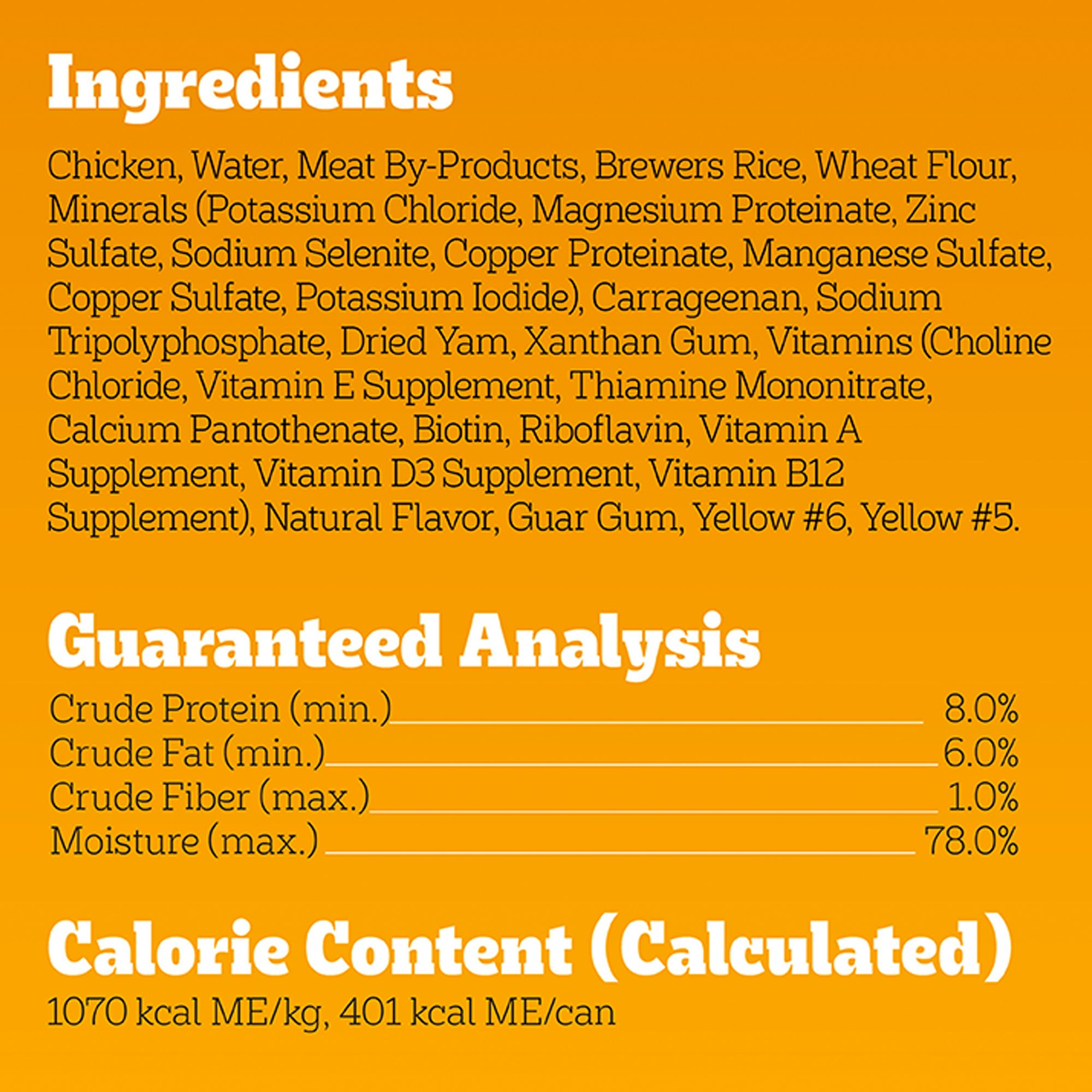
Adult dogs need balanced nutrition. Their food should include proteins, fats, and carbohydrates. Proteins help build muscles. Fats give energy and keep skin healthy. Carbohydrates provide fuel for daily activities. Vitamins and minerals support overall health. Check the food label to ensure it meets these needs.
Special Dietary Requirements
Some dogs need special diets. Older dogs may require food with fewer calories. Dogs with allergies need hypoallergenic food. Some breeds have unique health issues. Talk to your vet about any special needs. Feeding the right diet helps prevent health problems.
Quality Ingredients
Good dog food uses high-quality ingredients. Real meat or fish should be the main ingredient. Avoid foods with too many fillers like corn or wheat. Natural ingredients help your dog digest food better. Look for products without artificial colors or preservatives. Quality ingredients support long-term health.
Credit: www.petsmart.com
How To Transition Smoothly
Switching your dog to adult food needs care and patience. A smooth change helps your dog’s health and keeps digestion calm. Follow these steps to make the shift easy and safe for your pet.
Gradual Food Mixing
Start by mixing 25% adult food with 75% puppy food. Keep this ratio for three days. Then increase adult food to 50%. After three more days, raise it to 75%. Finally, feed only adult food. This slow change helps your dog’s stomach adjust.
Monitoring Digestive Health
Watch your dog’s stool during the transition. Soft or runny stools may mean the change is too fast. If this happens, slow down the mixing process. Also, check for vomiting or loss of appetite. These signs show your dog needs more time to adjust.
Adjusting Portion Sizes
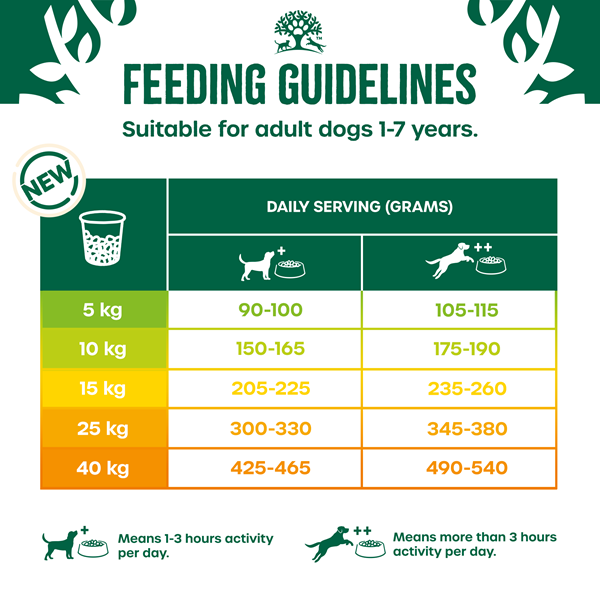
Adult dogs need fewer calories than puppies. Measure food according to your dog’s weight and activity. Avoid overfeeding to prevent weight gain. Use a measuring cup for accuracy. Change portions gradually as your dog grows into adulthood.
Common Mistakes To Avoid
Feeding adult dog food at the right time is important for your pet’s health. Many pet owners make mistakes that can affect their dog’s growth and energy. Avoiding common errors helps your dog stay healthy and happy.
Switching Too Early Or Late
Changing to adult food too soon can cause nutrition problems. Puppies need special nutrients to grow strong. Switching too late can lead to weight gain and digestion issues. Watch your dog’s age and size to know the best time to switch.
Ignoring Breed-specific Needs
Different breeds have different dietary needs. Large breeds need food that supports bone health. Small breeds may require more calories in less food. Choose adult food that fits your dog’s breed and size for best results.
Sudden Diet Changes
Changing food suddenly can upset your dog’s stomach. It may cause vomiting or diarrhea. Gradually mix new food with old food over days. This helps your dog adjust without discomfort.
Consulting Your Veterinarian
Knowing when to start feeding adult dog food is important for your pet’s health. Your veterinarian is the best source for advice. They understand your dog’s unique needs and growth patterns. Consulting them helps make the right feeding choice. It ensures your dog stays healthy and happy.
Health Assessments
Veterinarians perform health checks to see your dog’s condition. These checks show if your dog is ready for adult food. They check weight, teeth, and overall growth. These details guide the best feeding time. Regular health assessments keep your dog on track.
Customized Feeding Plans
Your dog may need a special feeding plan. Vets create plans based on breed, size, and health. Some dogs need more nutrients; others need less. Customized plans help avoid feeding problems. They support your dog’s energy and health needs.
Addressing Concerns
Vets answer your questions about diet changes. They help with worries about allergies or digestion. Early help can prevent feeding mistakes. Discuss any concerns before switching foods. This keeps your dog safe and well-fed.

Credit: www.topdogtraining.ie
Frequently Asked Questions
When Should I Switch My Puppy To Adult Dog Food?
Switch your puppy to adult dog food after they reach 12 months. Large breeds may need 18-24 months. Monitor growth and energy levels to decide the best time for your dog.
What Age Is Best For Adult Dog Food Transition?
Most dogs transition to adult food between 12 to 18 months. This varies by breed size and development pace. Consult your vet for personalized advice.
How Do I Know If My Dog Needs Adult Food?
Signs include slowed growth, reduced energy, and changes in weight. If your dog is no longer a puppy, it’s time to consider adult food.
Can I Feed Adult Dog Food Too Early?
Feeding adult dog food too early can cause nutrient imbalances. Puppies need higher protein and calories. Wait until your dog reaches appropriate age for a healthy transition.
Conclusion
Feeding your dog adult food at the right time matters a lot. Most dogs switch around one year old, but size and breed affect this. Watch your dog’s growth and energy to decide the best time. Choose food made for adult dogs to keep them healthy and strong.
Always ask your vet if you are unsure. A smooth change helps your dog feel good and stay happy. Taking care of your dog’s diet shows you love them. Simple steps lead to a long, healthy life together.


