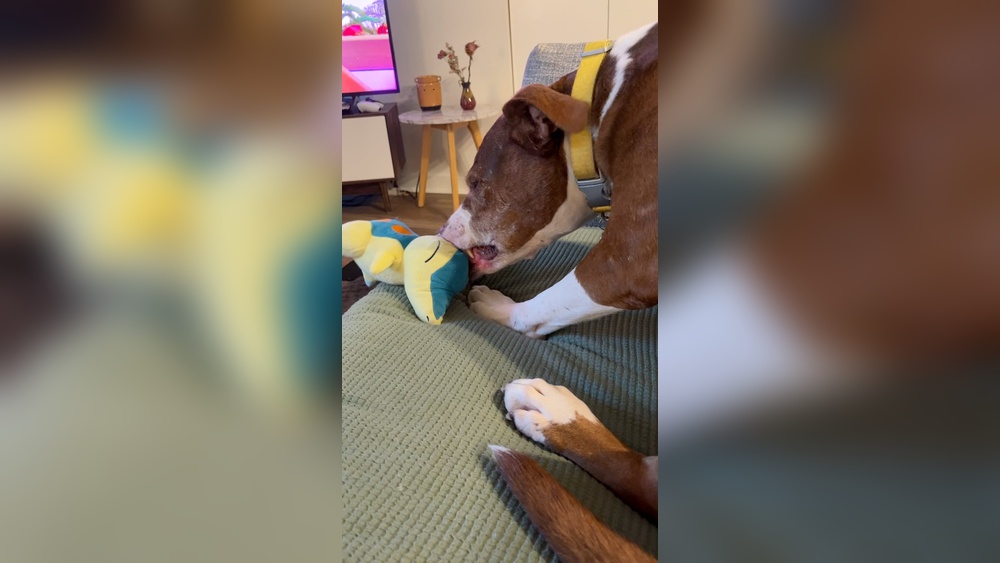
Have you ever noticed your dog suddenly snatch a toy the moment they get excited? It’s not just a cute habit—it’s a fascinating behavior that says a lot about how your furry friend feels and thinks.
Understanding why your dog grabs a toy when excited can help you connect with them better and even improve their mood and energy. Keep reading, and you’ll discover the surprising reasons behind this action and how you can use it to make playtime more fun for both of you.
Excitement And Play Behavior
Dogs often grab toys when they feel excited. This behavior links closely to their natural play habits. Play is a big part of how dogs express feelings and connect with their owners. Understanding why dogs pick up toys helps us see their world better. It also shows how they use play to manage strong emotions like excitement.
How Dogs Show Excitement
Dogs show excitement in many clear ways. They wag their tails fast and jump around. Some bark or make playful noises. Eyes often look bright and focused. Their body moves quickly and looks loose. Grabbing a toy is one more way to show joy. It helps dogs share their energy in a positive way.
Role Of Toys In Play
Toys are key tools in dog play behavior. They give dogs something to focus on and hold. Toys help dogs practice hunting and carrying skills. Holding a toy can calm a dog while still being fun. Toys also invite interaction with people or other dogs. This makes playtimes more exciting and rewarding for dogs.

Credit: www.reddit.com
Instinctual Drives Behind Toy Grabbing
Dogs grab toys when excited because of deep natural urges. These urges come from their wild ancestors and help them survive. Understanding these instincts gives us a clear idea of why dogs behave this way.
Dogs use toys to act out behaviors that are part of their nature. These actions are not random but tied to their basic drives. Let’s explore the main instincts behind this toy grabbing habit.
Hunting And Carrying Instincts
Dogs have strong hunting instincts from their ancestors. They like to chase, catch, and carry things in their mouths. Toys often become the target for these instincts. Grabbing a toy feels like catching prey. Carrying the toy satisfies their natural urge to hold and protect their catch. This behavior helps them stay alert and active.
Possessiveness And Resource Guarding
Some dogs grab toys to show they own them. This is called resource guarding. It means they want to keep their toy safe from others. When excited, this feeling gets stronger. Holding the toy makes dogs feel secure and in control. This instinct helps dogs protect what they value most.
Communication Through Toys
Dogs use toys as a way to share their feelings. When your dog grabs a toy, it is more than just play. It is a form of communication. Through toys, dogs tell you what they want or how they feel. This behavior helps them connect with you and other dogs.
Seeking Attention From Owners
Sometimes, your dog picks up a toy to get your focus. They want you to notice them. Holding or dropping a toy at your feet is a clear sign. It says, “Look at me! I want to spend time with you.” This is their way of asking for love and care. Dogs feel happy when you pay attention to them.
Inviting Play With Others
Dogs also use toys to invite others to play. Carrying a toy can be an open invitation. It means, “Let’s have fun together.” This can be for you or for other dogs. Play helps dogs build friendships and stay active. It is their way to share joy and energy.

Credit: www.ellevetsciences.com
Emotional Comfort And Security
Dogs often grab toys when they feel excited. This action shows their need for emotional comfort and security. Toys can help dogs feel safe and calm. They act as a bridge between the dog’s feelings and their environment. Understanding this behavior helps pet owners support their dogs better.
Toys As Comfort Objects
Toys can serve as comfort objects for dogs. These items remind them of safety and happiness. Dogs may hold or carry toys to feel protected. The texture and smell of a toy can soothe a dog’s nerves. This behavior is similar to how children use blankets or stuffed animals.
Reducing Anxiety And Stress
Grabbing a toy can reduce a dog’s anxiety and stress. The toy acts as a distraction from scary or new situations. It gives the dog something familiar to focus on. This helps lower their heart rate and calm their mind. A calm dog is often more relaxed and happy.
Training And Learned Behaviors
Dogs often grab toys when excited because they learn this behavior through training and experience. This action is not random; it is a learned habit that gives dogs comfort and joy. Owners play a big role in shaping this behavior through consistent responses and rewards. Understanding how training influences toy grabbing can help you manage and encourage good habits in your dog.
Reinforcement Of Toy Grabbing
When a dog grabs a toy and receives attention or praise, it feels good. This positive reaction teaches the dog to repeat the behavior. For example, if you cheer or pet your dog after it grabs a toy, the dog learns that toy grabbing brings rewards. This is called reinforcement. Reinforcement makes the dog want to grab toys more often, especially when excited.
Encouraging Positive Play
Encouraging your dog to play with toys helps build good habits. Offer toys during playtime and join in the fun. Show your dog that grabbing toys leads to happy moments. Avoid punishing your dog for grabbing toys. Instead, reward calm and gentle play. Positive play builds trust and makes your dog feel safe and loved. This helps keep toy grabbing a fun and healthy behavior.
When Toy Grabbing Becomes Problematic
Sometimes, a dog grabbing a toy is more than just play. It can become a problem that affects your daily life. When a dog holds onto a toy too tightly or acts aggressively, it signals a deeper issue. Understanding these behaviors helps keep your dog calm and safe.
Signs Of Overexcitement
A dog may grab a toy quickly and not let go easily. It can growl or snap when someone tries to take the toy. The dog might pace or bark loudly while holding the toy. These signs show the dog is too excited or stressed. Overexcitement can lead to unsafe behavior around people and other pets.
Managing Toy Possession Issues
Teach your dog to share toys calmly. Offer treats in exchange for the toy to encourage letting go. Use clear commands like “drop it” or “give.” Play with toys together to build trust and reduce guarding. Avoid taking toys by force, as this can increase fear or aggression.
Tips To Channel Toy Grabbing Positively
Toy grabbing shows your dog’s excitement and energy. Directing this behavior helps keep playtime fun. It also stops your dog from chewing wrong items or being overly pushy. Simple steps make a big difference. These tips guide you to use toy grabbing in a good way.
Providing Appropriate Toys
Choose toys that fit your dog’s size and strength. Soft toys work well for gentle chewers. Tough rubber toys suit strong chewers. Rotate toys often to keep interest high. Have special toys for play and others for chewing. This helps your dog know which toys are for grabbing and which are for quiet time.
Structured Play Sessions
Set regular times for playing with toys. This builds a routine your dog can expect. Use toys during these sessions for fetch or tug. End play with calm activities to relax your dog. Praise your dog when they grab toys gently. This teaches good manners and keeps excitement positive.

Credit: www.reddit.com
Frequently Asked Questions
Why Does My Dog Grab Toys When Excited?
Dogs grab toys when excited to express joy and release energy. It’s a natural, playful behavior that helps them engage and communicate their feelings. This action also provides comfort and mental stimulation during high arousal moments.
Is Grabbing Toys A Sign Of Stress In Dogs?
Grabbing toys usually signals excitement, not stress. However, if combined with other signs like pacing, it might indicate anxiety. Observe your dog’s overall behavior to understand if toy grabbing is playful or stress-related.
How Can I Encourage Healthy Toy Grabbing Behavior?
Encourage healthy toy grabbing by providing safe, appropriate toys. Reward your dog with praise or treats when they grab toys gently. Regular play sessions help channel their excitement positively and prevent destructive habits.
Can Toy Grabbing Indicate Possessiveness In Dogs?
Yes, toy grabbing can sometimes show possessiveness. Dogs may guard toys to feel secure. Teach your dog sharing and “drop it” commands to reduce possessive behavior and promote safe play.
Conclusion
Dogs grab toys when excited to express joy and energy. This habit shows their playful and happy nature clearly. Toys give dogs comfort and help them focus their excitement. Watching your dog with a toy helps you understand their feelings better.
Encouraging this behavior can strengthen your bond and keep your dog active. Remember, a toy in a dog’s mouth often means fun and happiness. Keep giving your dog chances to play and enjoy moments together. Simple actions like this make your relationship strong and joyful.