
If you’re a dog owner, you probably wonder, “How often should my dog get groomed?” Keeping your furry friend clean and healthy is more important than you might think.
Regular grooming not only makes your dog look great but also helps prevent health problems. But how do you know the right schedule for your dog? You’ll discover simple tips to find the perfect grooming routine that fits your dog’s needs.
Keep reading to learn how to keep your dog happy, comfortable, and looking their best every day.
Factors Influencing Grooming Frequency
Several factors influence how often a dog needs grooming. Each dog is unique. Their grooming needs depend on many things. Understanding these factors helps keep your dog healthy and happy.
Breed And Coat Type
Different breeds have different coat types. Some dogs have short hair that needs less care. Others have long, thick, or curly coats. These coats can tangle or mat easily. Dogs with thick coats often need more frequent grooming. Regular brushing prevents mats and keeps the coat clean.
Age And Health Conditions
Puppies and older dogs have different grooming needs. Young dogs grow fast and may shed more. Older dogs might have sensitive skin or health issues. Health problems like allergies or skin infections affect grooming frequency. Dogs with special needs may require gentle or more frequent grooming.
Lifestyle And Activity Level
Active dogs that spend time outside get dirtier faster. Dogs that swim or play in mud may need more baths. Less active dogs often stay cleaner longer. Grooming helps remove dirt, debris, and loose hair. Regular grooming keeps all dogs comfortable and healthy.
Recommended Grooming Intervals
Knowing the right grooming schedule helps keep dogs healthy and happy. Different coat types need different care. The frequency of grooming depends on the dog’s breed and coat.
Short-haired Breeds
Short-haired dogs need grooming less often. A bath every 6 to 8 weeks usually works well. Brushing once a week removes loose hair and dirt. This keeps their coat shiny and skin healthy.
Long-haired Breeds
Long-haired dogs require more attention. Brush their coat several times a week to avoid mats. Grooming every 4 to 6 weeks keeps their fur clean and tangle-free. Regular trimming may be necessary to manage length.
Double-coated Breeds
Double-coated dogs have a thick undercoat and a topcoat. Brush them 2 to 3 times a week to remove dead hair. Grooming every 6 to 8 weeks helps control shedding. Extra care is needed during seasonal shedding.
Basic Grooming Tasks
Basic grooming tasks keep your dog healthy and happy. These tasks help prevent skin problems, bad odors, and discomfort. Regular care strengthens your bond with your pet. Simple steps done often can make a big difference.
Brushing And Dematting
Brushing removes loose hair and dirt from your dog’s coat. It stops mats and tangles from forming. Mats can cause pain and skin infections. Use a brush that fits your dog’s hair type. Brush gently to avoid hurting your dog’s skin.
Bathing And Drying
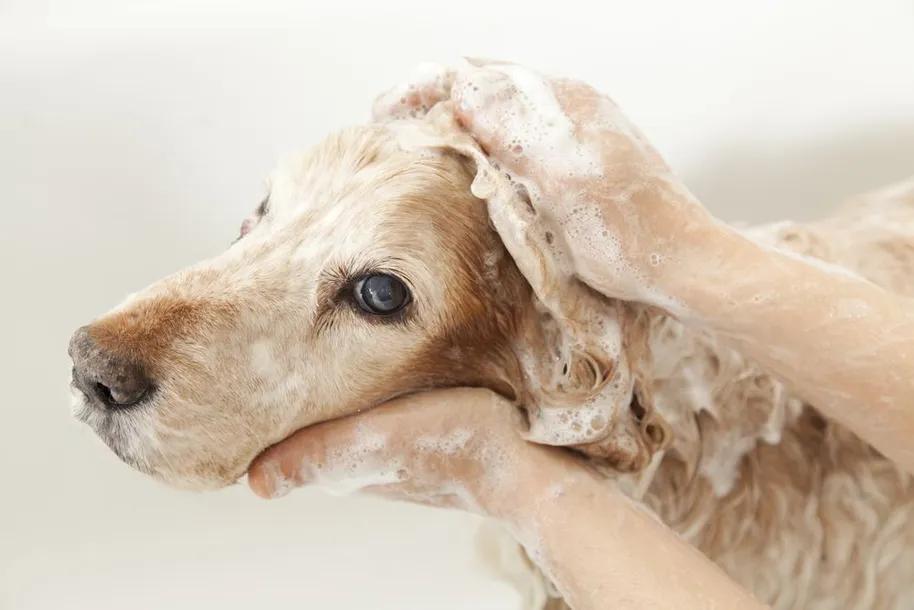
Bathing cleans your dog’s skin and fur. Use a dog-safe shampoo to protect their skin. Avoid bathing too often; it can dry out the skin. After the bath, dry your dog well. Wet fur can cause chills and skin problems.
Nail Trimming And Ear Cleaning
Trim your dog’s nails to prevent pain and injury. Long nails can affect walking and cause infections. Clean ears to stop wax build-up and infections. Use a vet-approved cleaner and cotton balls. Check ears weekly for redness or bad smells.

Credit: usapetgrooming.com
Signs Your Dog Needs Grooming
Dogs need regular grooming to stay healthy and happy. Watching for signs helps you know when to groom your dog. Grooming prevents skin problems and keeps your dog comfortable. Here are some clear signs your dog needs grooming soon.
Mattes And Tangles
Mattes and tangles form when fur is not brushed often. They can pull on your dog’s skin and cause pain. Thick mats trap dirt and moisture, leading to infections. Regular brushing stops mats from growing too big. Check your dog’s fur for tight knots.
Unpleasant Odors
A bad smell means your dog needs grooming. Dirt, oils, and bacteria build up on the coat. This can cause skin irritation or infections. Bathing your dog removes odors and refreshes the coat. Keep an eye on any new or strong smells.
Excessive Shedding
Shedding is normal but too much means grooming is needed. Brushing helps remove loose fur and reduces hair around your home. Excess shedding may signal skin problems or poor coat care. Grooming controls shedding and keeps fur healthy.
Benefits Of Regular Grooming
Regular grooming offers many benefits to dogs. It keeps them healthy and happy. Grooming is more than just making a dog look good. It plays a key role in their overall well-being.
Here are the main benefits of regular grooming for your dog.
Improved Skin And Coat Health
Grooming helps remove dirt, dead hair, and loose fur. It stops mats and tangles that can hurt your dog’s skin. Brushing spreads natural oils, making the coat shiny and soft. Healthy skin means less itching and fewer infections.
Early Detection Of Health Issues
Grooming lets you check your dog’s body closely. You can spot lumps, bumps, or skin changes early. Finding problems early means faster treatment. This can prevent serious health issues later on.
Enhanced Comfort And Hygiene
Regular grooming keeps your dog clean and comfortable. It reduces bad odors and removes parasites like fleas. Clean ears and trimmed nails prevent pain and infections. A groomed dog feels better and enjoys daily activities more.
Credit: www.summitdogandcat.com
Diy Grooming Vs. Professional Services
Deciding how often to groom your dog involves a choice between DIY grooming and professional services. Both have their benefits and challenges. Understanding when to groom at home and when to seek expert help can keep your dog healthy and happy.
When To Groom At Home
Simple tasks like brushing, nail trimming, and cleaning ears suit home grooming. Regular brushing prevents mats and tangles, especially for long-haired dogs. Nail trimming every few weeks avoids discomfort and injury. Home grooming helps you bond with your dog and spot health issues early.
Choosing A Professional Groomer
Professional groomers handle complex grooming needs. They know how to cut fur safely and manage difficult dogs. Certain breeds need special care that groomers provide. Choose a groomer with good reviews and proper certification. A professional visit every 4 to 8 weeks suits many dogs.
Cost Considerations
Grooming at home saves money but requires tools and time. Professional services cost more but offer quality results and convenience. Compare prices for services like bathing, haircuts, and nail trimming. Budget for regular grooming to keep your dog comfortable and clean.
Seasonal Grooming Adjustments
Dogs need different grooming care depending on the season. Seasonal grooming helps keep your dog healthy and comfortable. Changes in weather affect your dog’s coat and skin. Adjusting grooming routines prevents problems like matting, dryness, or overheating.
Seasonal grooming also helps manage shedding. Shedding can be heavier in some seasons. Regular grooming removes loose fur and reduces mess in your home.
Summer Grooming Tips
Summer heat can stress your dog. Keep your dog cool by trimming long hair. Avoid cutting the coat too short. The coat protects from sunburn and insect bites. Brush your dog often to remove dead hair and dirt. Check ears and paws for irritation. Bathing helps with dirt and sweat but do not overdo it. Use a gentle shampoo to avoid skin dryness. Always provide fresh water and shade during hot days.
Winter Grooming Tips
Winter cold can dry your dog’s skin. Do not shave your dog in winter. A full coat keeps your dog warm. Brush regularly to prevent mats and tangles. Use moisturizing shampoos if the skin is dry. Check paws for cracks or ice buildup. Wipe paws after walks to remove salt and chemicals. Consider dog boots to protect feet from harsh surfaces. Keep grooming routines consistent to maintain coat health.

Credit: www.reddit.com
Frequently Asked Questions
How Often Should A Dog Be Groomed?
Dogs should be groomed every 4 to 8 weeks. This depends on their breed, coat type, and lifestyle. Regular grooming keeps skin healthy and reduces shedding.
Does Grooming Frequency Depend On Dog Breed?
Yes, grooming frequency varies by breed. Long-haired breeds need grooming every 4-6 weeks. Short-haired dogs may require less frequent grooming.
Can Grooming Prevent Dog Health Issues?
Regular grooming helps detect skin problems early. It prevents matting, infections, and parasites. Grooming promotes overall health and comfort for your dog.
How To Know If My Dog Needs Grooming?
Signs include matted fur, strong odor, and excessive shedding. Your dog may scratch more or seem uncomfortable. Regular checks help maintain grooming schedules.
Conclusion
Regular grooming keeps dogs healthy and happy. Different breeds need different care times. Short-haired dogs may need grooming less often. Long-haired dogs require more frequent attention. Watch your dog’s coat and skin for signs. Clean ears and trimmed nails are important too.
Set a grooming schedule that fits your dog’s needs. This helps avoid mats, tangles, and skin problems. Good grooming supports your dog’s comfort and health. Taking time for grooming shows love and care. Keep your dog looking and feeling their best.


