

Have you ever wondered what your dog is really trying to tell you? Their tail wag, ear position, or even the way they sit can reveal a lot about how they feel and what they need.
Understanding dog body behavior isn’t just interesting—it can help you build a stronger bond, keep your furry friend safe, and even spot problems before they become serious. Keep reading, and you’ll discover simple ways to read your dog’s body language like a pro, making every moment with your pet more joyful and stress-free.
Tail Signals
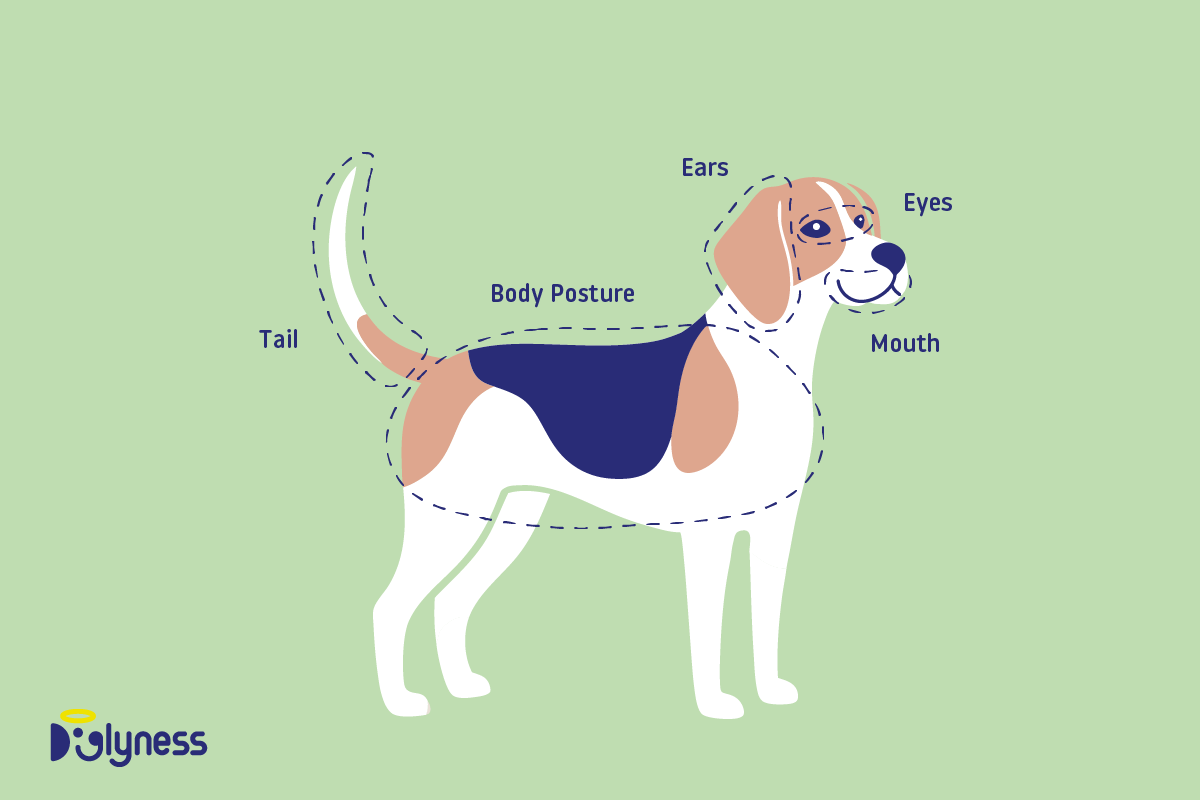
The tail is a powerful tool for dogs to communicate. It shows how they feel and what they want. Watching tail signals helps you understand your dog better. Dogs use different tail positions and movements to share their emotions.
Tail Positions And Their Meanings
A high tail means confidence or alertness. A tail held straight out shows curiosity or interest. When the tail is low or tucked, the dog feels scared or unsure. A tail wagging between the legs often means submission or nervousness. Each position sends a clear message.
Wagging Patterns Explained
Fast, wide wagging usually means excitement or happiness. Slow wagging can show caution or uncertainty. A stiff, slow wag may signal aggression or warning. Sometimes, the tail wags only on one side, which shows positive feelings toward someone. The pattern helps decode the dog’s mood.
How Tail Movements Reflect Emotions
The tail moves to express fear, joy, or anger. A relaxed wag shows calm and friendliness. Quick, tense movements might mean stress or annoyance. Dogs use their tails like a signal flag. Paying attention to tail movements reveals how your dog feels inside.
Credit: www.doglyness.com
Ear Movements
Dogs communicate a lot through their body language. Their ears are one of the key parts to watch. Ear movements tell us about their feelings and intentions. Understanding these signals helps us connect better with our pets.
Ear Positions And What They Indicate
Dogs move their ears in many ways to show emotion. Ears standing straight up often mean the dog is curious or alert. Ears pushed back can show submission or fear. When ears are relaxed and to the side, the dog usually feels calm and safe.
Detecting Alertness And Relaxation
Alert dogs hold their ears forward or up. This shows they hear something important or are ready to act. Relaxed dogs have soft ears that may flop or lie flat against the head. This means they feel comfortable and are not worried.
Signs Of Stress Through Ear Behavior
Stress often shows in ear movements. Dogs may pull their ears back tightly against their heads. They might also flick or shake their ears nervously. This behavior signals that the dog feels uneasy or threatened.
Eye Expressions
Dog eye expressions reveal much about their feelings and intentions. Their eyes communicate moods clearly. Understanding these signals helps build trust and improves your bond.
Reading Pupils And Eye Contact
Pupil size changes with emotion and light. Dilated pupils often mean excitement or fear. Small pupils can signal stress or aggression. Direct eye contact shows confidence or challenge. Avoiding gaze might mean submission or discomfort. Watch how your dog uses eye contact to read their mood.
Blinking And Squinting Signals
Slow blinking is a sign of calm and trust. Dogs use it to show they feel safe. Rapid blinking can mean stress or confusion. Squinting often signals pain or irritation. Notice if your dog squints when near strangers or loud noises. This helps you understand their comfort level.
When Eyes Show Fear Or Aggression
Wide eyes with visible whites show fear or anxiety. This “whale eye” warns of discomfort. Hard, staring eyes can signal aggression or challenge. Watch for tense muscles around the eyes with this stare. Recognizing these signs helps you keep your dog and others safe.
Posture And Stance
Dog posture and stance reveal a lot about their feelings and intentions. Watching how a dog holds its body helps understand what it wants to say. A dog’s body can be relaxed, tense, or somewhere in between. Each position shows different emotions and social signals.
Relaxed Vs Tense Body Language
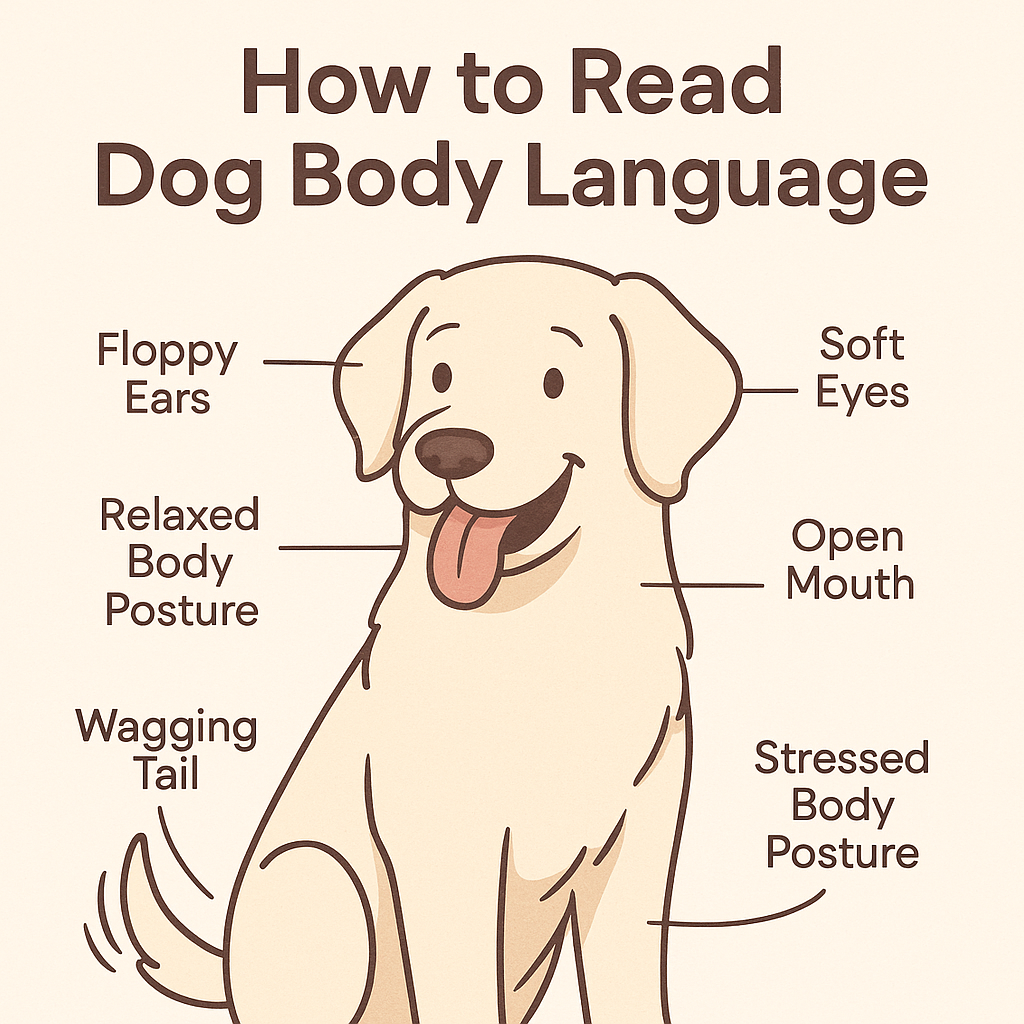
A relaxed dog stands with loose muscles and a soft face. Its tail may wag gently or hang naturally. The ears are in a normal position. The dog looks calm and open to interaction.
A tense dog has stiff muscles and a fixed gaze. Its tail might be raised or tucked tightly. The ears stand up or pull back. The dog feels alert, scared, or ready to act.
Dominance And Submission Cues
Dominant dogs stand tall with their chest out. They may lean forward and hold their head high. Their tail often stays up and may wag slowly.
Submissive dogs lower their bodies and tuck their tails. They might avoid eye contact or look away. Sometimes, they roll over to show their belly.
Body Orientation In Social Interactions
Dogs face each other directly to show interest or challenge. Sideways or angled bodies often signal friendliness. Turning away or avoiding face-to-face stance means the dog wants to calm things down or leave.
Understanding these body positions helps read a dog’s mood quickly. It improves safety and strengthens your bond with dogs.
Vocalizations And Sounds
Dogs use sounds to share their feelings and needs. Vocalizations tell a lot about what a dog is thinking or feeling. Knowing these sounds helps build a better bond with your pet. Sounds like barking, whining, growling, and howling all have different meanings. They work with body language to send clear messages.
Barking Types And Their Meanings
Barking is the most common dog sound. Dogs bark for many reasons. A short, sharp bark may mean alert or warning. Rapid, high-pitched barking often shows excitement. A low, slow bark might signal a threat or guard. Some barks are for attention or play. Understanding these types helps know what your dog wants.
Whining, Growling, And Howling
Whining usually shows discomfort or need. Dogs may whine if scared or lonely. Growling is a warning sound. It means the dog feels threatened or upset. Howling is an old form of communication. Dogs howl to call others or express sadness. Each sound carries a clear message about your dog’s mood.
Using Sound With Body Language
Sounds rarely stand alone. Dogs mix vocalizations with body signals. A growl with bared teeth warns clearly. A playful bark with wagging tail invites fun. Whining with a lowered head shows submission. Howling with raised ears signals alertness. Watching sounds and body language together shows true meaning.
Credit: funnyfuzzy.co.uk
Facial Expressions
Dogs use facial expressions to share their feelings and thoughts without words. Their faces can show happiness, fear, anger, or curiosity. Watching these expressions helps you understand your dog better.
Mouth And Lip Positions
The position of a dog’s mouth and lips sends clear messages. A relaxed, slightly open mouth means the dog is calm and happy. Tight lips or a closed mouth may show tension or discomfort. Watch for lips pulled back tightly; it can signal stress or fear.
Nose Wrinkling And Snarling
When a dog wrinkles its nose and shows teeth, it often means warning or anger. This snarling face tells others to stay away. It is a serious sign of discomfort or aggression. Pay close attention to this expression to keep safe.
Smiling And Play Faces
Dogs can appear to smile with relaxed mouths and bright eyes. This “smiling” shows friendliness and joy. Play faces often include open mouths and wagging tongues. These signs invite fun and social interaction.
Common Stress Signals
Dogs show stress in many ways. These signs help us understand their feelings. Watching body behavior is key to spotting stress early. Recognizing stress signals can keep dogs calm and safe.
Yawning And Lip Licking
Yawning is not always about being tired. Dogs yawn to calm themselves in tough moments. Lip licking also shows discomfort or nervousness. These small acts tell a story of stress inside.
Pacing And Restlessness
Dogs walk back and forth without reason. This pacing shows they feel uneasy. Restlessness means they cannot settle or relax. It is a clear sign stress affects their mood.
Avoidance Behaviors
Some dogs turn away or hide from trouble. Avoiding eye contact is a common sign too. They try to escape what makes them scared. These behaviors show a need for space and calm.

Credit: blog.unleavables.com
Play And Greeting Behaviors
Dogs use their bodies to talk a lot. Play and greeting behaviors show how dogs feel and how they want to connect. Understanding these signals helps us know what dogs want and feel.
These behaviors include special moves and gestures. Dogs invite others to play or say hello in ways clear to other dogs. Watching these signs helps us see their mood and intentions.
Play Bows And Invitations
The play bow is a common way dogs say, “Let’s play!” Dogs lower their front legs while keeping their rear up. This pose looks like a bow and shows friendliness.
Dogs use this bow to invite others to join fun. It signals that any roughness during play is okay. This helps prevent fights and builds trust.
Tail Wagging In Social Context
Tail wagging does not always mean the same thing. A slow wag may show calmness or uncertainty. A fast wag usually means excitement or happiness.
The position of the tail is important too. A high wag can show confidence or alertness. A low wag might mean submission or fear. Watching the whole body helps understand the tail’s message.
Greeting Rituals Between Dogs
Dogs greet each other with clear body language. Sniffing the face and rear is common in greetings. This helps dogs learn about each other’s health and mood.
They may circle or move slowly around each other. This shows respect and helps avoid fights. Gentle licking can follow, showing friendliness and bonding.
Frequently Asked Questions
What Does A Wagging Tail Mean In Dog Body Language?
A wagging tail usually signals excitement or friendliness. However, the speed and height can show different emotions like happiness or anxiety. Observing the whole body helps understand the dog’s true feelings.
How Can I Tell If My Dog Is Stressed?
Signs of stress include yawning, lip licking, and avoiding eye contact. A tense body and tucked tail also indicate discomfort. Recognizing these cues helps address your dog’s needs promptly.
Why Do Dogs Show Their Belly?
Dogs show their belly as a sign of trust and submission. It can also mean they want attention or a belly rub. Context and other body signals clarify the exact reason.
What Does A Dog’s Raised Hackles Indicate?
Raised hackles mean the dog is alert or feels threatened. It signals heightened arousal and potential aggression. Understanding this helps prevent conflicts and promotes safe interactions.
Conclusion
Understanding dog body behavior helps build a stronger bond. Dogs speak with their bodies, not words. Watching their tails, ears, and eyes tells you how they feel. Reading these signs keeps dogs happy and safe. It also helps you respond with kindness and care.
Every dog is unique, so observe closely. This simple skill makes life better for both you and your pet. Keep learning and enjoy the special connection with your dog.


