
How often should you groom your dog? If you’ve ever wondered about the right schedule to keep your furry friend looking and feeling their best, you’re not alone.
Grooming isn’t just about appearances—it affects your dog’s health, comfort, and happiness. But with so many breeds and coat types, it’s easy to feel confused or overwhelmed. Don’t worry; this guide will help you understand exactly when and how often your dog needs grooming.
Keep reading to discover simple tips that will make grooming easy and stress-free for both you and your pet.
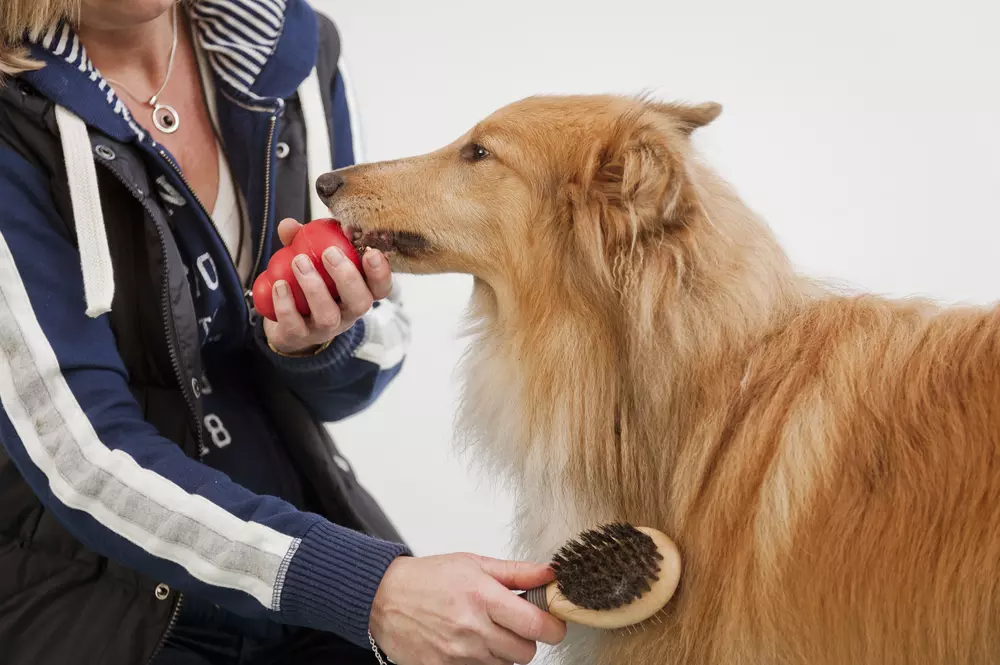
Credit: www.bluecross.org.uk
Factors Affecting Grooming Frequency
Many factors affect how often you should groom your dog. Knowing these helps keep your dog clean and healthy. Grooming frequency varies widely between dogs. Understanding key factors helps set the right schedule.
Breed And Coat Type
Different breeds have different coat needs. Dogs with long hair need more brushing. Short-haired breeds need less frequent grooming. Curly or thick coats can mat easily. Regular grooming prevents tangles and skin problems. Coat type guides how often you groom.
Age And Health
Puppies need gentle grooming to get used to it. Older dogs may have sensitive skin or joint pain. Health issues like allergies or skin problems affect grooming needs. Sick dogs might need special care during grooming. Adjust grooming frequency based on your dog’s health and age.
Lifestyle And Activity Level
Active dogs get dirtier and need more baths. Dogs who stay indoors groom less often. Outdoor dogs face mud, leaves, and bugs daily. Busy dogs need frequent brushing to remove debris. Activity level impacts how often grooming is necessary.
Seasonal Changes
Season changes affect your dog’s coat and skin. Dogs shed more in spring and fall. Grooming helps remove loose hair during shedding seasons. Cold weather may require fewer baths to protect skin. Hot weather may need more grooming to stay cool.
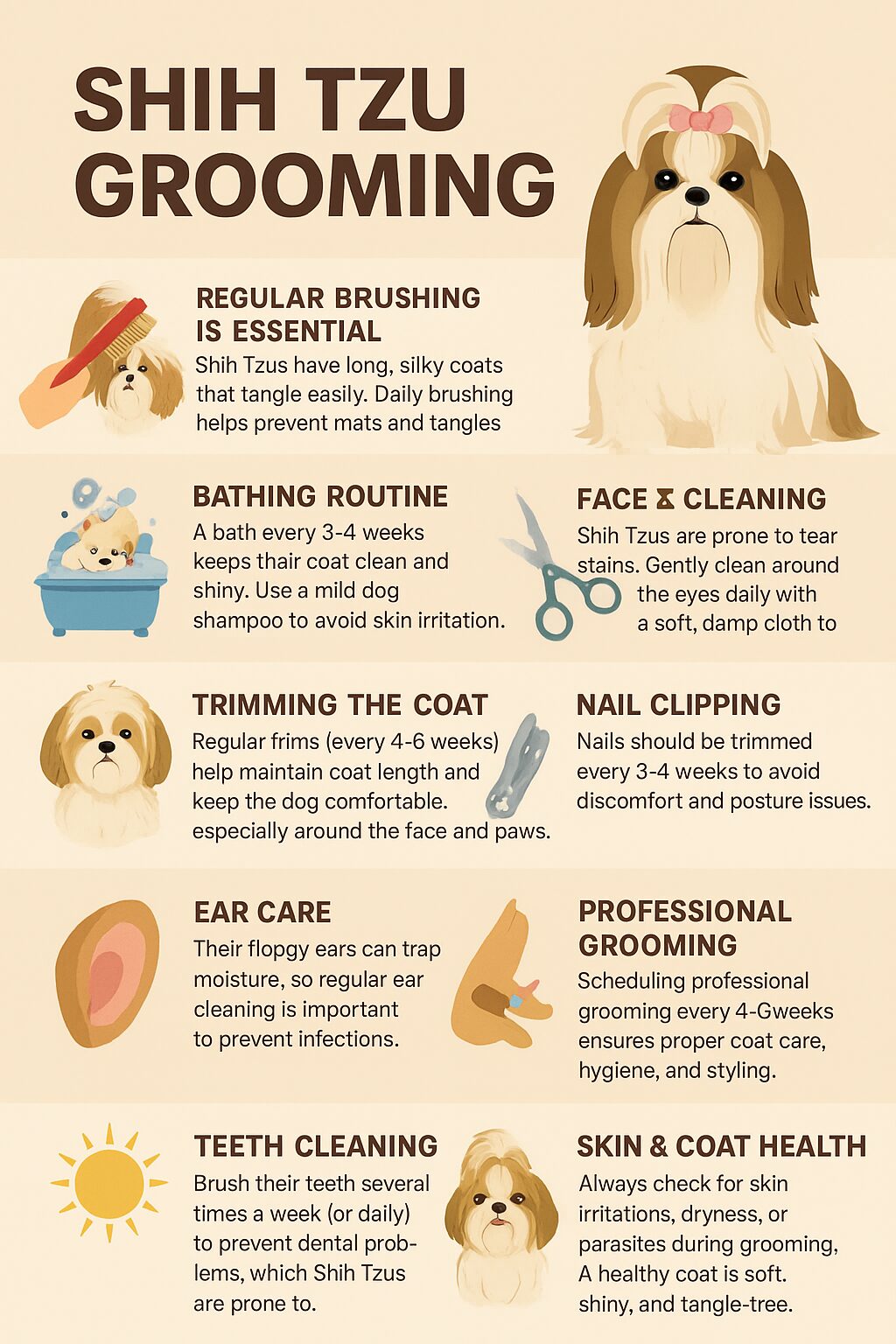
Credit: brooklynpetspa.com
Daily Grooming Tasks
Daily grooming helps keep your dog clean and healthy. It builds a strong bond between you and your pet. Small daily tasks prevent bigger problems later. These simple steps fit easily into your routine.
Brushing And Detangling
Brushing removes dirt and loose fur. It stops mats and tangles from forming. Use a brush suited to your dog’s coat type. Brushing daily keeps skin healthy and shiny. It also spreads natural oils across the fur.
Cleaning Eyes And Ears
Check your dog’s eyes for redness or discharge. Wipe gently with a damp cloth if needed. Look inside the ears for dirt or wax buildup. Clean ears with a vet-approved solution carefully. Clean eyes and ears prevent infections and discomfort.
Checking For Parasites
Parasites like fleas and ticks hide in fur. Look closely at your dog’s skin every day. Feel for small bumps or moving bugs. Early detection helps you act fast. Use vet-recommended treatments to keep parasites away.
Weekly Grooming Routines
Weekly grooming routines keep your dog clean and healthy. These routines prevent skin problems and make your dog feel good. Regular care also helps you spot health issues early.
Follow simple steps every week to maintain your dog’s hygiene. This routine creates a strong bond between you and your dog.
Bathing Guidelines
Bathe your dog once a week or as needed. Use a mild dog shampoo to protect their skin. Avoid human shampoos as they can cause dryness.
Make sure water is warm but not hot. Rinse thoroughly to remove all soap. Dry your dog well to prevent chills and skin problems.
Nail Trimming
Trim your dog’s nails weekly to avoid overgrowth. Long nails cause discomfort and joint pain. Use a sharp, dog-specific nail clipper for safety.
Cut small pieces at a time to avoid hitting the quick. If unsure, ask a vet or groomer for help. Smooth sharp edges with a nail file.
Teeth Brushing
Brush your dog’s teeth weekly to reduce plaque and bad breath. Use dog toothpaste and a soft toothbrush. Never use human toothpaste as it can harm dogs.
Start slowly to get your dog used to brushing. Focus on the back teeth where plaque builds up most. Healthy teeth support overall well-being.
Monthly Grooming Needs
Monthly grooming is important for your dog’s health and happiness. Regular care keeps their coat clean and skin healthy. It also helps catch any problems early, like skin issues or ear infections. Monthly grooming goes deeper than daily brushing or quick baths. It includes special care tasks you do less often but are very important.
Deep Coat Care
Some dogs have thick or long coats that need extra attention monthly. Deep coat care means removing mats and tangles that daily brushing misses. Use a detangling spray and a comb to gently work through knots. This prevents pain and skin problems. Bathing with a gentle shampoo also helps remove dirt and loose hair trapped inside the coat.
Ear Deep Cleaning
Dog ears can collect dirt, wax, and moisture that cause infections. Monthly deep cleaning helps keep ears fresh and healthy. Use a vet-approved ear cleaner and cotton balls. Avoid using cotton swabs, which can harm the ear canal. Check for redness, bad smells, or excessive wax. Clean ears reduce the risk of painful infections and hearing problems.
Professional Grooming Sessions
Many dogs benefit from a professional groomer once a month. Groomers trim nails, clean ears, and give thorough baths. They also cut hair for certain breeds that need regular trims. Professionals spot skin issues early and help keep your dog comfortable. Regular visits keep your dog looking neat and feeling good all year.
Signs Your Dog Needs Grooming
Dogs need regular grooming to stay healthy and happy. Watching your dog’s coat and skin can tell you when grooming is overdue. Missing grooming can cause discomfort and health issues. Recognize the signs early to keep your dog comfortable and clean.
Matting And Tangles
Matting happens when hair twists and knots tightly. It pulls on your dog’s skin and causes pain. Tangles make brushing hard and uncomfortable for your dog. Thick or long-haired dogs need more attention to prevent mats. Regular grooming stops mats from forming and keeps the coat smooth.
Unpleasant Odors
Bad smells often mean dirt, oils, or bacteria on the fur. A smelly dog may need a bath or a thorough grooming. Odors can come from trapped debris or skin problems. Clean fur helps your dog feel fresh and smell good. Check your dog’s coat regularly for any unusual scents.
Skin Irritations
Redness, bumps, or flaky skin show irritation or infection. These signs mean your dog needs grooming and possibly vet care. Grooming helps remove dirt and allergens that cause skin problems. Watch for scratching or licking, which can worsen irritation. Healthy skin is a sign of proper grooming and care.
Tools For Effective Grooming
Proper grooming keeps your dog healthy and happy. Using the right tools makes grooming easier and better. Each tool serves a special purpose for your dog’s coat and skin. Choose tools that fit your dog’s size and hair type. Here are some important grooming tools to have.
Brushes And Combs
Brushes and combs help remove dirt and loose hair. They prevent mats and tangles in your dog’s fur. Different brushes work best for certain coat types. For example, slicker brushes suit long-haired dogs. Combs are great for checking knots and smoothing fur. Regular brushing spreads natural oils for a shiny coat.
Clippers And Scissors
Clippers trim your dog’s fur quickly and evenly. Use clippers designed for pets to avoid skin cuts. Scissors help with detailed trimming around sensitive areas. Keep blades sharp to cut hair cleanly. Use scissors for small touch-ups and shaping. Clippers and scissors keep your dog neat and tidy.
Shampoos And Conditioners
Shampoos clean your dog’s skin and coat thoroughly. Use gentle, pet-safe shampoos to avoid irritation. Conditioners help keep the coat soft and smooth. They reduce tangles and make brushing easier. Choose products for your dog’s skin type and coat needs. Bath time becomes more pleasant with the right shampoo and conditioner.
Tips To Make Grooming Easier
Grooming your dog can be a simple and pleasant task. It helps keep your dog clean and healthy. Some dogs do not enjoy grooming, but small changes can make the process easier. Follow these tips to create a calm and smooth grooming experience for both you and your dog.
Creating A Routine
Dogs feel safe with regular habits. Set a specific day and time for grooming. Short sessions work best, especially for puppies or nervous dogs. Consistency helps your dog expect what comes next. Over time, grooming becomes part of their normal day.
Positive Reinforcement
Reward your dog during grooming. Use treats, praise, or gentle petting. This shows your dog that grooming is good. Praise after each step, like brushing or nail trimming. Positive rewards help your dog stay calm and enjoy grooming more.
Handling Difficult Dogs
Some dogs resist grooming. Stay calm and patient. Break grooming into small steps. Take breaks if your dog feels stressed. Use soft tools and gentle movements. If needed, ask a vet or groomer for help. Safety is important for you and your dog.
When To Seek Professional Help
Knowing when to seek professional help for grooming your dog is important. Some grooming tasks require special skills and tools. Professionals can keep your dog healthy and comfortable. They handle difficult coats and spot health issues early. They also manage dogs that feel nervous or scared during grooming.
Complex Coat Types
Dogs with thick, curly, or long coats need expert grooming. These coats can mat and tangle easily. Professionals use special brushes and scissors to avoid hurting your dog. They trim hair to keep the coat clean and neat. Regular visits prevent painful mats and skin problems.
Health Concerns
Professional groomers know how to check your dog’s skin and ears. They can spot infections, lumps, or parasites early. Groomers handle dogs with sensitive skin carefully. They use gentle shampoos and avoid harsh chemicals. Grooming salons can also trim nails safely to prevent injury.
Behavioral Issues
Dogs that are scared or aggressive may need trained groomers. Professionals use calm techniques to reduce stress. They understand dog body language and signs of fear. Groomers create a safe space for anxious dogs. They help your dog feel relaxed during grooming sessions.

Credit: www.likeablepets.com.sg
Frequently Asked Questions
How Often Should I Groom My Dog?
Groom your dog every 4 to 6 weeks for most breeds. Frequent grooming prevents mats, reduces shedding, and keeps skin healthy. Adjust frequency based on your dog’s coat type and lifestyle.
Does Dog Breed Affect Grooming Frequency?
Yes, breed greatly impacts grooming needs. Long-haired breeds require more frequent grooming. Short-haired dogs need less, but regular brushing is still essential to maintain coat health.
Can I Groom My Dog At Home?
Absolutely! Basic grooming like brushing, nail trimming, and bathing can be done at home. Professional grooming is recommended for haircuts and specialized care. Regular home grooming keeps your dog comfortable.
How Does Grooming Benefit My Dog’s Health?
Grooming removes dirt, dead hair, and prevents infections. It helps detect skin issues early. Regular grooming also reduces shedding and promotes better circulation and overall well-being.
Conclusion
Regular grooming keeps your dog healthy and happy. Different breeds need different care times. Short-haired dogs may need grooming once a month. Long-haired dogs often require weekly brushing. Pay attention to your dog’s coat and skin. Watch for mats, dirt, or odors.
Clean ears and trim nails regularly too. Grooming helps you spot health problems early. Make grooming a calm and fun routine. Your dog will thank you with a shiny coat. Start with small steps and build a habit. Consistency is key for a well-groomed dog.


