

Have you ever watched dogs playing together and wondered if they actually groom each other? It’s a fascinating behavior that goes beyond just fun and games.
Understanding why dogs groom each other can give you a deeper insight into their friendships and emotions. If you want to know what this behavior means for your dog’s well-being and how it affects their social life, keep reading. You’ll discover surprising facts that might change the way you see your furry friend’s interactions forever.
Grooming Behavior In Dogs
Dogs use grooming to clean and care for each other. This behavior helps keep their fur clean and skin healthy. Grooming also strengthens bonds between dogs. It shows trust and friendship. Watching dogs groom each other reveals much about their social lives.
What Is Mutual Grooming?
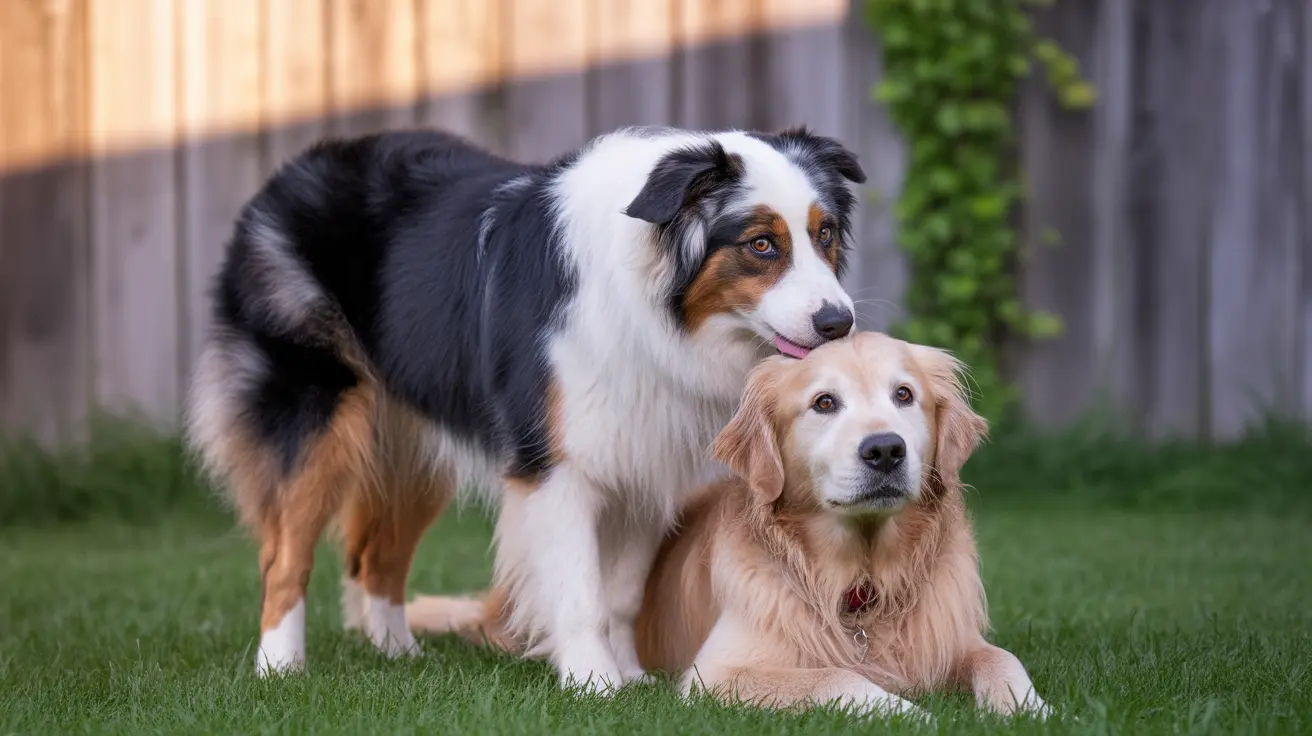
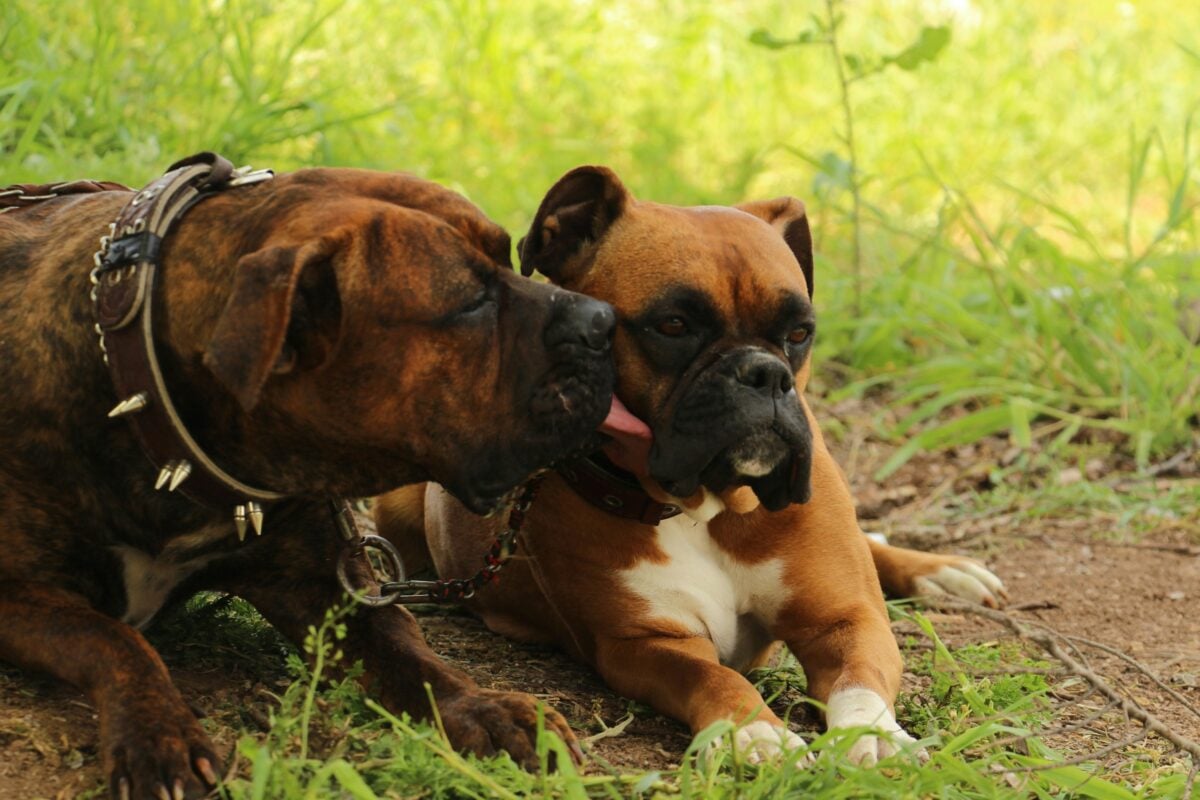
Mutual grooming is when dogs clean each other. They lick fur, ears, and faces. This action removes dirt and loose hair. It also helps calm dogs and reduce stress. Mutual grooming builds strong connections between dogs. It is a sign of friendship and teamwork.
Common Grooming Actions Among Dogs
Dogs use their tongues to lick and clean. They often lick around the face and ears. Some dogs nibble gently to remove tough dirt. They may also scratch each other’s backs with their teeth. Grooming happens in both play and rest times. These actions keep dogs clean and happy.
Credit: www.petscare.com
Reasons Dogs Groom Each Other
Dogs often groom each other for several important reasons. This behavior is natural and helps build strong connections. It also keeps them clean and calm. Understanding why dogs groom each other can help owners better care for their pets.
Social Bonding And Trust
Grooming helps dogs build trust with each other. It shows friendliness and acceptance. Dogs that groom each other often share a close bond. This behavior strengthens their social group. It helps reduce conflicts and creates peace.
Hygiene And Parasite Control
Grooming keeps dogs clean and healthy. They remove dirt and loose fur from each other. It also helps control parasites like fleas and ticks. Dogs can reach spots they cannot clean alone. This teamwork improves overall hygiene.
Stress Relief And Comfort
Grooming calms dogs and reduces stress. It feels soothing and comforting for them. Dogs may groom each other after play or during rest. This behavior helps lower anxiety and promote relaxation. It creates a sense of safety and calm.
Which Dogs Are More Likely To Groom?
Dogs often groom each other as a way to bond and keep clean. Not all dogs groom with the same frequency or style. Various factors influence which dogs are more likely to groom their friends. Understanding these factors helps us see dog behavior more clearly.
Age And Grooming Tendencies
Puppies tend to groom less than adult dogs. Young dogs focus more on play and exploration. Adult dogs groom to build social bonds and care for others. Older dogs may groom less due to lower energy or health issues. Grooming habits often increase as dogs mature.
Breed Differences
Some breeds have stronger grooming instincts. Herding breeds like Border Collies often groom more. Smaller breeds may groom less but still show social licking. Breeds with thick coats often groom to remove dirt and loose hair. Breed traits can shape how much a dog grooms others.
Role Of Pack Hierarchy
Dominant dogs usually receive more grooming from others. Subordinate dogs often groom dominant dogs to show respect. Grooming helps maintain peace and order in a pack. Leaders may groom less but get groomed more. This behavior keeps the social group balanced and calm.
How Dogs React To Grooming
Dogs often groom each other as a way to bond and care. Their reactions during grooming show how they feel about the interaction. Some dogs enjoy the attention, while others may feel uneasy. Watching their body language helps understand their response.
Signs Of Enjoyment
Happy dogs relax their bodies and close their eyes. They may lick back or gently nuzzle the other dog. Soft wagging tails and calm breathing also show pleasure. These signs mean the grooming feels good and safe.
When Grooming Becomes Aggressive
Growling, snapping, or stiff bodies warn of discomfort. A dog may pull away or try to stop the grooming. Raised hackles or showing teeth are clear signs of stress. It is important to let dogs have space if grooming turns rough.
Human Role In Dog Grooming
Dogs often groom each other to show care and build bonds. But humans play a key role in keeping dogs clean and healthy. Human grooming helps remove dirt, mats, and pests that dogs might miss. It also allows owners to check for skin problems or injuries early. Regular grooming strengthens the relationship between dogs and their owners. It creates trust and comfort during handling.
Encouraging Positive Grooming Behavior
Start grooming sessions calmly and gently. Praise your dog with soft words and treats. Use a brush that suits your dog’s fur type. Let your dog sniff and explore grooming tools first. Keep sessions short at the beginning. Gradually increase time as your dog feels comfortable. Reward calm behavior to make grooming a happy time. Consistency helps dogs learn that grooming is safe.
When To Intervene
Watch dogs closely when they groom each other. Sometimes, grooming can become too rough or stressful. If one dog is biting or pulling too hard, step in calmly. Separate dogs if they show signs of discomfort or fear. Use gentle distractions like toys or calls to stop rough behavior. Intervene to prevent injuries or fights. Always supervise dog interactions to ensure safe grooming. If unsure, consult a professional trainer or vet.

Credit: www.youtube.com
Comparing Dog Grooming To Other Animals
Dogs groom each other, but their grooming habits differ from other animals. Understanding these differences helps us see how dogs behave and bond. Grooming is not just about cleanliness. It is also about social connection and care. Comparing dogs with wild canines and cats shows these unique grooming styles.
Grooming In Wolves And Wild Canines
Wild canines like wolves groom each other often. They use grooming to build trust and strengthen pack bonds. Grooming includes licking fur, cleaning wounds, and removing dirt. This helps keep the pack healthy and united. Wolves groom more in stressful or tense times to calm each other. Dogs have kept some of these grooming habits from their wild ancestors.
Differences From Cat Grooming
Cats groom themselves more than others. They use their tongues to clean their fur carefully. Cats rarely groom each other except between close family. Their grooming is mainly for hygiene and comfort. Dogs, on the other hand, groom to show affection and social rank. Dogs lick and nibble more, which helps build trust. Cats prefer quiet, solitary grooming, while dogs enjoy group grooming.
Common Myths About Dog Grooming
Dog grooming has many myths that confuse pet owners. Some people think dogs groom themselves or each other like cats. Others believe grooming is only about looks. These myths can lead to poor care and health issues. Knowing the truth helps keep dogs clean and healthy.
Misconceptions About Grooming Frequency
Many believe dogs need grooming only once or twice a year. This is not true. Grooming depends on the dog’s breed, coat, and lifestyle. Some dogs need brushing daily to stop mats and tangles. Regular baths keep skin healthy and remove dirt. Ignoring grooming can cause bad odor and skin problems.
Grooming And Health Connections
Grooming is not just about appearance. It helps spot health problems early. Checking ears and teeth prevents infections. Trimming nails stops pain and walking issues. Grooming also reduces shedding and allergies. Regular care keeps dogs happy and comfortable.
Credit: www.caninejournal.com
Frequently Asked Questions
Do Dogs Naturally Groom Each Other?
Yes, dogs often groom each other as a social and bonding behavior. This mutual grooming helps strengthen their relationships and maintain hygiene.
Why Do Dogs Lick Each Other’s Fur?
Dogs lick each other’s fur to clean, soothe, and show affection. It helps remove dirt, parasites, and promotes social bonding.
Is Mutual Grooming Common Among All Dog Breeds?
Mutual grooming occurs in many dog breeds but is more common in social and pack-oriented breeds. Individual personalities also affect this behavior.
Can Grooming Reduce Dog Stress And Anxiety?
Yes, grooming each other can calm dogs and reduce stress. It releases endorphins and creates a comforting social connection.
Conclusion
Dogs grooming each other shows trust and friendship between them. It helps keep their fur clean and skin healthy. This behavior also strengthens their bond and reduces stress. Watching dogs groom can teach us about their social nature. Remember, not all dogs like grooming from others.
Observing your pets helps you understand their comfort levels better. So, dog grooming is more than just cleaning—it’s a sign of care and connection.


